



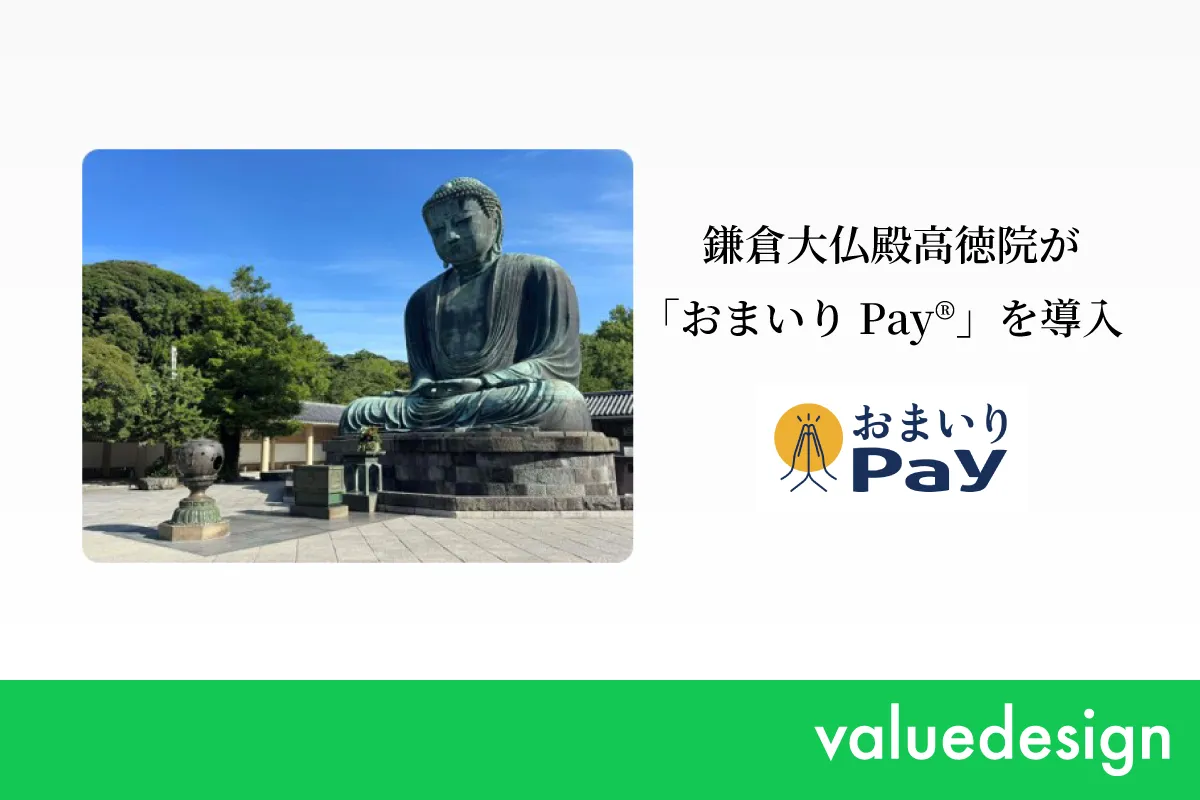
Kamakura Great Buddha Hall Introduces Cashless Payment System For Visitors
Enhancing Visitor Experience at Kamakura Great Buddha Hall
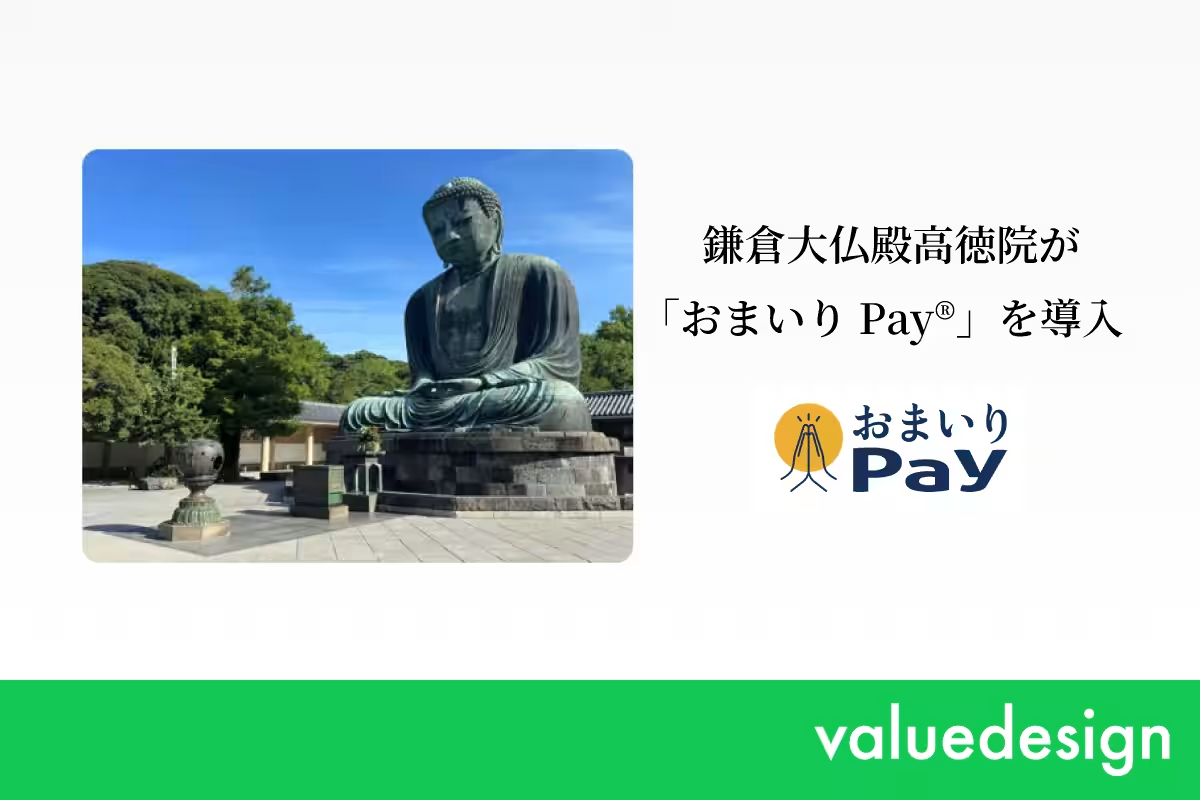
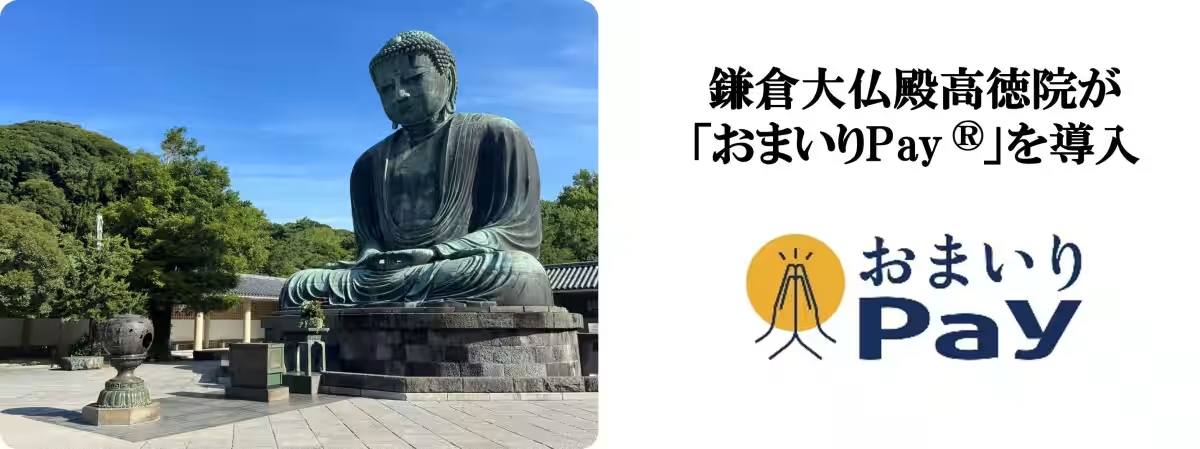
Kamakura Great Buddha Hall, known for housing the historic Great Buddha statue, has recently adopted a unique cashless payment solution specifically designed for temples and shrines, called 'Omairi Pay®'. This initiative is a collaboration between Value Design, a subsidiary of Peicrowd Holdings, and the Kyoto Buddhist Association. This marks the first implementation of this cashless system outside Kyoto, aiming to improve the visitor experience and operational efficiency for the temple.
Scheduled to commence operations on August 21, 2026, 'Omairi Pay®' will facilitate payments for admission fees, charms, and goshuin (temple stamps) at the temple. The introduction of this system signifies a shift towards more convenient payment methods for visitors, aligning with the increasing preference for cashless transactions seen among both domestic and international guests.
Kamakura Great Buddha Hall, home to the revered bronze statue of Amida Nyorai, often referred to as the 'Seated Buddha', holds a significant place in Japan’s Buddhist heritage. The statue retains its nearly original form since its establishment, and the temple has decided to embrace modern payment innovations while respecting traditional values. Temple officials recognize the growing desire for convenient, cashless options and are committed to enhancing the visitor experience and operational efficiency.
About 'Omairi Pay®'
'Omairi Pay®' was developed under the supervision of the Kyoto Buddhist Association to cater specifically to the demands of temple and shrine operations. It aims to enhance operational workflows while respecting the spiritual and ethical principles of religious institutions. Some key features of 'Omairi Pay®' include:
1. Separation of Sacred and Secular: The service is distinct from general business transactions, allowing for a unique payment environment within the temple context.
2. Respect for Freedom of Religion: Individual temple names remain confidential, ensuring the privacy of each religious institution.
3. Protection Against Financial Malfeasance: To prevent excessive transaction amounts, limits are set, safeguarding the interests of visitors and the temples.
4. Operational Support for Temples and Shrines: Digitalizing sales and payment management will facilitate greater efficiency in administrative tasks.
Looking Forward
Kamakura Great Buddha Hall aims to boost visitor satisfaction with the new payment system, streamlining operations and optimizing the visitor experience. The temple is committed to ensuring inclusivity and accessibility for all its guests, accommodating those who prefer electronic transactions.
To commemorate the launch of 'Omairi Pay®', an online seminar discussing this cashless payment system will be held on August 28, 2026, detailing its background, features, implementation examples, and the registration process for interested religious institutions. The seminar is free and will be conducted via Zoom.
Conclusion
As Japan continues to adopt cashless payment solutions, Kamakura Great Buddha Hall stands at the forefront of this innovation in the realm of religious institutions. Value Design is dedicated to supporting temple and shrine administrations with effective and sustainable payment infrastructures while promoting the preservation of Japan's rich cultural and religious traditions. This initiative is a blueprint for others in the religious sector to follow, blending modern convenience with traditional reverence, ensuring a forward-looking approach while respecting the historical and spiritual significance of these sites.
Topics People & Culture)
【About Using Articles】
You can freely use the title and article content by linking to the page where the article is posted.
※ Images cannot be used.
【About Links】
Links are free to use.