



Study Reveals Sharp Increase in Ulcerative Colitis and Crohn’s Disease Patients in Japan
Increase in Patients with Ulcerative Colitis and Crohn’s Disease
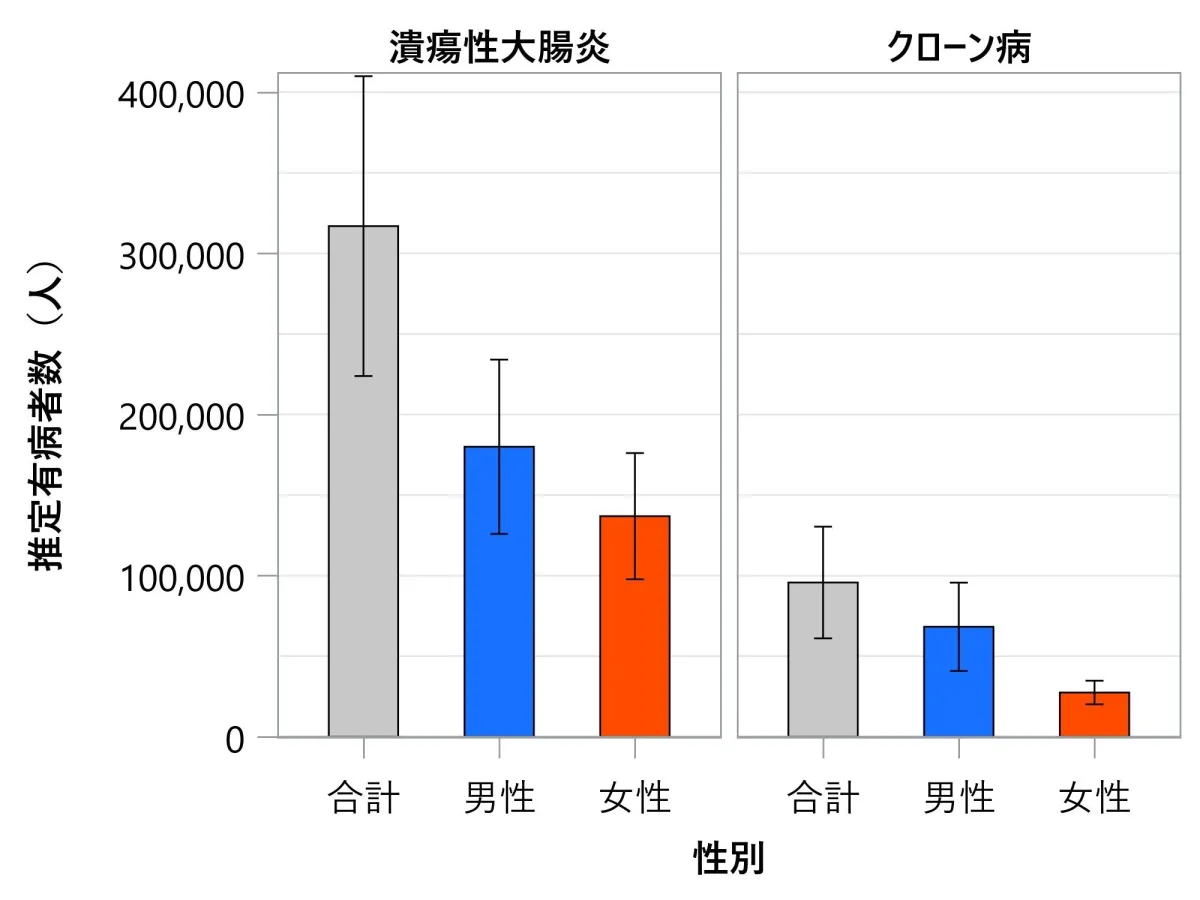
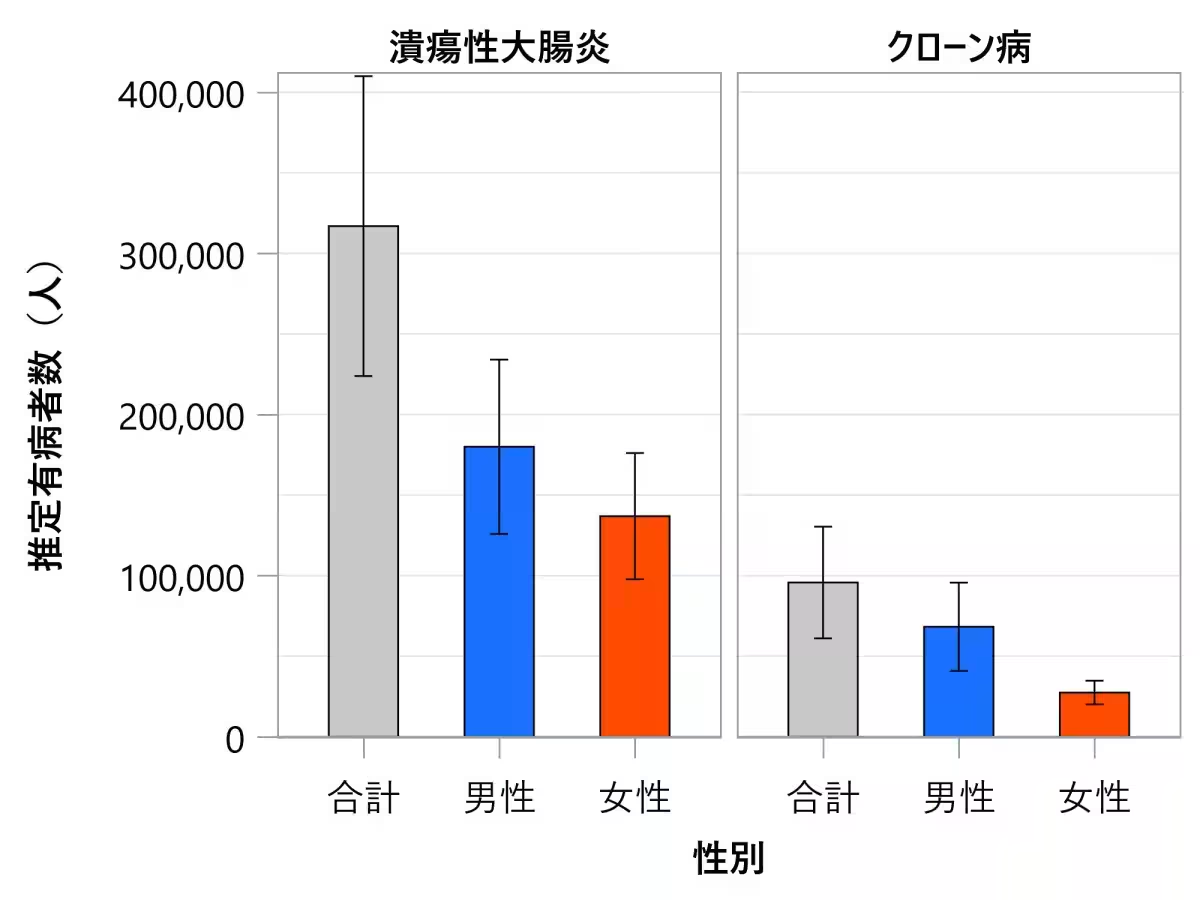
Recent findings from a nationwide epidemiological survey conducted by research teams from Toho University, Kyorin University, and Osaka Metropolitan University have indicated a significant rise in the prevalence of ulcerative colitis and Crohn's disease in Japan. The study estimates that as of 2023, approximately 317,000 individuals are affected by ulcerative colitis, and around 96,000 by Crohn's disease. These figures represent a concerning 40% increase in patients over the past eight years when compared to a similar survey conducted in 2015.
The Research Methodology
The research team undertook a thorough analysis by selecting 3,583 medical institutions from 12,153 departments across various hospitals, ensuring a diverse and representative sample. The selected institutions included internal medicine, surgery, pediatrics, and pediatric surgery departments. Observations about the number of male and female patients who visited these departments for either initial or follow-up consultations in 2023 were collected and analyzed. The study boasts a response rate of approximately 50.8%, leading to the estimation that 316,900 people are living with ulcerative colitis and 95,700 with Crohn's disease, marking a significant shift in the disease burden in the country.
Public Health Implications
This surge in the incidence of ulcerative colitis and Crohn’s disease has critical implications for public health and medical policy in Japan. The data shows that not only are the number of patients increasing, but also highlights the necessity for enhanced healthcare provision, including diagnostic, therapeutic, and preventive measures. The United Nations’ guidelines emphasize the importance of epidemiological data in shaping public health strategies, thereby supporting the argument that continual tracking of patient demographics is essential.
In the earlier 2015 survey, ulcerative colitis had about 220,000 patients, while Crohn's disease had around 71,000, presenting an astonishing tenfold increase in the span of twenty-four years since the first survey conducted in 1991.
Key Findings
- - By 2023, the estimated number of patients suffering from ulcerative colitis stands at 316,900, while those diagnosed with Crohn’s disease is about 95,700.
- - The eight-year data reveals a consistent increase in both diseases, necessitating immediate attention from healthcare policymakers.
- - The study indicates that the respective annual prevalence rates per 100,000 people are 254.8 for ulcerative colitis and 77.0 for Crohn’s disease, further illustrating the growing burden of these chronic conditions among the Japanese population.
Future Directions
Monitoring the rise in cases of ulcerative colitis and Crohn's disease is vital for informing future healthcare initiatives and policies. It is critical that ongoing epidemiological research continues, with emphasis on understanding these diseases' dynamics in Japan's population. This research will provide valuable insights for developing effective public health campaigns and medical education aimed at both prevention and management.
This extensive study, which will be published in the Journal of Gastroenterology on September 2, 2025, under a title indicating the nationwide estimates of patient numbers, will serve as a crucial tool for medical authorities in Japan. Understanding the widespread and growing impact of inflammatory bowel diseases on the healthcare system will better inform future strategies for treatment and resource allocation.
Conclusion
The alarming growth in ulcerative colitis and Crohn's disease cases underscores the need for timely and comprehensive healthcare measures. As the research advocates, policies must be attuned to the pressing demands placed on health infrastructures by these chronic illnesses. Continued research and awareness are fundamental to combatting these long-term health challenges.
Topics Health)
【About Using Articles】
You can freely use the title and article content by linking to the page where the article is posted.
※ Images cannot be used.
【About Links】
Links are free to use.