




APAMAN Unveils the Most Desirable Train Stations Ranking for 2026
APAMAN Unveils the Most Desirable Train Stations Ranking for 2026
In a notable development, APAMAN Inc., a leading name in rental housing brokerage, has published its much-awaited 'Desirable Station Ranking for 2026'. This ranking is derived from search data collected from users on the APAMAN official website, reflecting the most sought-after train stations across Japan.
Significance of the Ranking
The 'Desirable Station Ranking for 2026' serves to guide individuals looking for rental properties in Japan. When searching for their future homes, many users prioritize train stations as their base for selecting suitable neighborhoods. Considerations include accessibility for daily commuting, proximity to essential amenities, educational institutions, and overall living conditions. The ranking aims to provide potential renters with insight into areas that are growing in popularity based on actual search behaviors.
2026 Ranking Highlights
The latest ranking demonstrates some fascinating changes. While some stations managed to retain their top positions, there were several areas where leadership shifted to different stations. In particular, urban centers in the Kanto, Kansai, Kyushu, and Okinawa regions showcased a trend towards stations with not just good transportation links but also comprehensive living conveniences.
Kanto Region
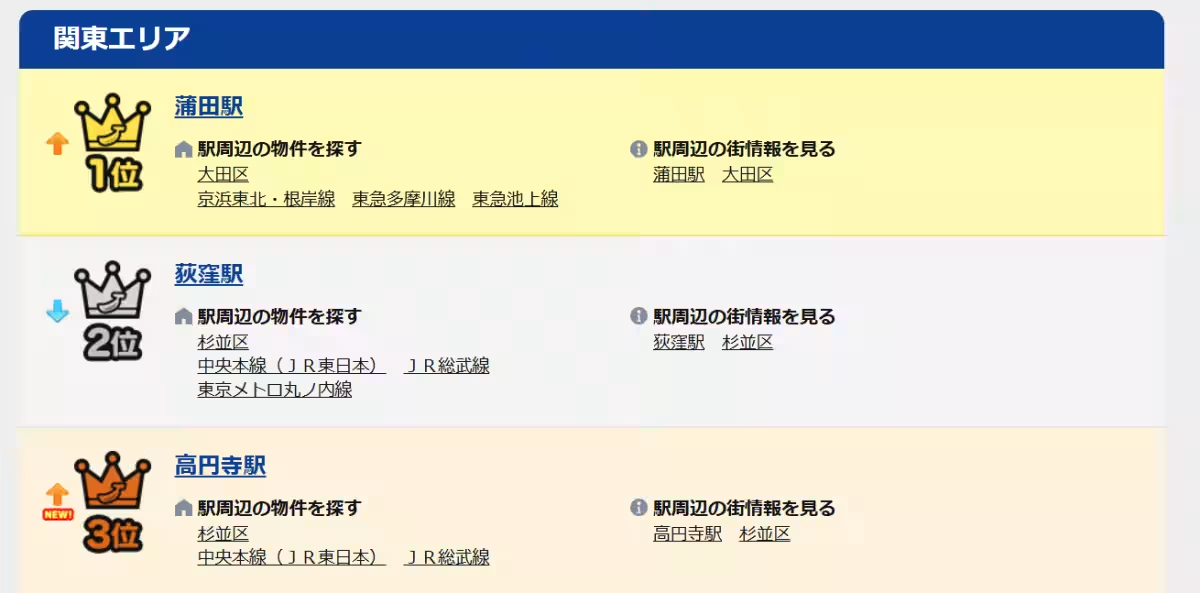
For Kanto, Kamata Station has taken over the top spot, displacing last year's favorite, Ogikubo Station. Both Kamata and Ogikubo are well-known for their excellent access to central Tokyo. The third spot was filled by Koenji Station, emphasizing the need for livability in the capital region.
Kansai Region
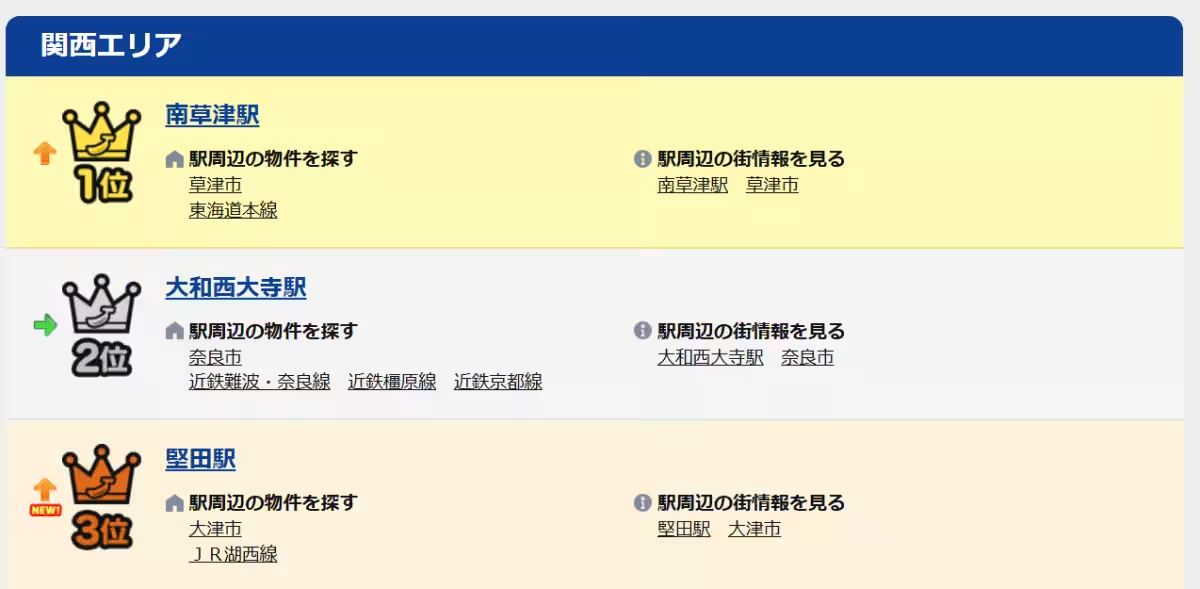
In the Kansai region, Minami-Kusatsu Station has claimed the top rank, replacing Esaka Station from 2025. The rankings feature several stations from Shiga and Nara prefectures, suggesting a wider search trend beyond just Osaka city centers, indicating an increasing interest in suburban stations.
Kyushu and Okinawa Region
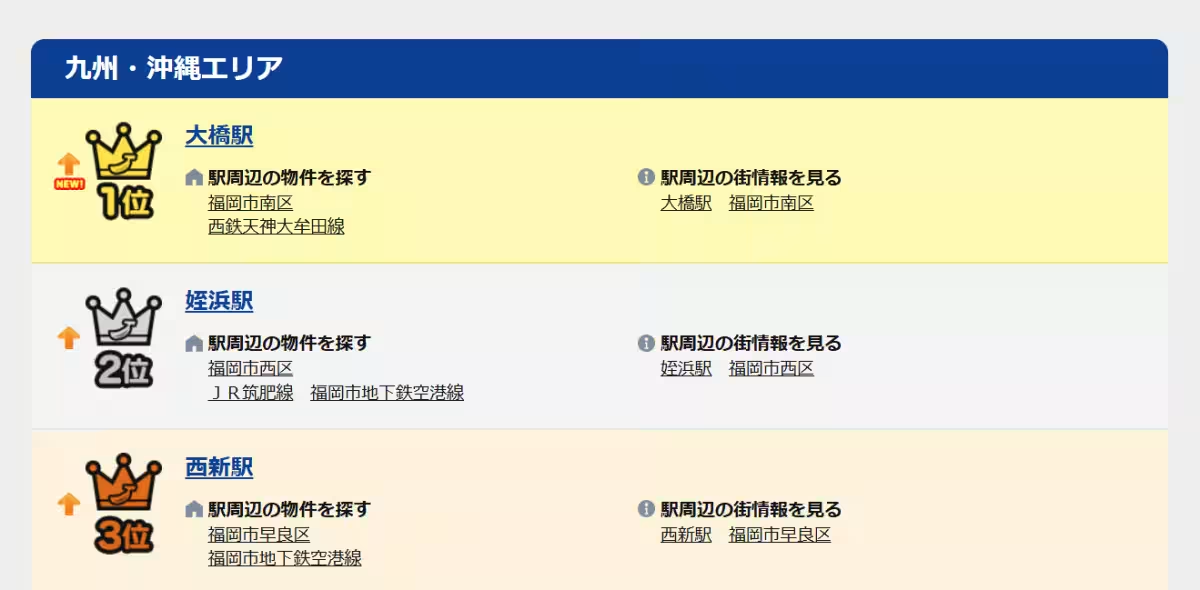
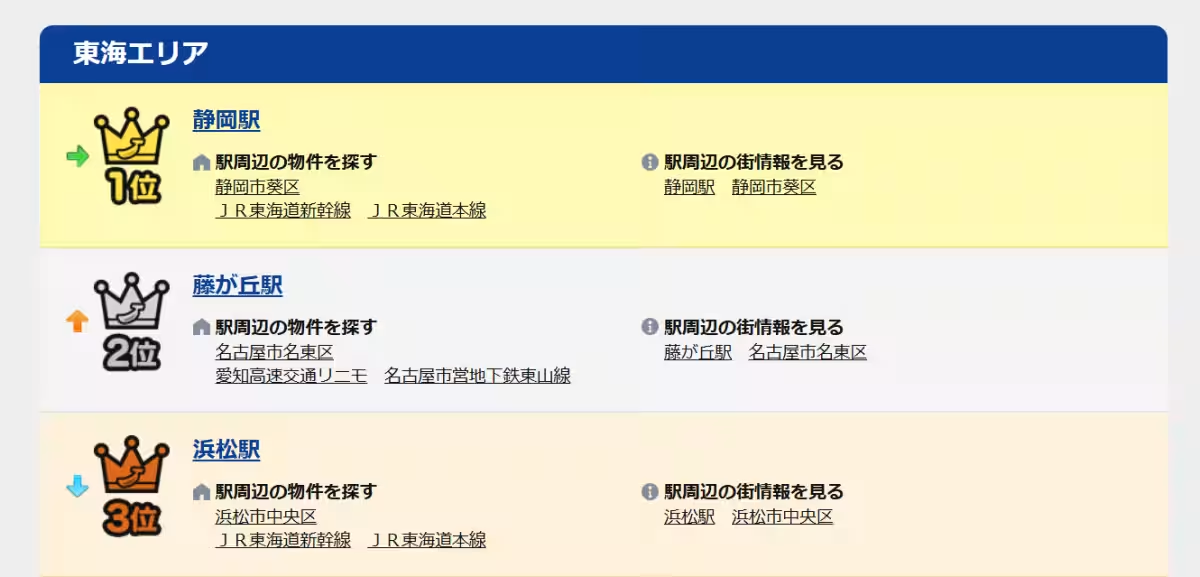
In the Kyushu-Okinawa area, Ohashi Station ascended to first place, moving past last year's leader, Hakata Station. The top three stations—Ohashi, Meihama, and Nishijin—are all located in Fukuoka City, highlighting a strong preference for stations that combine convenience with quality of life.
Other Regions
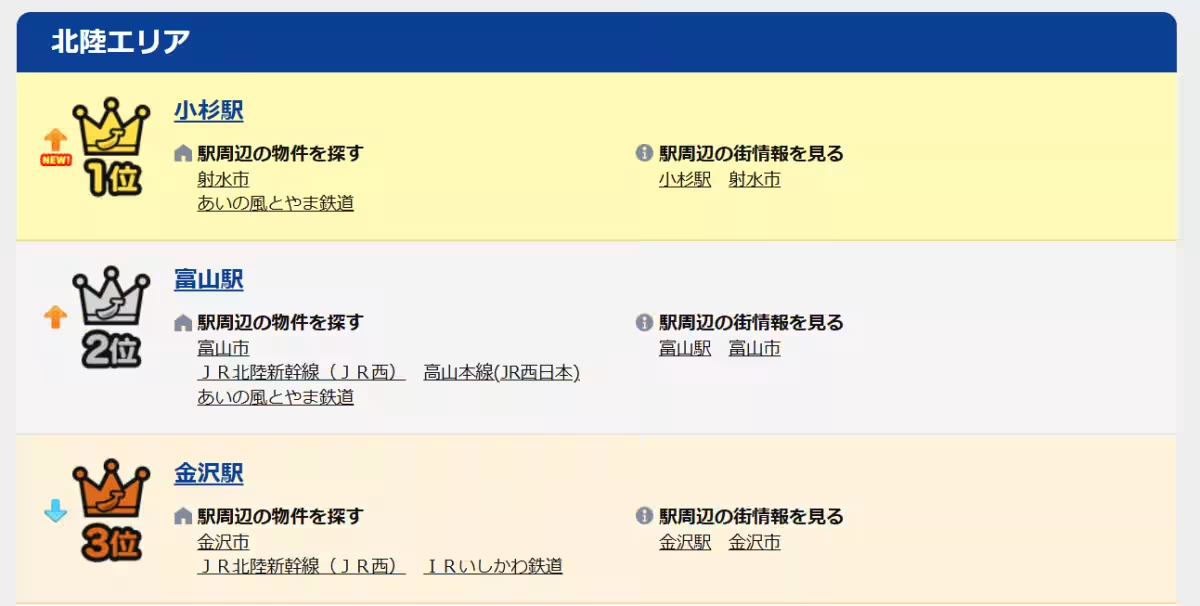
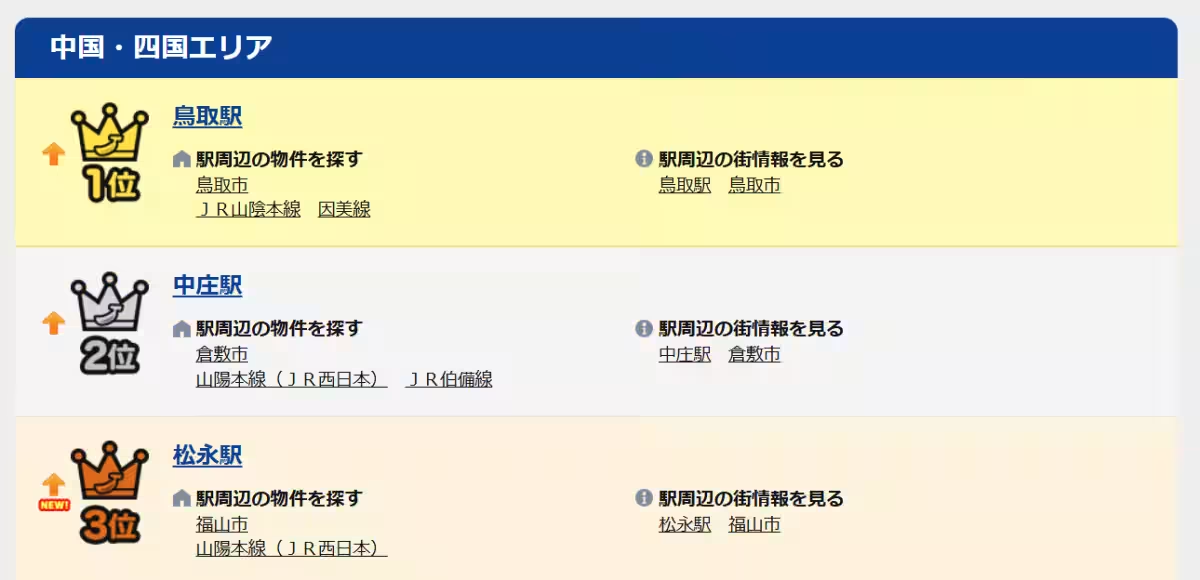
Similarly, the rankings for the Hokuriku and Chugoku-Shikoku regions introduced new leaders, with Kosugi Station and Tottori Station, respectively, taking the lead. This shift illustrates that users are not only interested in major hubs but also in easily accessible stations that cater to daily living conditions.
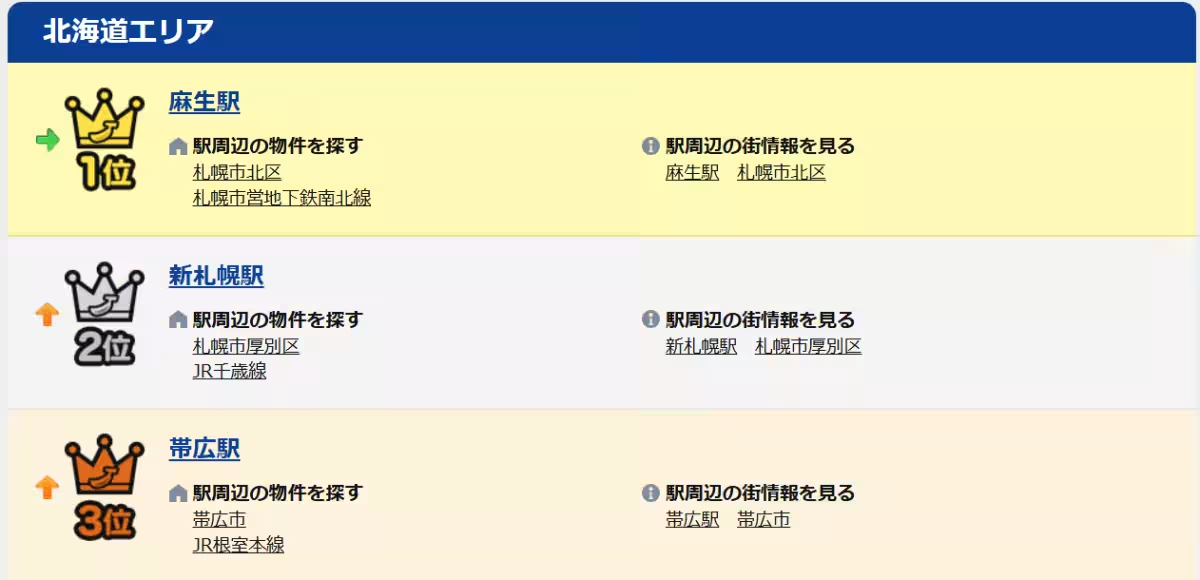
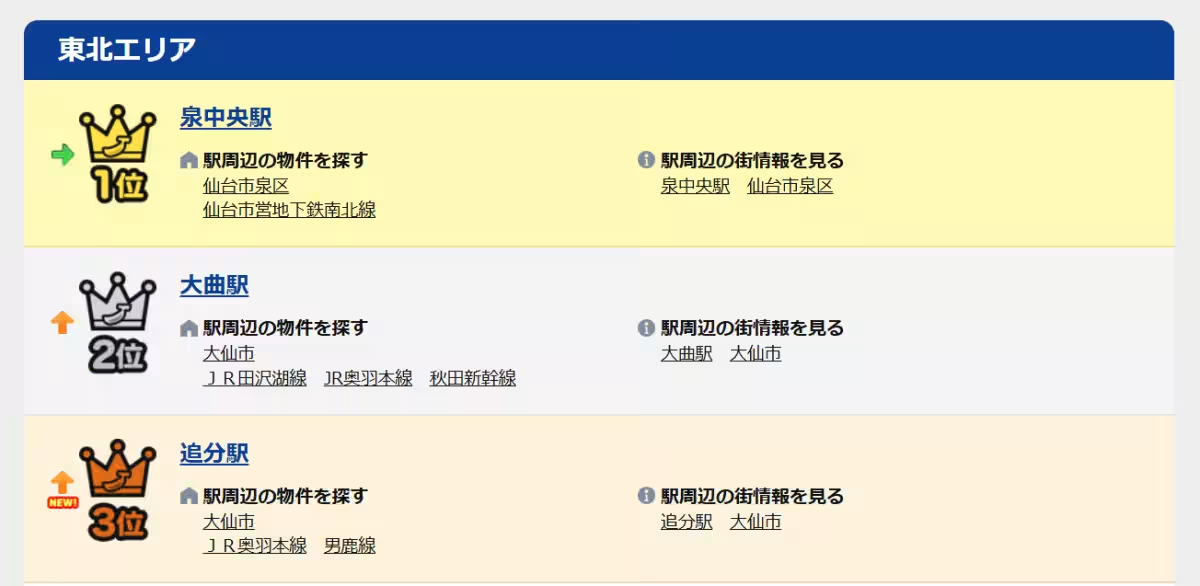
In Hokkaido, Asabu Station has again secured the top spot, showcasing the importance of transportation within Sapporo's urban landscape. Meanwhile, Tohoku's Izumi-Chuo Station maintained its high ranking, suggesting a strong focus on suburban accessibility.
Conclusion
Overall, the results from the 2026 'Desirable Station Ranking' reflect the necessity for a blend of urban accessibility with vital everyday services. There’s a clear trend from the data showing that potential renters are increasingly pursuing stations that meet their day-to-day needs while offering excellent commuting options. The ranking not only serves as a guide for future residents but also indicates the changing dynamics of urban living in Japan. This insightful data is crucial for anyone planning their next move in the ever-evolving landscape of Japan's rental properties.
For more information about APAMAN and the latest rental trends, visit their official website.

Topics Consumer Products & Retail)
【About Using Articles】
You can freely use the title and article content by linking to the page where the article is posted.
※ Images cannot be used.
【About Links】
Links are free to use.