



Patients Experience Stress Over Billing Wait Times, Study Reveals Effective Self-Service Solutions
Understanding Patient Stress During Billing Waits
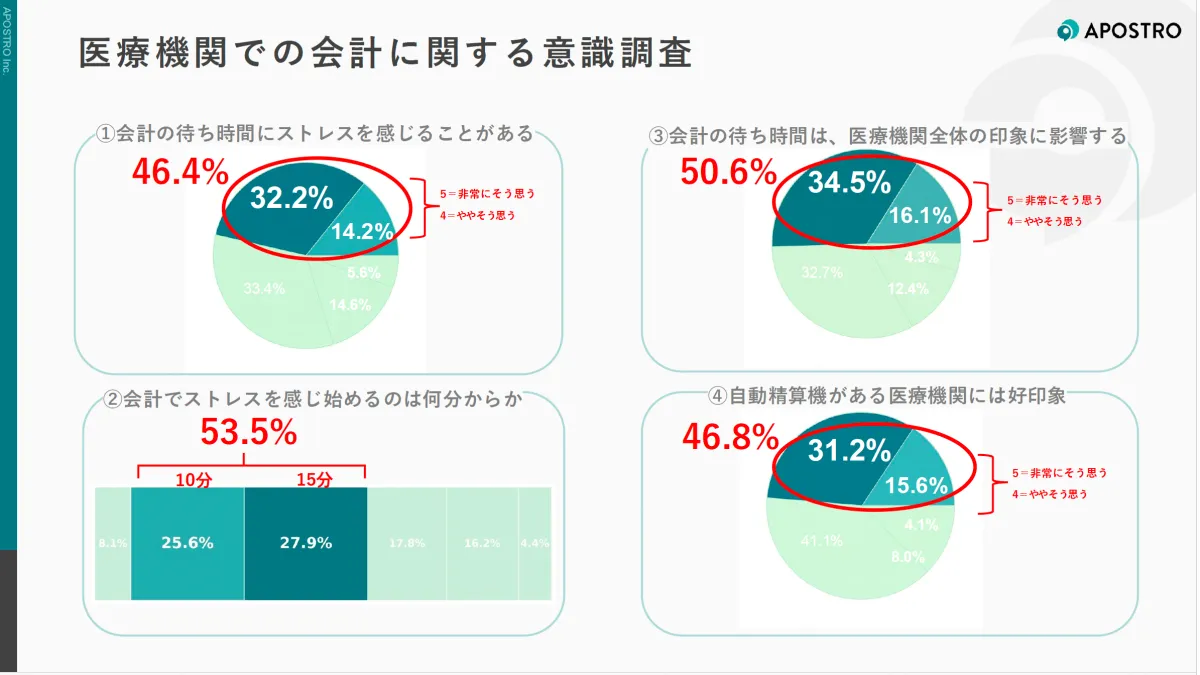
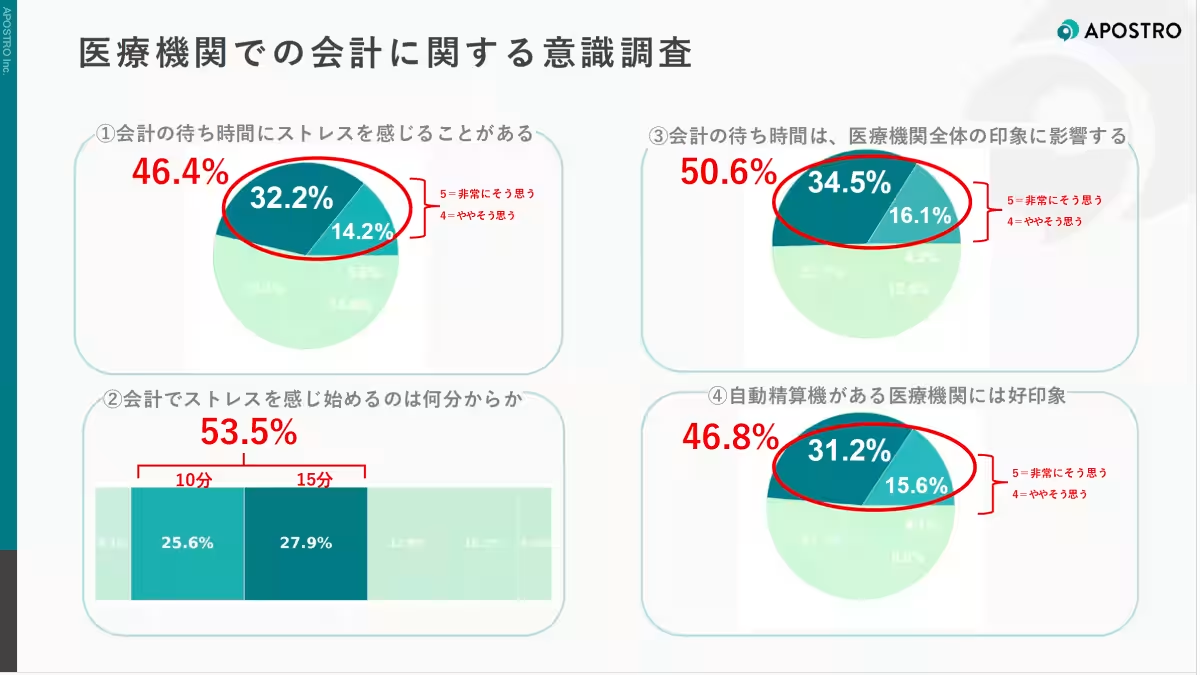
A recent study conducted by APOSTRO highlighted significant stress among patients due to waiting times at medical billing counters. The nationwide survey of 1,000 participants revealed that 46.4% of patients reported feeling stressed while waiting to settle their bills. This stress has a direct correlation to how patients perceive the quality of care they receive, indicating that billing experiences can greatly impact overall patient satisfaction with healthcare facilities.
Key Findings of the Survey
Stress Levels Among Patients
The survey results show that almost half of the respondents felt stressed waiting for their billing, with 46.4% indicating this was a significant issue for them. Furthermore, more than half, 50.6%, acknowledged that prolonged wait times affected their overall impression of the healthcare institution. This suggests that effective management of billing processes is crucial to enhancing the patient experience and could lead to better retention and satisfaction rates. The ideal waiting time noted by patients tends to be around 10 to 15 minutes, a threshold where stress levels appear to peak.
The Role of Self-Service Kiosks
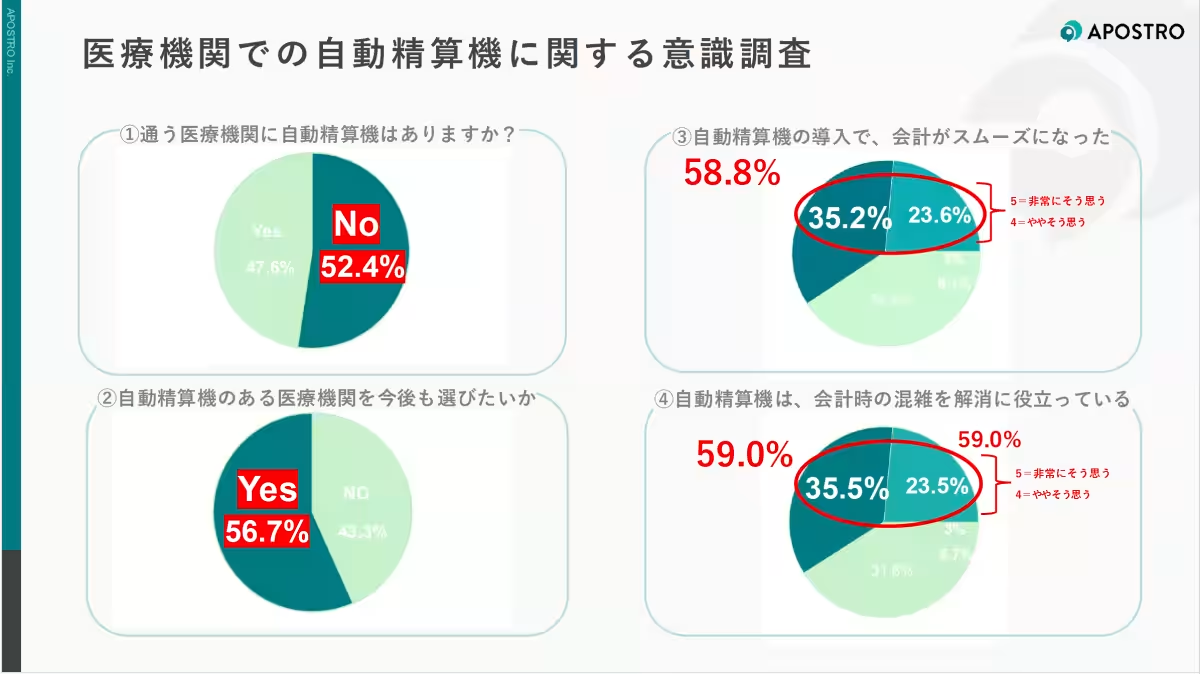
On a more positive note, self-service kiosks emerged as a viable solution for managing billing processes effectively. A noteworthy 58.8% of users remarked that these kiosks made the billing experience smoother, while 59.0% believed they helped alleviate congestion at medical facilities. This indicates a shift in patient perspectives, where the implementation of technology is being positively received. Additionally, 46.8% of the respondents expressed a favorable view of medical institutions that offered self-service kiosks, showcasing the potential competitive edge that such an innovation can provide.
Implications for Healthcare Providers
As healthcare providers seek to improve patient experiences, addressing billing wait times should be prioritized. The implementation of self-service kiosks not only improves operational efficiency but also enhances the overall patient experience, leading to better evaluations of the healthcare facility. It’s clear that investing in technology and streamlining billing processes are critical for addressing patient concerns about waiting times.
About APOSTRO
This article summarizes part of the findings from the APOSTRO study into patient billing experiences. For more detailed insights, including the context of the healthcare environment and how data can inform improvements, visit our note on this topic.
Methodology of the Study
- - Participants: 1,000 men and women aged 15 to 80 across Japan
- - Conducted by: APOSTRO using the Freeasy survey tool
- - Method: Online survey
- - Conducted From: November 13 to November 14, 2025
In conclusion, the study emphasizes the need for medical facilities to rethink their billing processes and leverage technology like self-service kiosks to mitigate patient stress and enhance satisfaction. By acknowledging the direct impact of billing experiences on patient perceptions, healthcare providers can foster better relationships with their clientele and improve their overall service delivery.
Topics Health)
【About Using Articles】
You can freely use the title and article content by linking to the page where the article is posted.
※ Images cannot be used.
【About Links】
Links are free to use.