



Exploring Food Trends Amidst Rising Costs in Japan: Insights from a Major Survey
Food Trends in Japan: A Comprehensive Survey
In an insightful survey conducted by Island Inc., which runs Japan's largest culinary influencer network known as Foodist Service, over 30,000 cooking influencers participated to provide a glimpse into their food-related lifestyles and preferences amidst rising prices. The findings shed light on socio-economic challenges while revealing an intriguing adaptation in food habits among the Japanese populace.
Survey Overview
The survey, conducted in December 2025, focused on the significant impacts of soaring inflation and changing consumer behaviors in Japan’s food landscape.
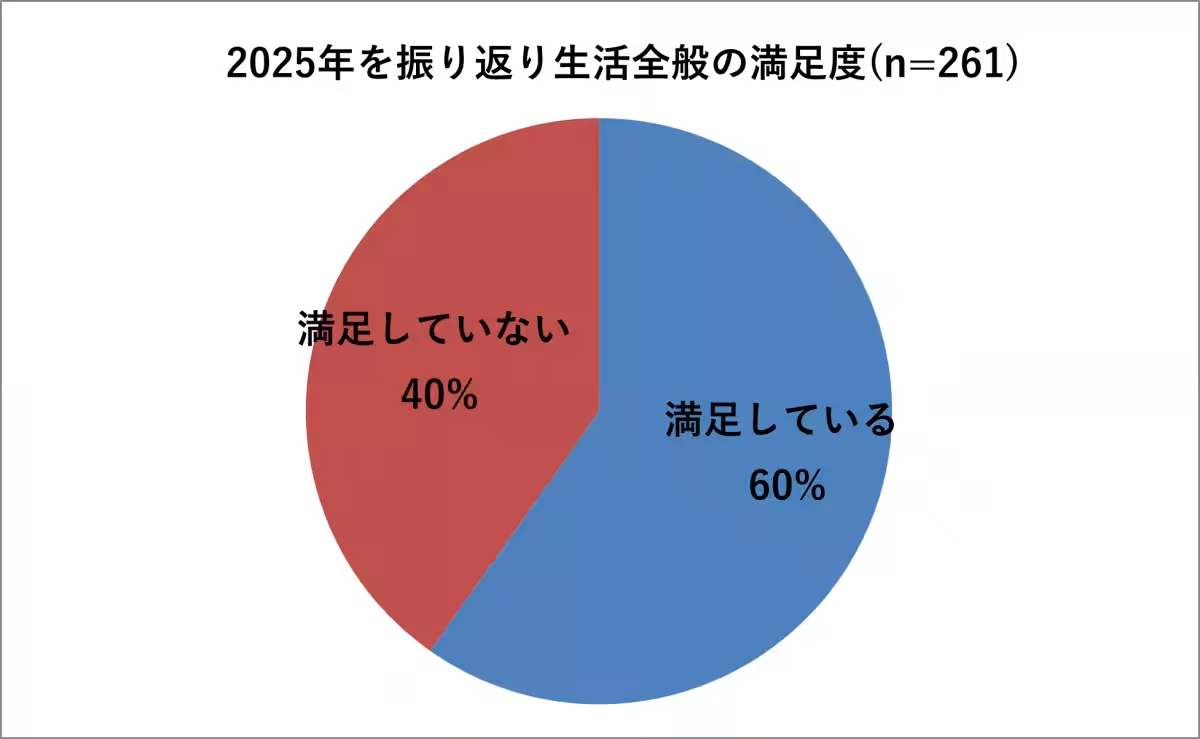
Despite nearly 90% of respondents feeling the pinch of high prices, a remarkable 60% expressed satisfaction with their overall living conditions, showcasing resilience and adaptability. This dichotomy highlights a significant trend: rather than simply cutting back, many individuals strive to maintain the quality of their lives through mindful consumption.
Key Findings
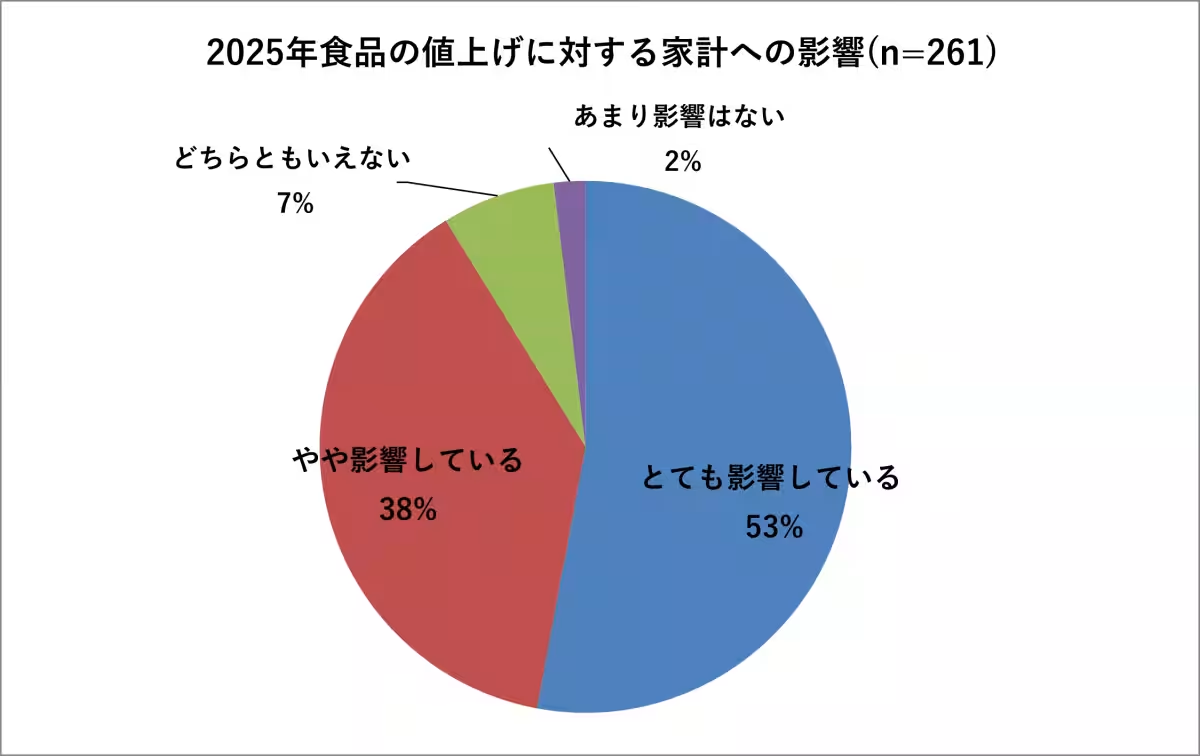
1. Impact of Rising Prices: Around 91% of respondents acknowledged the effects of rising food prices, with 53% reporting a strong impact. However, rather than resorting to rigorous budgeting or deprivation, many prioritize sustainability in their eating habits.
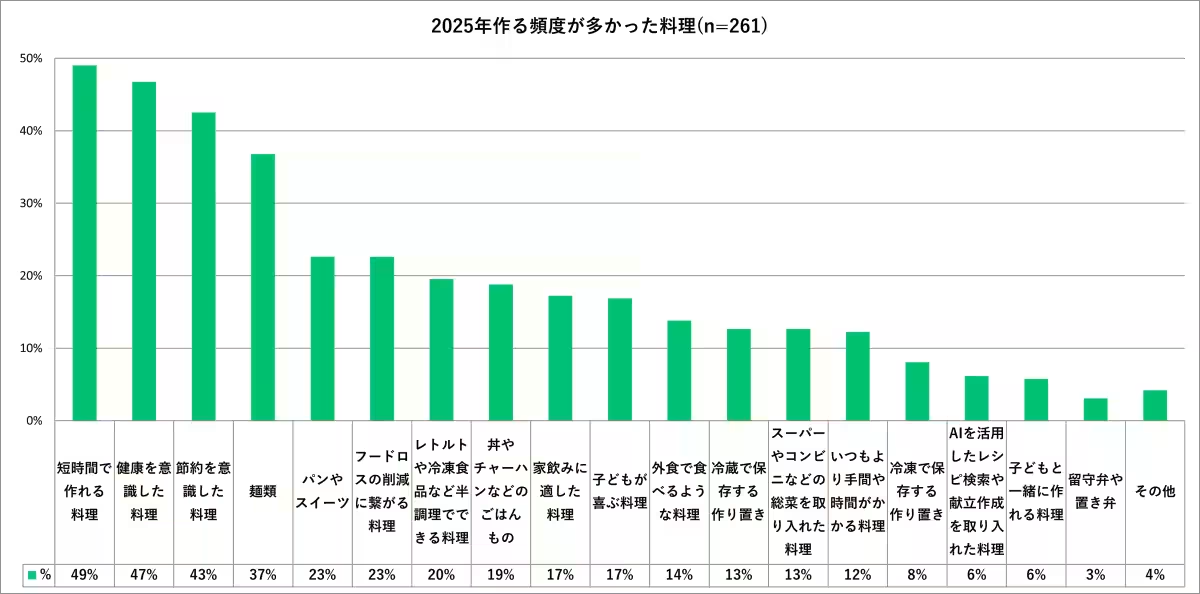
2. Recipe Trends in 2025: The results illuminated several culinary trends, with a marked focus on quick, healthy, and budget-conscious cooking. Nearly half of the participants noted that they frequently made meals that could be prepared in under half an hour (49%), while 47% prioritized health-conscious recipes.
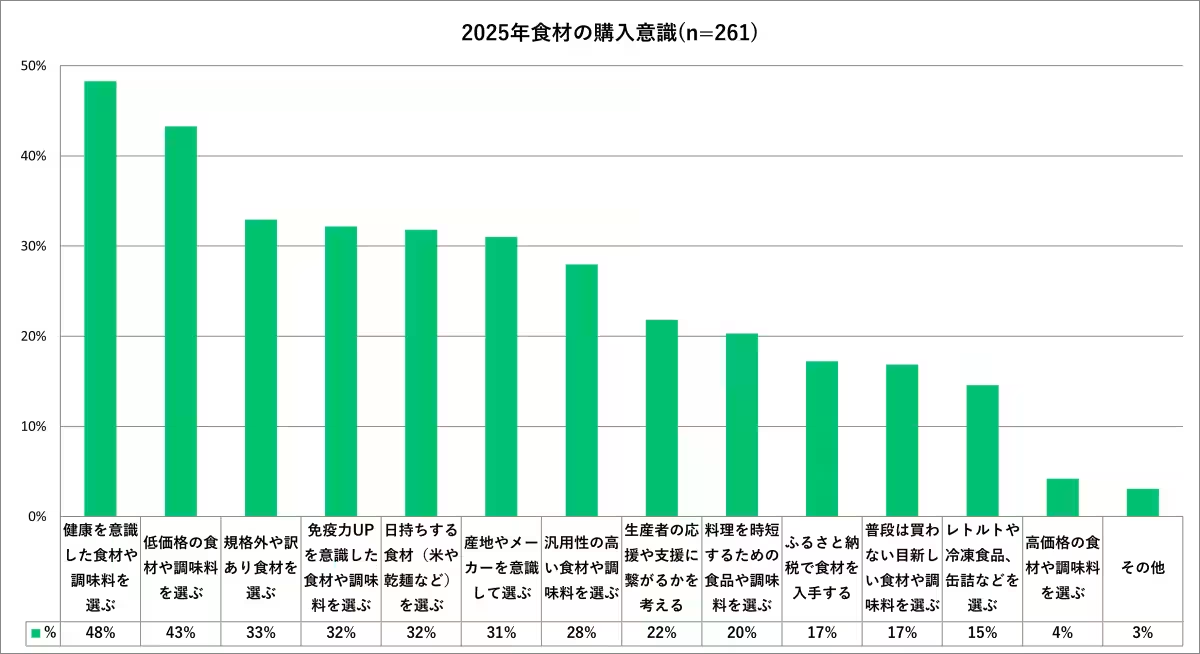
3. Health over Cost: Interestingly, when it came to purchasing decisions, 48% prioritized health-conscious ingredients over low-cost options (43%). This pointed to an emerging trend of aligning health values with financial constraints.
Waste Reduction as a Strategy
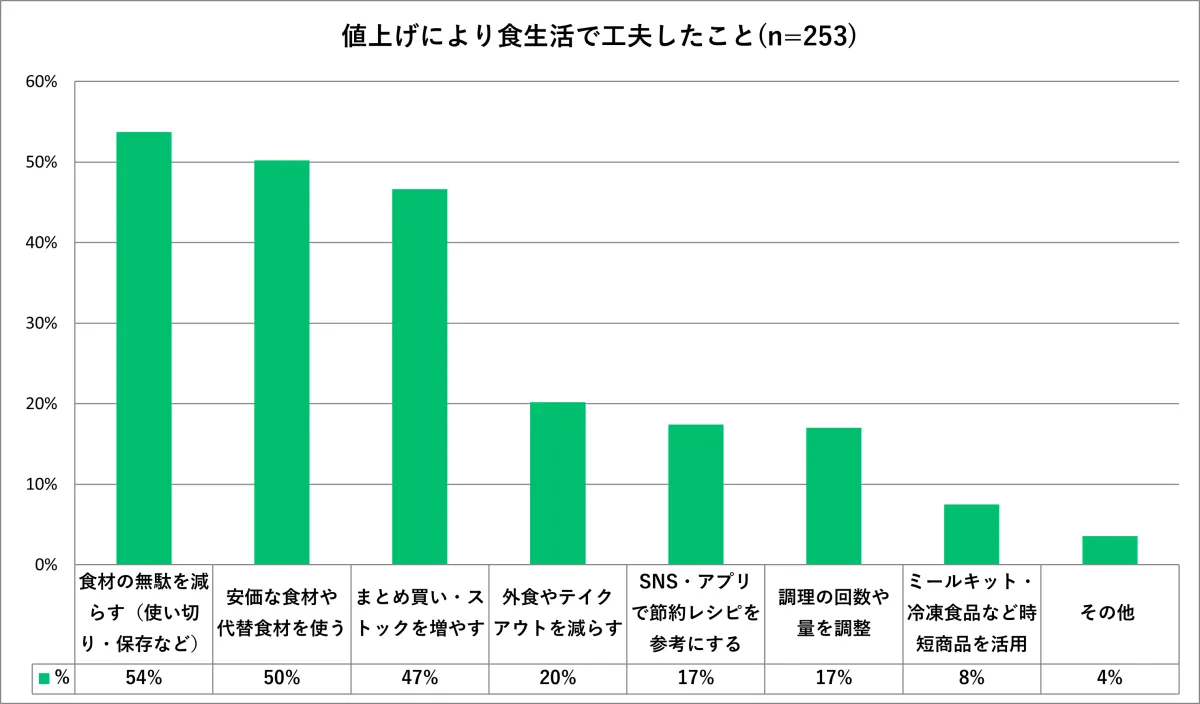
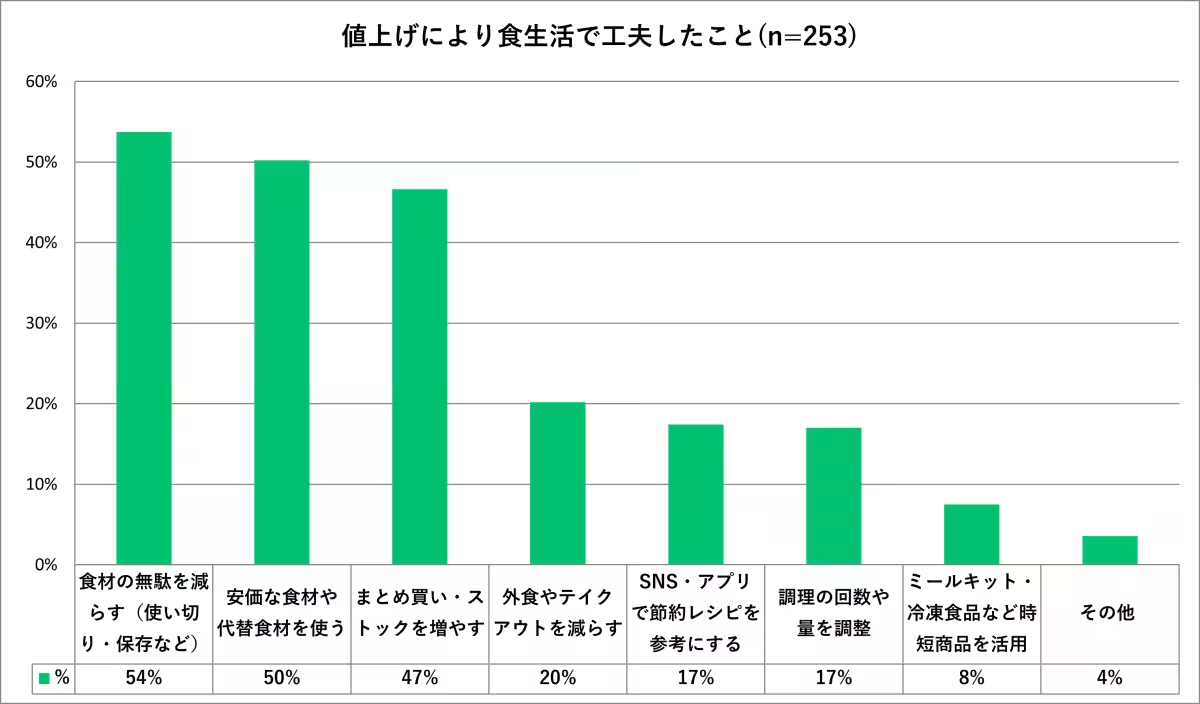
The survey revealed that a leading strategy for coping with price hikes was to minimize food waste, with 54% stating they focus on fully utilizing all purchased ingredients. This practical approach not only aids in budgeting but also champions sustainability, suggesting that Japanese consumers are increasingly aware of their ecological footprint.
Notably, only 20% opted for reductions in dining out or takeout—a decision indicating that maintaining quality in food experiences takes precedence over mere thrifty behavior. The findings reflect a culture that values culinary creativity, urging home cooks to experiment with preservation techniques and repurpose ingredients efficiently.
Key Trends for 2026
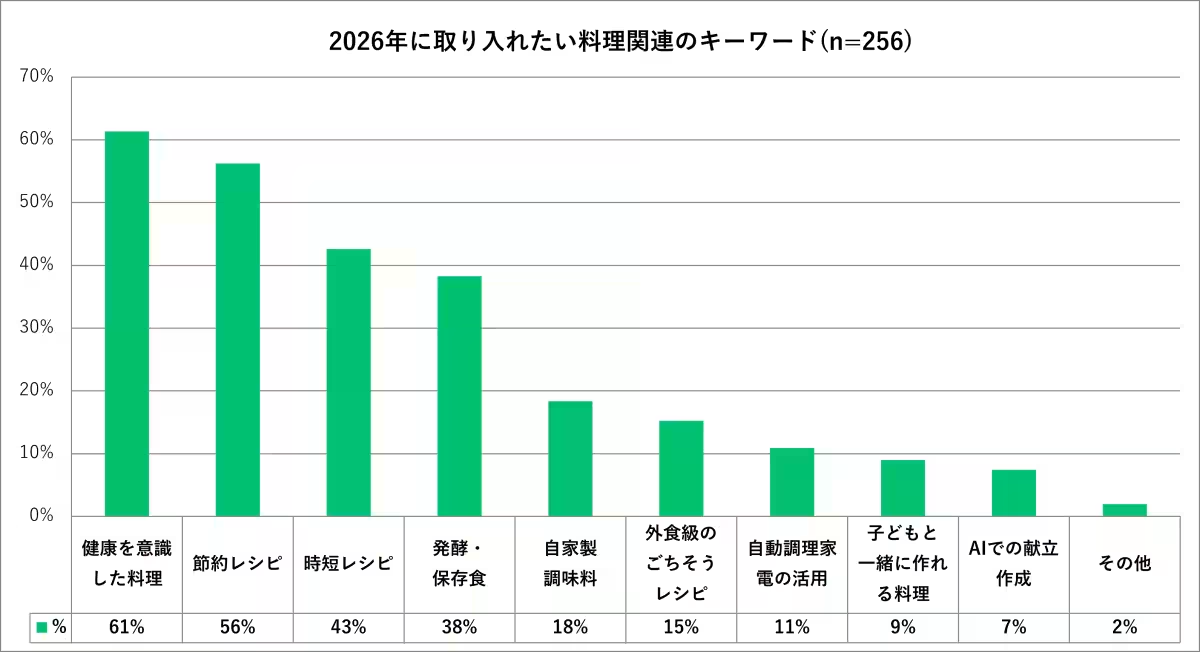
Looking ahead to 2026, respondents showed a keen interest in health-related topics, with 61% eager to incorporate more health-focused recipes into their cooking practices. The rising popularity of fermentation and preservation techniques (38%) signals a broader trend toward self-sufficiency in the kitchen.
This interest aligns with the 2026 keyword:


Topics Other)
【About Using Articles】
You can freely use the title and article content by linking to the page where the article is posted.
※ Images cannot be used.
【About Links】
Links are free to use.