



Exploring the Trend of Mental Wellbeing Among Generation Z: From Make-up to Mood-Boosting Items
Exploring the Shift in Generation Z's Emotional Wellbeing Habits
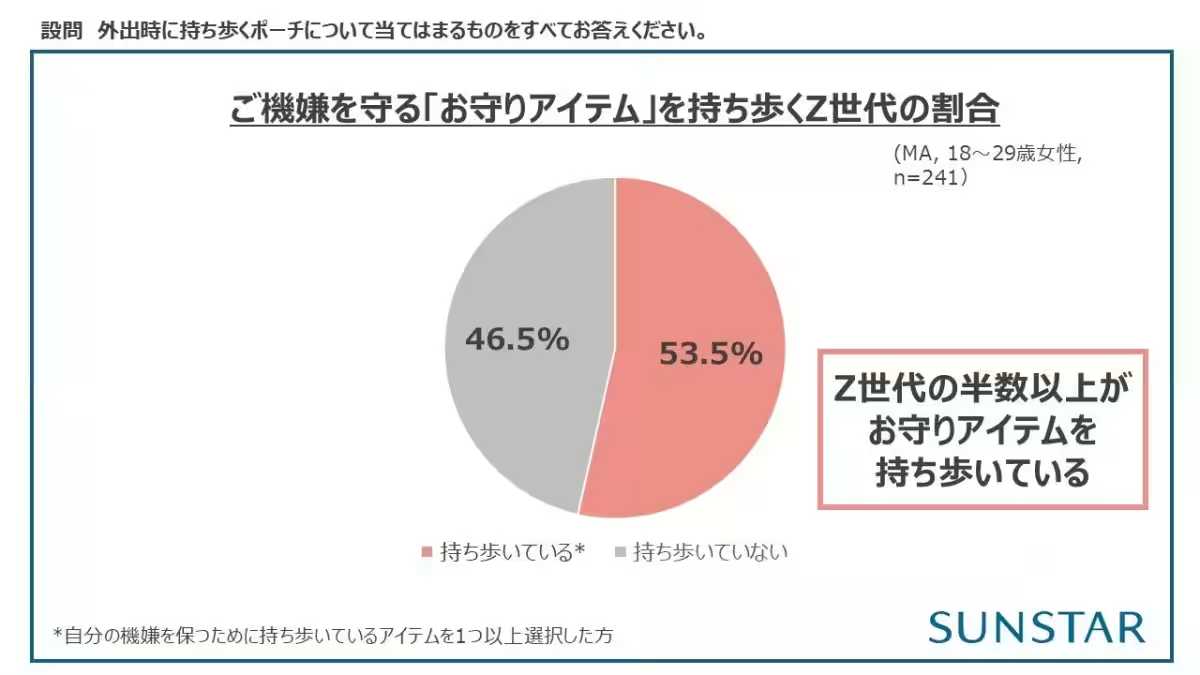
In today's fast-paced world, understanding the emotional landscape of Generation Z (ages 18-29) has become increasingly vital. A recent survey conducted by Sunstar Group reveals intriguing insights into how this demographic manages their mental wellbeing. With 53.5% of respondents confirming they carry mood-enhancing items when they are out, a cultural shift is evident—a move from traditional beauty-focused habits to practices that prioritize emotional self-care.
Survey Overview
The survey sampled 1,131 women aged 18 to 59 across Japan, shedding light on the habits and preferences of Generation Z. The findings reveal a striking preference for “mood-boosting” items over classic make-up products, indicating a significant shift in values.
Key Findings:
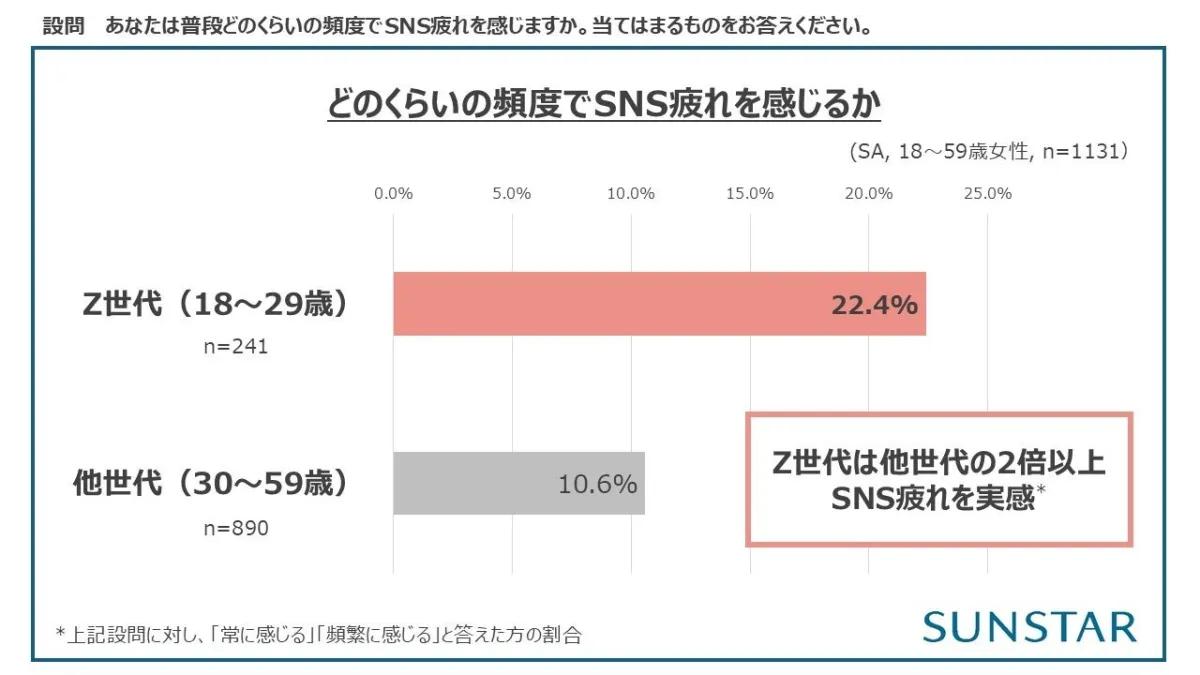
1. Social Media Fatigue: 22.4% of Generation Z reported experiencing social media fatigue, significantly higher than other generations, highlighting the unique pressures they face in the digital age.
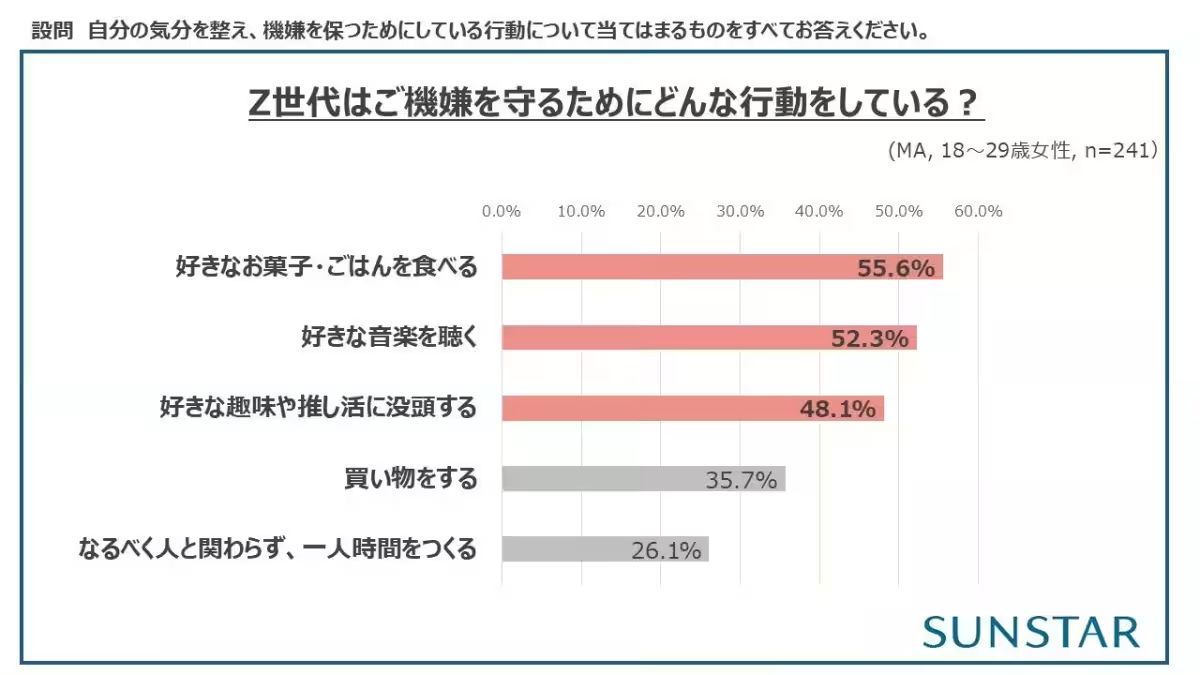
2. Mood Preservation Activities: When asked about their strategies for maintaining a positive mood, the top three activities included:
- Eating enjoyable food (55.6%)
- Listening to music (52.3%)
- Engaging in hobbies or fandoms (48.1%)
3. The Importance of Mood Items: Over half of Generation Z (53.5%) carry personal items that help stabilize their mood, showcasing a new trend of emotional resilience.
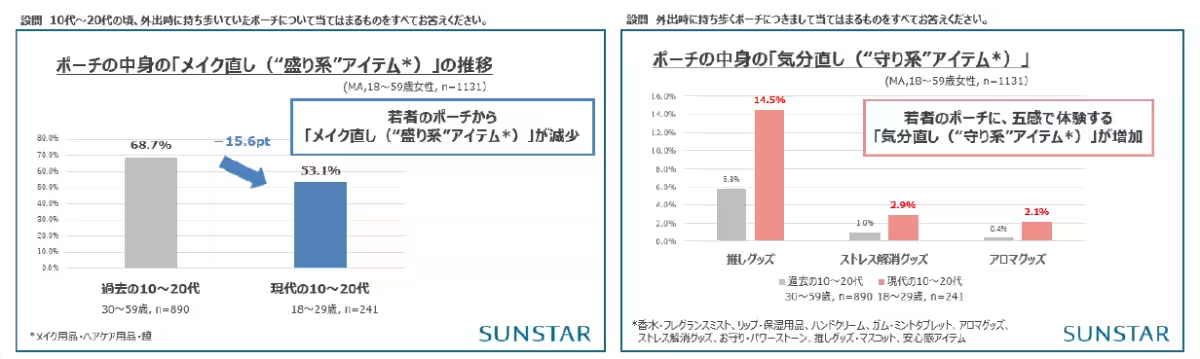
4. Changing Contents of Handbags: The survey indicated a notable decrease in traditional beauty products, with a drop of 15.6 points in ownership of make-up items, replaced by items focusing on sensory experiences like fragrances and relaxation tools.
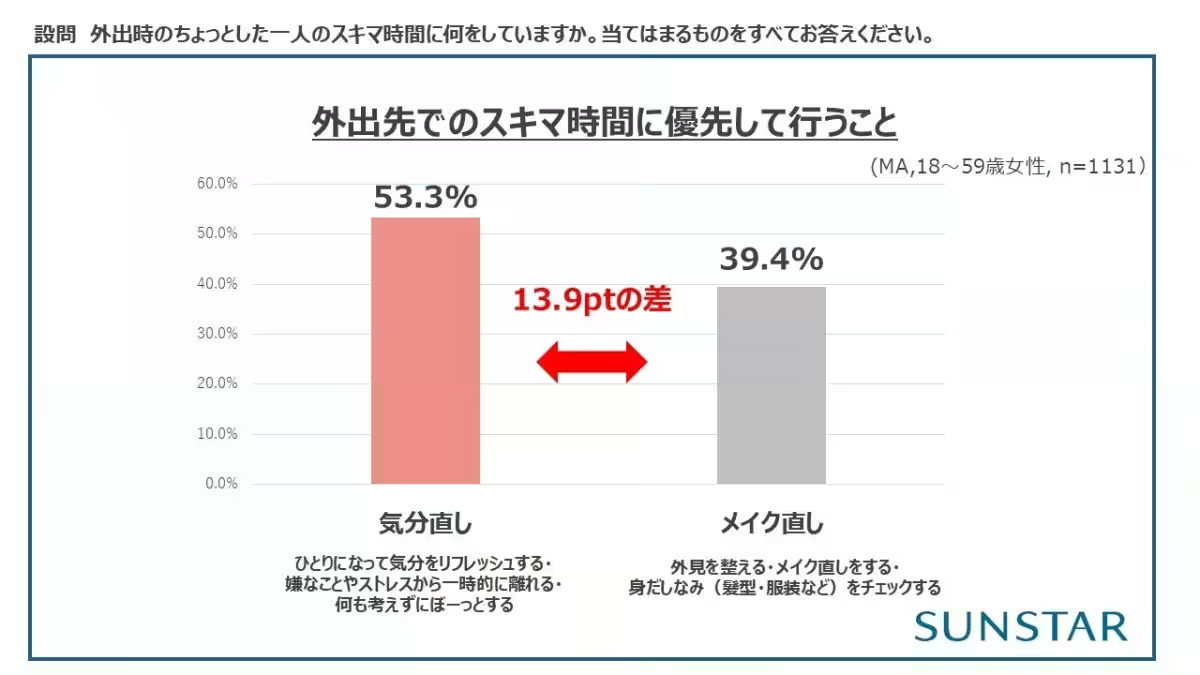
5. Priority on Inner Wellbeing: Participants overwhelmingly chose mood-enhancing activities (53.3%) over traditional beauty routines (39.4%) during idle times, illustrating a major shift in priorities.
Emotional Stressors Faced by Generation Z
Young people today face a unique array of pressures. In a time when every interaction is closely monitored through social media, they report feeling the need to curate their online presence continually. This has led to increased emotional strain, as they strive to maintain a
Topics People & Culture)
【About Using Articles】
You can freely use the title and article content by linking to the page where the article is posted.
※ Images cannot be used.
【About Links】
Links are free to use.