



Empowering Future Careers: Japanese Athletes Workshop Insights
Empowering Future Careers: Insights from the Athlete Career Empowerment Project
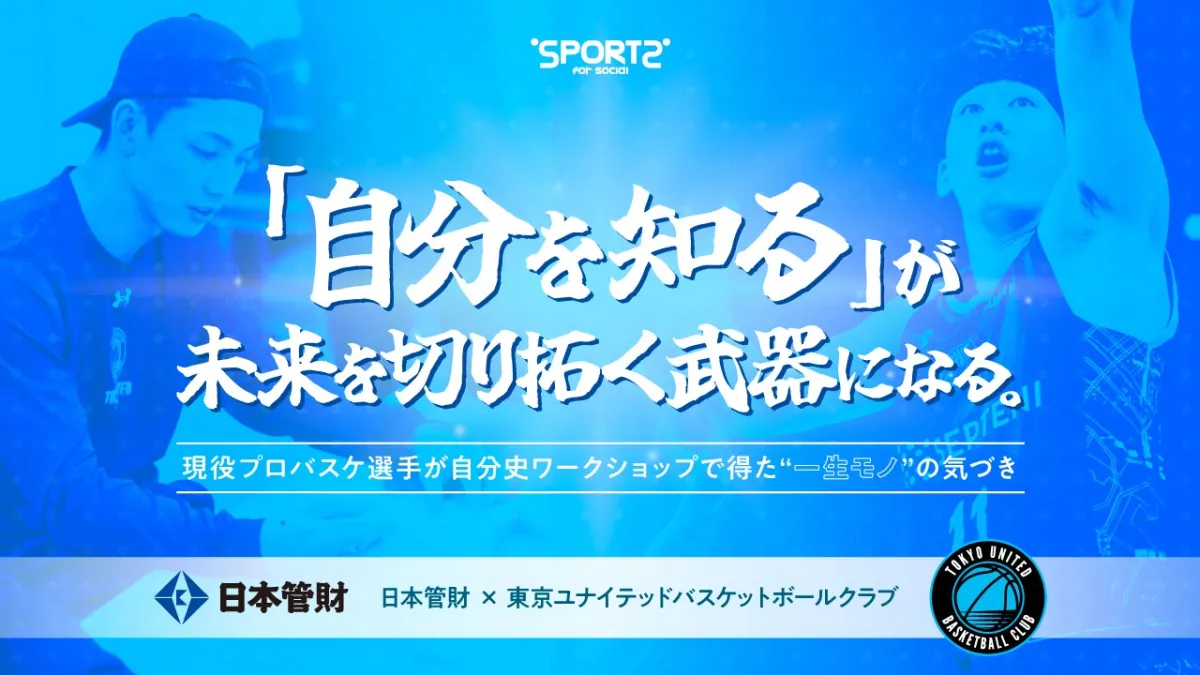
In February 2026, Japan Kanzai Corporation, a prominent company in building management, conducted a workshop aimed at professional basketball players from the Tokyo United Basketball Club (TUBC) as part of its Athlete Career Empowerment Project (ACE Project). Through this initiative, athletes explored personal and professional growth, focusing on skills applicable beyond their sporting careers.
Overview of the ACE Project
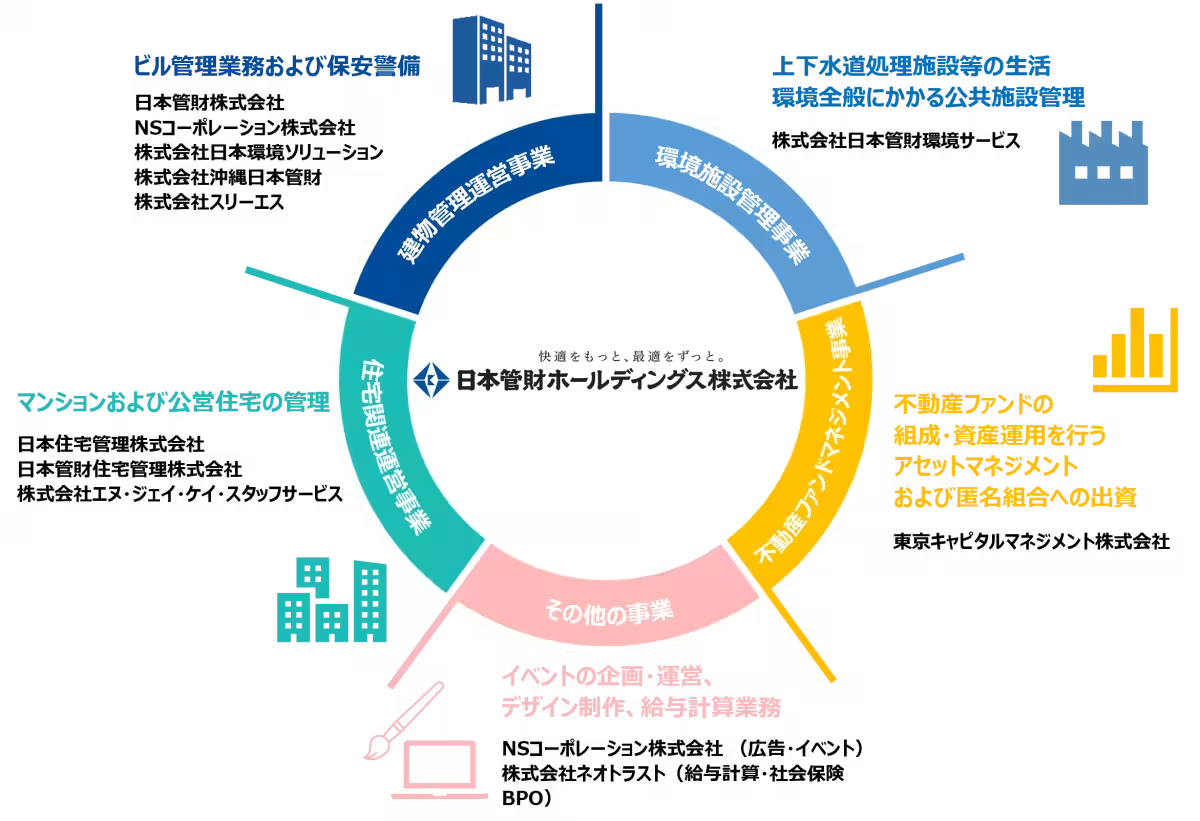
With a growing emphasis on community development through sports, many local governments in Japan are enhancing the use of sports facilities to promote regional engagement. Japan Kanzai is committed to the sustainable management of these venues, including managing safety during major international sports events and marathons.
The ACE Project was born out of a desire to address the challenges athletes face in navigating their second careers after sports. Through interviews and discussions with athletes, Japan Kanzai aims to connect with sports professionals, increasing understanding and promoting quality career support services.
Workshop Experience: Reflecting on the Athlete’s Journey
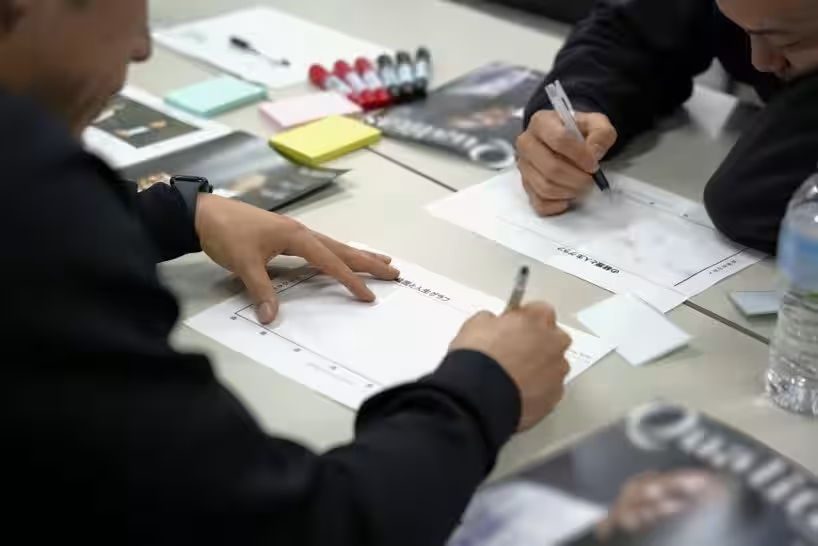
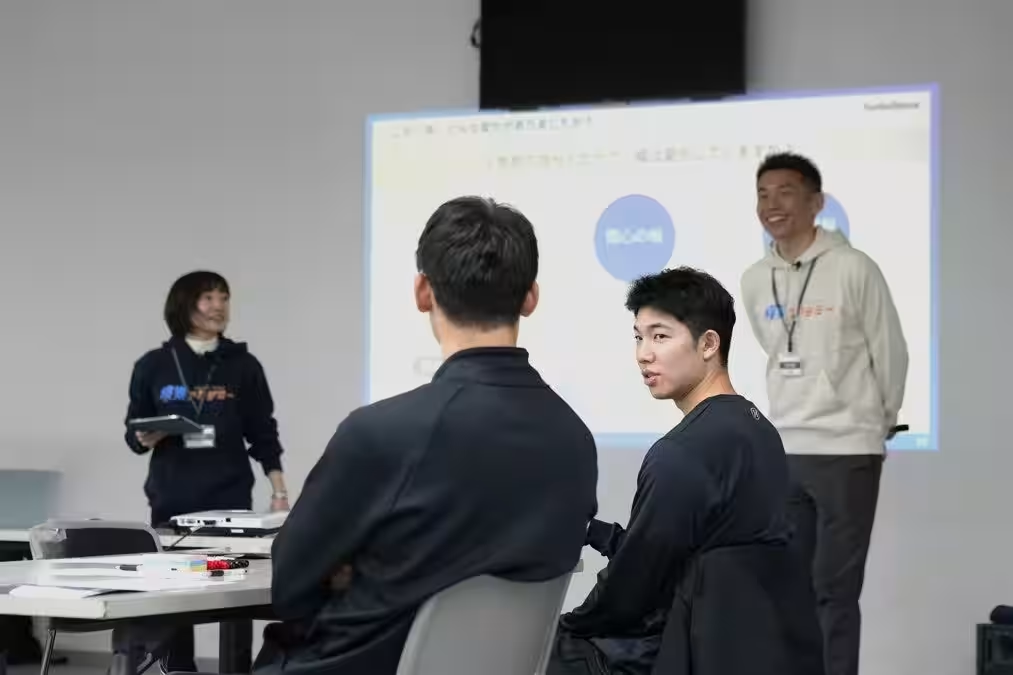
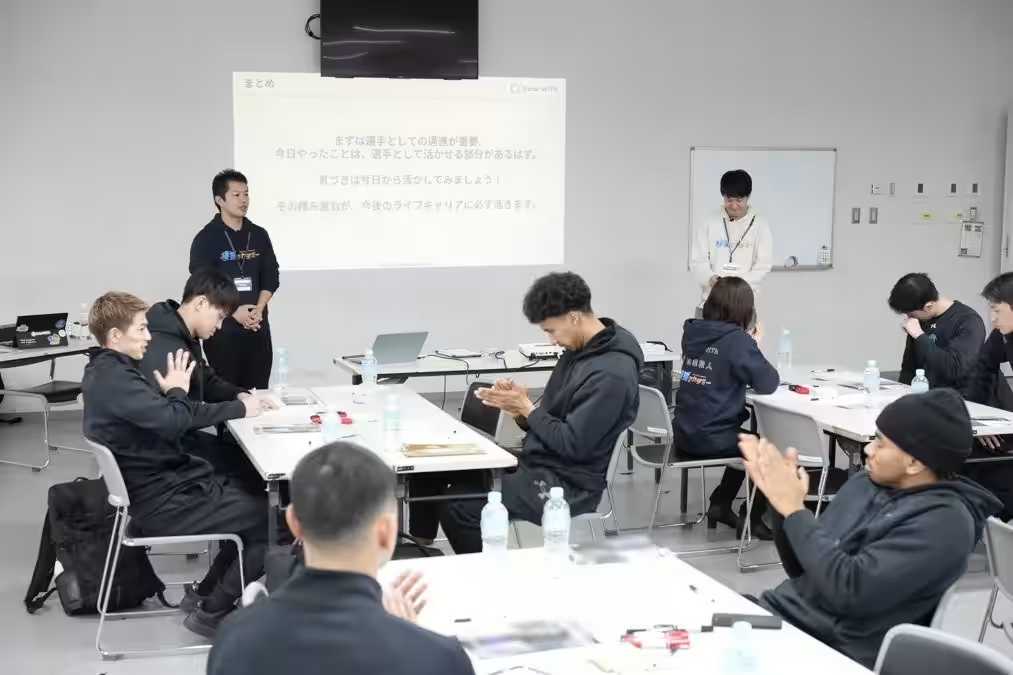
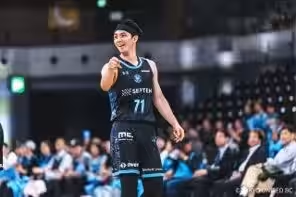
The ACE Project's workshop involved TUBC athletes reflecting on their journeys and identifying their strengths. On February 25, 2026, ten current players participated in this workshop, during which they visualized their personal experiences and ideated on converting those insights into business skills. The workshop also included interviews with three participants—Daisuke Taguchi, Shinnosuke Tokugawa, and Hiroki Higashi—who shared their reflections on their experiences and future goals.
Participants’ Perspectives
The Workshop's Impact
Taguchi expressed, “This workshop really helped me understand what I'm good at.” Tokugawa added that dedicating time to focus on their second careers was invaluable, emphasizing the importance of articulating their thoughts and sharing them with teammates.
The workshop was facilitated by Color WiTh, which guided participants on crafting their personal histories and integrating their strengths into a cohesive narrative. Mentors provided feedback, further sharpening the athletes’ understanding of their abilities.
Unearthing Personal Strengths
Hiroki shared his enlightening moment from the workshop, saying, “I realized I have the ability to do two things simultaneously,” which validated his own suspicions about his capabilities. Taguchi received praise from his peers for his unwavering determination, while Tokugawa discovered insights about his own insightful nature and cross-functional abilities.
Finding Value in Team Dynamics
The interaction among team members revealed deeper connections, with each player learning more about their teammates’ stories, struggles, and triumphs. They absorbed not only personal revelations but also gained new perspectives on their teammates’ strengths through shared experiences.
Tokyo United Basketball Club (TUBC) values community engagement, and players actively participate in various local initiatives, witnessing firsthand the impact of their efforts. Tokugawa recalls a past school visit that resulted in a young student achieving their dream of becoming a professional player, reinforcing the significance of their community involvement.
Looking Ahead to the Future
As the athletes ponder their second careers, they express a sense of optimism and changing perspectives. Tokugawa mentioned, “The options for second careers have widened significantly in the past decade,” indicating gradual shifts in traditional pathways following retirement from sports.
Each player's career aspirations reflect varied interests—Taguchi is pursuing coaching qualifications, while Higashi contemplates expanding his involvement in dining industry ventures after a stint as a salaryman before turning professional. They are encouraged by increased support from their club to engage in post-career planning while still active in their sport.
Preparing for the Next Chapter
The workshop has not only provided clarity on their individual strengths but also instilled the importance of understanding the requisite business skills needed for future opportunities. Each athlete recognizes the importance of skills such as project management and entrepreneurship, viewing them as essential to thriving beyond sports.
As they shared their insights on future endeavors, the emphasis on community-building and leadership ignited new aspirations. The TUBC players concluded that enhancing their ability to inspire and mobilize others is crucial, no matter their next step.
In summary, the Athlete Career Empowerment Project represents a significant initiative transforming the trajectories of Japanese athletes, enabling them to embrace their identities and prepare for flourishing future careers. By imparting valuable knowledge on self-awareness and business acumen, Japan Kanzai is paving the way for athletes to thrive well after their sports careers have ended.



Topics People & Culture)




【About Using Articles】
You can freely use the title and article content by linking to the page where the article is posted.
※ Images cannot be used.
【About Links】
Links are free to use.