



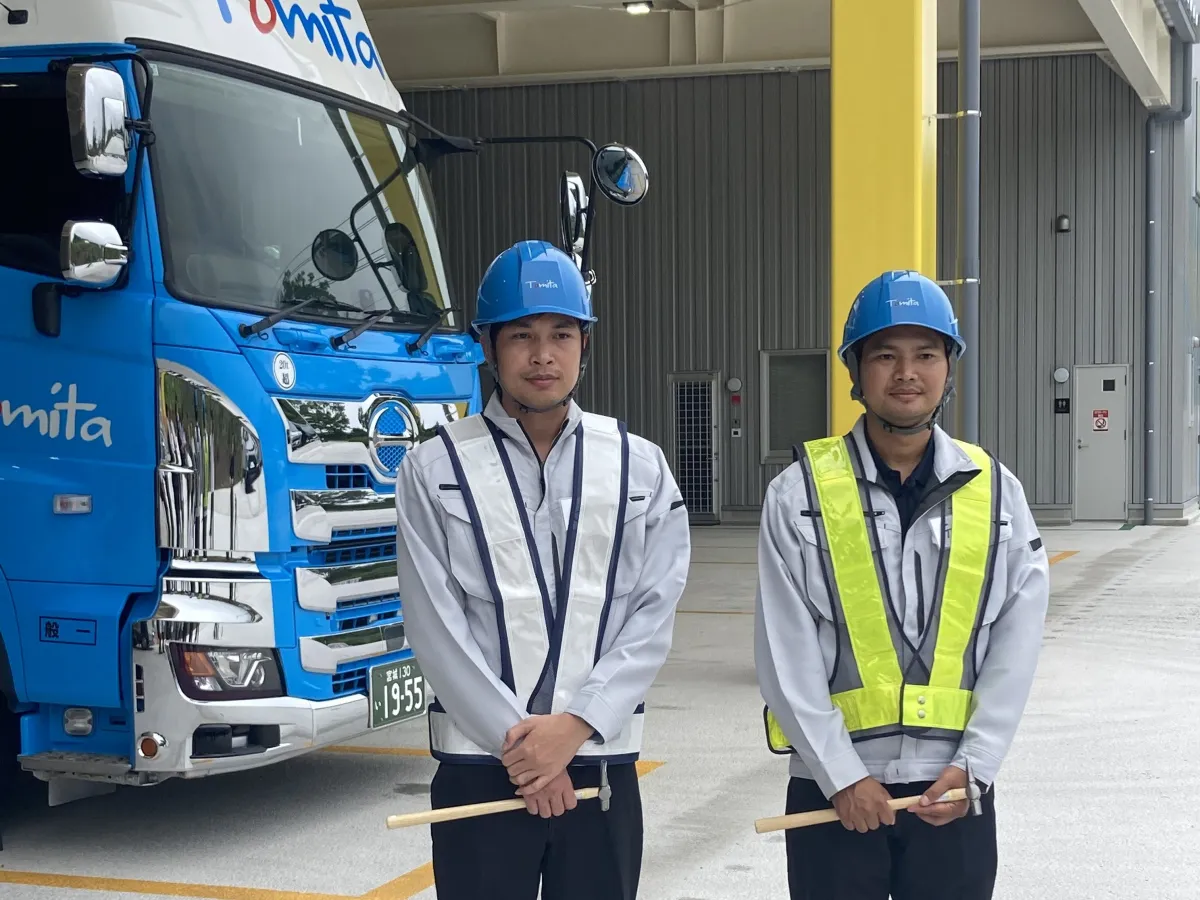
Efforts to Resolve Driver Shortage with Foreign Talent Integration at Tomita Transport
Addressing Driver Shortage Through Inclusive Employment
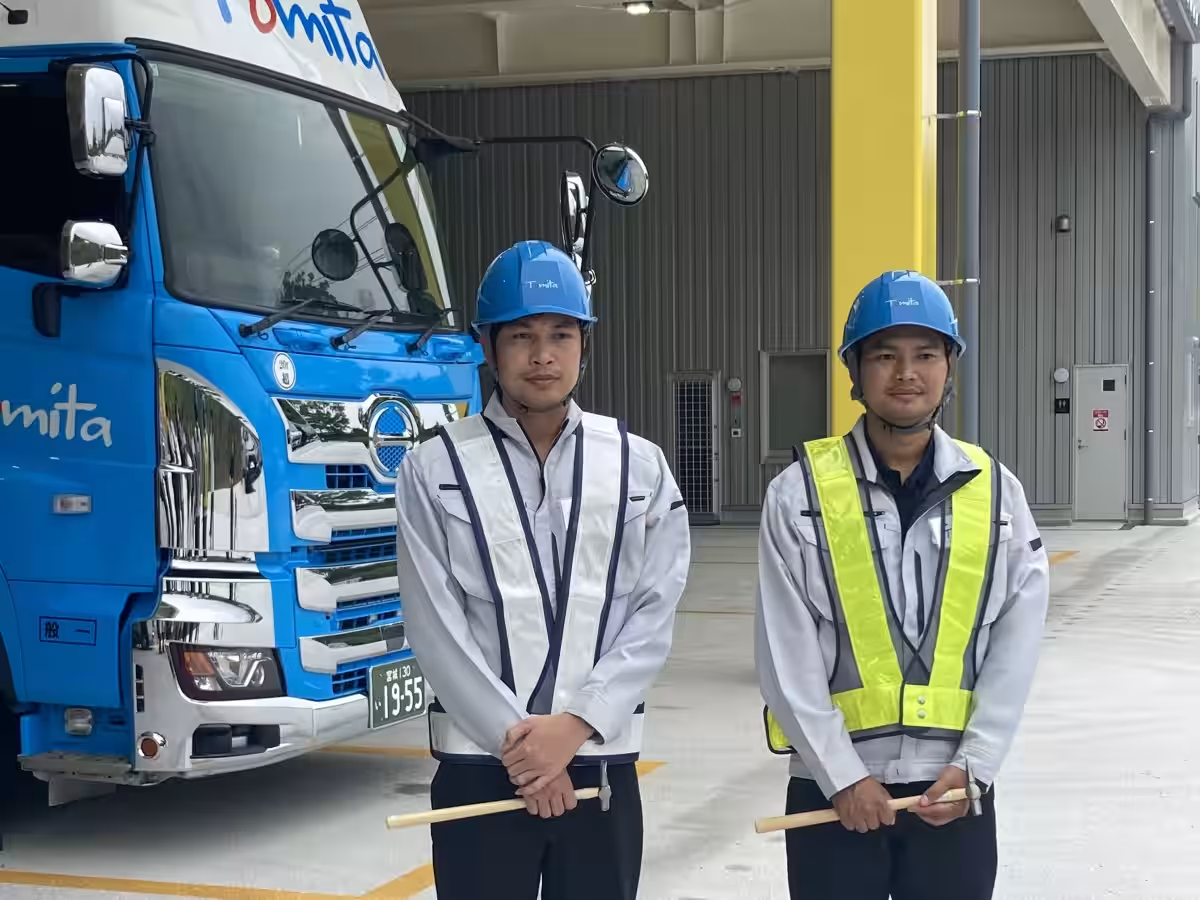
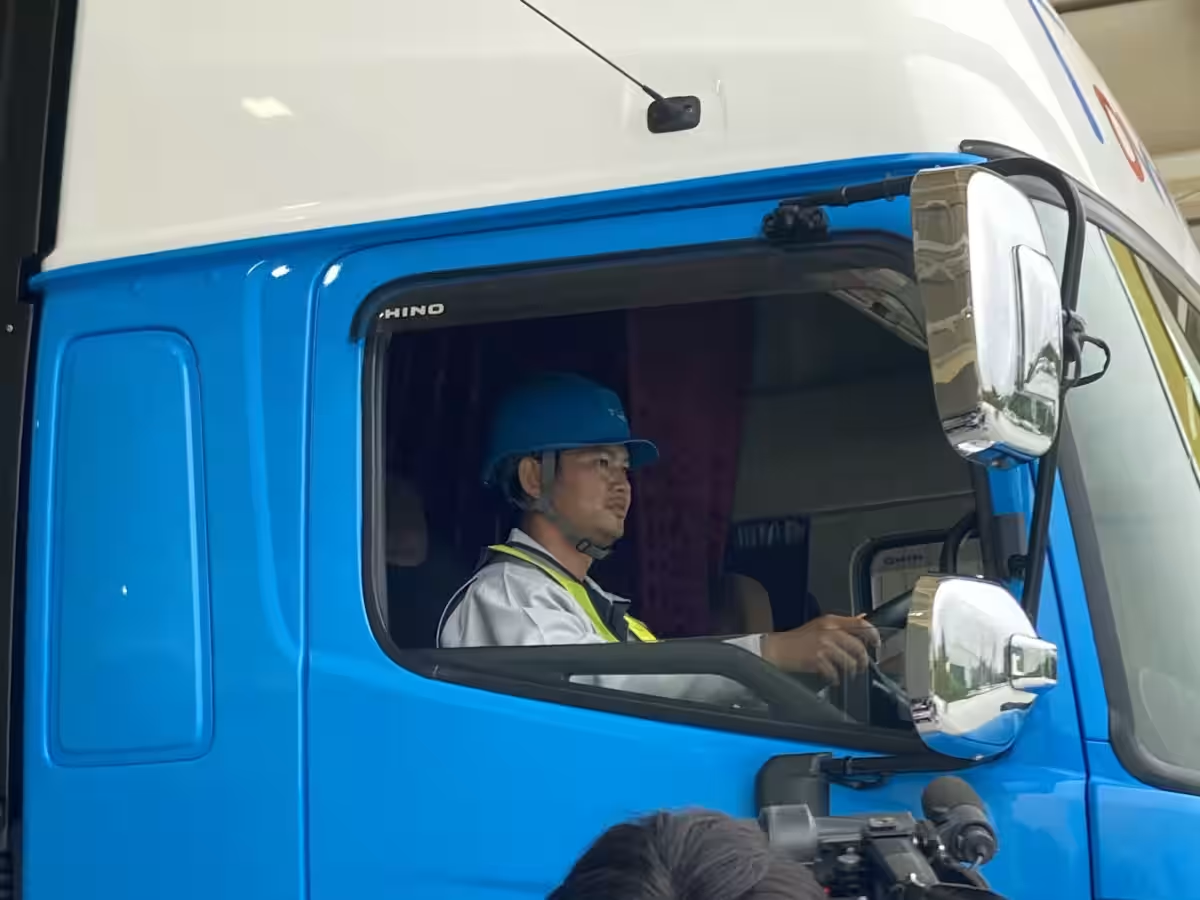
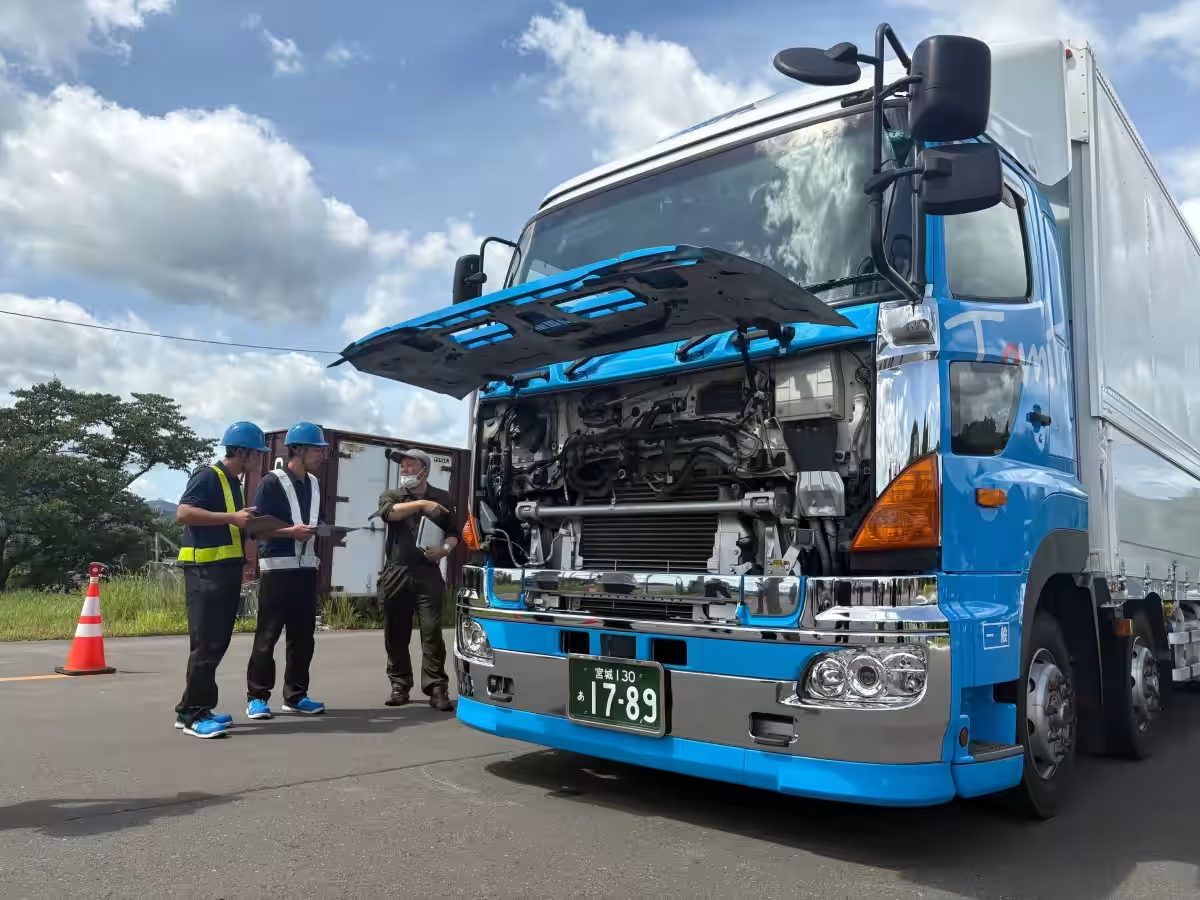
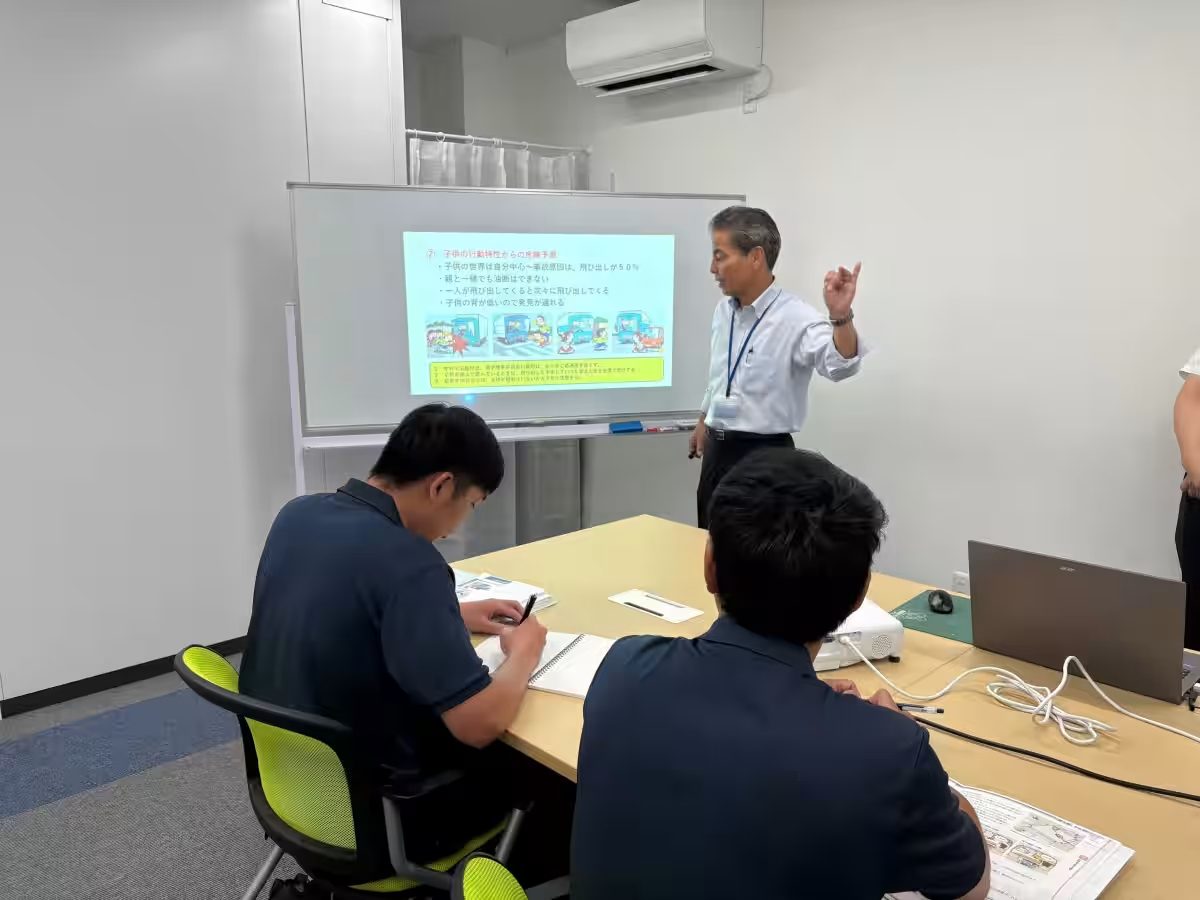
In a notable effort to tackle the pressing issue of driver shortages in Japan, Cam Global, a company specializing in comprehensive services for foreign employment, has successfully supported the recruitment of two Thai nationals at Tomita Transport. On August 4, 2025, these individuals began their journey as candidates for the specific skills visa, designated for truck drivers in the transportation sector. With plans to obtain their large vehicle licenses soon, they are poised to debut as truck drivers by the end of the year.
This marks the first time Tomita Transport has ventured into hiring foreign drivers, and it comes at a crucial time when the inclusion of truck and bus driving as an eligible sector for the specific skills type 1 visa was officially decided in March 2024. The decision came on the heels of the commencement of the specific skills valuation exam in December of the same year, positioning these hires among the earliest in the nation.
Increasing Demand for Foreign Drivers
The shortage of truck drivers in Japan cannot be overlooked. As the nation faces an aging workforce and regulatory restrictions limiting working hours—known as the 2024 logistics issue—there is growing concern about a significant drop in the availability of drivers in the near future. This situation is most pronounced among small and medium-sized transport companies, where the challenge of attracting young talent has become increasingly daunting. A notable trend is emerging: even if freight is available, companies struggle to find drivers to deliver it, presenting a considerable risk for businesses.
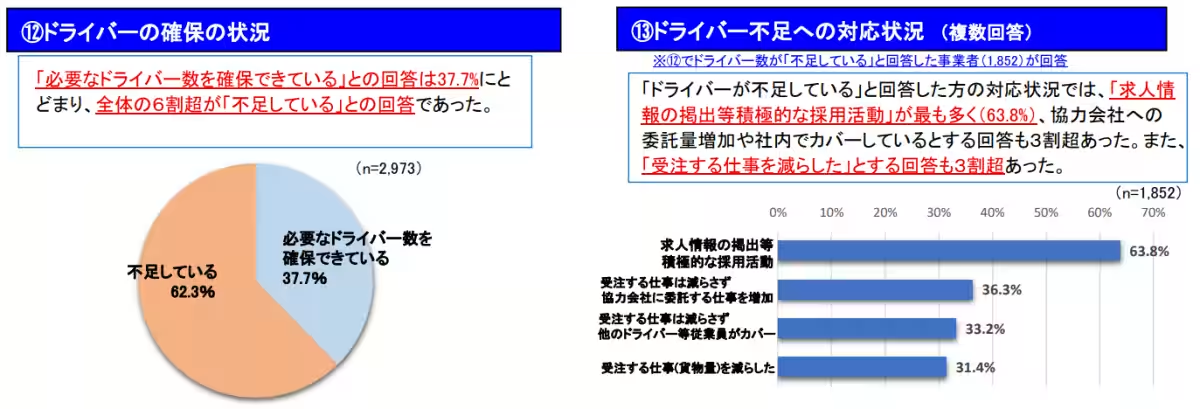
According to surveys, over 60% of trucking companies reported that they could not meet the necessary number of drivers. The most common response to this issue was the implementation of proactive hiring activities, such as posting job openings, with about 63.8% of companies confirming this approach. Others cited increasing reliance on subcontractors or reducing their order volume as alternative solutions.
To mitigate the driver shortage, the inclusion of the transportation sector in the specific skills type 1 visa was a pivotal decision, allowing foreign individuals to work as truck, bus, and taxi drivers. This prospect has generated tremendous hope among logistics companies.
Comprehensive Support from Cam Global
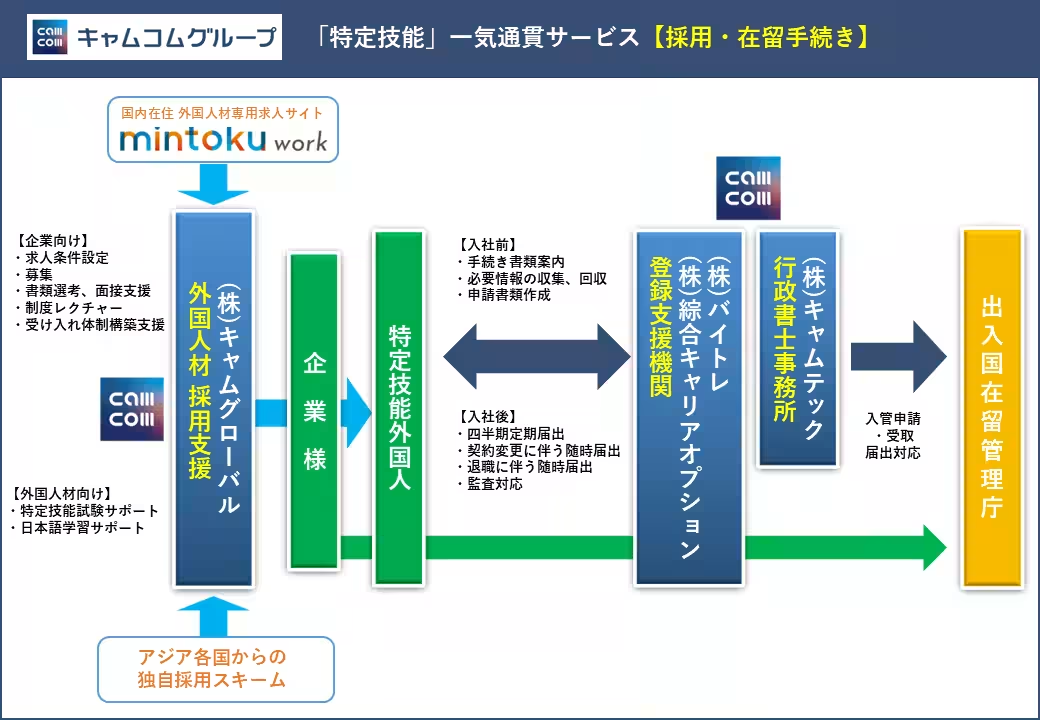
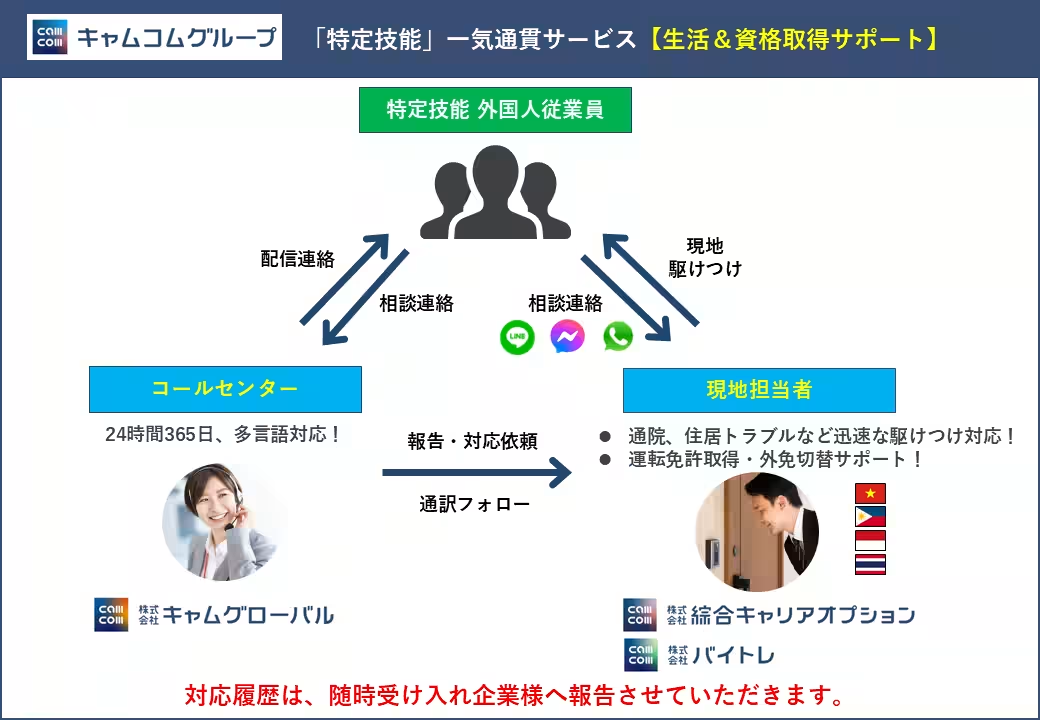
Cam Global stands at the forefront of addressing foreign employment needs, offering a holistic suite of services that help companies with everything from hiring foreign drivers to constructing welcoming environments. They have partnered with Sogo Career Option, an organization that has been providing staffing solutions to the logistics and manufacturing industries for over two decades. Together, they facilitate everything necessary—visa processing, obtaining driving licenses, and providing post-hire life support for internationally recruited drivers.
Meet the New Drivers
Tee Rapong Siripattaratone (33, from Thailand) has spent over three years working in manufacturing roles in Japan. He enjoys driving, having already obtained a standard Japanese driving license, and sees this new opportunity as a way to provide a stable life for his wife and family.
Nonthawat Suwannapon (32, from Thailand) developed an interest in Japan through its anime culture. Having spent three years in Japan as a trainee, he already has driving experience with forklifts and is eager to expand his horizons within the logistics sector, aiming for career growth.
Conclusion
The successful integration of foreign drivers at Tomita Transport highlights a significant step forward in addressing the pressing driver shortage in Japan’s logistics industry. This initiative, backed by a robust support system, not only enhances operational capacity but also sets a precedent for future foreign employment practices in the country.
For further inquiries regarding services and support, please reach out to Cam Global at [email protected].
This story has received coverage in various media outlets, highlighting the importance of addressing workforce challenges in the industry. For more details, check reports from KHB East Japan Broadcasting, Sendai Television, NHK Miyagi, and Miyagi Television.




Topics Consumer Products & Retail)
【About Using Articles】
You can freely use the title and article content by linking to the page where the article is posted.
※ Images cannot be used.
【About Links】
Links are free to use.