



New Animation Material Released for I’mPOSSIBLE Education Program in Japan
I’mPOSSIBLE: Breaking Barriers Through Education
The third installment of the animation material for the I’mPOSSIBLE educational program, endorsed by the International Paralympic Committee (IPC), has been launched in Japan. This new addition enhances the existing resources aimed at elementary and secondary school students, fostering deeper understanding of the Paralympics through the theme, "What is the Paralympics?"
Educational Focus on Inclusion
The I’mPOSSIBLE program emphasizes that the Paralympics is not just a sports event; it embodies a culmination of ideas that expand opportunities and possibilities for participation. The newly released animation resources facilitate an engaging learning experience for children, inviting them to explore themes of inclusivity and participation from a young age. The materials are available for free on the official I’mPOSSIBLE Japan website.
Animation as a Teaching Tool
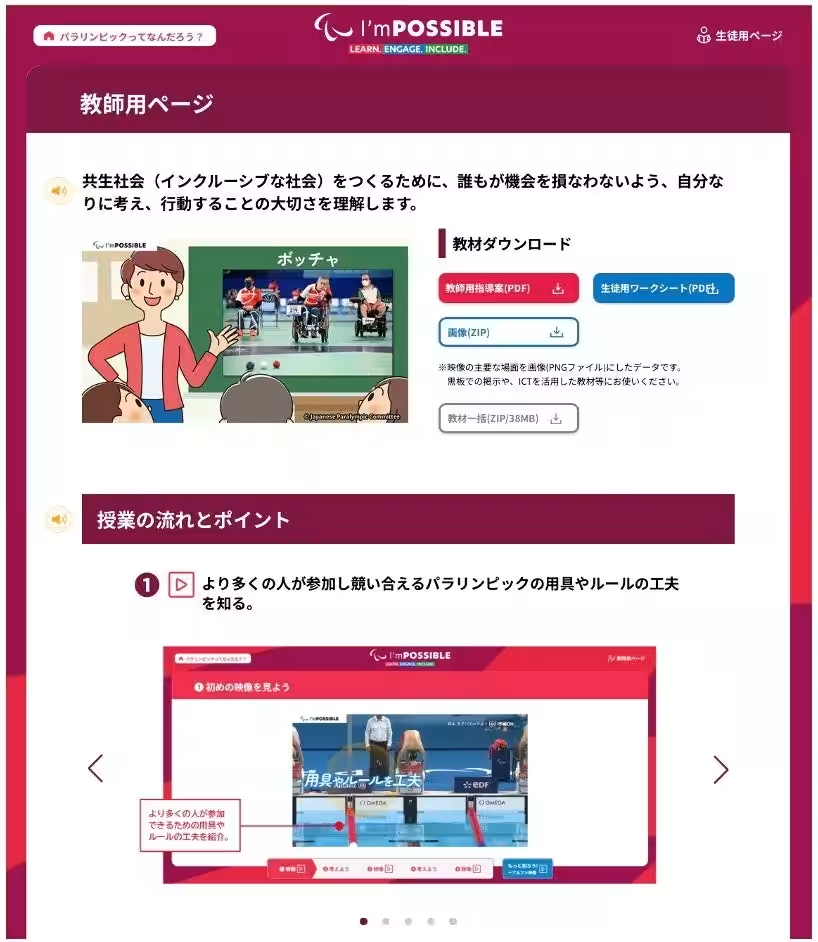
This animation series is designed to make lessons engaging and interactive. It guides students from introduction to conclusion with visually stimulating content. Lessons cover the fundamental ideals of the Paralympics and explore various ways in which everyone can participate, aiming to foster a society where no one is deprived of opportunity.
The core structure of the lesson allows students to reflect on how they can proactively contribute to an inclusive society by examining what participation looks like. Each segment encourages diverse answers and discussions among peers, promoting a collaborative learning environment.
Features of the New Resources
1. Dynamic Lesson Progression: Animation plays a central role in lesson delivery, capturing students’ attention and sparking diverse dialogue.
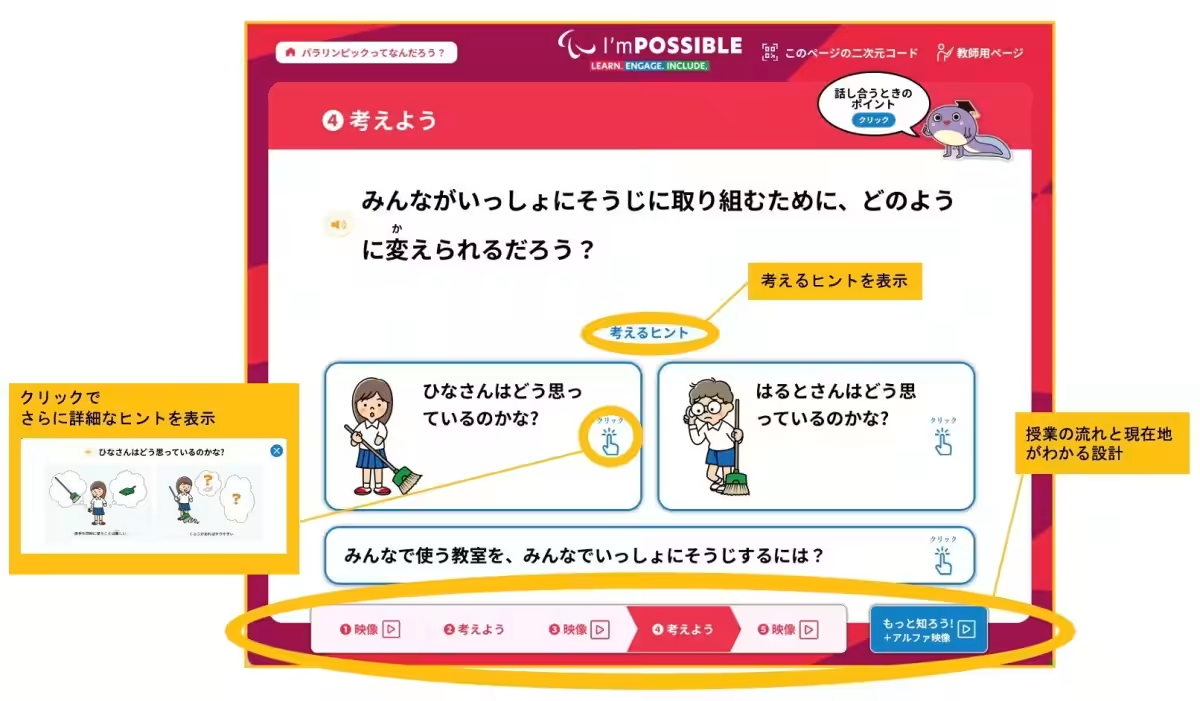
2. Promoting Independent Learning: The materials are designed with ICT integration to support learning that encourages students to notice, think critically, and take action.
3. Reduction of Teacher Burden: Comprehensive lesson plans and worksheets are included, easing the preparation workload for educators.
4. Versatile Application: The materials can be effectively utilized across various subjects, including integrated studies, moral education, and class activities.
5. Learning for Behavior Change: Students learn to respect differences and explore inclusive participation methods, leading to impactful behavior changes in everyday life.
Age-Specific Implementation
For Elementary Students
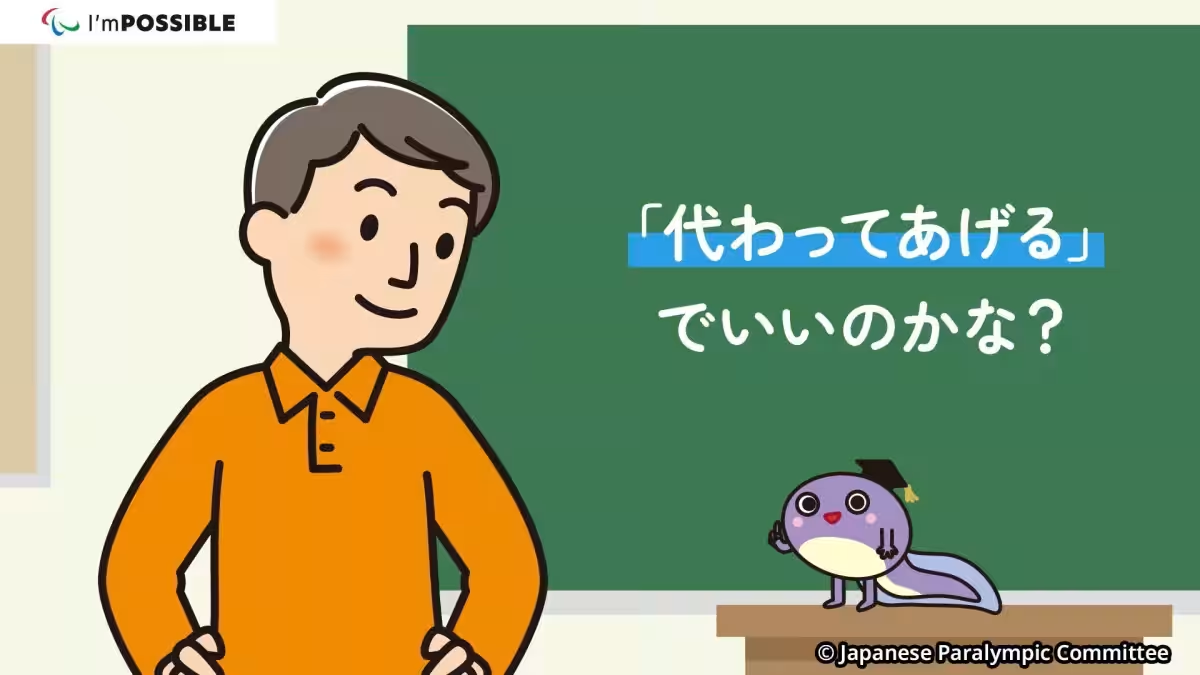
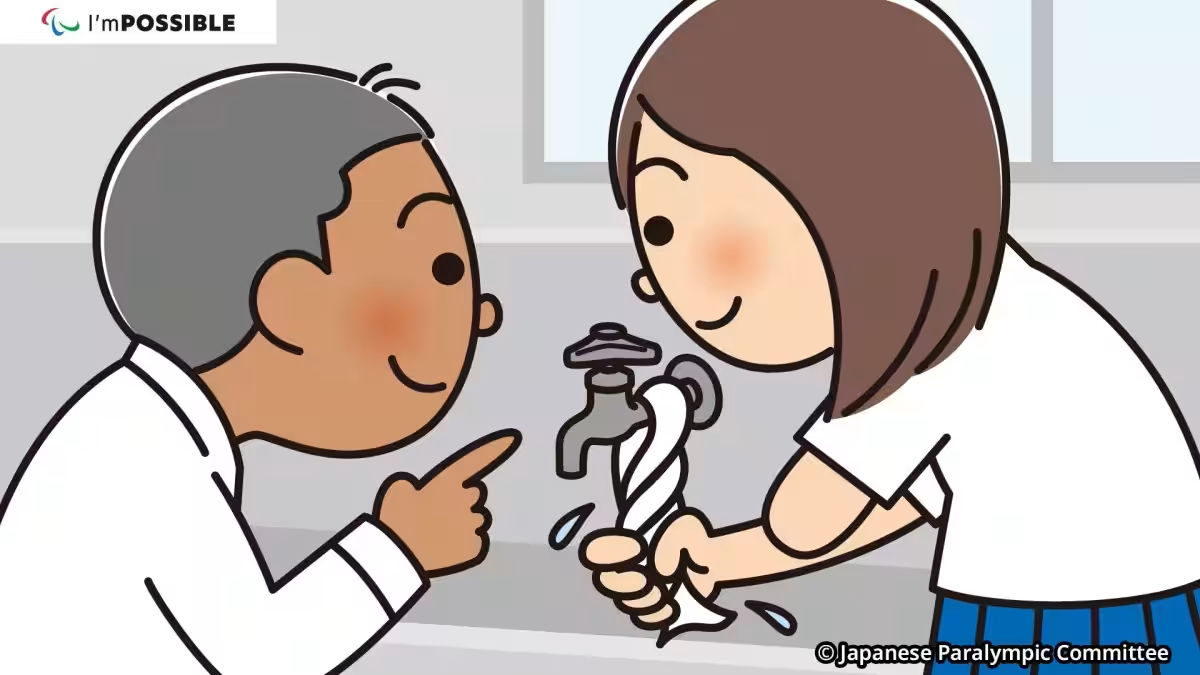
The elementary version focuses on the methods and rules that make Paralympic sports accessible to as many participants as possible. Activities like group discussions on sports such as boccia and blind football allow children to deliberate on ideas that promote inclusive participation. The lesson draws connections to their school life, using familiar scenarios like cleaning time to discuss collaboration and understanding among peers with different abilities. By encouraging reflection on themes such as cooperation, adaptability, and open communication, the material nurtures students' capacity to seek solutions for collective participation.
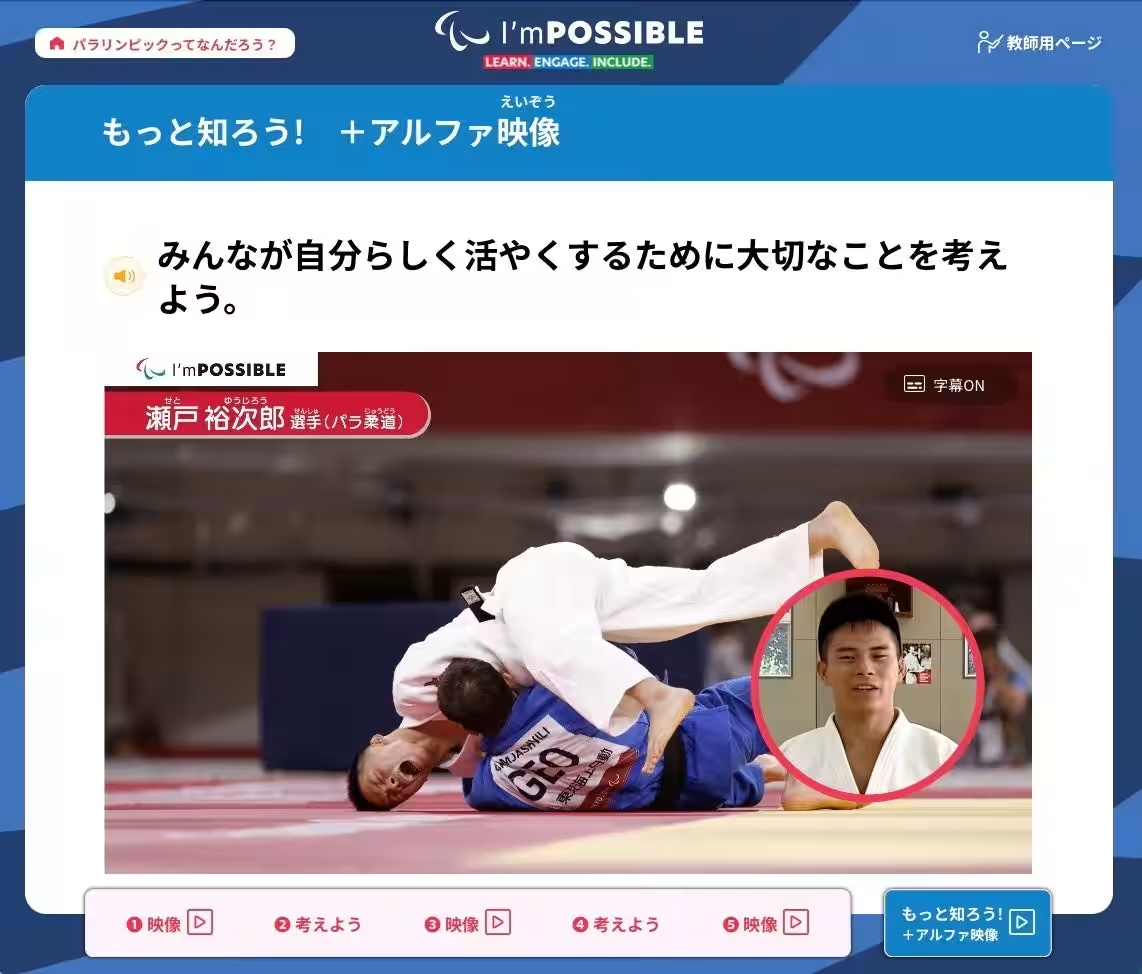
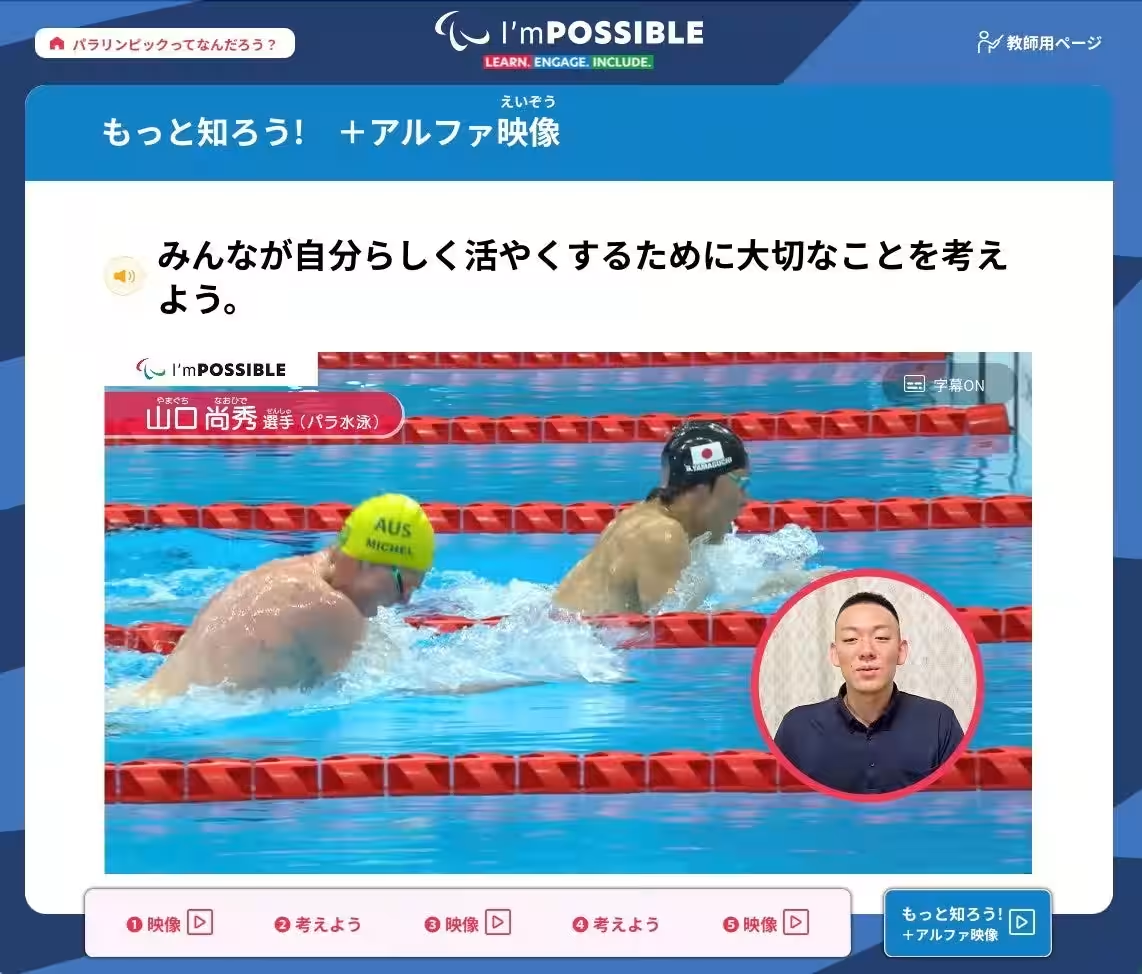
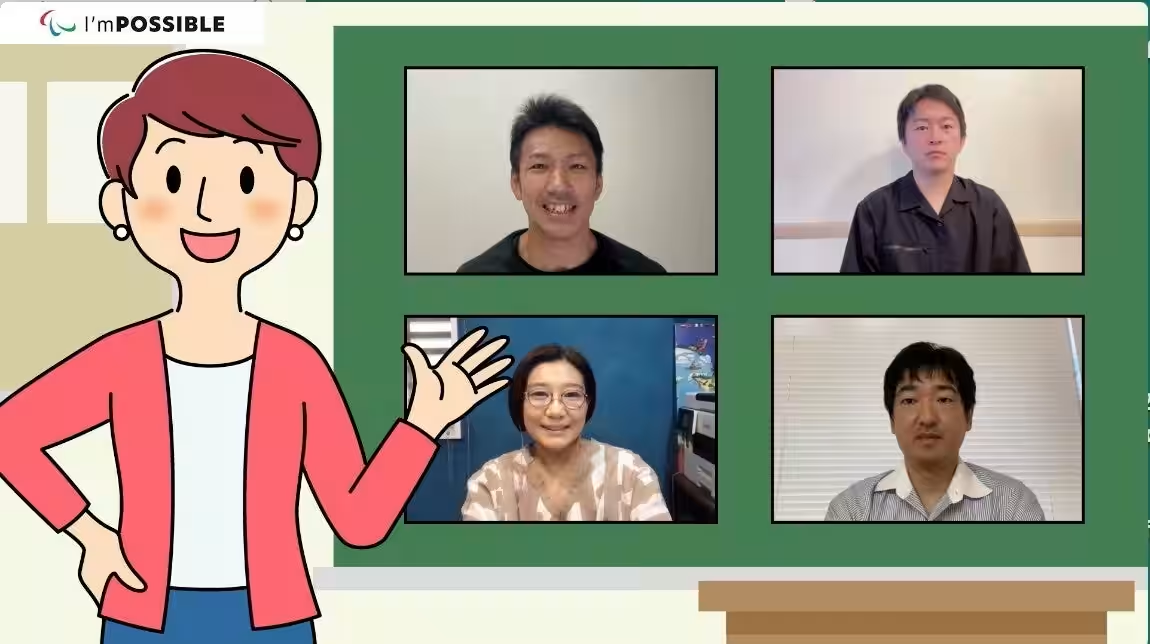
Featuring athletes like Naohide Yamaguchi, a gold medalist in swimming from the Tokyo 2020 Paralympics, and Yujiro Seto, a judo gold medalist from the Paris 2024 Paralympics, the materials include inspiring real-life examples that underline the potential of adaptive strategies.
For Middle and High School Students
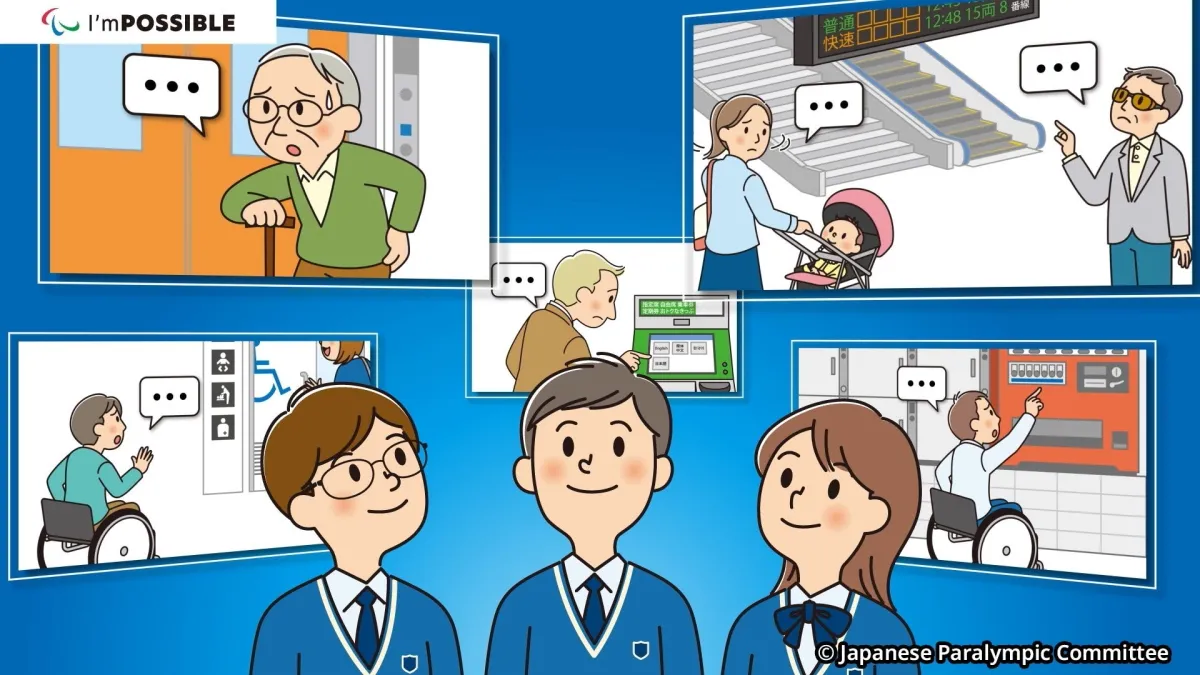
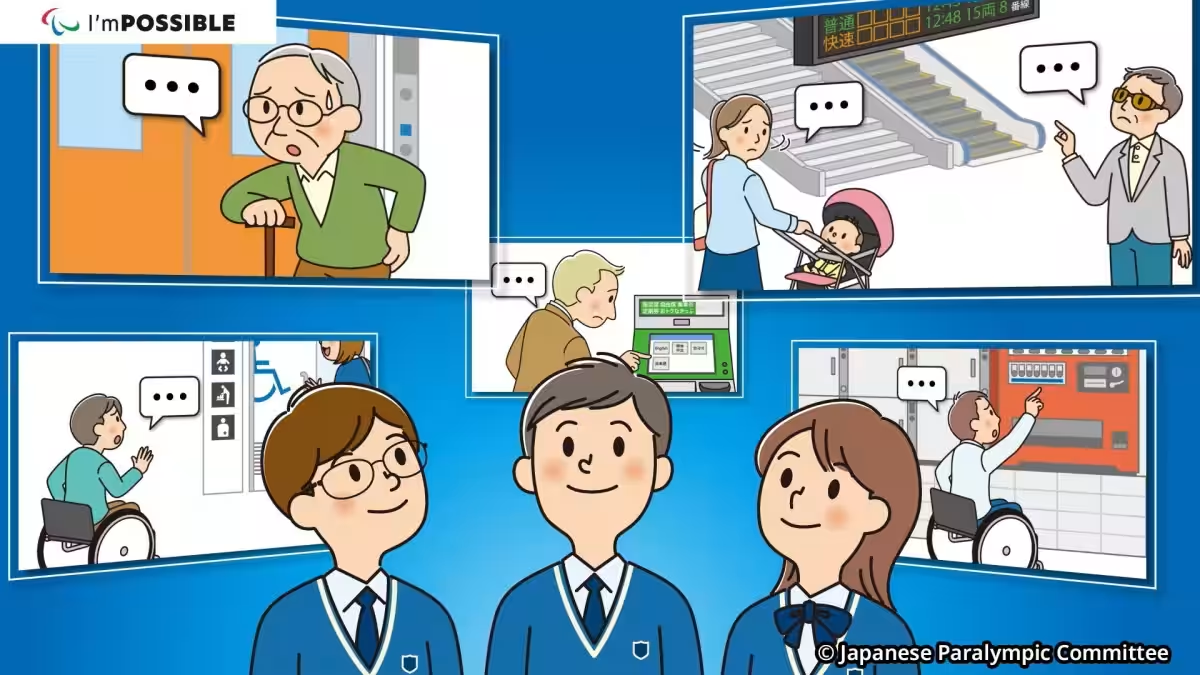
In contrast, the middle and high school versions delve deeper into the history and values of the Paralympics, inviting students to investigate what a society where no one is denied the chance to participate looks like. This version includes discussions about the innovations in equipment and rules that allow for participation and examines the importance of creating accessible environments. The focus extends to not just infrastructural adaptations, but also the need for empathetic communication with the community members who use these facilities.
Students are encouraged to think actively about their individual roles and how they can advocate for an inclusive society, inspired by interviews with diverse people involved with the Paralympics—from athletes to engineers and spokespeople, who share insights on creating a more inclusive world.
Promoting a Symbiotic Society
The I’mPOSSIBLE program plays a vital role in promoting a symbiotic society by encouraging creativity and innovative thinking among students, thus widening participation in sports and other areas of life for those with disabilities. This initiative aims to transform perceptions of the Paralympics from mere sports competitions into vibrant symbols of inclusive participation. Through engaging with the I’mPOSSIBLE educational materials, educators, and students alike can facilitate a culture of respect and understanding for diversity, ensuring that the next generation can contribute to a broader, more inclusive community.
Origin of the Name
The name I’mPOSSIBLE cleverly merges the word "Impossible" with an apostrophe to convey "I'm possible," symbolizing that with a little adjustment in mindset, what seems unachievable can become reality.
As part of its commitment to inclusivity, the program addresses various opinions regarding the term for disabilities, opting for the term that aligns with domestic legal standards while also recognizing the principles of the Convention on the Rights of Persons with Disabilities.
With the reach of the I’mPOSSIBLE program extending to over 40 countries and more than 210,000 downloads in Japan alone, it’s clear that fostering understanding through education about the Paralympic values and the importance of inclusivity is crucial for building a supportive society.
Topics People & Culture)
【About Using Articles】
You can freely use the title and article content by linking to the page where the article is posted.
※ Images cannot be used.
【About Links】
Links are free to use.