



How Companies Need to Change Decision-Making in the AI Era
Transforming Decision-Making in the Age of AI
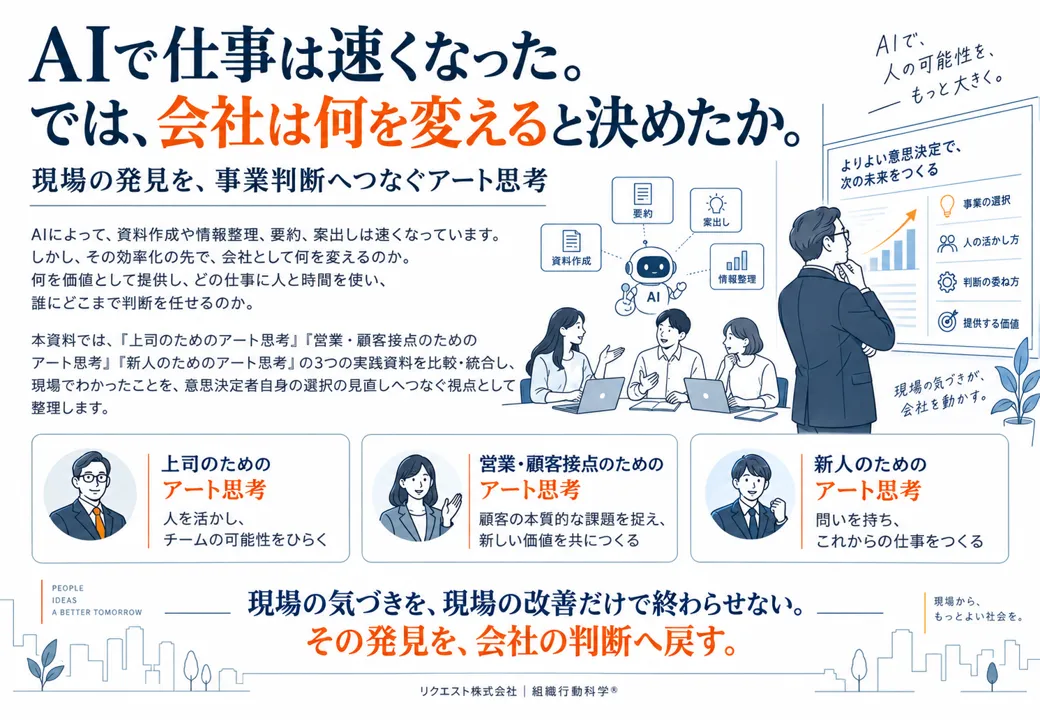
As the world of work rapidly evolves, organizations face the challenge of keeping pace with technology while also adapting their decision-making processes. There's no denying that Artificial Intelligence (AI) has dramatically accelerated various tasks, streamlining workflows and enhancing productivity. However, the question remains: how should companies shift their strategic decision-making in response to these changes?
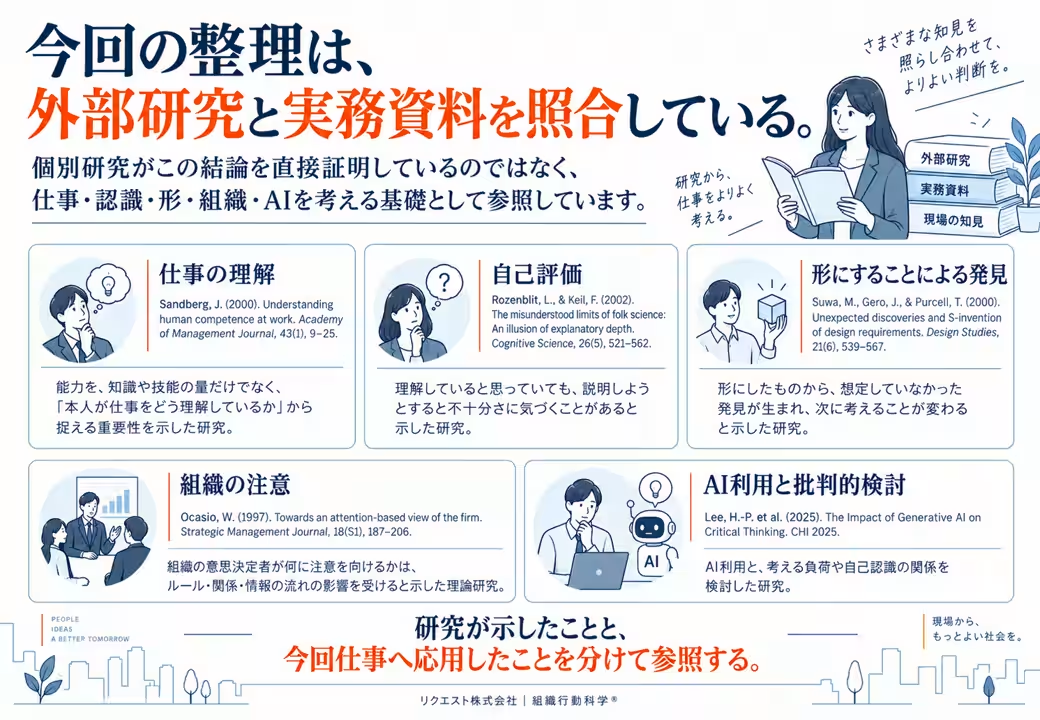
This article delves into the findings of a comprehensive report released by Request Co., Ltd., a Tokyo-based organization dedicated to organizational behavior science. Encompassing insights drawn from a database of 980 companies and a workforce totaling 338,000 people, the report examines the relationship between AI-driven efficiency gains and the subsequent necessary transformations in corporate decision-making.
The Role of Art Thinking in Strategic Choices
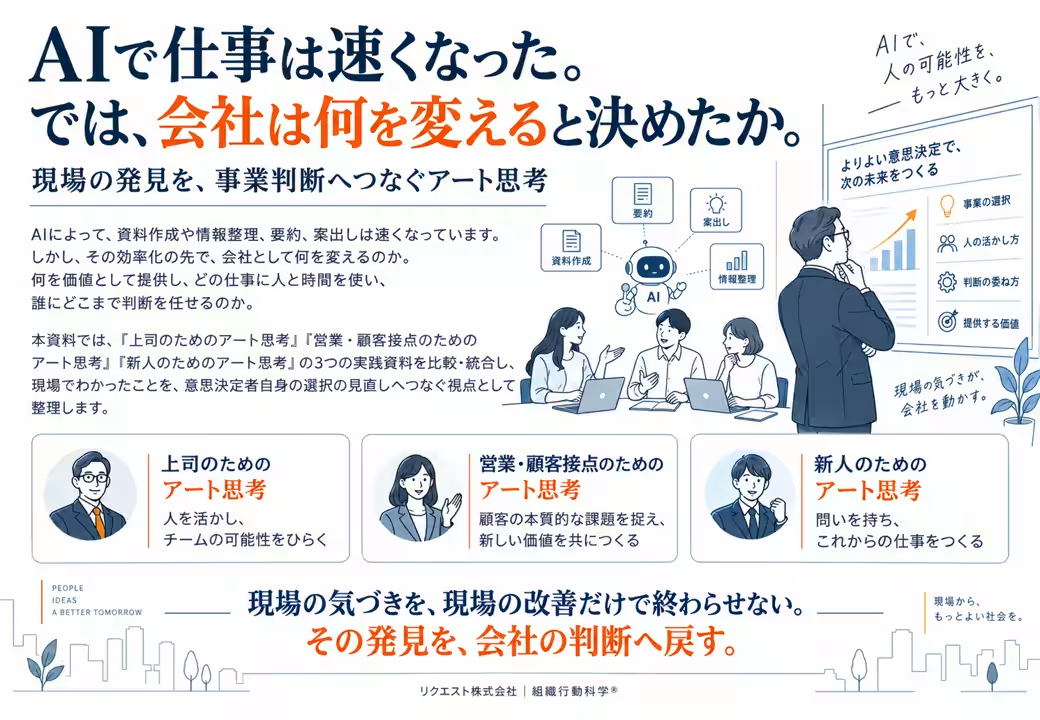
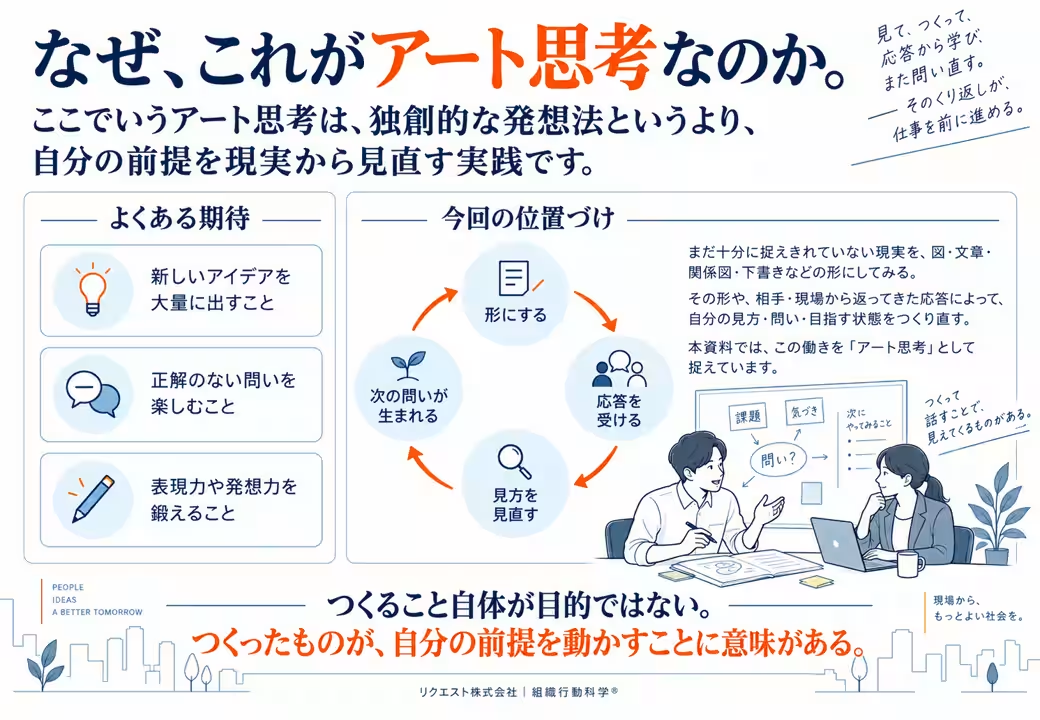
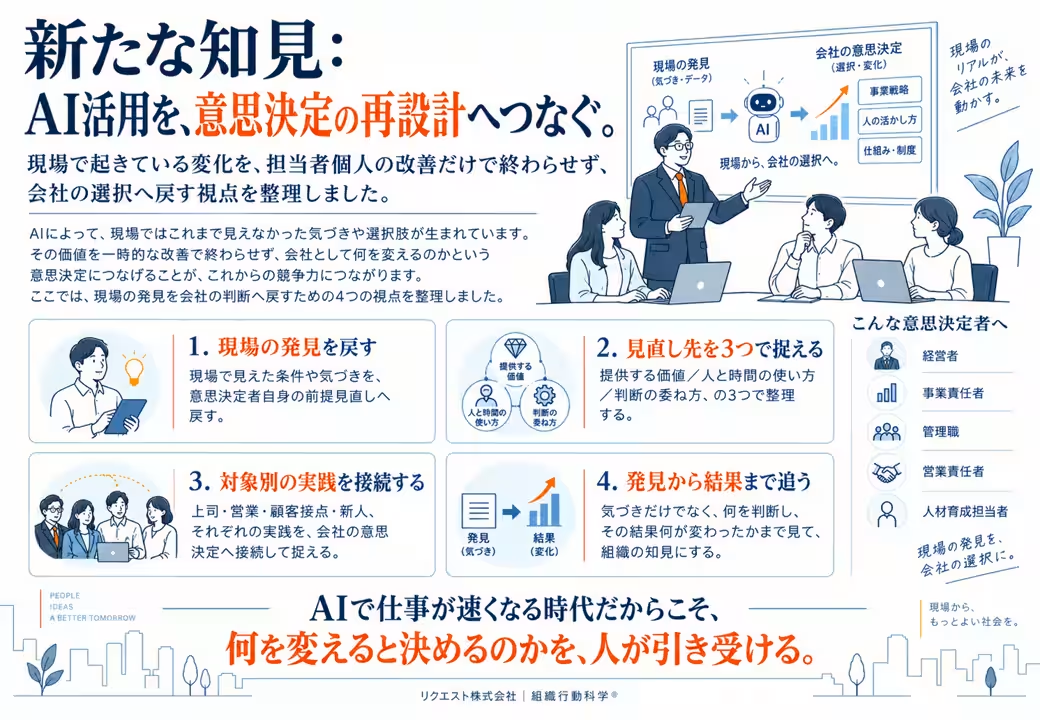
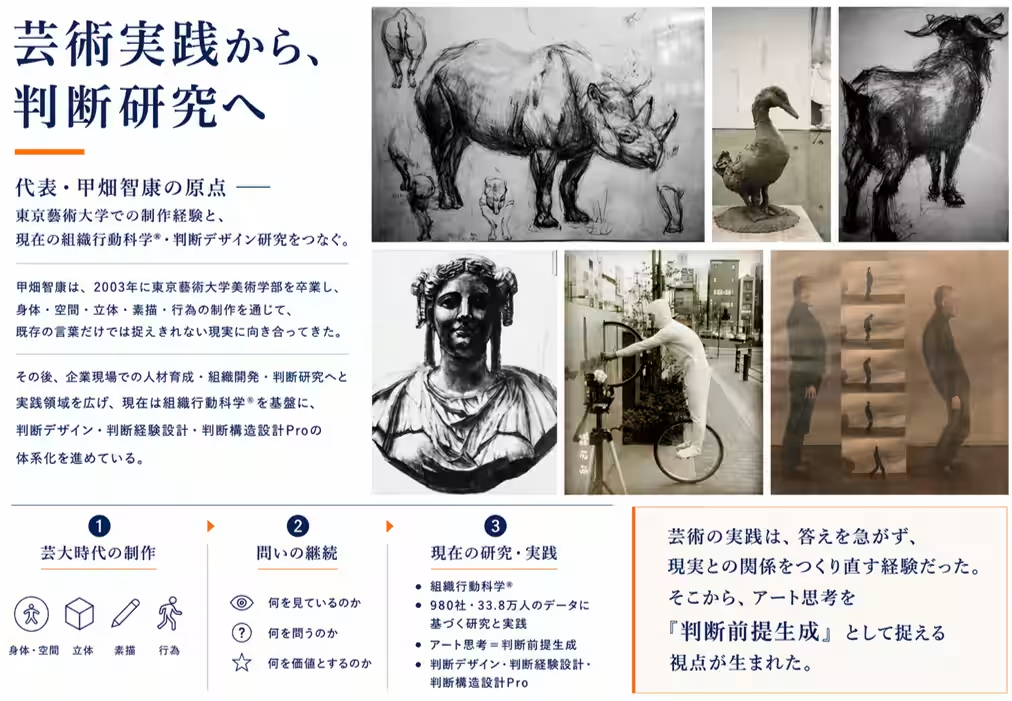
To facilitate this transition, the report introduces the concept of "Art Thinking." This approach unifies insights from various sectors, including management practices for supervisors, sales strategies targeting customer interactions, and onboarding methodologies for new employees. By merging these diverse perspectives, Request Co., Ltd. aims to clarify how organizations should rethink their decisions in light of new information revealed through the use of AI.
As employees become more aware of the nuances in their roles—such as unexpected client reactions or discrepancies in task expectations—the potential for differing insights and knowledge grows. However, unless these observations lead to concrete changes at the decision-making level, they remain mere insights without real impact.
Bridging the Gap Between Discovery and Decision
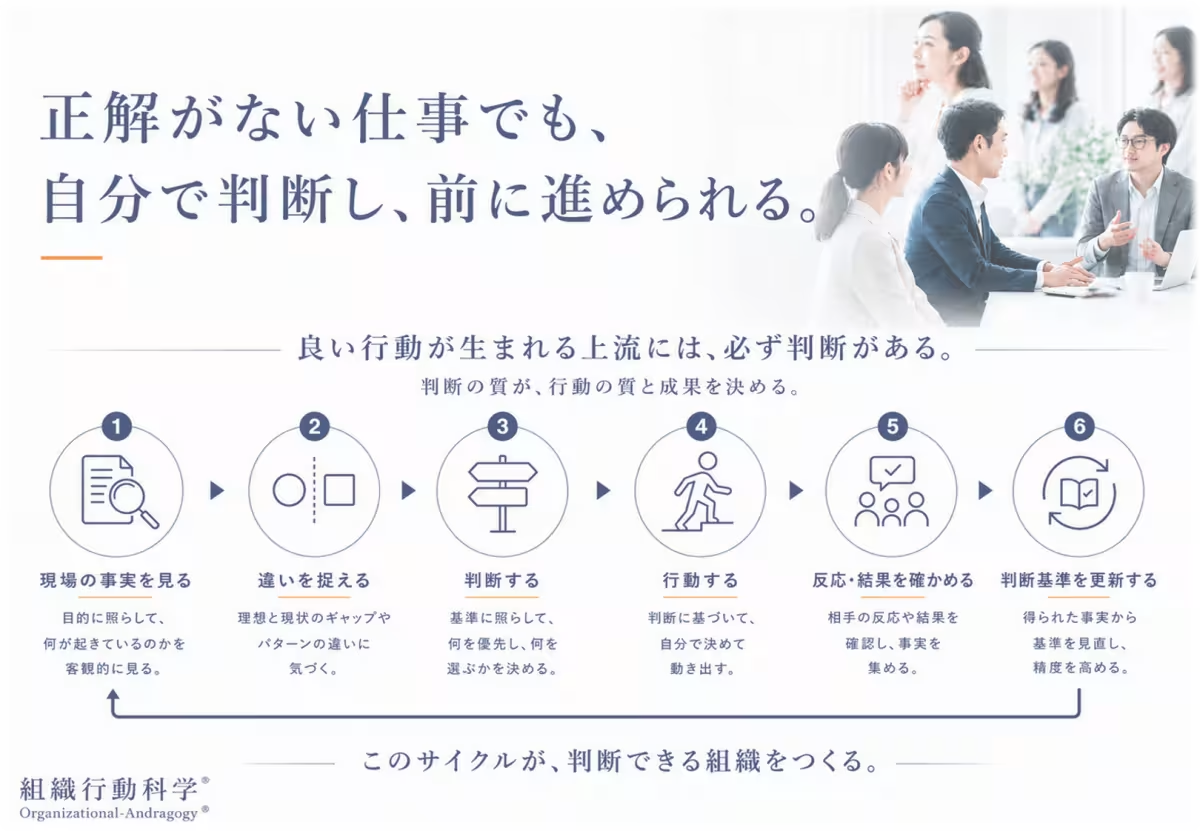
The report outlines a structured approach over ten pages, presenting a framework for how organizations can effectively connect the innovative findings from their teams to higher-level strategic decisions. It encourages stakeholders to move beyond merely evaluating the capabilities AI provides, such as speed and efficiency, to consider deeper implications for organizational change.
To facilitate this accurate assessment, it is essential for decision-makers to actively consider what their companies should adopt or modify moving forward. Engaging with the experiences of employees at all levels is crucial for aligning operational realities with strategic goals.
Understanding the Current Landscape
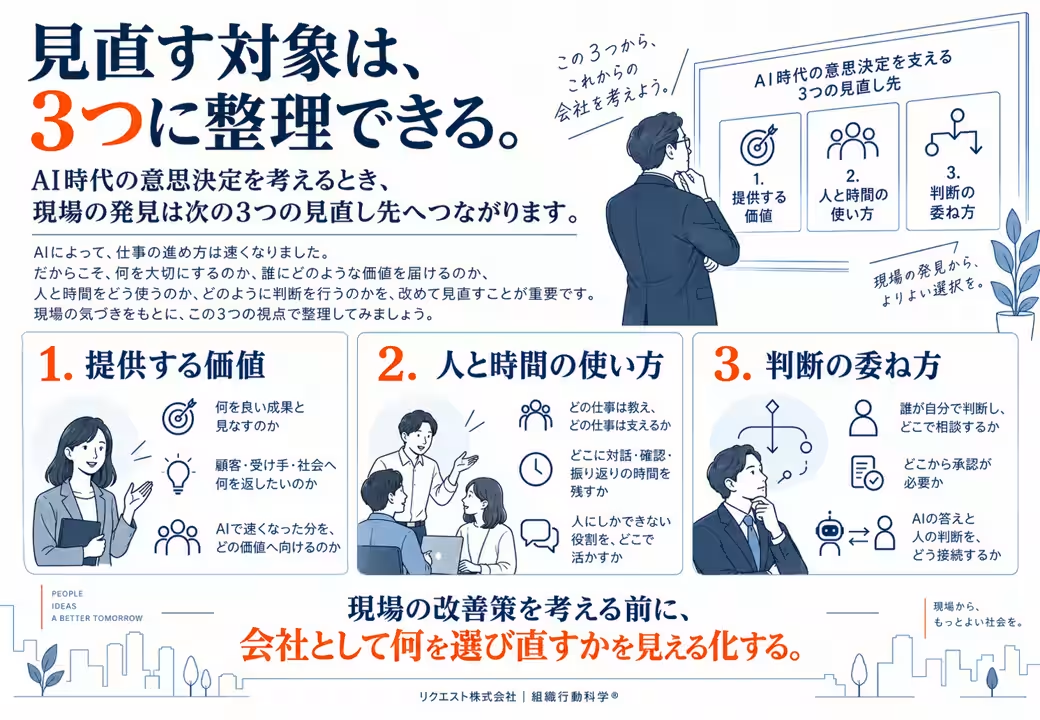
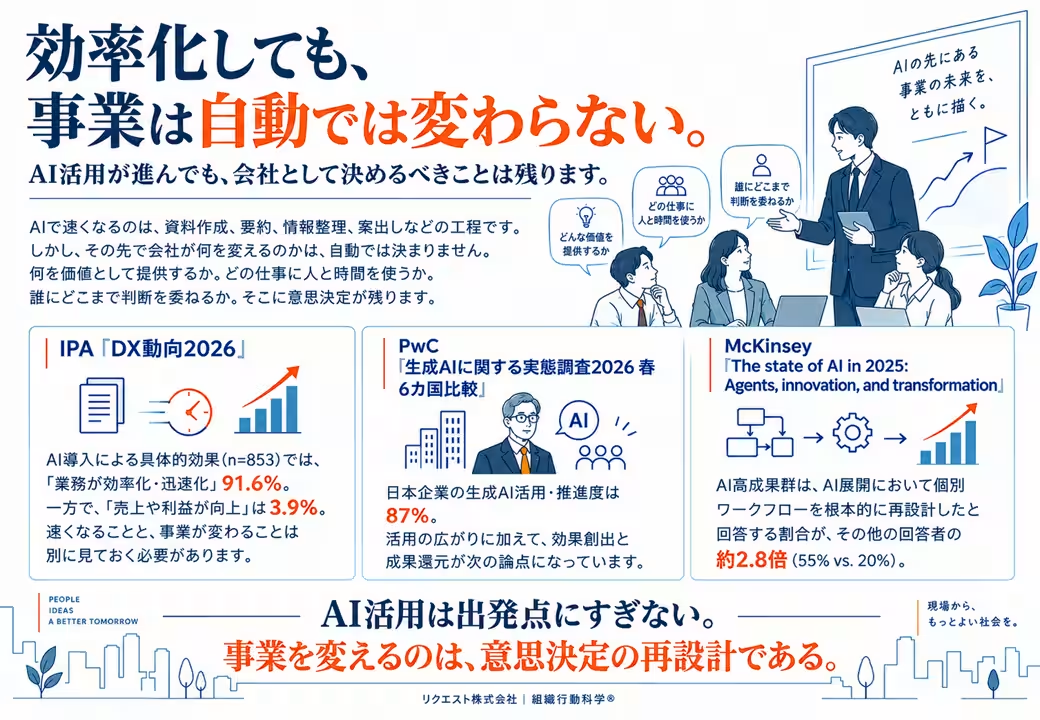
The initial steps of the report prompt a re-examination of how organizations perceive their positions in the AI landscape. It encourages leaders to probe deeper than surface-level metrics and examine how efficiency relates to broader organizational evolution. This leads to a critical inquiry: What new connections can be forged from these insights?
As teams increasingly harness AI for improved speed and productivity, the report emphasizes that such advancements do not automatically dictate future changes within the organization. Leaders must consider how to leverage on-the-ground discoveries to impact strategic decisions directly.
Clarifying the Role of Decision-Makers
As organizations strive to absorb new insights, the priority becomes understanding which elements require reevaluation. This process is not just a matter of auditing every aspect of the company; it involves strategically pinpointing areas where adjustments can yield the most significant results.
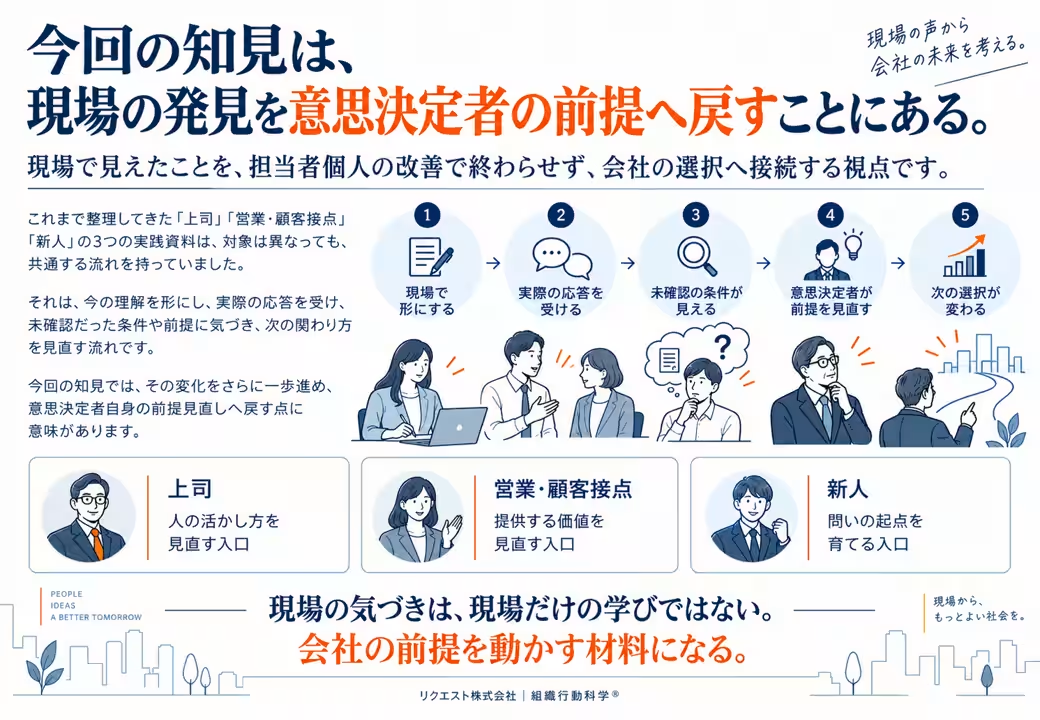
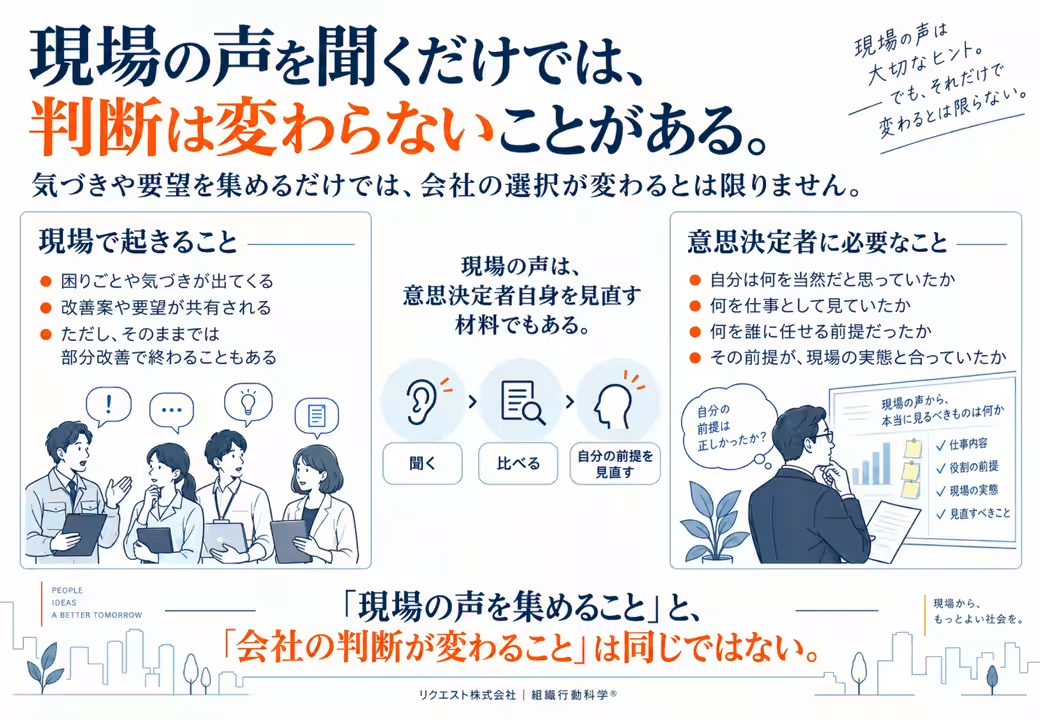
The discussion further clarifies that simply hearing the voices of employees is not sufficient. Leaders must engage in a reflective process where they reassess their underlying assumptions and frameworks based on frontline feedback. This iterative exchange transforms insights into actionable strategies that can foster innovative change.
Implementing Change and Measuring Outcomes
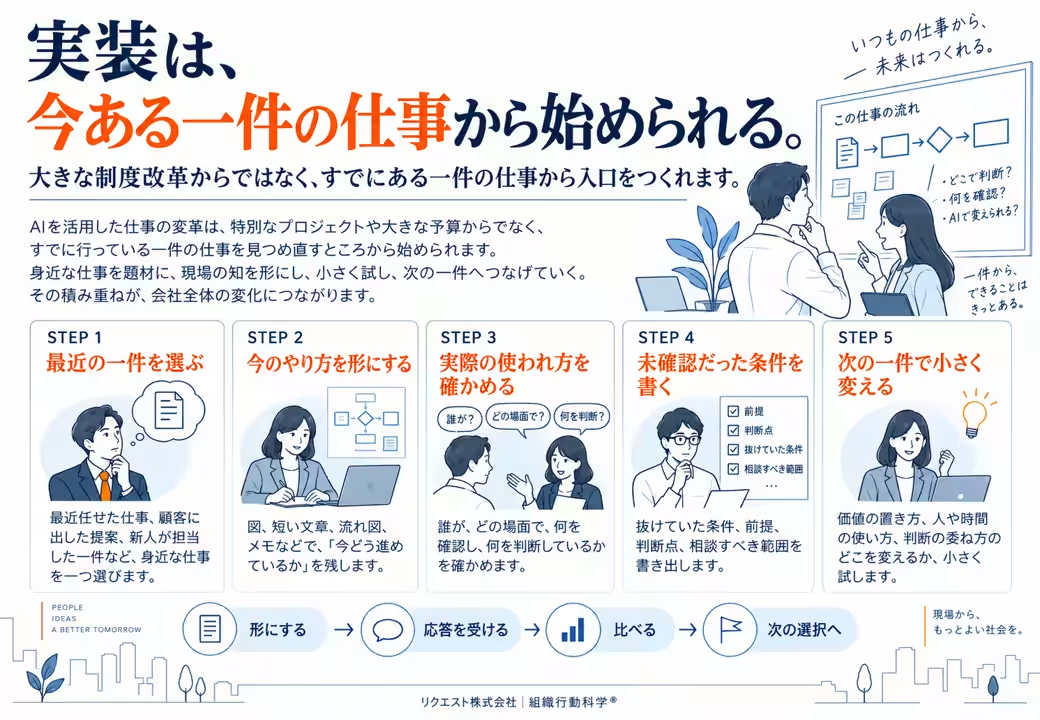
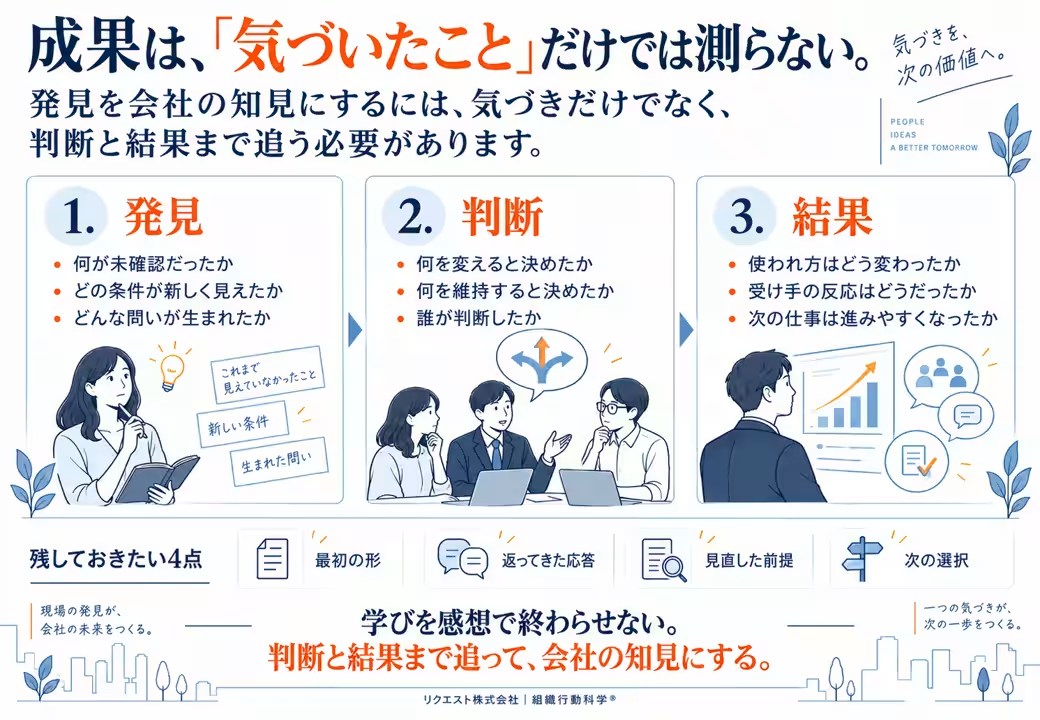
With a clear plan to initiate change, the report underscores the importance of evaluation. Leaders must understand what new discoveries arise, what adjustments are necessary, and how these changes manifest in real-world applications. This final point reiterates the need for a structured methodology in assessing the outcomes of decisions influenced by newly acquired knowledge.
In summary, the report serves as a call to action for leaders to synthesize AI capabilities with their decision-making processes using the Art Thinking framework. The emphasis is on translating insights from the workforce into organizational decisions with tangible impacts, ensuring that companies not only adapt to the rapid pace of technological change but use it as a catalyst for profound transformation.
The entire 10-page document is available for free, providing valuable resources for leaders aiming to navigate the complexities of decision-making in the AI era. By applying the principles discussed, businesses can cultivate a culture that not only embraces technology but effectively aligns it with strategic objectives.
Download the full PDF report here


Topics Business Technology)
【About Using Articles】
You can freely use the title and article content by linking to the page where the article is posted.
※ Images cannot be used.
【About Links】
Links are free to use.