



Spring Skin Care: Preparing for Allergies and Skincare Dilemmas
Preparing Your Skin for Spring: Essential Insights
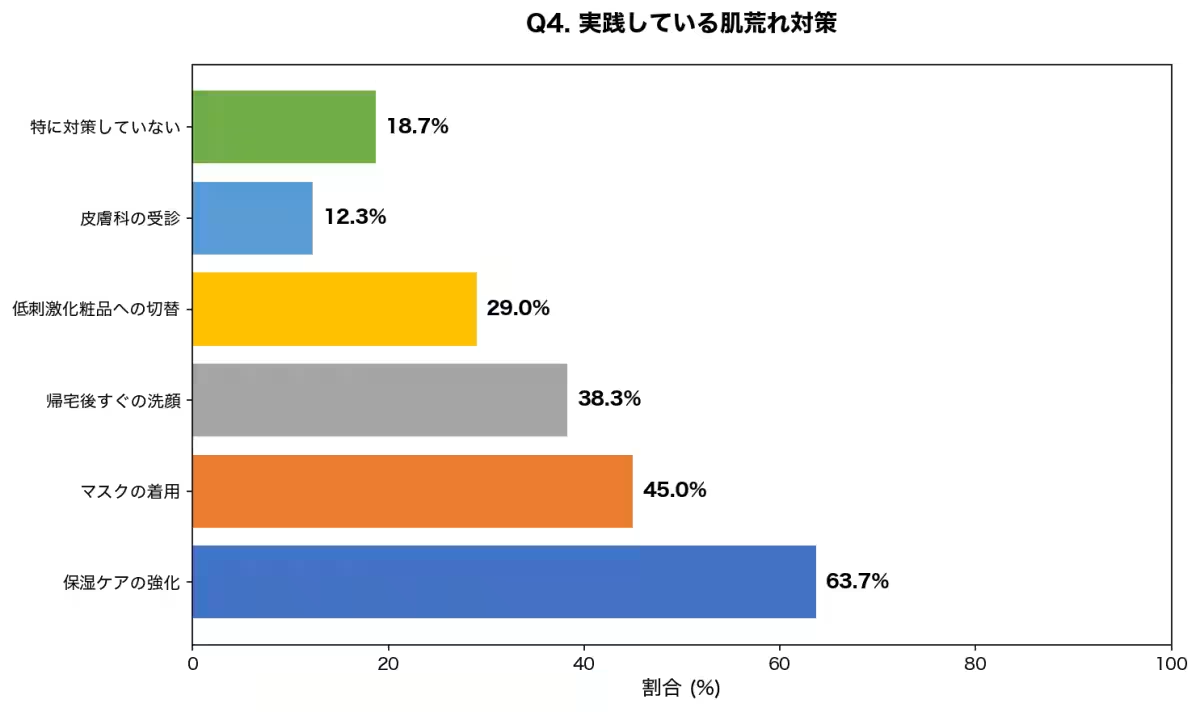
As we approach the spring season, a recent survey highlights that more than 60% of people express a desire to address their skin concerns before allergy season fully kicks in. Conducted by IC Clinic, the study involved 300 participants aged 20 to 50, who reported issues related to skin during seasonal changes.
Key Findings from the Survey
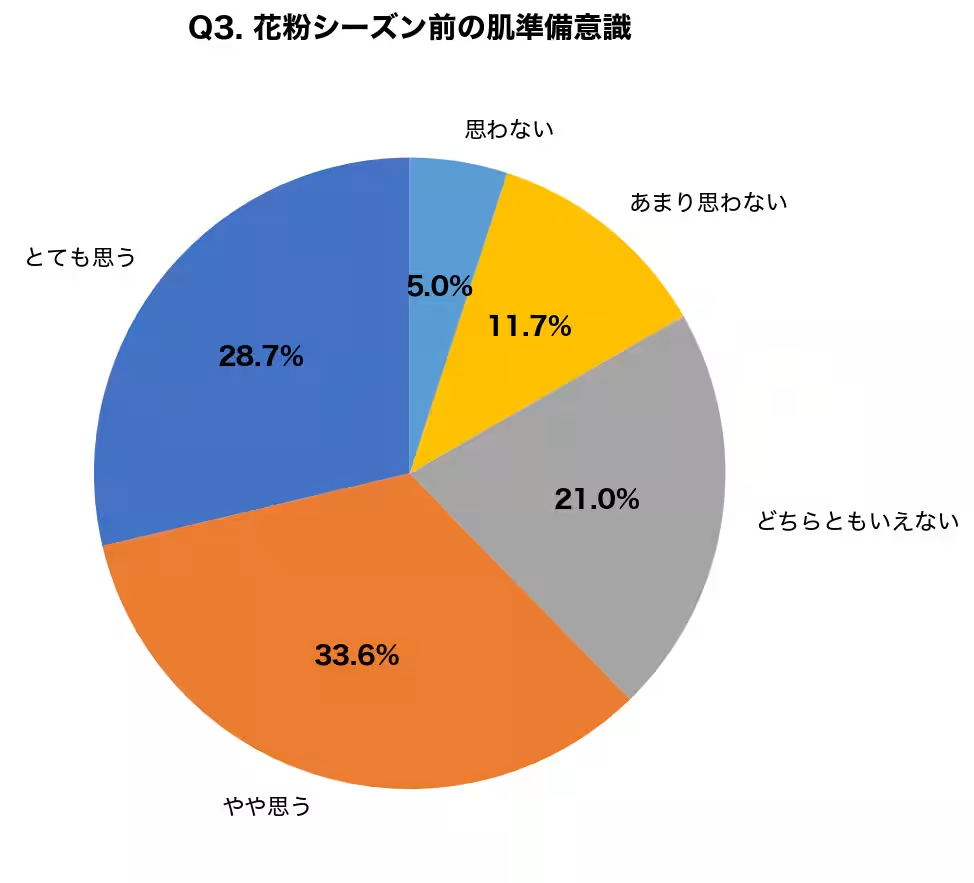
- - 62.3% wish to prepare their skin before the pollen season.
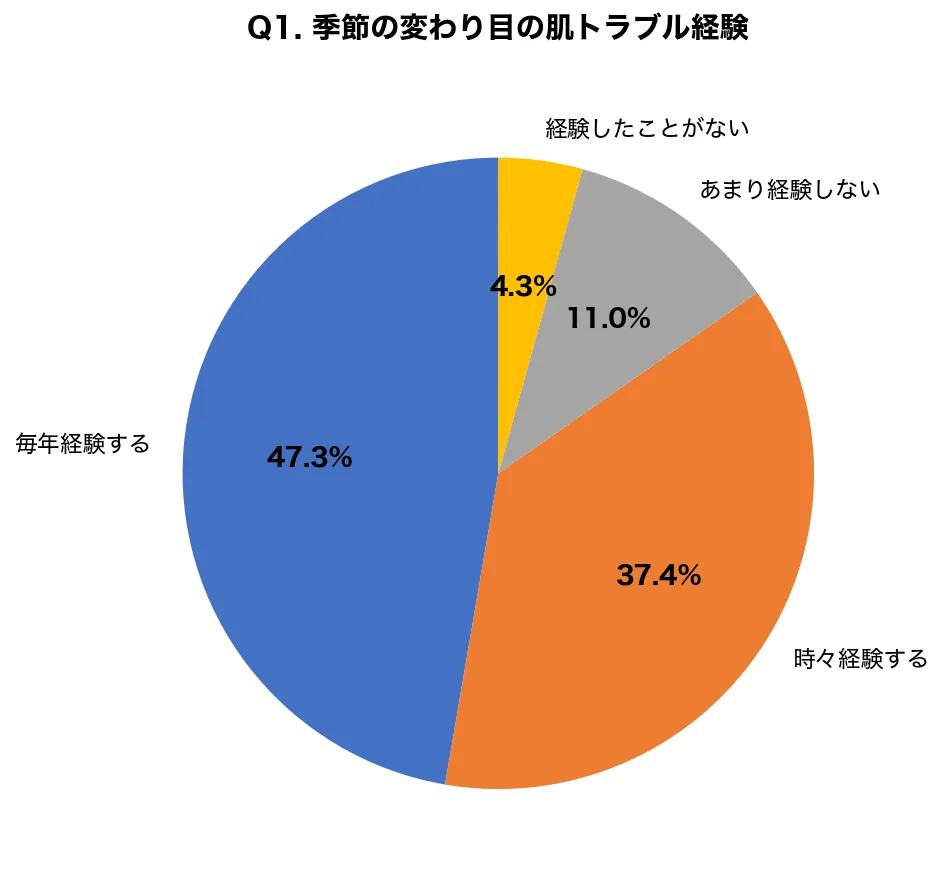
- - 84.7% have experienced skin problems during seasonal transitions.
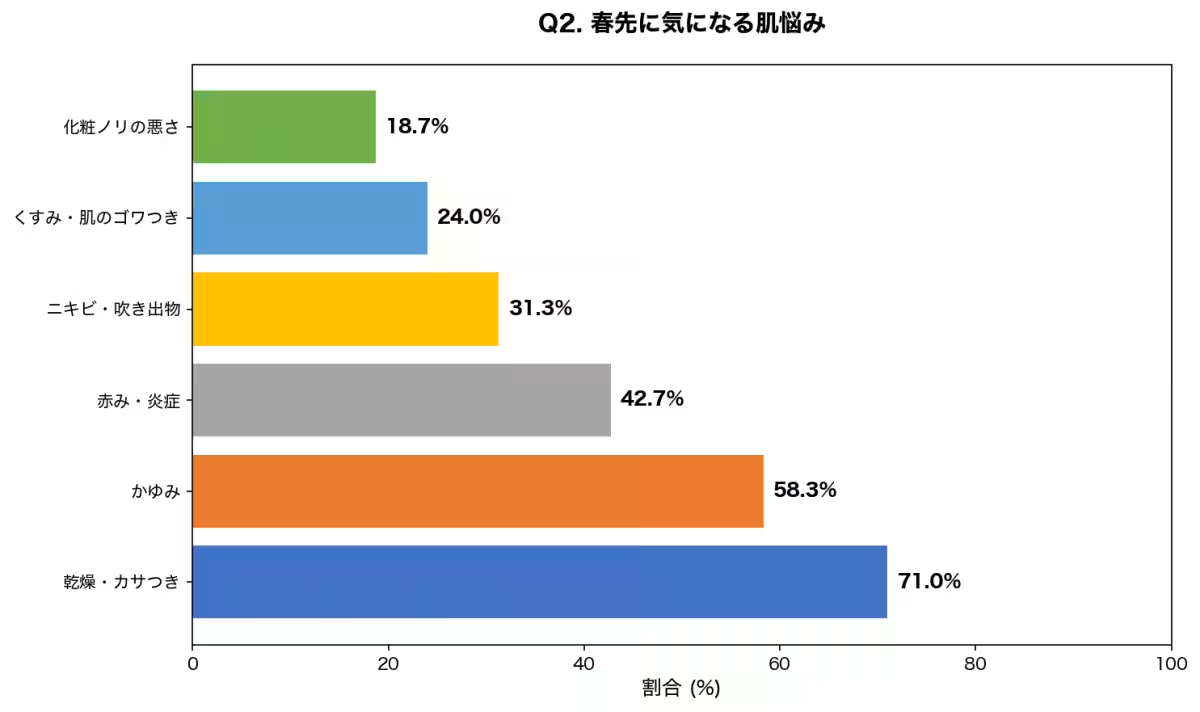
- - The top three skin challenges reported include:
2. Itching (58.3%)
3. Redness (42.7%)
These findings strongly suggest that proactive care is critical to mitigate the impact of pollen and environmental changes on our skin.
Understanding Skin Issues
1. Pollen Dermatitis
Pollen dermatitis occurs when pollen adheres to the skin, causing inflammation. Symptoms often emerge around the eyes and cheeks, manifesting as redness and itching. Interestingly, even those without traditional allergy symptoms can experience this condition.
2. Skin Barrier Function
The skin's barrier function protects against external irritants while preventing moisture loss. This barrier consists of skin cells and ceramides. A weakened barrier can lead to dryness and irritation, making the skin more prone to issues.
3. Fluctuating Skin
Fluctuating skin occurs during seasonal changes or environmental shifts, making the skin temporarily sensitive. This condition can cause discomfort, even with regular cosmetic products.
Comparative Analysis of Skin Issues During Spring
| Comparison Criteria | Pollen-Related Skin Problems | Dry Skin Issues | Fluctuating Skin |
|---|
| ------- | ------- | ---- | ---- |
|---|
| Main Symptoms | Redness and itchiness around eyes and cheeks | Overall dryness and flakiness | Tingling sensation; irritation from cosmetics |
|---|
| Time of Onset | During pollen season (February to April) | Winter to early spring | Change of seasons |
|---|
| Common Areas | Exposed areas (face, neck) | All over body | Entire face |
|---|
| Primary Causes | Pollen adherence and allergic reactions | Low humidity and weakened barrier | Temperature fluctuation and environmental changes |
|---|
| Self-Care | Prevent pollen adherence; cleanse after returning home | Intensive moisturizing; hydration | Switch to less irritating skincare |
|---|
| When to Seek Help | Symptoms lasting over a week | Improvement not evident with hydration | No improvement after two weeks |
|---|
Recommendations for Spring Skin Care
To effectively manage potential spring skin issues, it is crucial to start a skincare regimen early, ideally 2-3 weeks before pollen season hits in full swing.
- - For Pollen-Dermatitis: Employ strategies to prevent pollen from sticking to your skin, and ensure a cleansing routine upon returning home.
- - For Dry Skin: Focus on hydration through the use of moisturizers rich in ceramides and hyaluronic acid. Keeping indoor humidity levels optimal is also essential.
- - For Fluctuating Skin: Transition to gentle, hypoallergenic skincare products. Limit the use of potential irritants during this sensitive period.
Clinical Insights from IC Clinic
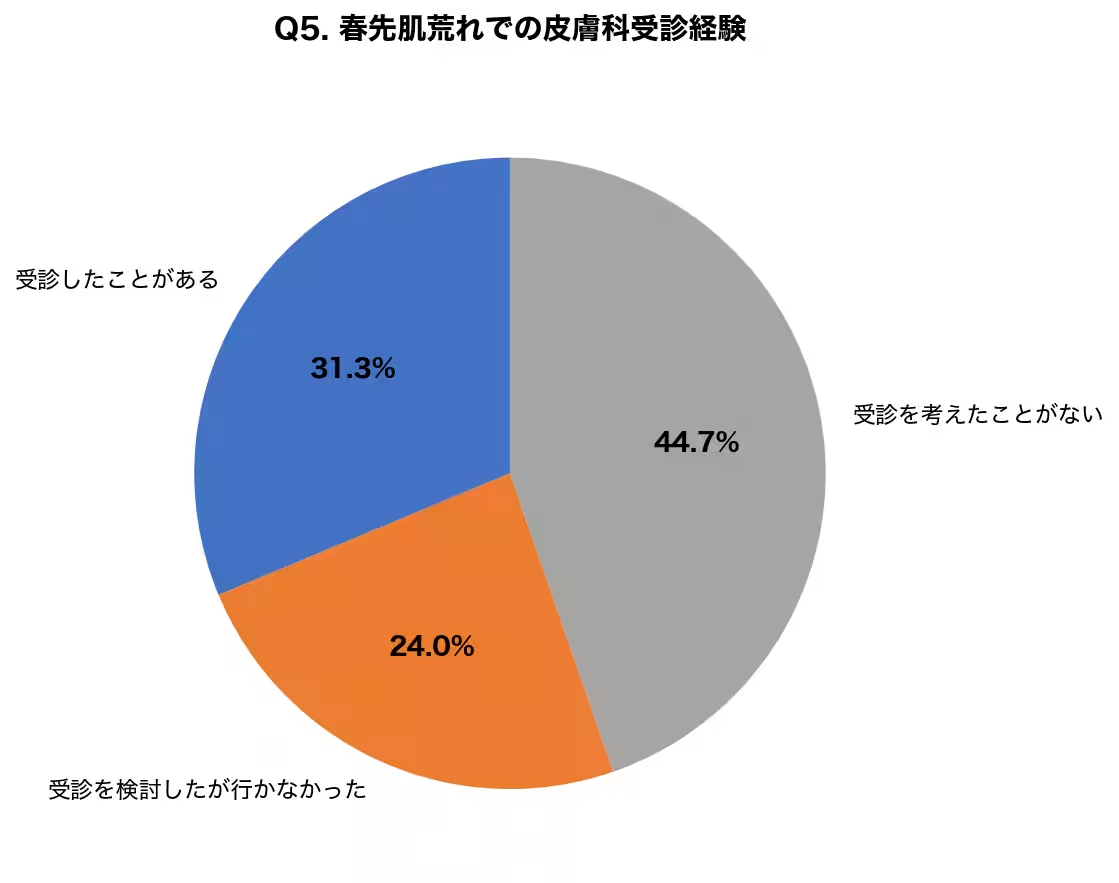
Dr. Kouta Takakuwa, a dermatology specialist at IC Clinic, emphasizes that early preparation and a proactive approach to skin care are vital. He notes, “Starting intensive moisturizing in early February can drastically reduce the risk of experiencing skin problems due to pollen.” Furthermore, if you notice symptoms persisting for over two weeks or experience significant discomfort from itching, Dr. Takakuwa advises seeking a dermatological consultation promptly.
In conclusion, understanding your skin type, potential triggers, and effective management strategies can significantly enhance your skin health this spring season. Prepare ahead to enjoy the blossoming season without skin complications.
Topics Health)

【About Using Articles】
You can freely use the title and article content by linking to the page where the article is posted.
※ Images cannot be used.
【About Links】
Links are free to use.