



Comprehensive Understanding of DNA Repair Factors and Their Role in Cancer Treatments
Comprehensive Understanding of DNA Repair Factors and Their Role in Cancer Treatments
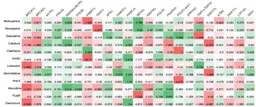
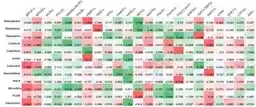
Recent research from the Graduate School of Science at Tokyo Metropolitan University has made significant strides in comprehending the resistance of cells to nucleoside analog drugs. The focus was on twelve different nucleoside analogs combined with twenty-four variations of DNA repair factor mutations. This comprehensive analysis revealed a groundbreaking finding: distinct mechanisms exist for DNA toxicity prevention for each drug, an occurrence never documented before.
Nucleoside analogs, first utilized for treating viral infections such as AIDS since the 1980s, are recognized for their similarity to natural nucleosides, which are vital components of DNA. As these drugs are introduced during DNA replication, they can be incorporated in place of the natural components, consequently halting the replication process. This mechanism provides a basis for their efficacy against rapidly dividing cancerous cells and viruses. However, this interference can also adversely affect healthy cells, leading to potential side effects. Thus, an understanding of the mechanisms that underpin these nucleoside analogs' effects is paramount.
Professor Kouji Hirota and his research team initiated a comprehensive study in 2021 focusing on the molecular mechanisms by which these nucleoside analogs induce toxicity in cells. Through diligent collaboration, they have progressively discovered that various nucleoside analogs present entirely different cellular toxicity spectra, requiring specific DNA repair factors for resistance. Such insights form the foundation for developing next-generation cancer treatments that directly target the weakened DNA repair functionalities observed in cancer cells.
The recent study evaluated the resistance mechanisms by employing a range of DNA repair factor mutations against twelve nucleoside analogs. Impressively, the findings demonstrated that each nucleoside analog showed a unique requirement for specific DNA repair factors necessary for overcoming its toxicity in cells. This implies that despite their structural similarities, the pathways by which these drugs exert their cytotoxic effects and mechanisms of resistance are indeed vastly diverse.
The research team also identified significant variances in the sensitivity spectra of the mutant cells, indicating how certain mutations affect the drug's efficacy. For instance, gemcitabine, a common chemotherapy drug, exhibited an especially high sensitivity in cells with mutations in the RAD17 gene. This observation suggests that such mutations may enhance the effectiveness of nucleoside analogs, potentially leading to tailored therapies that minimize side effects and improve patient outcomes.
Beyond enhancing treatment efficacy, these findings hint at a promising horizon for personalized cancer therapy, aligning with the current push for genomic understanding in healthcare. The capability to design treatments based on an individual's genetic makeup could open doors to more effective and less harmful cancer therapies, including re-purposing existing antiviral drugs for cancer treatment.
In conclusion, this groundbreaking study not only marks a pivotal moment in cancer research but also promises to bring about innovative therapeutic approaches that intelligently target DNA repair deficiencies. Such advancements emphasize the transformative potential within oncology, advocating for a future aligned with personalized medicine paradigms.
Future Directions and Clinical Implications
As we move forward, it is crucial to explore the effects of nucleoside analogs in actual cancer cells with patient-derived DNA repair factor gene mutations. Understanding the synergy of these drugs with various forms of cancer, including solid tumors, poses an imperative challenge that this research aims to address.
Moreover, the implications of this research extend to developing predictive models of treatment response, paving the way for potential breakthroughs in new anticancer compounds. The ongoing exploration of the interactions between nucleoside analogs and the unique genetic codes of patients promises a future where cancer therapy is not only revolutionary but also tailored to individual needs.
This research pushes the boundaries of how we view cancer treatment, promoting an era where personalized medicine becomes the norm rather than the exception. We stand on the brink of a remarkable transition within medical therapies, fueled by a deeper understanding of the molecular intricacies at play in cancer biology, underscoring the importance of continued research in this vital area.
Topics Health)
【About Using Articles】
You can freely use the title and article content by linking to the page where the article is posted.
※ Images cannot be used.
【About Links】
Links are free to use.