




New Graduate Career Perspectives: Insights on Support Needs from Different Academic Backgrounds
Understanding New Graduates' Career Perspectives
In recent years, as the workforce landscape evolves, organizations have started recognizing that a one-size-fits-all approach to training new employees is insufficient. The need for tailored support based on individual backgrounds and expectations has become crucial, especially for those making their way into the corporate world. A recent survey conducted by ALL DIFFERENT Co., Ltd. and the Learning Innovation Institute focuses on the perspectives of prospective graduates in 2026, shedding light on their expectations regarding growth opportunities and the support they seek from their future employers.
The Background of the Study
The study surveyed 465 final-year students, exploring their career aspirations and the type of support they expect from their employers during their job entry processes. Given the increasing variety in workforce skills and the complexities of modern business operations, it is clear that organizations must adapt their training methods to meet diverse learning styles and communication preferences. The main aim is to enhance learning outcomes through a more personalized approach.
Key Findings from the Survey
The survey results reveal notable differences in the choices and aspirations of liberal arts students compared to those in the sciences:
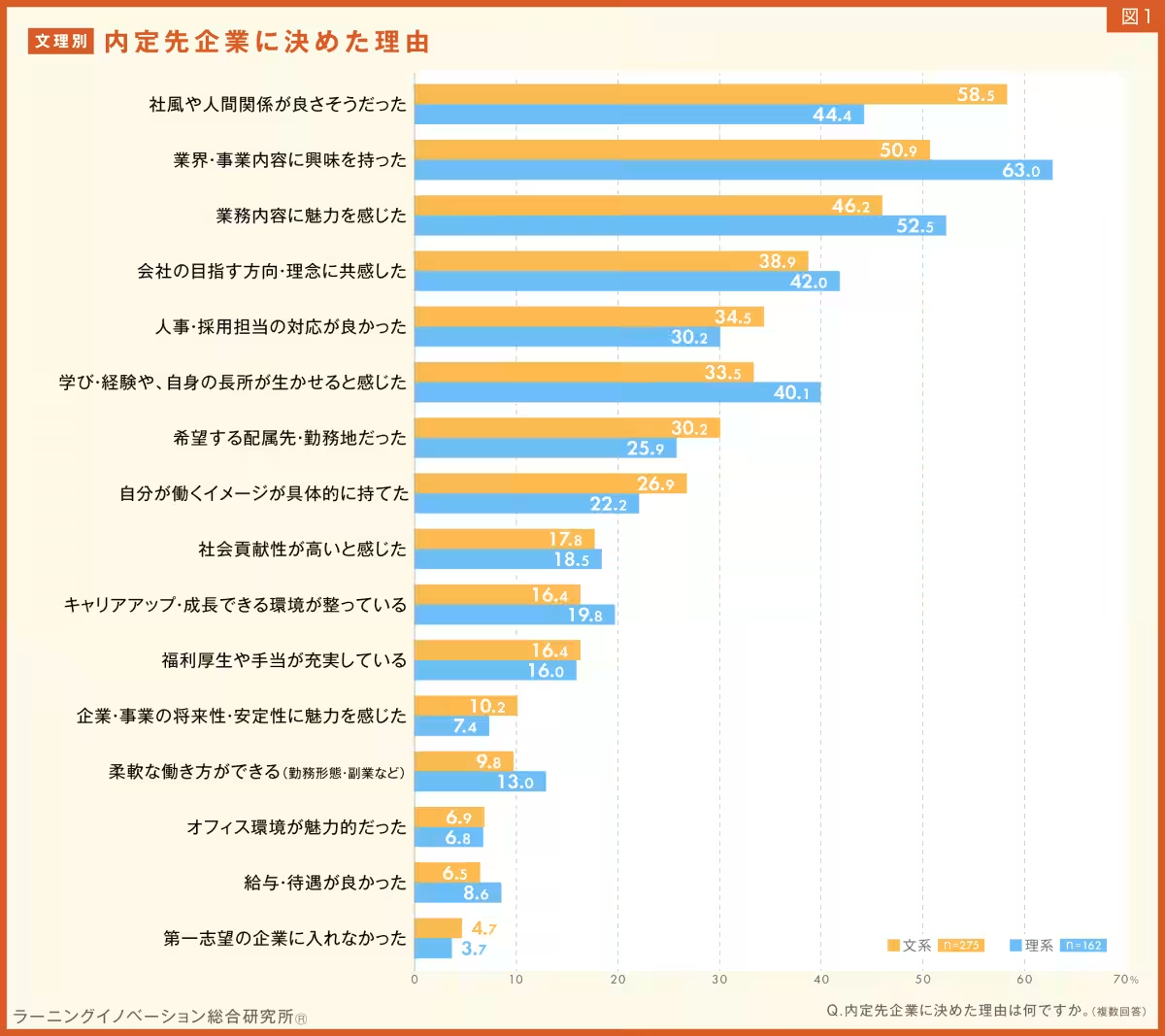
1. Reasons for Choosing Their Companies: Liberal arts students prioritize the company’s culture and interpersonal relationships, while their science counterparts emphasize interest in the industry and the nature of the business. Notably, 58.5% of liberal arts majors favored company culture as their top reason, while 63.0% of science majors cited the industry itself as their primary concern.
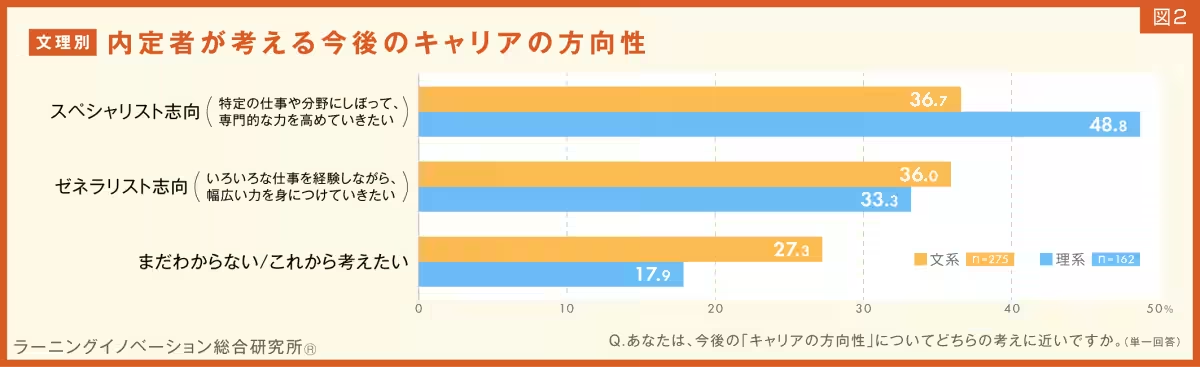
2. Career Direction: When exploring their career aspirations, both groups show distinct inclinations. Among liberal arts students, a balanced split between specialist (36.7%) and generalist (36.0%) aspirations was observed, while a significant 48.8% of science students expressed a preference for specialist roles.
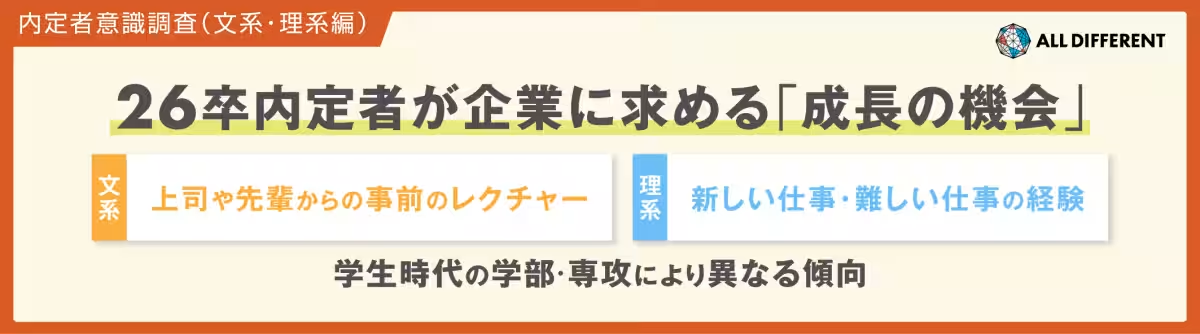
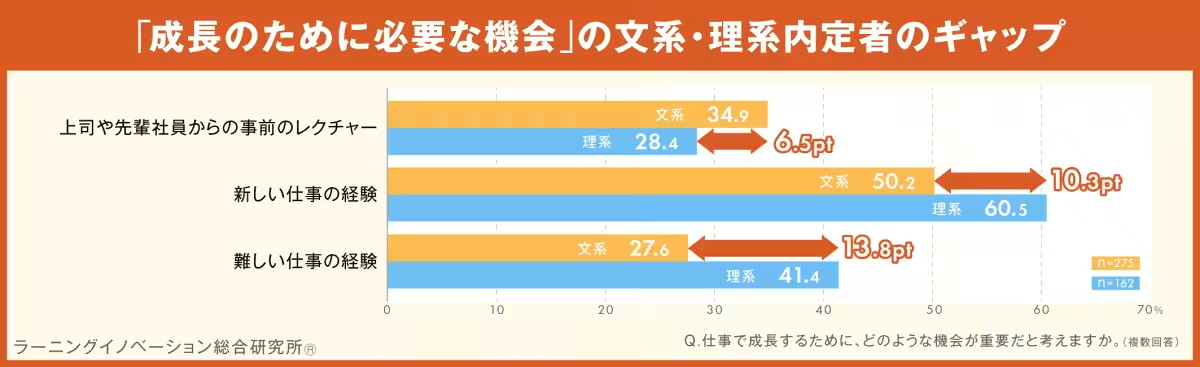
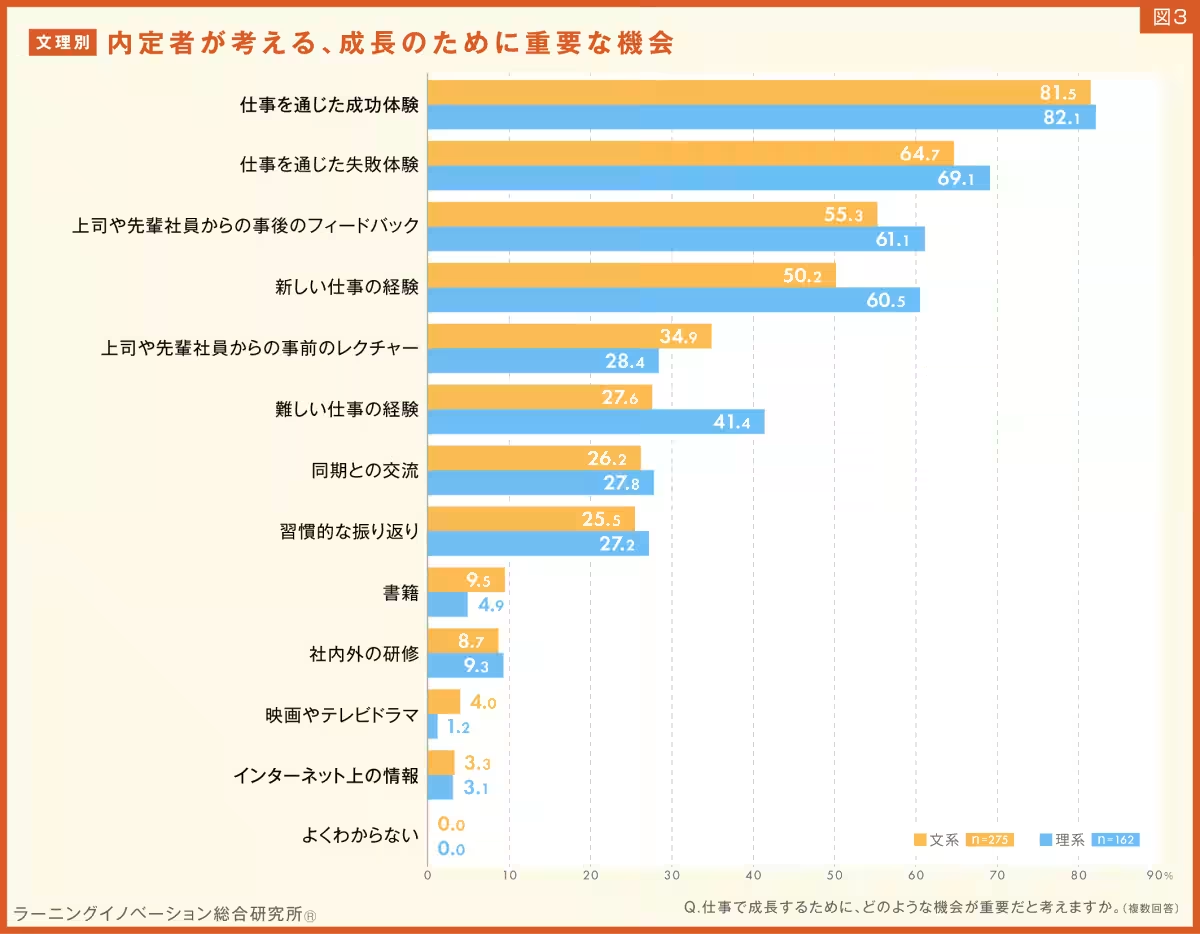
3. Opportunities for Growth: Both streams identified “experiencing success through work” as the most critical opportunity for growth, with a striking 82.1% of science students favoring challenging and new job roles, compared to their liberal arts counterparts who placed a higher value on feedback from supervisors.
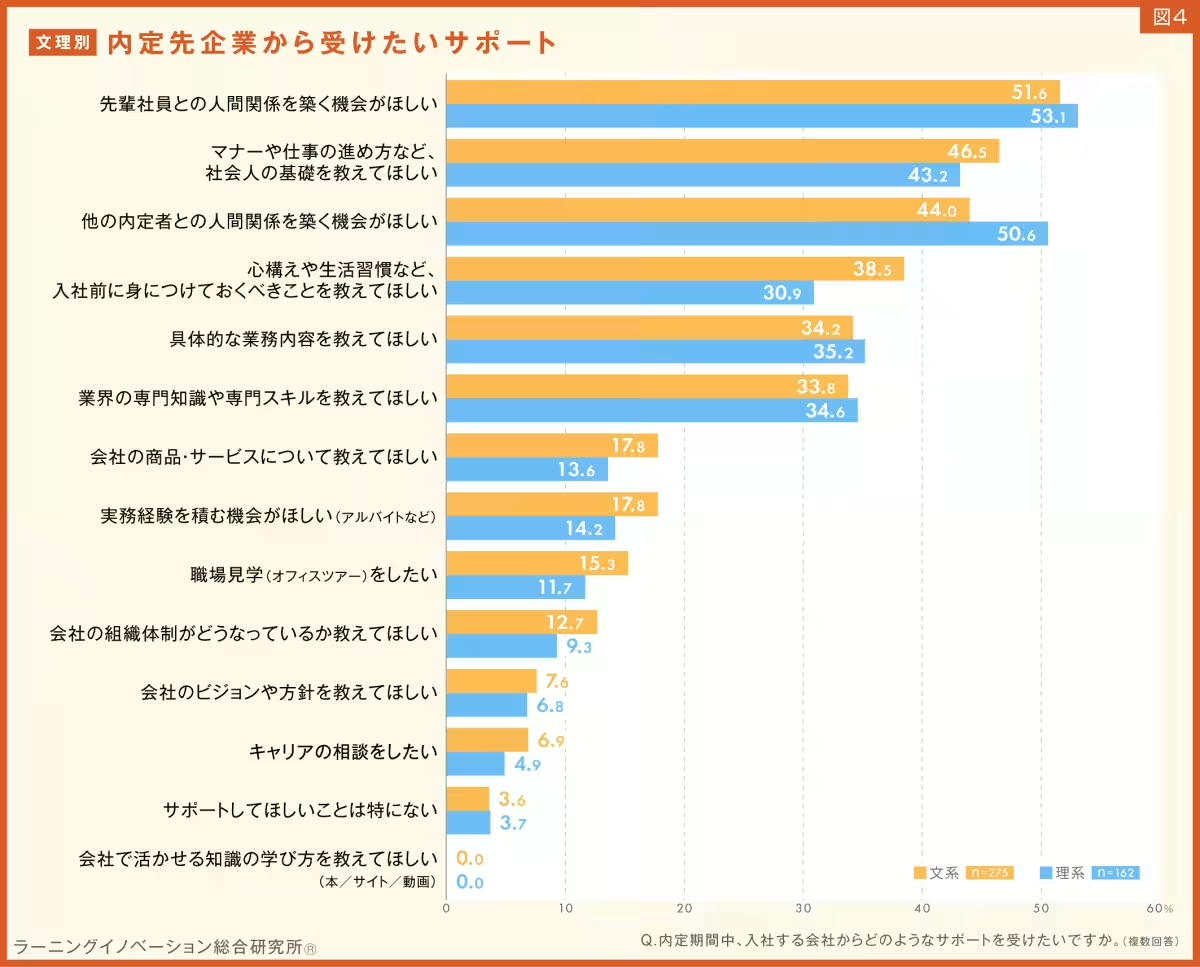
4. Support During the Probation Period: A substantial number of both groups desire to establish connections with senior staff members (51.6% of liberal arts and 53.1% of science students). However, liberal arts students also seek foundational professional training in job etiquette.
Evaluating the Survey Results
The findings indicate that distinctions between liberal arts and science students require tailored strategies for effective onboarding and development once they enter the workforce. For example, liberal arts students appear to have a stronger desire to cultivate workplace relationships and social dynamics, thus necessitating a supportive environment that fosters these connections.
Conversely, science students, with their focus on skills and knowledge, may benefit from early exposure to challenging projects and responsibilities. Companies might consider organizing mentorship sessions with seasoned professionals to provide practical insights and advice tailored to each group’s preferences.
Implications for Employers
The correlation between academic background and workplace preferences suggests that companies must carefully design their onboarding programs. Employers should offer structured initiatives that uniquely cater to the diverse needs of their new hires. By recognizing and leveraging these differences, organizations can cultivate an environment that stimulates growth and progression for all employees, regardless of their educational backgrounds.
In conclusion, the results of this survey highlight that companies have a crucial opportunity to enhance the way they support new graduates entering the workforce. Understanding these nuances within academic disciplines can pave the way for more effective mentorship and training programs, ensuring a smoother transition into professional roles while maximizing employee engagement and development.
This insights-rich research serves not only as a guide for companies but also lays the groundwork for young professionals looking to navigate their early career pathways effectively.


Topics People & Culture)


【About Using Articles】
You can freely use the title and article content by linking to the page where the article is posted.
※ Images cannot be used.
【About Links】
Links are free to use.