



Women’s Body Changes: A Study on Temperature Regulation Across Ages
Understanding Women’s Body Changes in Temperature Regulation
As the intense heat of summer starts to fade and the temperature begins to fluctuate, understanding how women's bodies handle temperature regulation becomes increasingly vital. A recent survey conducted by Kracie Pharmaceutical Co., Ltd. delves into this topic, focusing on 2,800 women aged between 20 to 75. This survey aimed to identify critical turning points related to body temperature regulation. With over fifty years of experience providing various herbal solutions for women's health issues, Kracie emphasizes the importance of recognizing and addressing these changes.
Key Findings from the Survey
Temperature Regulation Turning Points
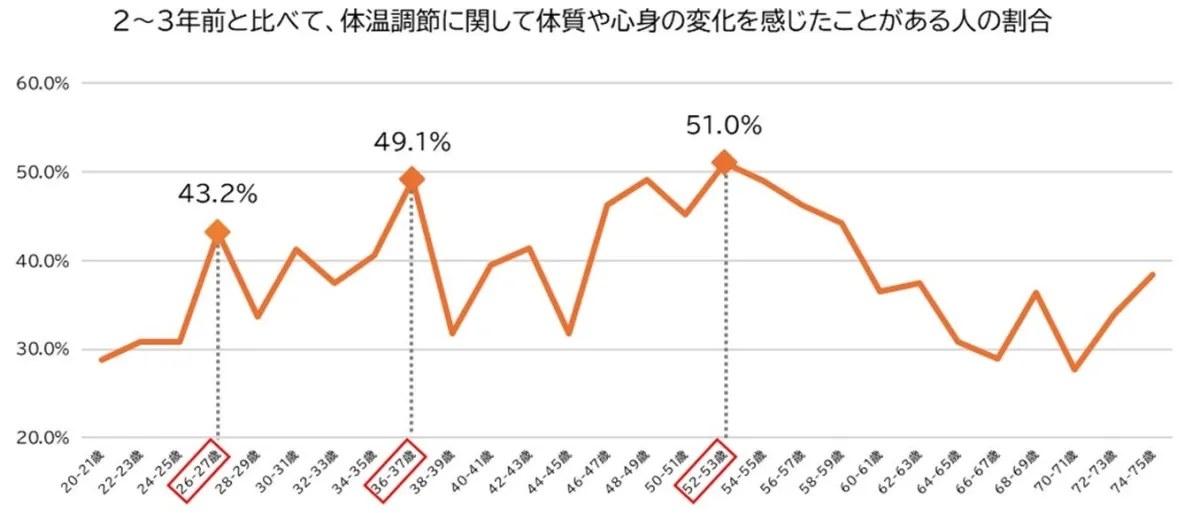
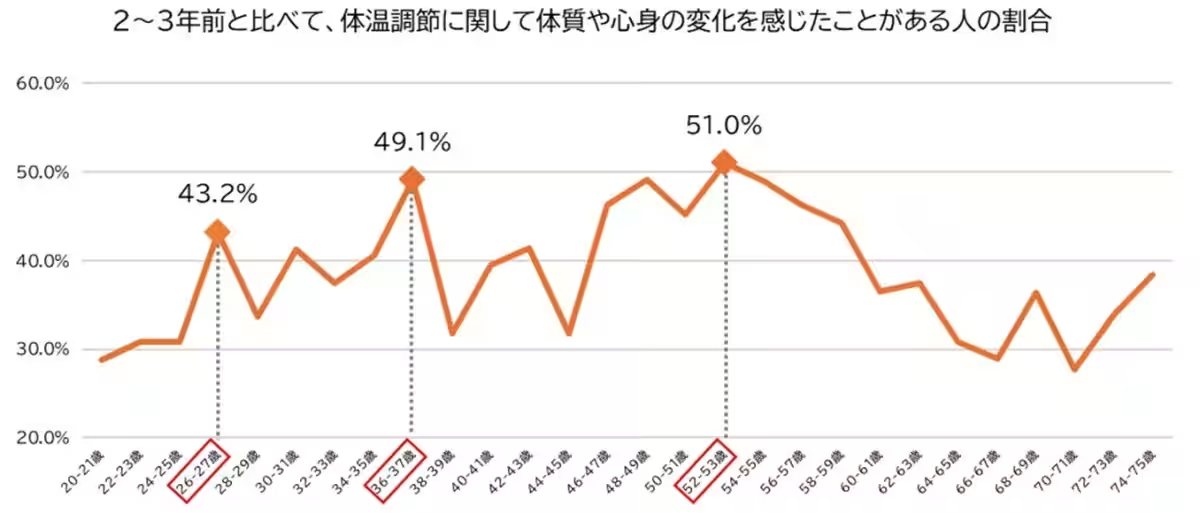
The survey identified significant age ranges where women experience notable shifts in temperature regulation:
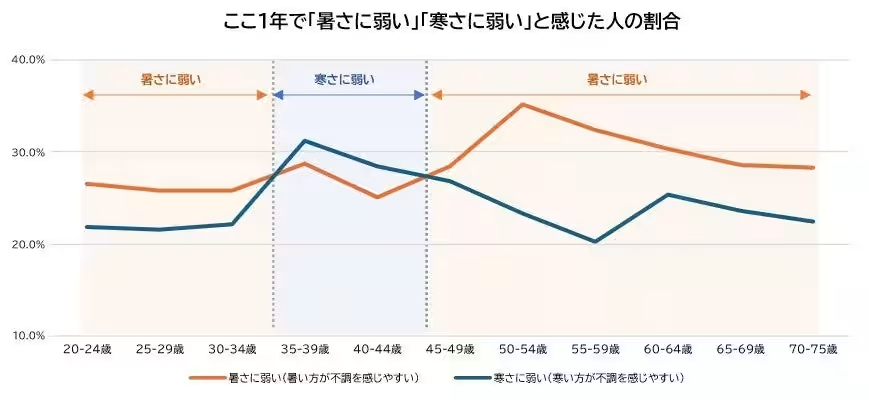
1. First Turning Point (26-27 years): Women begin to report changes linked to excessive cooling from air conditioning, suggesting sensitivity to cold at this age.
2. Second Turning Point (36-37 years): Many women become more sensitive to cold, often experiencing discomfort due to seasonal temperature fluctuations.
3. Third Turning Point (52-53 years): This phase marks the influence of hormonal changes, where women become more susceptible to heat.
Awareness of Temperature Regulation Issues
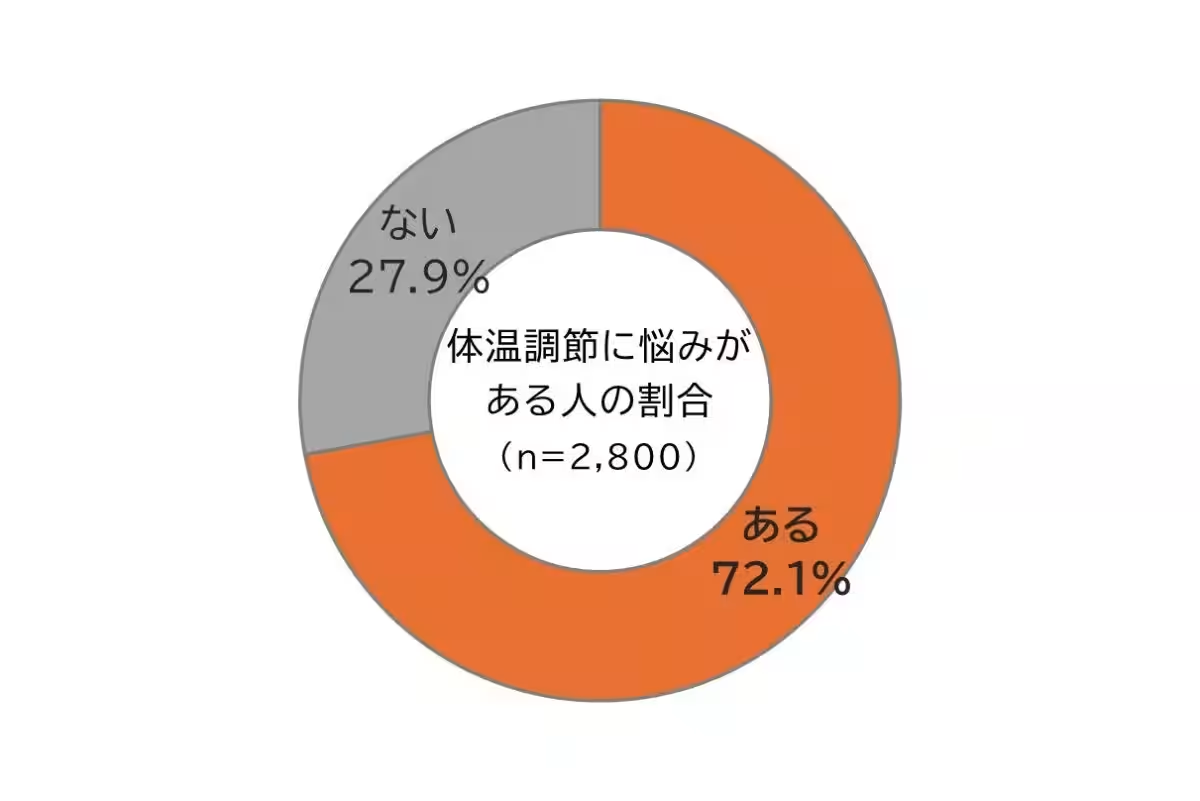
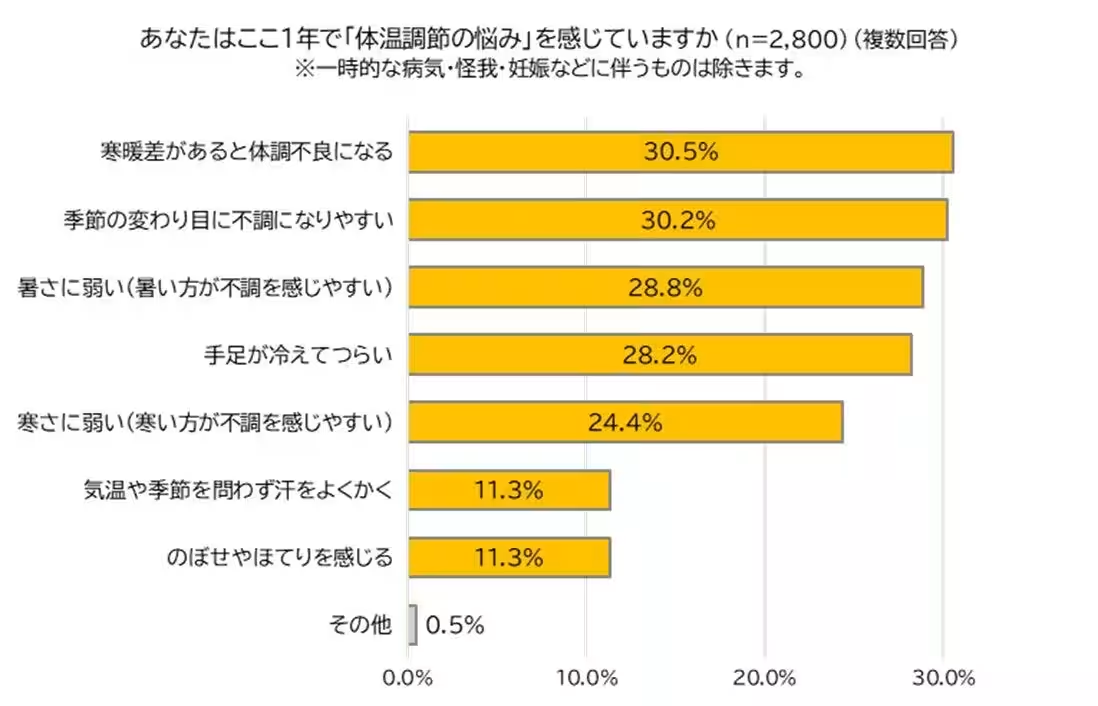
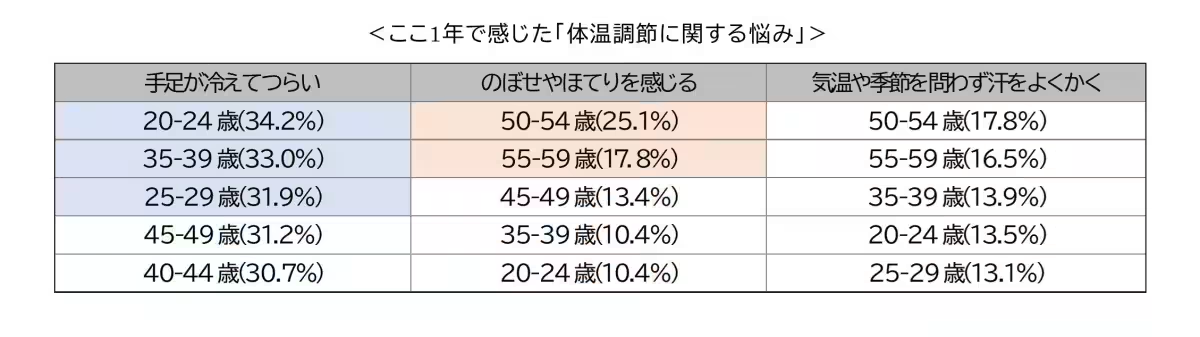
A notable 72.1% of women surveyed acknowledged experiencing some form of temperature regulation issue. The most prevalent problems stemmed from temperature fluctuations, causing symptoms such as fatigue and headaches. Specifically, around 30% reported feeling unwell when dealing with changes in climate, indicating the widespread impact of temperature sensitivity on women's health.
Shifting Sensitivity to Temperature
The research highlighted a significant gender shift concerning temperature sensitivity at around 35 and 45 years of age. Younger women in their twenties reported being more affected by heat, while those in their late thirties experienced heightened sensitivity to cold. Interestingly, in their late forties, women appeared to revert to being more sensitive to heat again, suggesting a cyclical pattern that warrants further understanding.
The Impact of Age on Comfort Levels
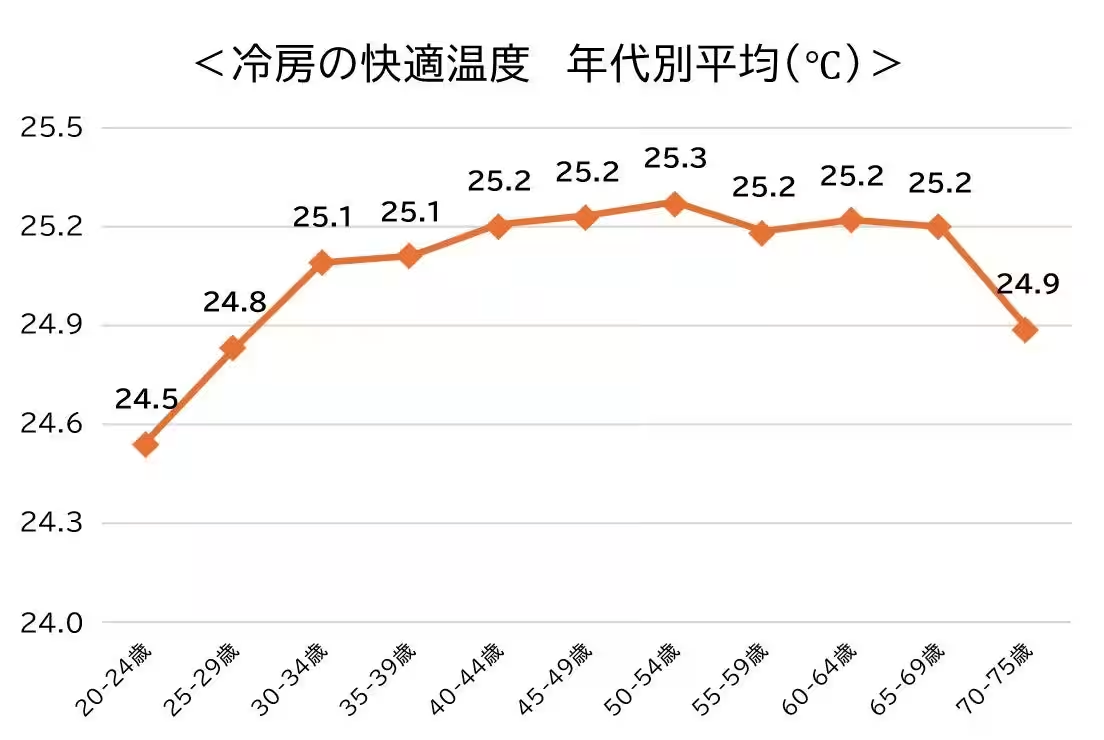
An examination of preferred temperatures showed that women in their twenties favored lower air conditioning settings. In contrast, women in their fifties preferred warmer conditions, indicating a potential risk of cold-related complaints among younger women due to excessive cooling.
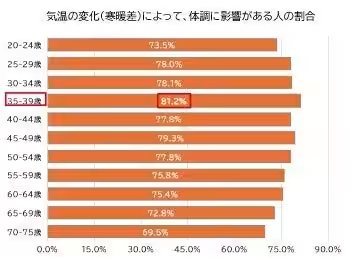
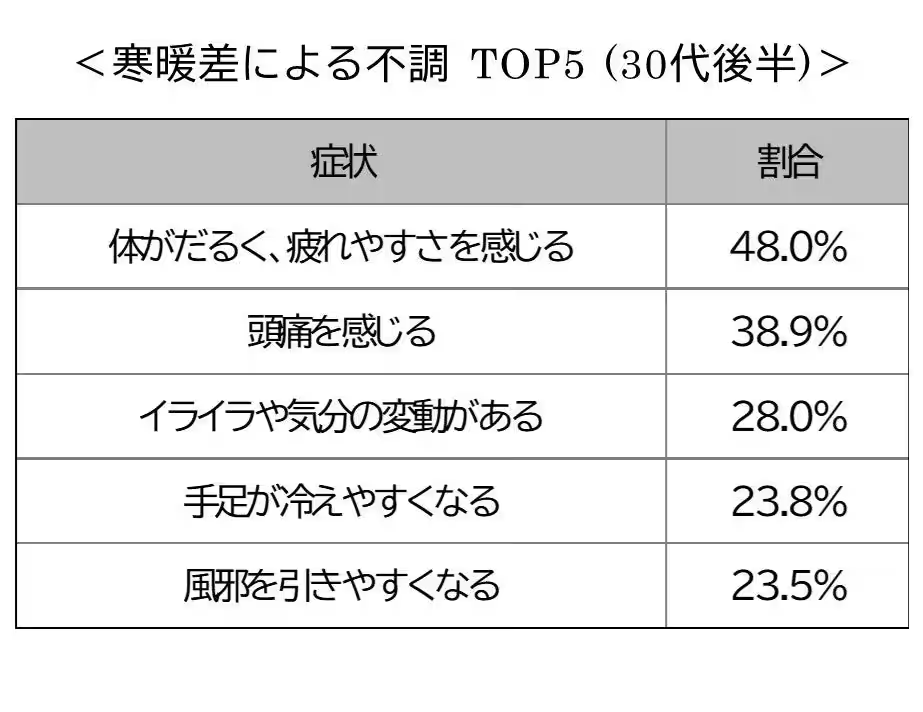
The survey revealed that women in their late thirties significantly experienced discomfort related to temperature changes. Symptoms like tiredness, headaches, and feelings of being unwell due to fluctuating temperatures were prevalent in this age group, achieving a striking 81.2% acknowledgment of such issues.
Summary of Recommended Herbal Remedies
In light of these findings, Kracie Pharmaceutical encourages women facing temperature regulation challenges to explore their herbal remedies. For instance:
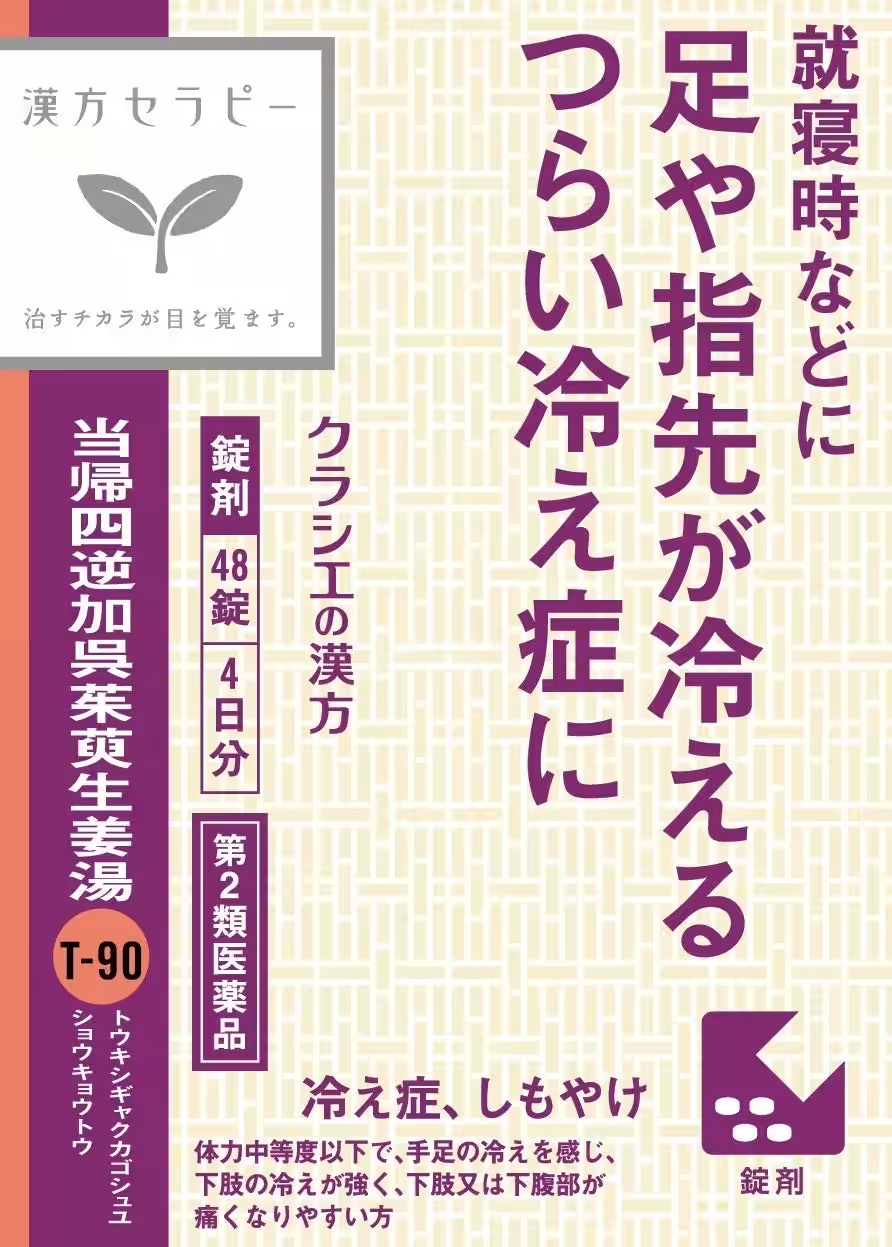
- - To Warm Cold Extremities: Toki Shigyaku Ka Gojuu Shoukyou Tou is recommended, known for promoting internal warmth and alleviating cold symptoms, thus helping with discomfort like headaches and menstrual pains.
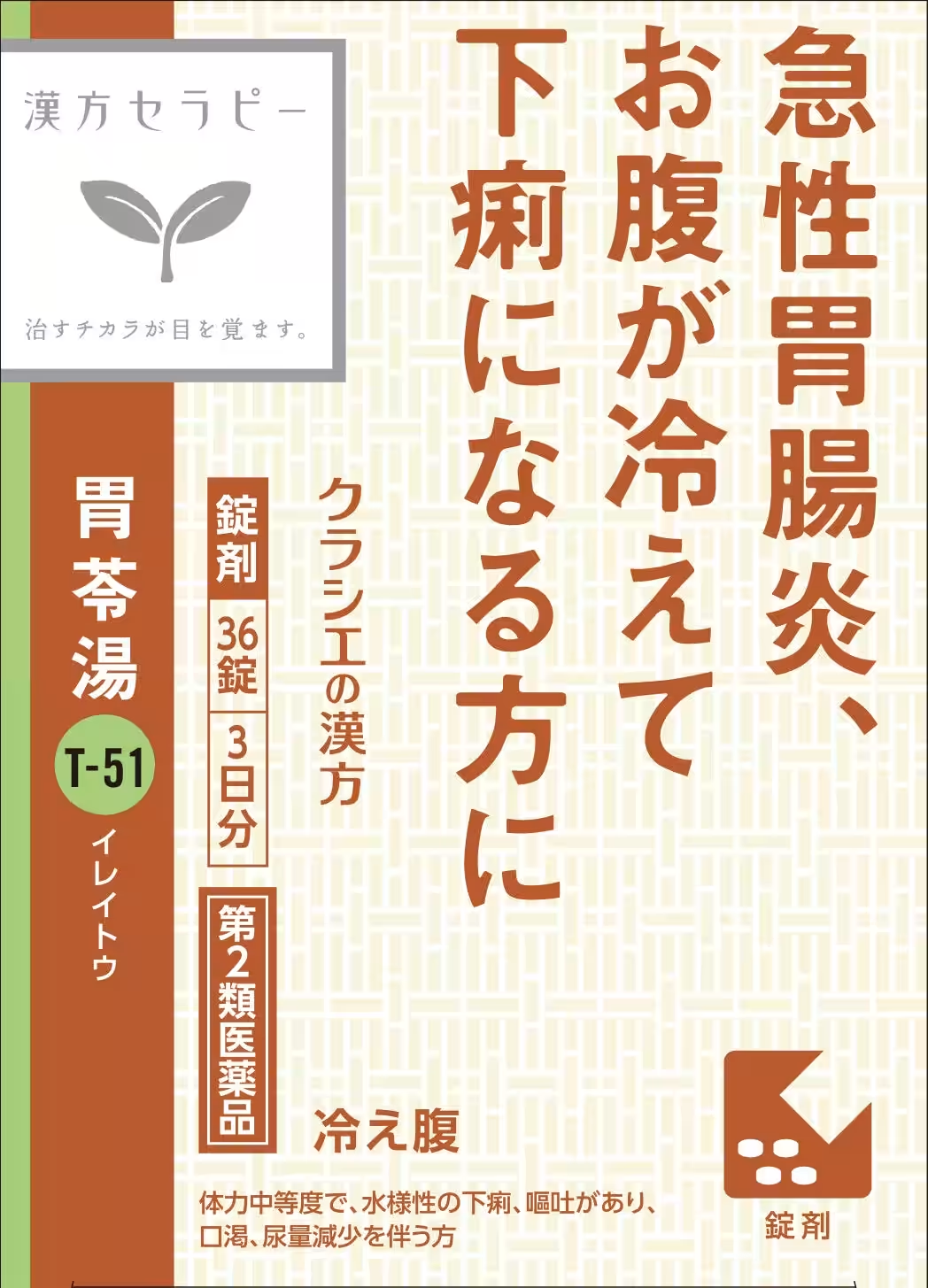
- - For Regulating Digestive Issues Linked to Cold: Irei Tou helps expel excess fluids and addresses cold-related stomach troubles.
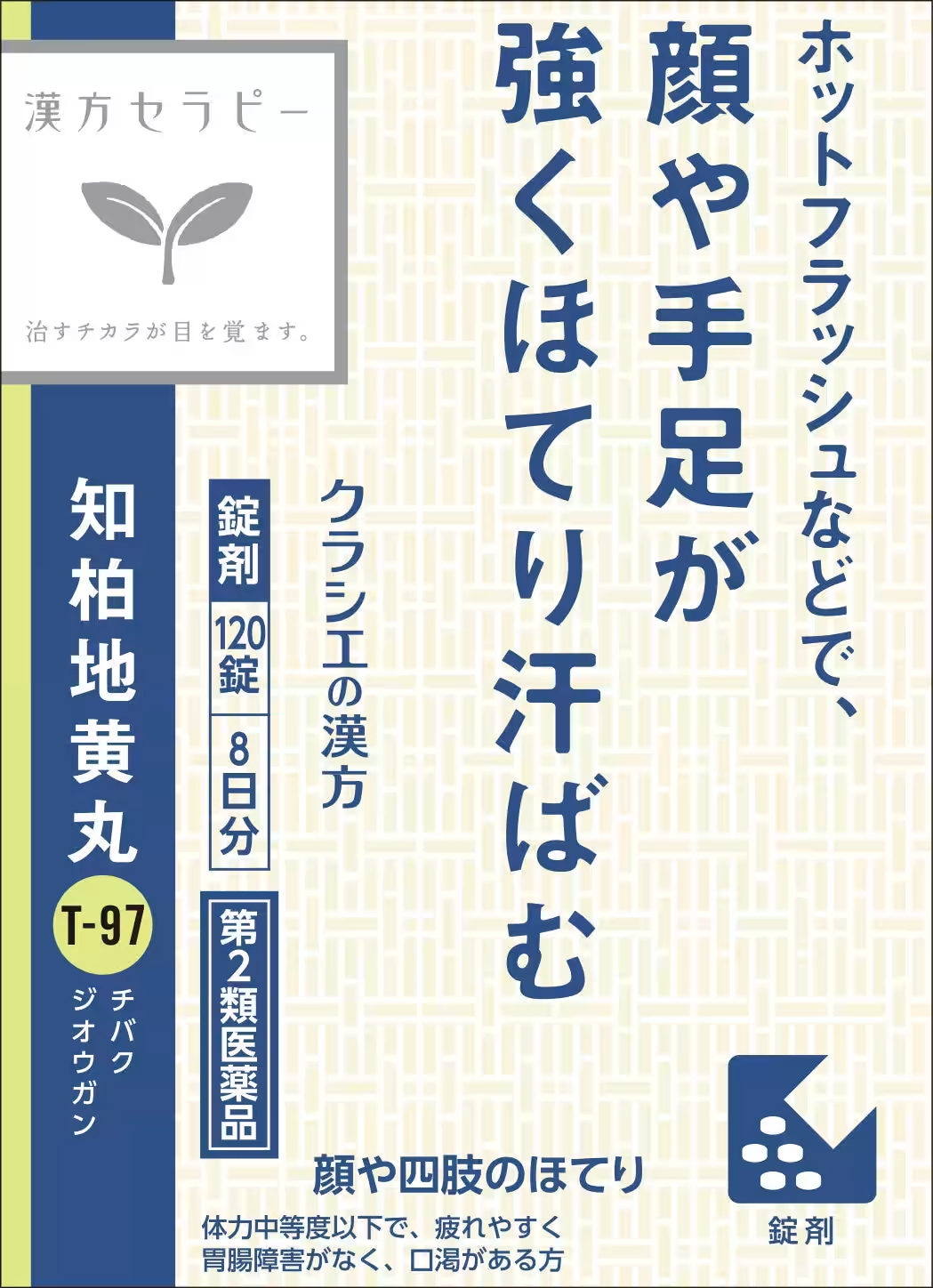
- - To Combat Hot Flashes: Chihaku Jiougan is ideal for those suffering from sensations of heat, including facial flushing and increased perspiration.
Conclusion
As evidenced by this extensive study, women experience critical turning points in their ability to regulate body temperature at various life stages. Given the societal shifting perceptions on health and wellness, Kracie Pharmaceutical remains committed to supporting women's health through effective herbal solutions and continuous research on these essential issues. Understanding these patterns not only helps recognize personal health challenges but also fosters a proactive approach to wellness, ensuring women can achieve their ideals of a healthy life.
Topics Health)
【About Using Articles】
You can freely use the title and article content by linking to the page where the article is posted.
※ Images cannot be used.
【About Links】
Links are free to use.