



The Stress of Power Saving Between Couples: Insights from 2026 Research
Understanding Power Saving Stress in Couples
In January 2026, a survey was conducted to investigate the phenomenon of "power saving stress" among couples. This research, based on responses from 300 participants, explored discrepancies in energy consumption practices and attitudes towards saving electricity.
Survey Overview
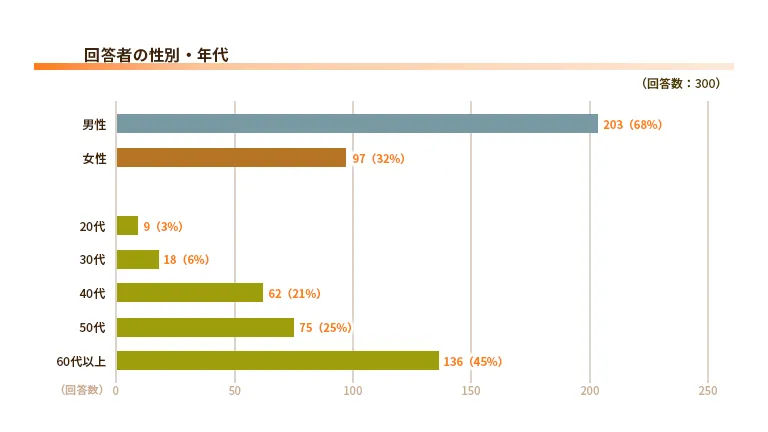
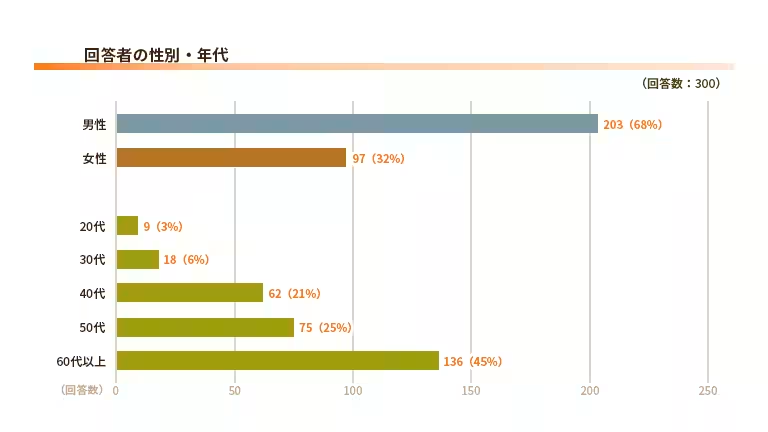
The participants included various demographic groups, primarily consisting of middle-aged and older respondents. Notably, 68% of the participants were men, while 32% were women. Most respondents were aged 60 and above, accounting for 45% of the sample, followed by those in their 50s (25%) and 40s (21%). Surprisingly, only 9% were under 40.
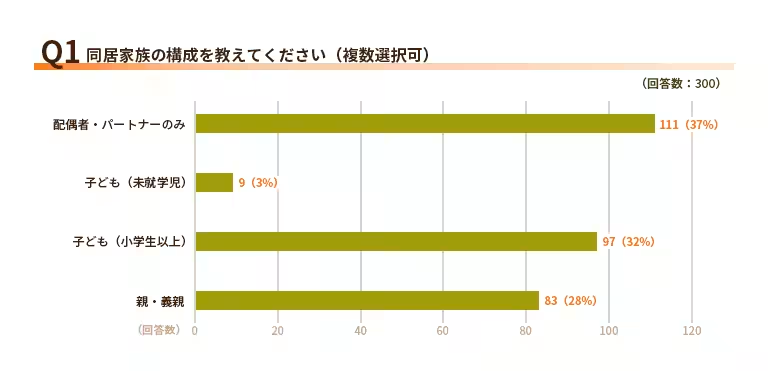
Regarding family composition, 37% reported living only with a partner, 32% had children in elementary school or older, and 28% lived with parents or in-laws. Interestingly, only a small fraction (3%) reported having preschool-aged children.
Monthly Electricity Costs
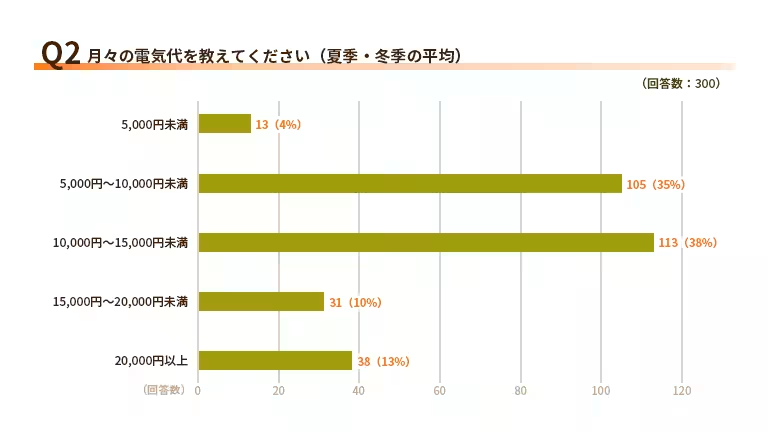
The survey also examined the average monthly electricity expenditure of the respondents. A significant 38% indicated that their bills ranged from 10,000 to 15,000 yen, while 35% fell into the 5,000 to 10,000 yen range. Together, these two categories represent nearly 70% of the respondents. On the other hand, 10% reported spending between 15,000 and 20,000 yen, with 13% exceeding 20,000 yen. A mere 4% indicated that their monthly bills were below 5,000 yen.
The findings suggest that many respondents feel a considerable financial burden regarding their electricity bills.
Energy-Saving Attitudes
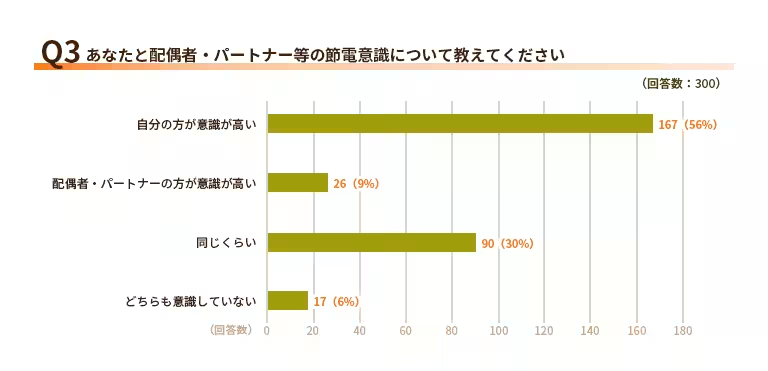
When asked about their awareness regarding electricity conservation, 56% believed they were more conscious of saving electricity than their partner, while only 9% felt their partner was more mindful. 30% believed both had similar attitudes, and 6% felt neither were concerned. The disparity in energy-saving attitudes could lead to conflicts and misunderstandings within households.
Disagreements on Air Conditioning Settings
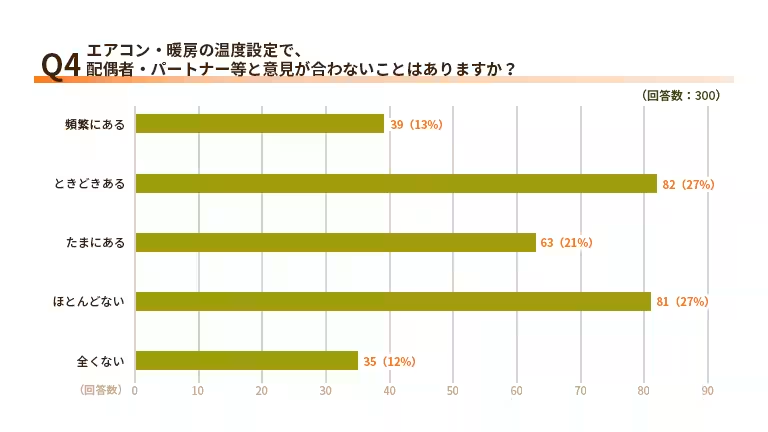
The survey also probed into disagreements over temperature settings for air conditioning and heating, a common source of conflict for couples. When asked if they often disagreed with their partner on this matter, 61% admitted to having frequent or occasional disagreements. Surprisingly, 27% stated these disagreements happened sometimes, indicating a moderate level of discourse on this front.
Conversely, 27% said disagreements are rare, with 12% reporting none at all, suggesting that some couples have successfully navigated this issue without significant contention.
Heated Arguments
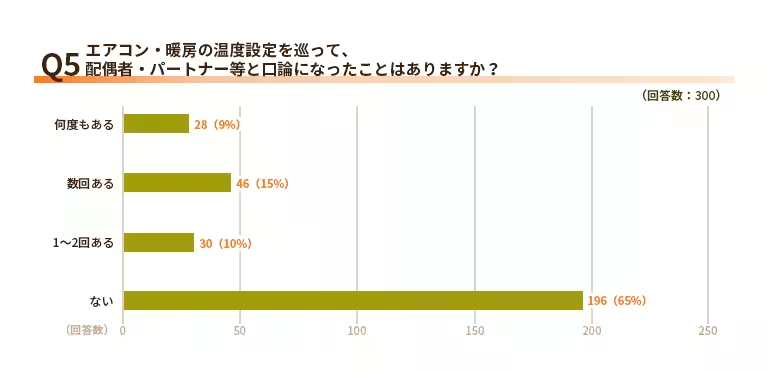
Interestingly, 65% of respondents claimed they had never engaged in arguments over temperature settings. However, 35% reported having had conflicts, pointing to the potential for serious disagreements stemming from these discussions. Given the frequency of air conditioning use, managing these discussions is vital to prevent escalation.
The Source of Arguments
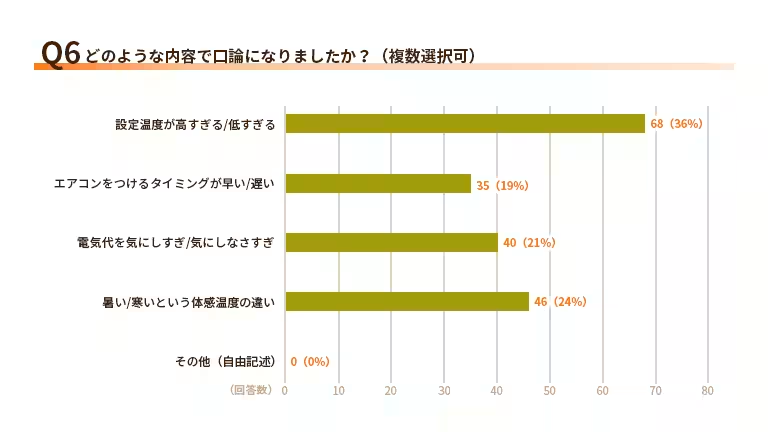
Those who experienced arguments shared various concerns, with the most common reason being disagreements on whether the temperature was too high or too low (23%). Other notable points of contention included perceived discomfort (15%) and worries about electricity bills (13%). Notably, timing concerning when to turn on the air conditioning was also a frequent cause of disputes (12%). The results reveal how differing perceptions on comfort and concerns over costs can become flashpoints in relationships.
Secretive Behaviors
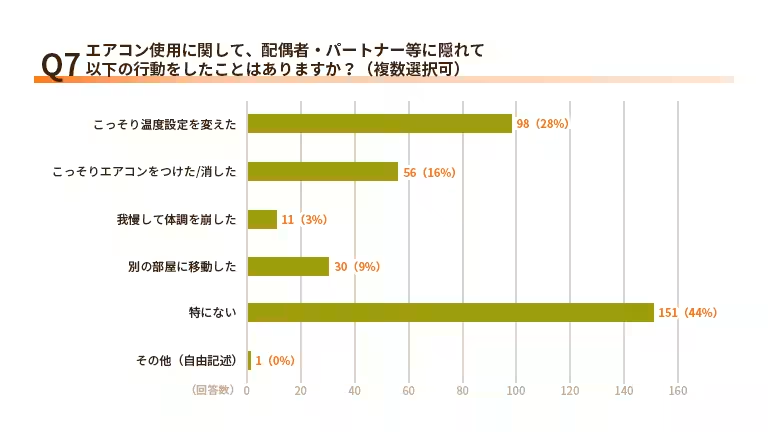
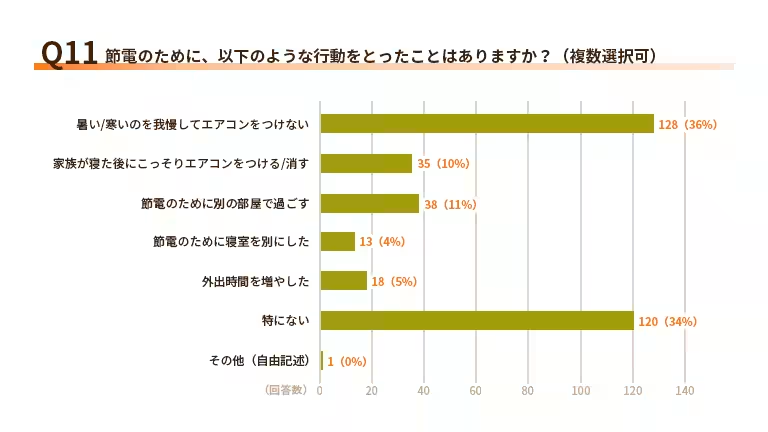
Additionally, respondents were asked if they had ever secretly adjusted the air conditioning settings or acted in ways avoiding direct conflict with their partner. A notable 33% admitted to secretly changing the temperature setting, with 19% doing so for turning the unit on or off. Moreover, 10% indicated they had moved to another room, and a small 4% felt compelled to suffer discomfort rather than face confrontation.
This behavior underscores a desire to avoid direct conflict while still feeling the need to make adjustments to comfort levels.
Forgetfulness Issues
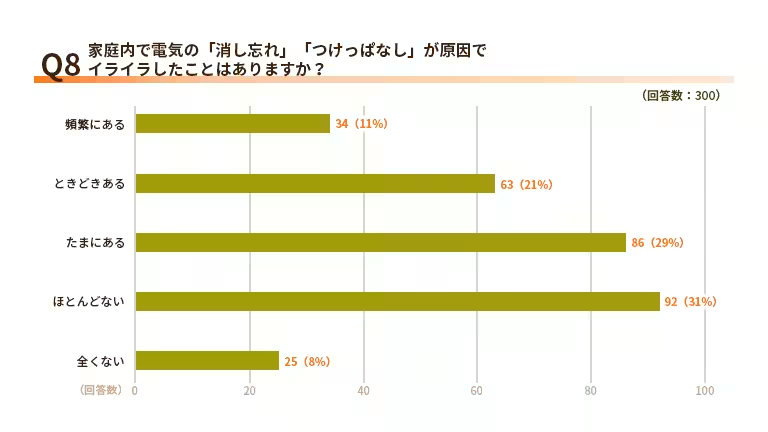
The research also looked into the repercussions of forgetting to turn off lights or appliances. A significant 61% reported feeling annoyed by such incidents weekly or occasionally. In contrast, 39% claimed it was rarely a problem, illustrating a divide in household awareness regarding energy use.
Perceived Negligence
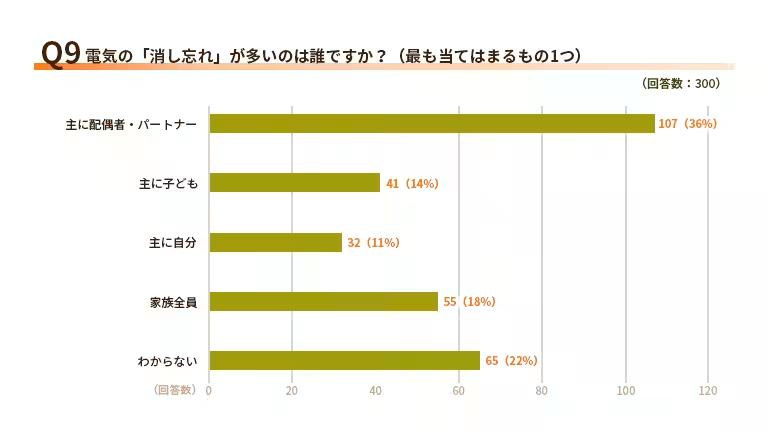
When asked who in the household was most likely to forget to turn off lights, 36% attributed it to their partner, while 14% blamed children. This perception likely contributes to household tension.
Impact on Relationships
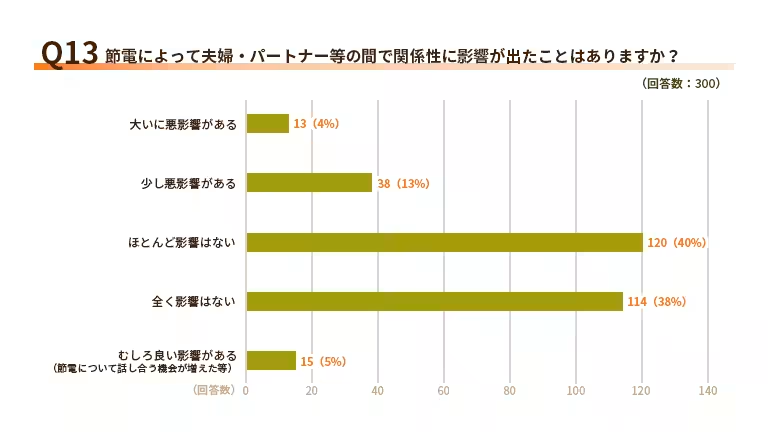
Finally, the impact of power saving on relationship dynamics was assessed. Most respondents (78%) claimed no effects on their relationships regarding energy-saving behaviors. However, 17% acknowledged feeling some adverse impacts, hinting that energy-saving practices could strain relationships if not managed properly. Conversely, 5% felt that it had positively influenced their relationship, providing opportunities for collaborative discussions.
Conclusion
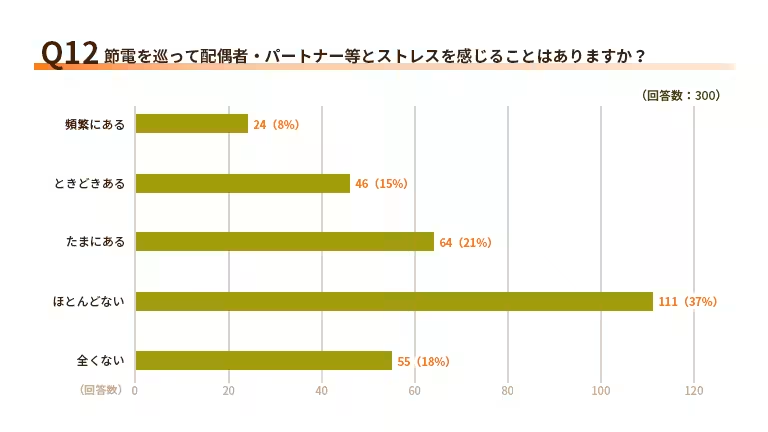
In conclusion, the survey demonstrates that many households live with a degree of discontent regarding energy usage, often leading to minor disputes or stress. The disparities in attitudes towards energy consumption and conservation can exacerbate tensions, thereby suggesting that couples should communicate openly to mitigate potential conflict. Additionally, exploring energy-saving strategies and examining electricity costs can yield financial relief and foster a more harmonious living environment.
To help alleviate pressure among households, it may be beneficial to consider platforms like "Enerione Denki" that offer tailored plans to suit varying home energy requirements. For those struggling to navigate energy costs effectively, utilizing tools like their electricity pricing simulation may provide clarity and options worth exploring for enhanced savings.
For more information about "Enerione Denki" and to explore their services, visit their official website.

Topics Consumer Products & Retail)







【About Using Articles】
You can freely use the title and article content by linking to the page where the article is posted.
※ Images cannot be used.
【About Links】
Links are free to use.