



Understanding the Rise of Autumn Fatigue: A Survey Reveals Its Severity in Japan
As we transition into fall in Japan, the phenomenon known as 'autumn fatigue' is becoming increasingly prevalent. Especially noticeable during this time of year, many individuals find themselves struggling with feelings of fatigue, sleep disturbances, and a general lack of motivation. A recent survey conducted by Yasuhiro Yamauchi, a renowned physiotherapist and the operator of the YouTube channel '腰痛・肩こり駆け込み寺', highlights the growth of this issue across the population.
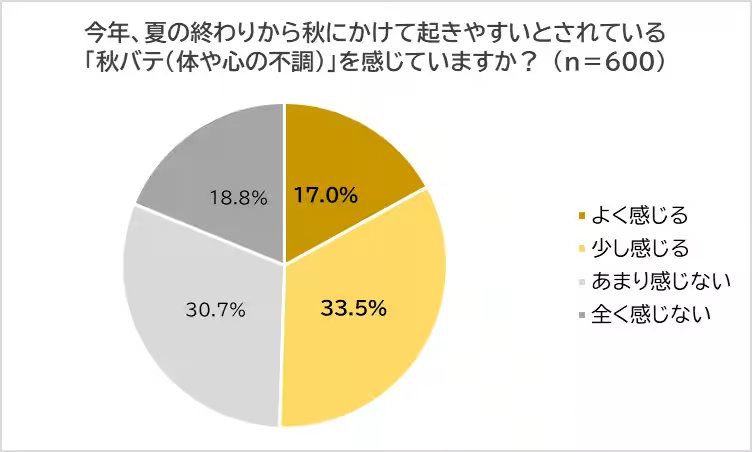
The survey was conducted on October 8, 2025, targeting 600 individuals between the ages of 35 and 65 from across the country. With a sample size carefully balanced by gender and age, the findings provide a comprehensive view of how autumn fatigue is affecting citizens. The results are telling; about 50.5% of respondents reported feeling some form of autumn-related fatigue. It’s important to note that only 18.8% claimed they did not feel any symptoms, indicating a widespread experience of unease as seasons change.
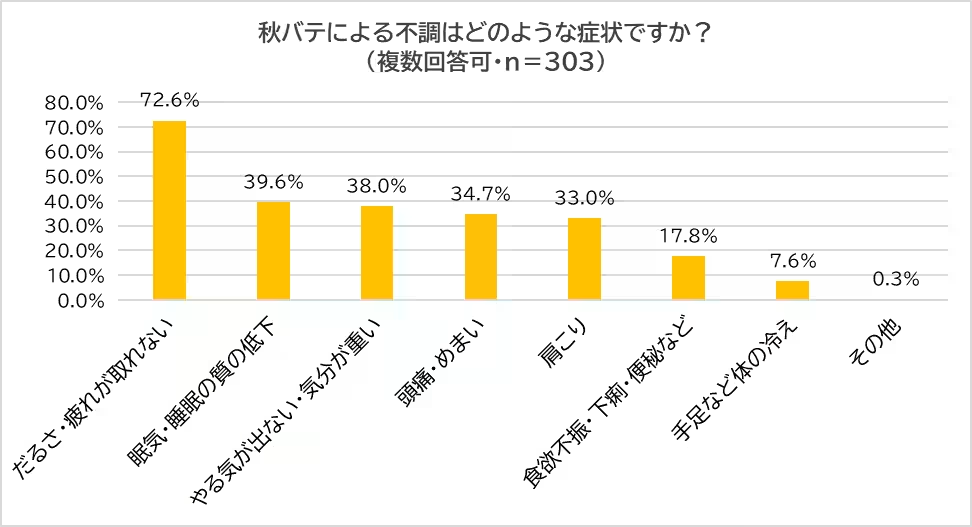
Among those who indicated experiencing autumn fatigue, a staggering 72.6% described feelings of persistent lethargy and an inability to recover from fatigue. Other serious concerns were identified, such as poor sleep quality (39.6%) and a general lack of motivation (38.0%).
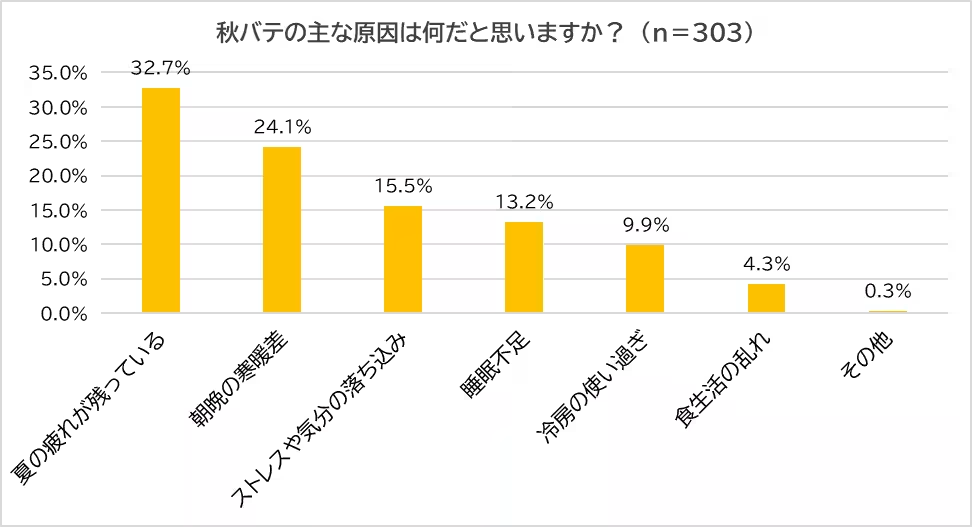
The principal causes highlighted in the survey point to residual fatigue from the summer months, combined with rapid temperature fluctuations that disrupt the body’s natural rhythm. Additional factors include sleep deprivation and over-reliance on air conditioning, which are prevalent during the hot summer months.
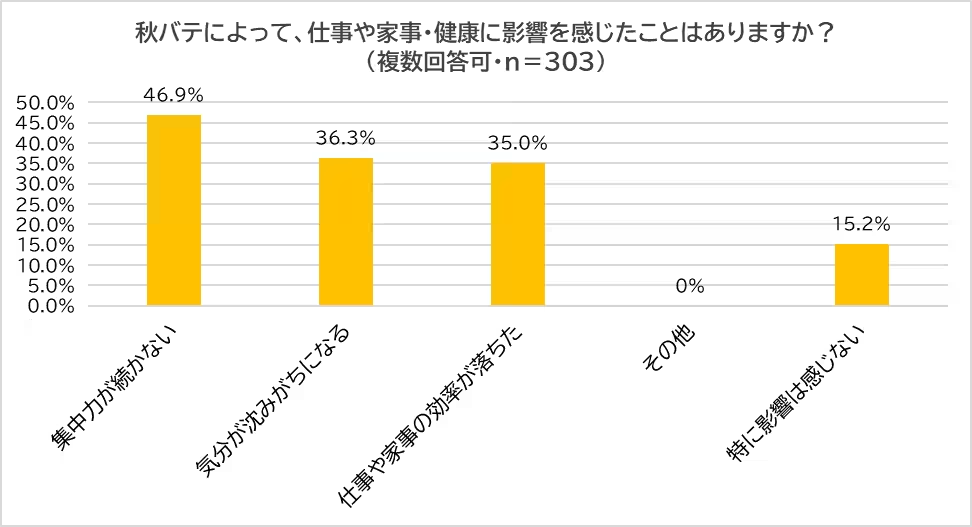
Yet, the effects of autumn fatigue extend beyond just physical feelings of tiredness. Nearly half of those affected reported decreased concentration (46.9%), along with a tendency towards mood instability (36.3%). Around 35% acknowledged that their efficiency in both work and household duties had suffered due to these symptoms. For the working-age population, this represents a significant challenge, as autumn fatigue poses a lifestyle risk that shouldn’t be underestimated.
Yasuhiro Yamauchi shared his expertise on this issue, suggesting that the arrhythmia in the autonomic nervous system is the root cause of many symptoms. The change in temperature during autumn demands more from our bodies; combining that with the lingering fatigue from summer creates a perfect storm for health disruptions.
The survey's results reveal that an array of symptoms often accompanies autumn fatigue. Common complaints include not only tiredness but also sleep disturbances, lack of enthusiasm, headaches, and feelings of dizziness.
One significant contributor to autumn fatigue is the dramatic temperature change between early mornings and late evenings, which affects the body's ability to adapt. During summer, prolonged exposure to air-conditioned environments alongside high outdoor temperatures puts a strain on the autonomic nervous system responsible for regulating body temperature and overall well-being. This imbalance leads to issues such as shoulder pain and general fatigue as blood circulation deteriorates, causing a negative feedback loop of discomfort.
Furthermore, the short fall days result in decreased sunlight, which can reduce serotonin— a hormone linked to feelings of well-being— and increase melatonin, responsible for sleep regulation. This hormonal change contributes to a drop in mood and a reduction in sleep quality.
Changing atmospheric pressure brought on by autumn rains and typhoons can also exacerbate symptoms, leading to dizziness and intensified disruptions in the autonomic nervous system.
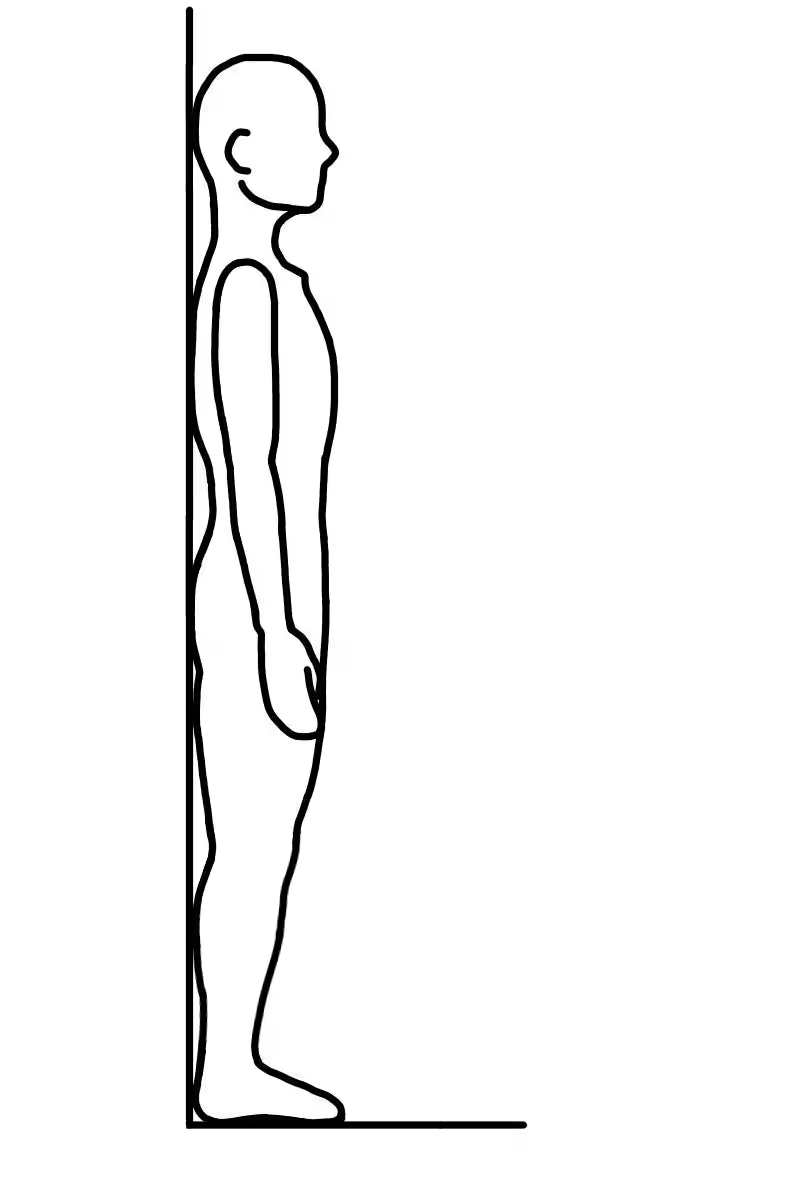
Yasuhiro Yamauchi emphasizes the importance of self-care. Simple practices like correcting postural alignment and ensuring proper breathing can significantly impact health. For instance, maintaining good neck posture can help avoid the issue of 'straight neck,' which contributes to discomfort and tension in the upper body and can further impede circulation and sleep quality. Individuals can perform a straightforward self-check for their neck posture by following a few easy steps.
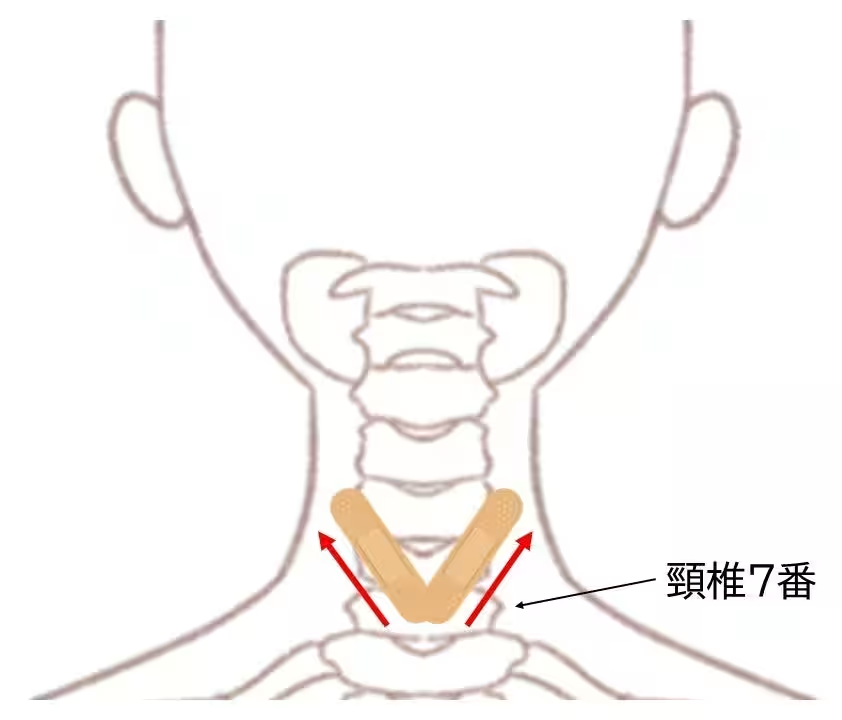
Yamauchi also recommends practical interventions, such as using adhesive bandages on tight muscle areas around the neck. This technique can help ease muscle tension and improve blood flow to enhance overall health. The basic guideline involves finding the C7 vertebra at the neck’s base, applying bandages diagonally to promote muscle relaxation, and subsequently enhancing both breathing and circulation.
Ultimately, addressing autumn fatigue requires a multi-faceted approach that considers physical, mental, and emotional well-being. As we navigate through this season, it is crucial for individuals to remain aware of their symptoms and adopt proactive measures to claim their health back.
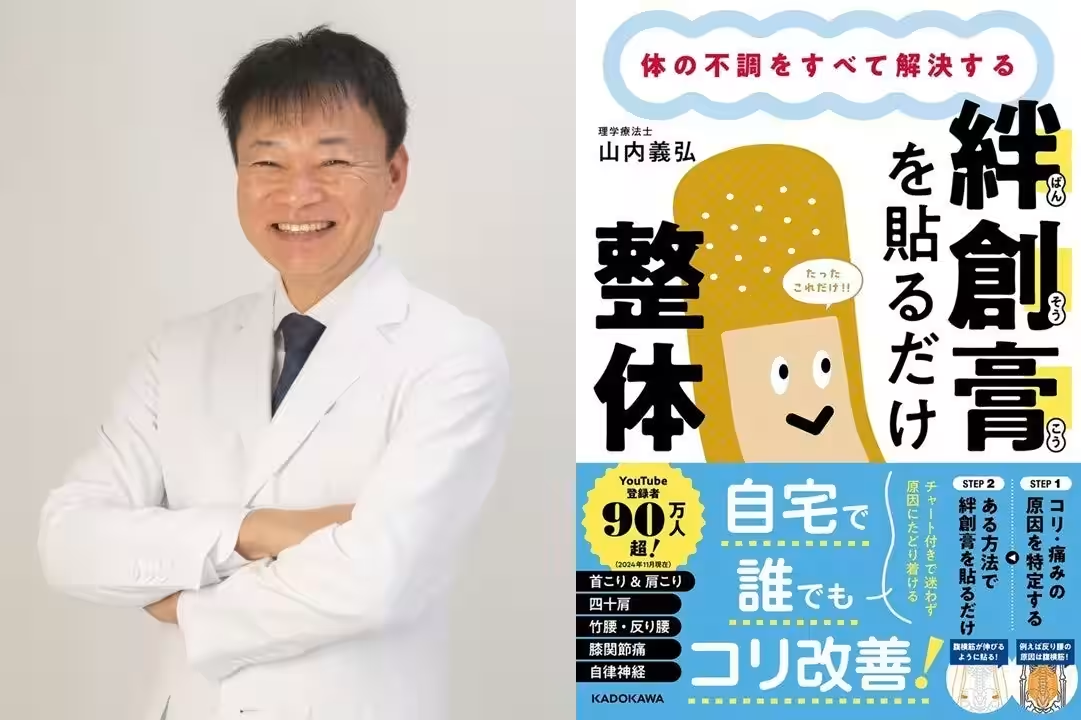
Born in 1970 in Nagoya, Aichi Prefecture, Yasuhiro Yamauchi is a certified physiotherapist with over 20 years of clinical experience. He boasts more than 138,000 subscribers on his YouTube channel and has treated a vast number of cases. With a goal of relieving unnecessary reliance on medication and surgeries, he has developed unique methods for self-care and routinely engages in public speaking to share his knowledge and empower individuals. His latest publication, set for release on December 25, 2024, focuses on utilizing adhesive bandages to support health and wellness, underlining his commitment to improving lives in Japan and beyond.
Survey Overview
The survey was conducted on October 8, 2025, targeting 600 individuals between the ages of 35 and 65 from across the country. With a sample size carefully balanced by gender and age, the findings provide a comprehensive view of how autumn fatigue is affecting citizens. The results are telling; about 50.5% of respondents reported feeling some form of autumn-related fatigue. It’s important to note that only 18.8% claimed they did not feel any symptoms, indicating a widespread experience of unease as seasons change.
Summary of Findings
Among those who indicated experiencing autumn fatigue, a staggering 72.6% described feelings of persistent lethargy and an inability to recover from fatigue. Other serious concerns were identified, such as poor sleep quality (39.6%) and a general lack of motivation (38.0%).
The principal causes highlighted in the survey point to residual fatigue from the summer months, combined with rapid temperature fluctuations that disrupt the body’s natural rhythm. Additional factors include sleep deprivation and over-reliance on air conditioning, which are prevalent during the hot summer months.
Yet, the effects of autumn fatigue extend beyond just physical feelings of tiredness. Nearly half of those affected reported decreased concentration (46.9%), along with a tendency towards mood instability (36.3%). Around 35% acknowledged that their efficiency in both work and household duties had suffered due to these symptoms. For the working-age population, this represents a significant challenge, as autumn fatigue poses a lifestyle risk that shouldn’t be underestimated.
Insights from Physiotherapist Yasuhiro Yamauchi
Yasuhiro Yamauchi shared his expertise on this issue, suggesting that the arrhythmia in the autonomic nervous system is the root cause of many symptoms. The change in temperature during autumn demands more from our bodies; combining that with the lingering fatigue from summer creates a perfect storm for health disruptions.
The survey's results reveal that an array of symptoms often accompanies autumn fatigue. Common complaints include not only tiredness but also sleep disturbances, lack of enthusiasm, headaches, and feelings of dizziness.
Causes of Autumn Fatigue
One significant contributor to autumn fatigue is the dramatic temperature change between early mornings and late evenings, which affects the body's ability to adapt. During summer, prolonged exposure to air-conditioned environments alongside high outdoor temperatures puts a strain on the autonomic nervous system responsible for regulating body temperature and overall well-being. This imbalance leads to issues such as shoulder pain and general fatigue as blood circulation deteriorates, causing a negative feedback loop of discomfort.
Furthermore, the short fall days result in decreased sunlight, which can reduce serotonin— a hormone linked to feelings of well-being— and increase melatonin, responsible for sleep regulation. This hormonal change contributes to a drop in mood and a reduction in sleep quality.
Changing atmospheric pressure brought on by autumn rains and typhoons can also exacerbate symptoms, leading to dizziness and intensified disruptions in the autonomic nervous system.
Addressing the Issue: Self-Care Tips
Yasuhiro Yamauchi emphasizes the importance of self-care. Simple practices like correcting postural alignment and ensuring proper breathing can significantly impact health. For instance, maintaining good neck posture can help avoid the issue of 'straight neck,' which contributes to discomfort and tension in the upper body and can further impede circulation and sleep quality. Individuals can perform a straightforward self-check for their neck posture by following a few easy steps.
Yamauchi also recommends practical interventions, such as using adhesive bandages on tight muscle areas around the neck. This technique can help ease muscle tension and improve blood flow to enhance overall health. The basic guideline involves finding the C7 vertebra at the neck’s base, applying bandages diagonally to promote muscle relaxation, and subsequently enhancing both breathing and circulation.
Ultimately, addressing autumn fatigue requires a multi-faceted approach that considers physical, mental, and emotional well-being. As we navigate through this season, it is crucial for individuals to remain aware of their symptoms and adopt proactive measures to claim their health back.
About Yasuhiro Yamauchi
Born in 1970 in Nagoya, Aichi Prefecture, Yasuhiro Yamauchi is a certified physiotherapist with over 20 years of clinical experience. He boasts more than 138,000 subscribers on his YouTube channel and has treated a vast number of cases. With a goal of relieving unnecessary reliance on medication and surgeries, he has developed unique methods for self-care and routinely engages in public speaking to share his knowledge and empower individuals. His latest publication, set for release on December 25, 2024, focuses on utilizing adhesive bandages to support health and wellness, underlining his commitment to improving lives in Japan and beyond.
Topics Health)
【About Using Articles】
You can freely use the title and article content by linking to the page where the article is posted.
※ Images cannot be used.
【About Links】
Links are free to use.