



How Negative Online Information Affects Consumer Behavior and Company Reputation Management
Introduction
In today's digital age, negative information found online has not only the potential to sway public opinion but also significantly impacts consumer behavior. Recent research conducted by the Net Reputation Damage Prevention Company surveyed over 5,000 individuals across Japan, revealing that a considerable portion of consumers is influenced by negative online content when determining their choices regarding purchases and contracts.
Key Findings
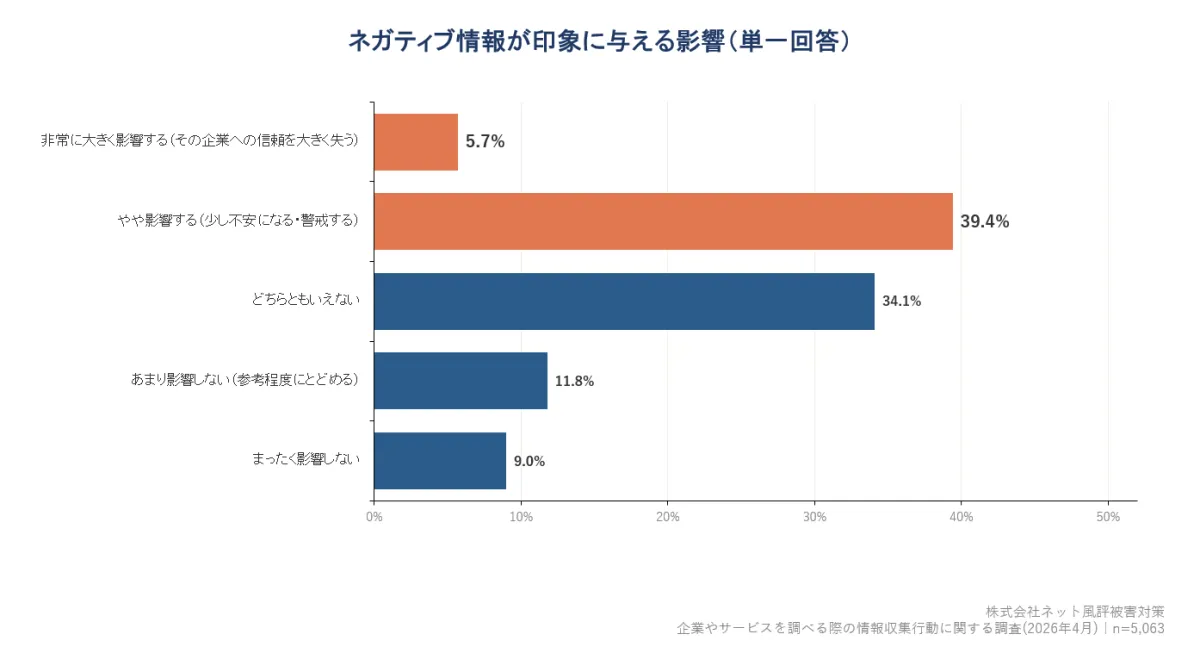
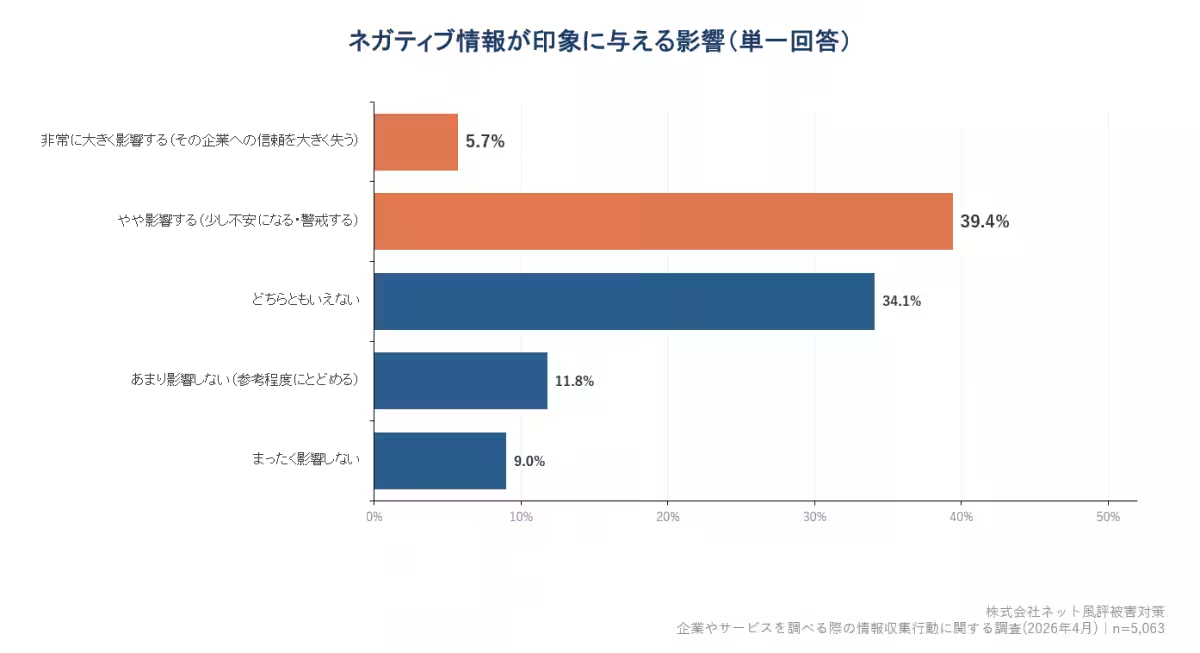
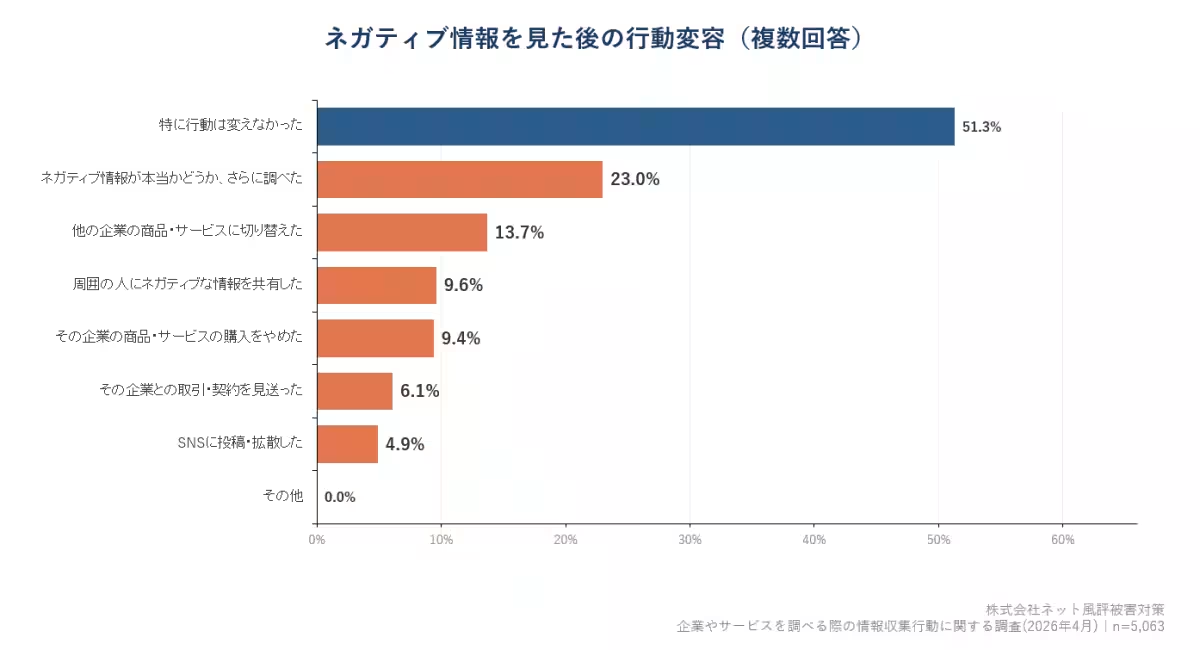
The main question addressed by this extensive survey is whether negative information still drives consumer actions. The unequivocal answer is yes. Out of those who encountered negative information, nearly half (45.1%) adjusted their perception of companies downwards. Furthermore, approximately 30% decided to either halt purchases, switch companies, or postpone contracts based on unfavorable data they encountered.
Search Engine Dominance
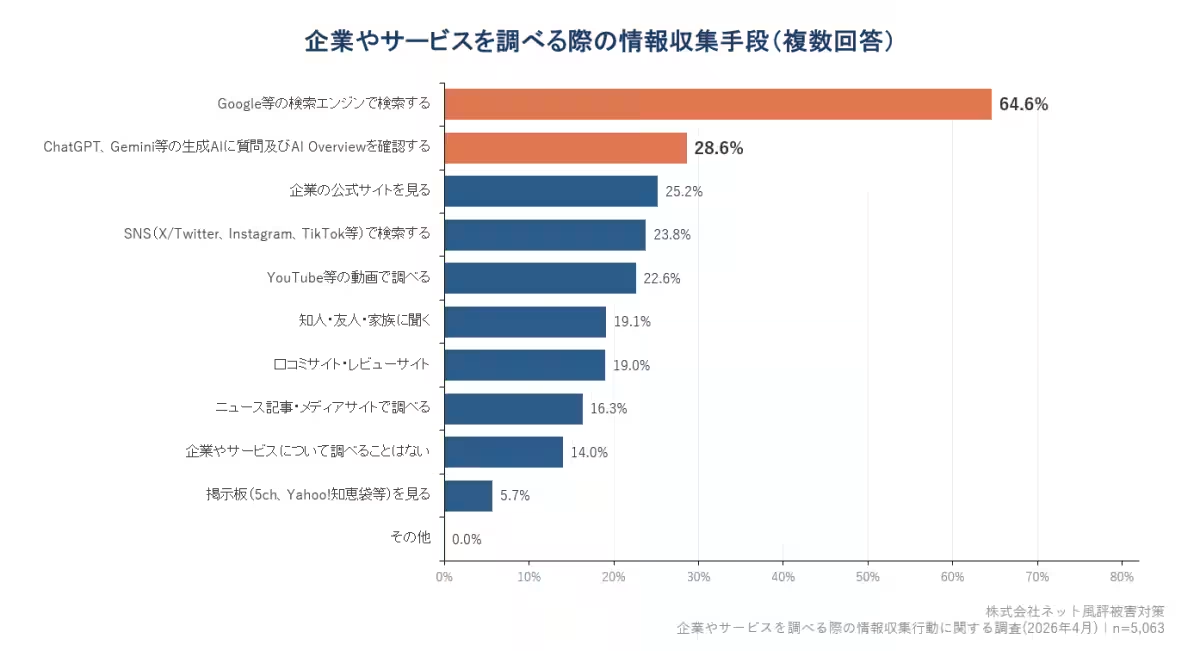
Traditional information channels, especially search engines, remain paramount, with a staggering 64.6% of respondents using them to evaluate companies. The importance of reverse SEO strategies remains critical as consumers rely on these platforms for forming impressions about brands. As such, safeguarding company image against negative search results is foundational to preserving a solid brand reputation.
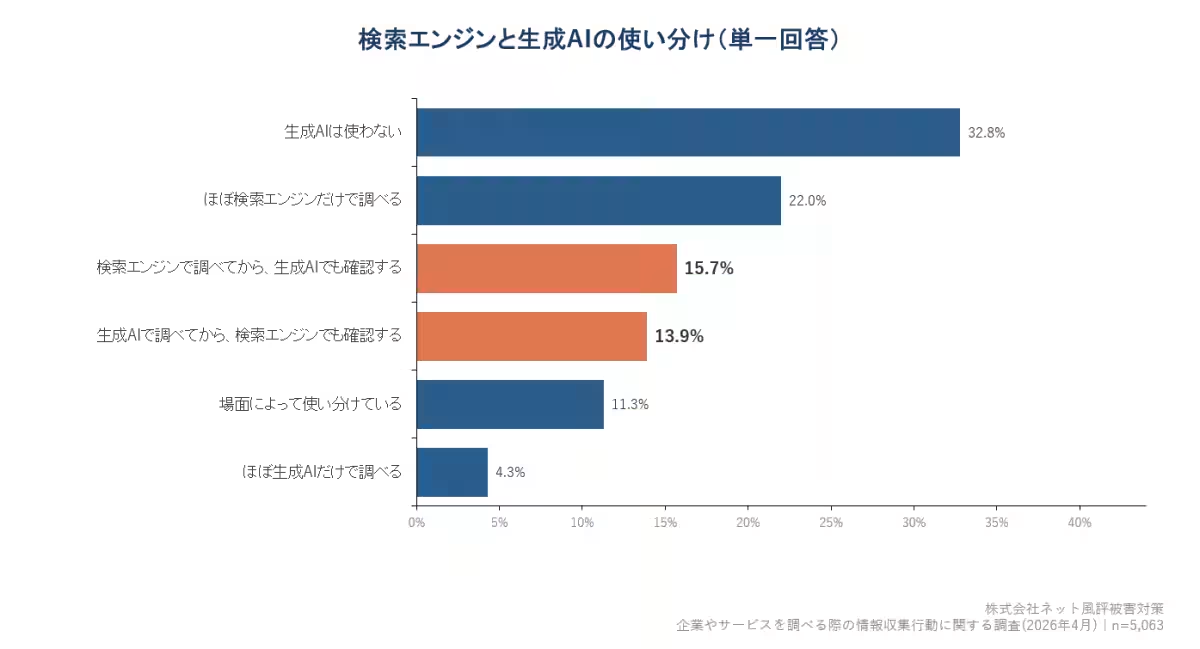
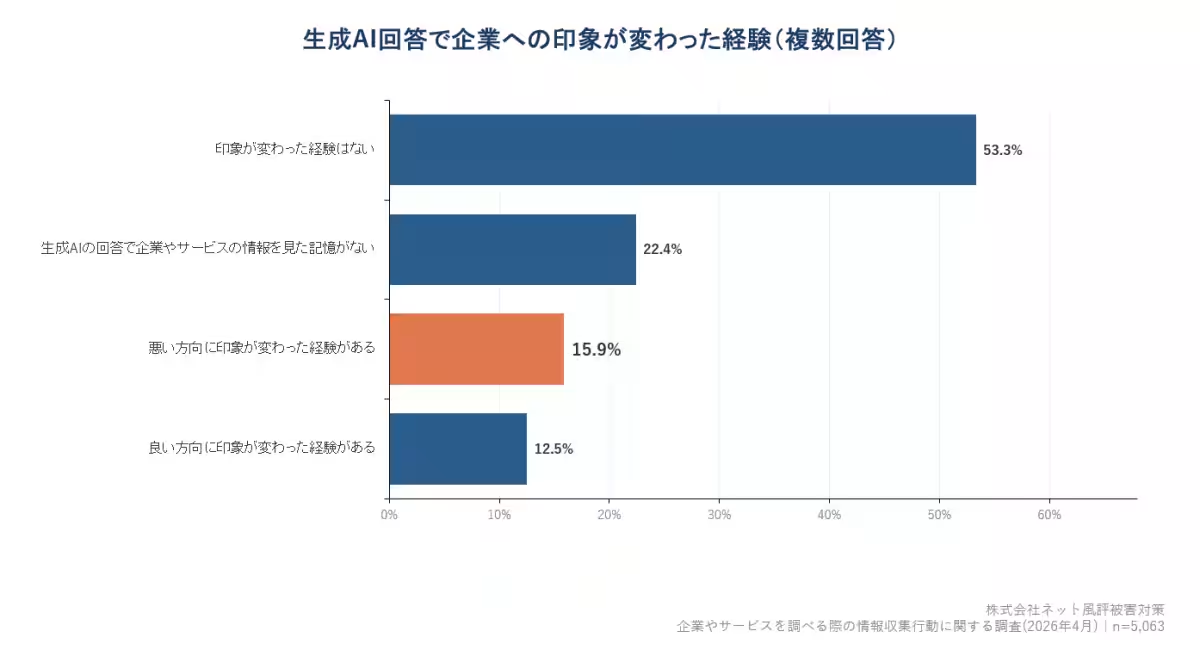
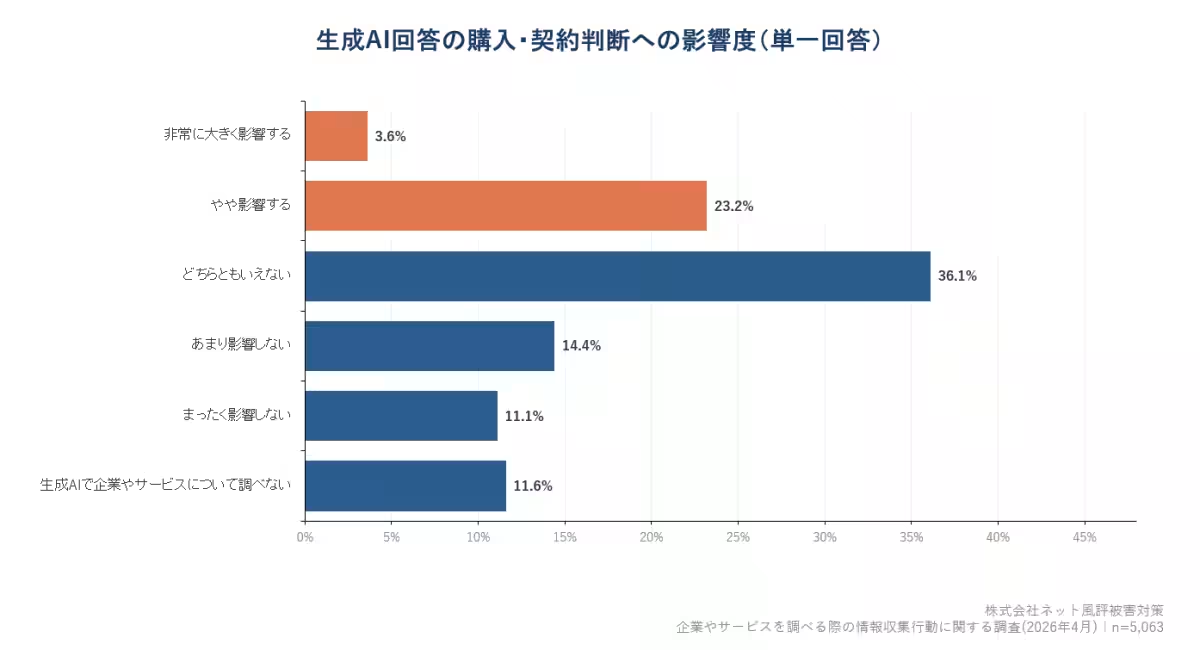
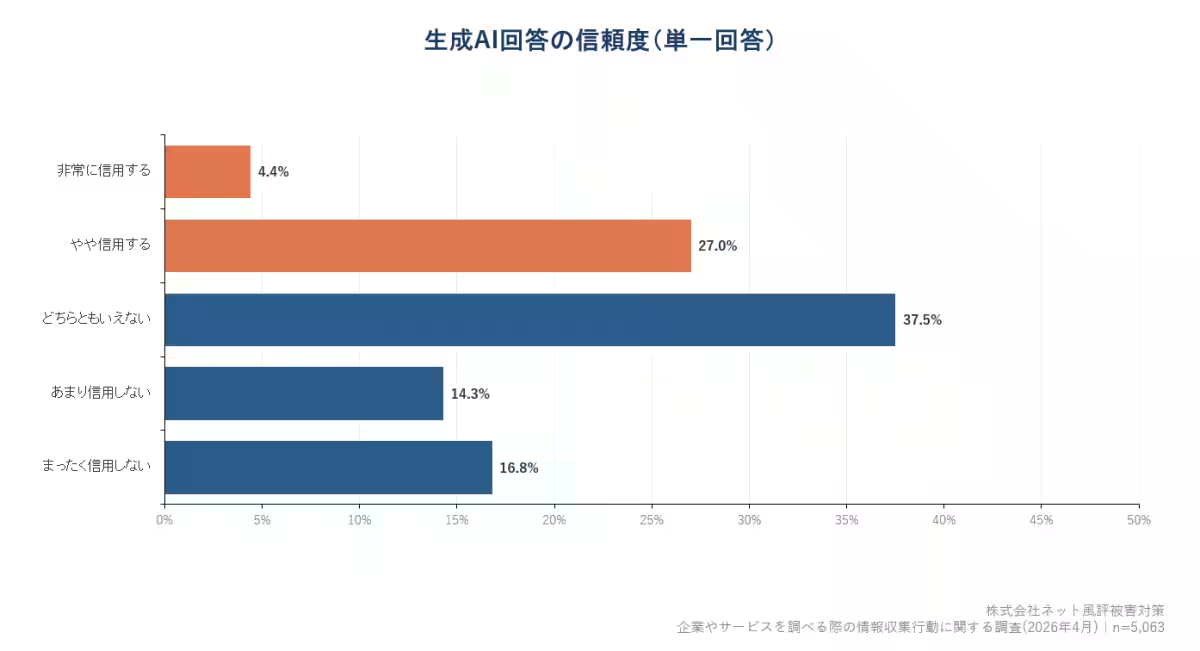
In addition, with the emergence of generative AI as a new source of information, conduct regarding company assessments is evolving. Among those surveyed, 28.6% reported utilizing generative AI in their company research, while 15.9% noted that their impression of a company worsened after viewing AI-generated responses. This raises a crucial implication that businesses now need to monitor not only traditional search results but also the information spread through AI systems.
The 5 Essential Findings
The survey uncovered five key insights regarding how consumers respond to negative information:
1. Impact of Negative Information: 45.1% of consumers indicated that encountering negative information pushed them to shift their impression of the respective company.
2. Direct Withdrawal Actions: 29.2% of respondents engaged in direct withdrawal behaviors such as halting purchases or switching to competitors after seeing negative content.
3. Information Sources: Search engines were identified as the top information source, with 64.6% of respondents confirming they use them when researching companies.
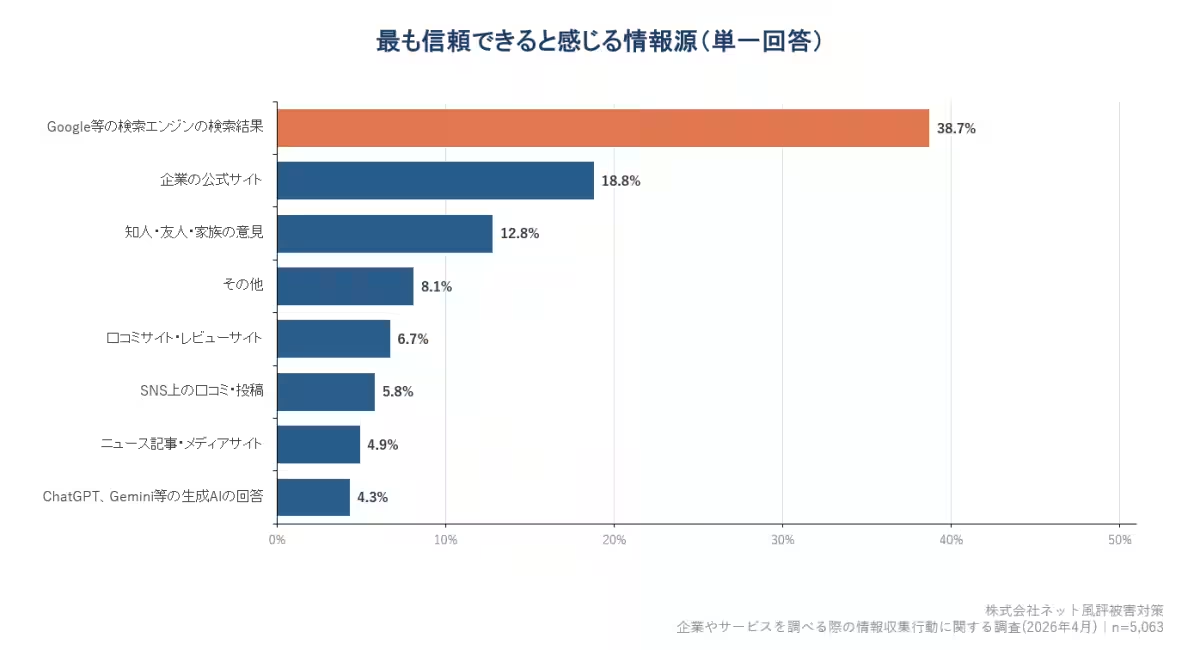
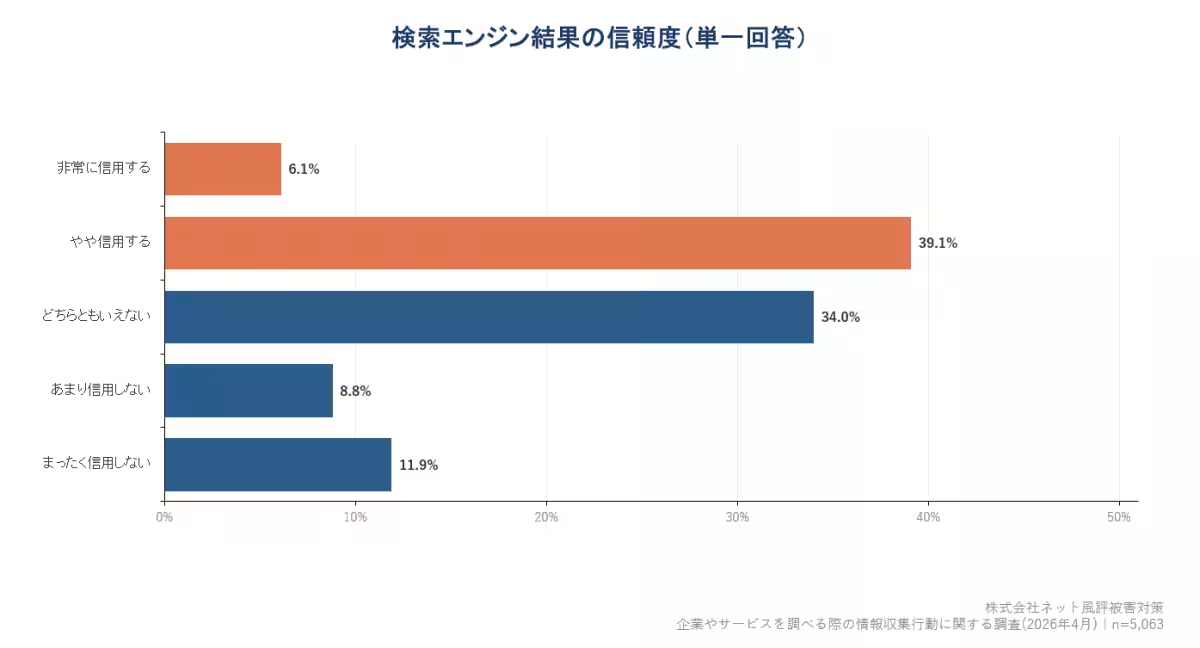
4. Trust in Sources: Search engines (38.7%) and official company websites (18.8%) were cited as the most trusted sources of information.
5. The Emerging Role of AI: As generative AI technologies continue to gain traction, businesses need to establish reverse AI search strategies to manage how company narratives are portrayed.
Consumer Behavior Trends
The survey highlighted significant trends in consumer behavior related to negative online information. For example, after encountering negative reviews or reports, many respondents took proactive steps to verify claims, with 23.0% of consumers undertaking fact-checking actions. This indicates that the consequences of negative information stretch beyond immediate withdrawal behavior; companies are experiencing a ripple effect as consumers share negative information with others. Approximately 14.5% reported sharing or promoting negative details online themselves.
Continuing Relevance of Reverse SEO
The survey results reaffirm the necessity of maintaining robust reverse SEO strategies. Given that search engines remain the primary touchpoints for consumers when evaluating companies, it’s critical that organizations actively manage their online presence to combat negative information effectively. Failing to address this may lead to detrimental impacts on sales and consumer trust.
The Need for Dual Defense
As the digital landscape evolves, businesses must adopt a dual approach to reputation management. Traditional reverse SEO strategies should be complemented with new tactics focused on generative AI. This entails not only managing the negative content appearing in traditional search results but also ensuring that AI-generated narratives accurately reflect the company's values and reputation.
Conclusion
Negative online information continues to have a direct impact on consumer decisions and, by extension, company revenue. Businesses must embrace reverse SEO as a fundamental operational strategy and recognize the importance of adapting to the rise of AI-generated content to protect their brand reputation effectively. As we navigate this new era, developing comprehensive reputation management strategies that incorporate traditional and contemporary channels will be critical to thriving amidst the challenges posed by negative online narratives.
Companies seeking to enhance their defense against negative online information and improve their public perception through advanced monitoring strategies should consider partnering with specialists in reputation management like the Net Reputation Damage Prevention Company.

Topics Consumer Products & Retail)






【About Using Articles】
You can freely use the title and article content by linking to the page where the article is posted.
※ Images cannot be used.
【About Links】
Links are free to use.