



Survey Reveals Surprising Trends in E-Commerce Buying Behavior Among Consumers
Insight into E-Commerce Purchasing Trends
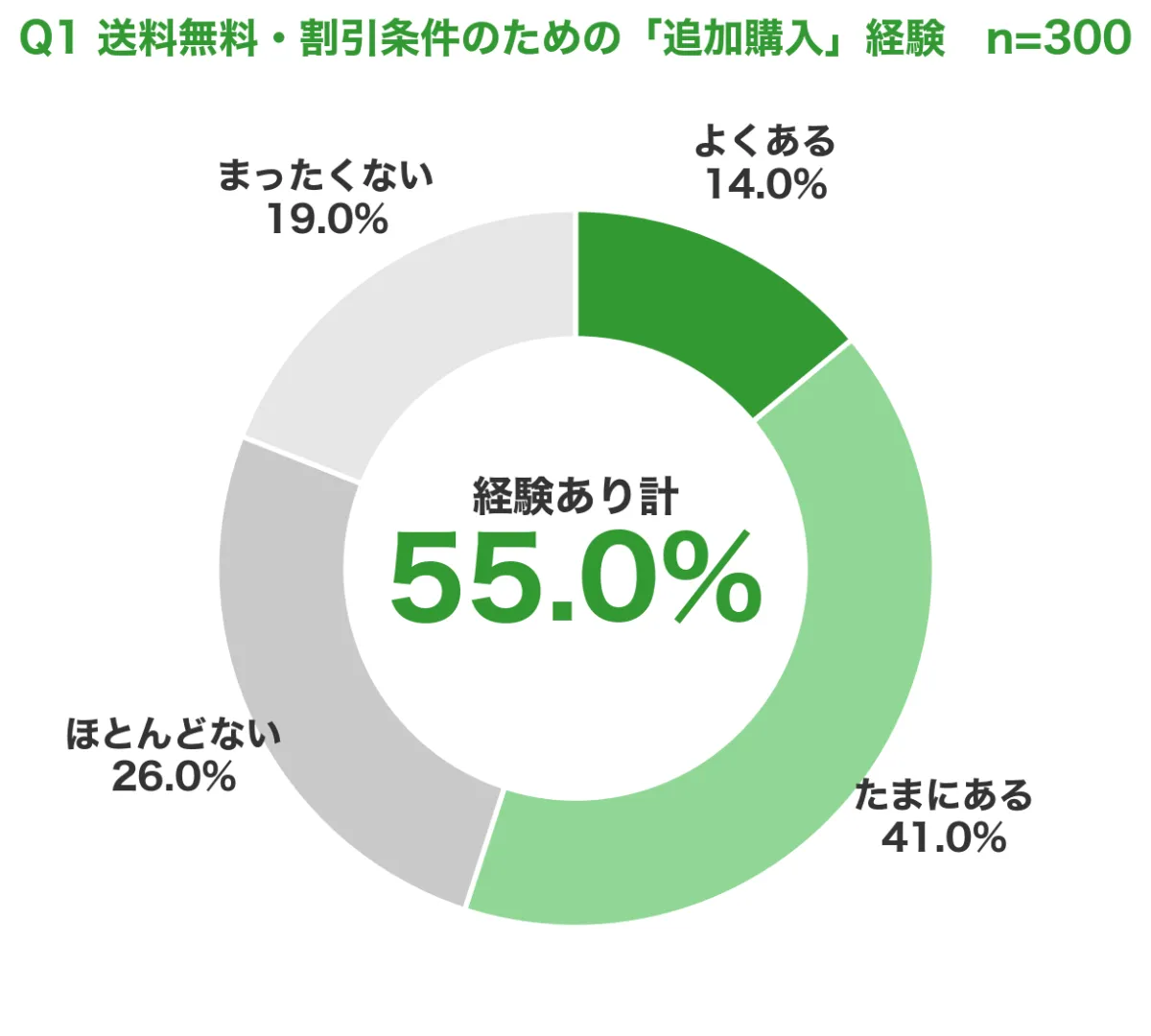
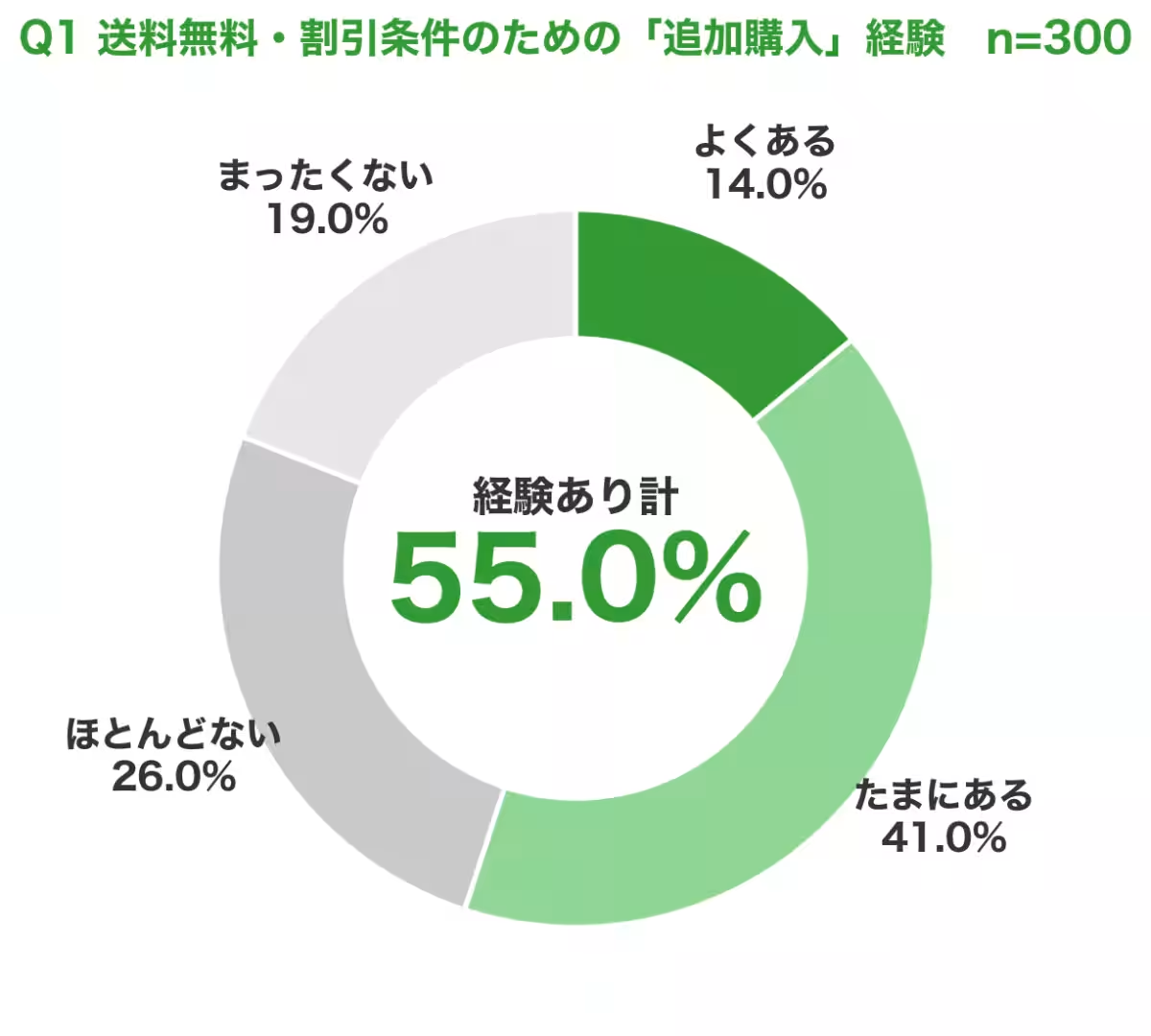
A recent study by Spollup Co., Ltd. reveals that 55% of e-commerce active users have made additional purchases to meet conditions like free shipping or discounts. This trend has significant implications for consumer behavior and satisfaction, showing that while incentives can drive sales, they may also lead to regret.
Overview of the Survey
Spollup, based in Chofu City, Tokyo, conducted a survey titled "Survey on Group Buying Behavior 2026," targeting 300 active users of e-commerce. This study is the fifth in a series exploring consumer purchasing behavior, following topics like e-commerce review reliability and self-reward purchasing. The main focus was to quantify the reality of additional purchases driven by conditions such as "free shipping" and discounts.
Key Findings
- - Experience of Additional Purchases: 55% of respondents admitted to adding products they had not initially planned to buy, primarily to qualify for free shipping or discounts. Notably, women (60%) were more likely than men (50%) to engage in this behavior. Users aged in their 30s to 50s were more prevalent in this trend, while those in their 20s reported the lowest rates (41.9%).
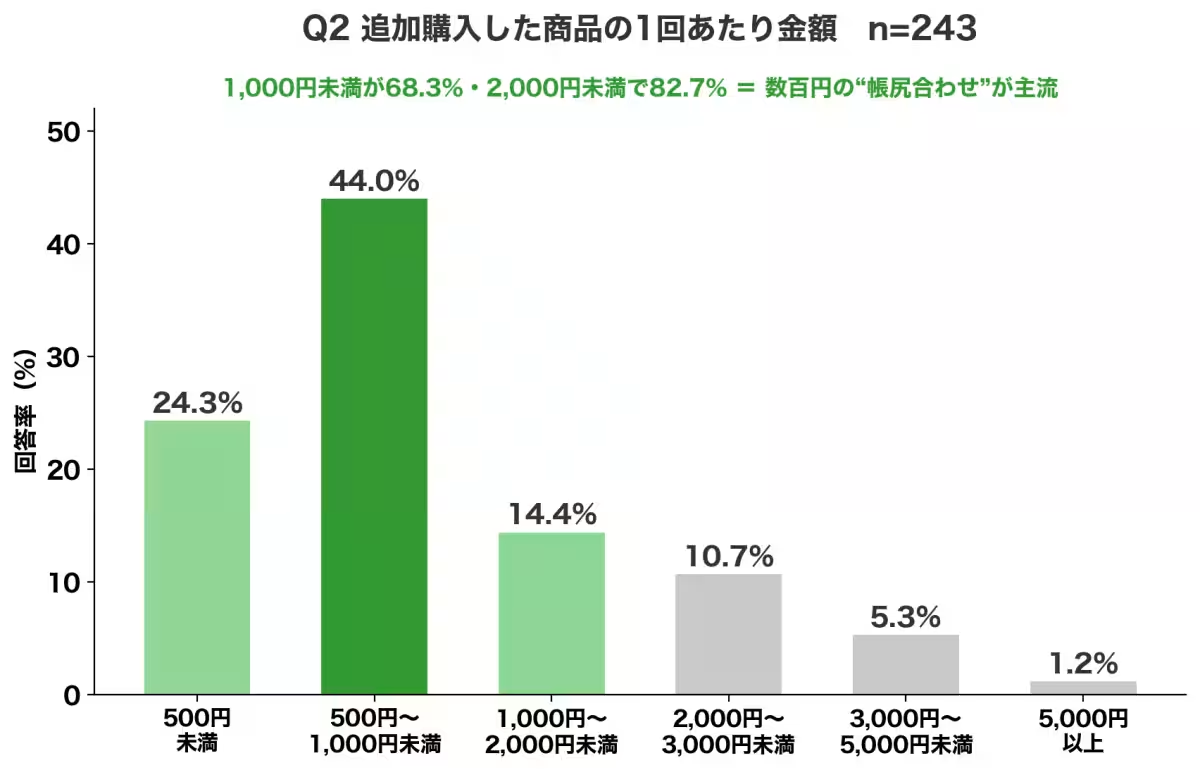
- - Monetary Impact: The most common amount spent on these additional purchases ranged from 500 to 1,000 yen, accounting for 44% of respondents. Within this threshold, a total of 68.3% of additional spending fell under 1,000 yen, indicating a tendency to make small purchases to circumvent shipping fees.
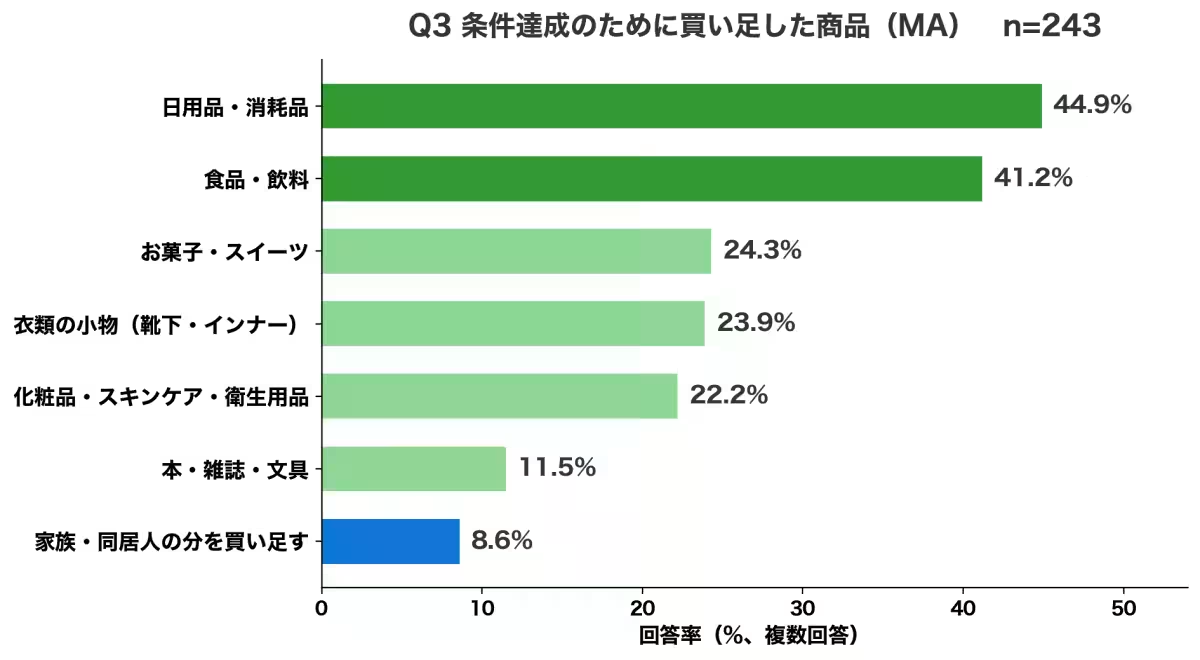
- - Types of Additional Purchases: The top categories of products added include daily necessities (44.9%) and food and beverages (41.2%).
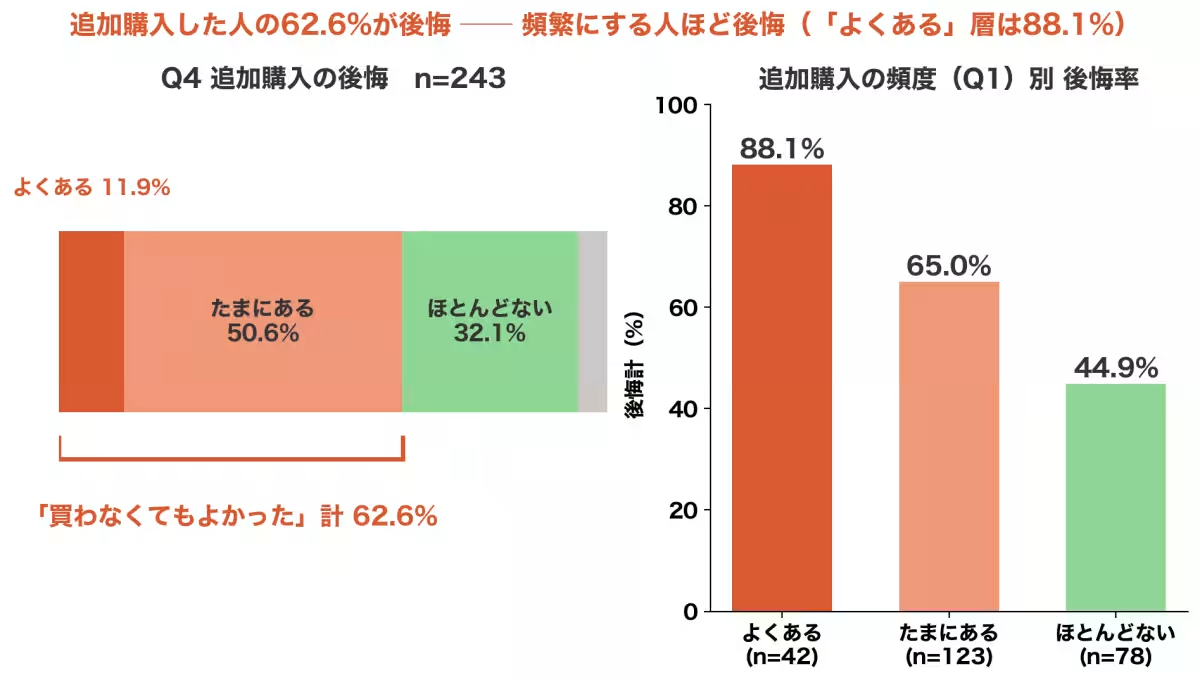
- - Feelings of Regret: Over 62% of individuals who made additional purchases reported feelings of regret, with frequent additional buyers experiencing this regret at an even higher rate of 88.1%.
Behavior Patterns
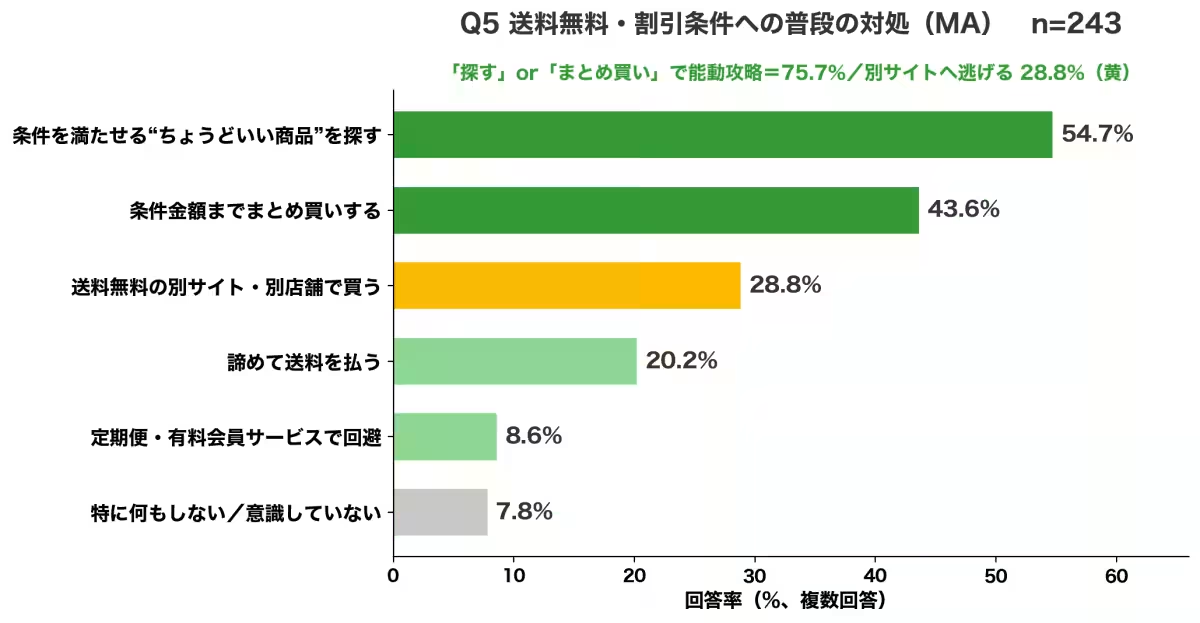
When faced with shipping thresholds, 54.7% of respondents sought products that precisely met the conditions, while 28.8% opted to shop on other websites altogether. These findings suggest that incentives like free shipping can lead to an overwhelming feeling of regret when consumers buy items they don't genuinely need.
Comparative Insights
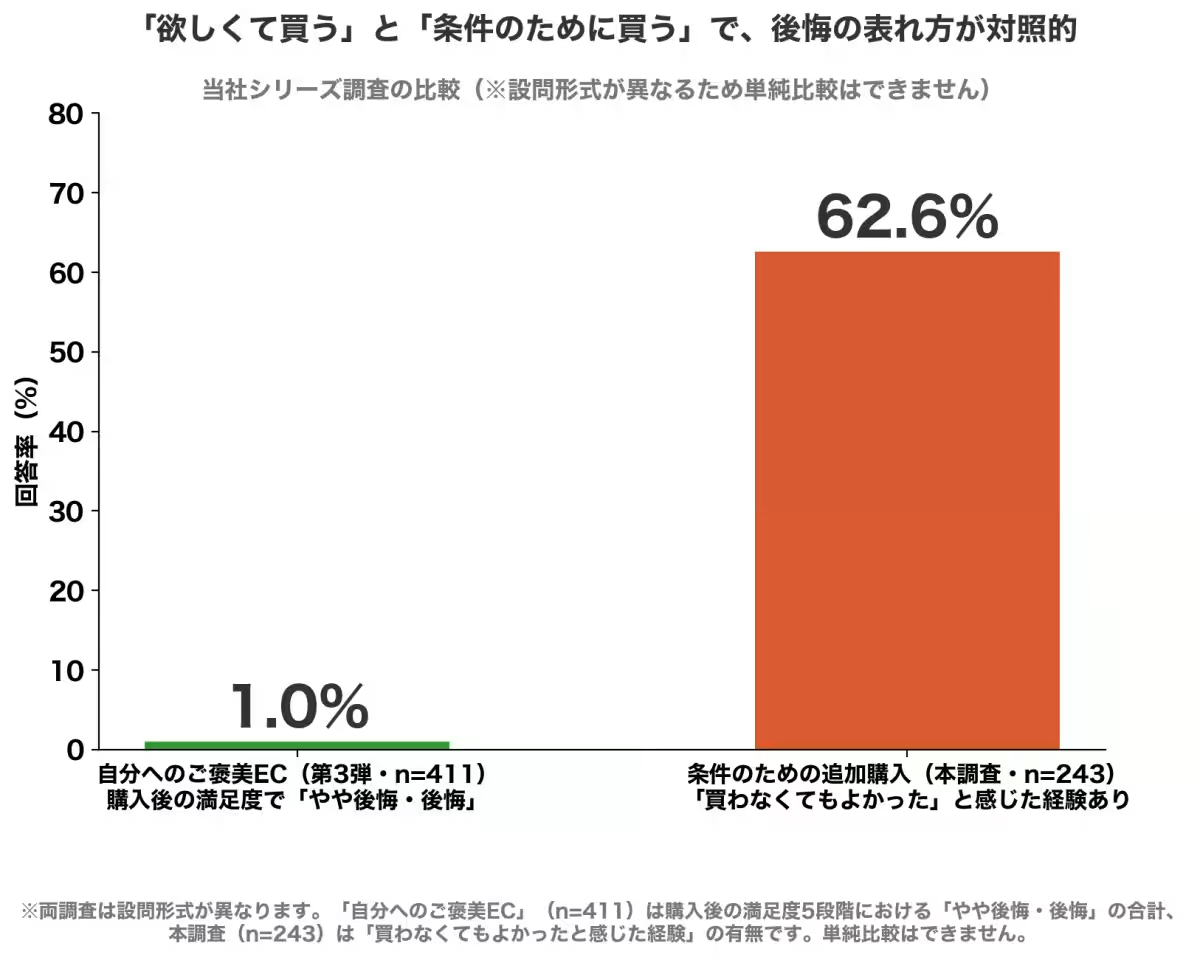
In contrast to another Spollup study regarding "Self-Reward EC," which revealed only 1% of consumers regretted their purchases, the current study indicates that 62.6% of additional purchases made for the sake of meeting conditions resulted in regret. This highlights a significant distinction in purchasing motivations—those who buy out of genuine desire experience satisfaction, while those motivated by conditions report dissatisfaction.
Consumer Strategies
The survey also revealed strategies consumers employ to tackle shipping conditions. Many proactively seek "just-right products" to meet these criteria. However, 20.2% of consumers simply choose to forego additional purchases and pay for shipping instead.
Analysis of Consumer Sentiment
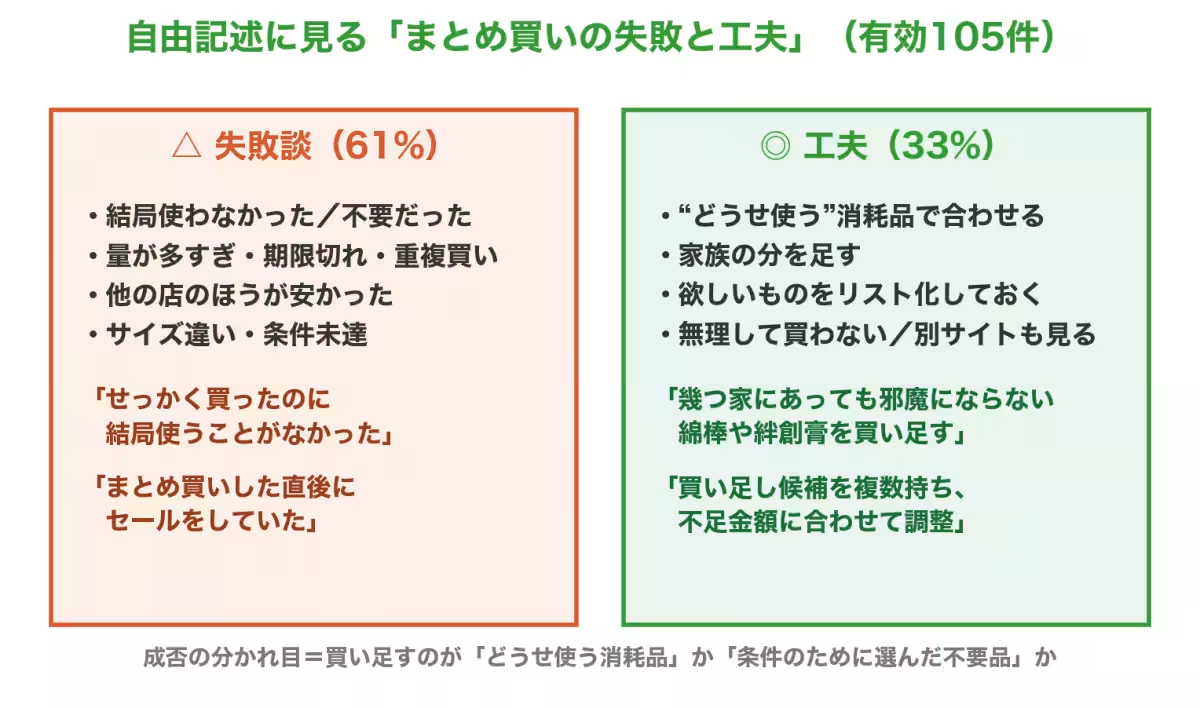
Among additional purchase motivations, 61% of responses included narratives of failure in purchasing decisions, such as items that ultimately went unused or were purchased at a discount shortly after. Conversely, 33% shared innovative approaches to make informed purchasing decisions, emphasizing practicality and common sense when it comes to buying necessities.
Future Implications for E-commerce
The results of this survey offer critical insights for e-commerce businesses:
1. Highlight Just-Right Products: A significant portion of consumers is actively looking for products that meet specific conditions. Providers can leverage this by recommending consumables and SKUs relevant to customer needs, thereby reducing the rate of regret.
2. Encourage Smart Purchasing Behaviors: Suggestions for consumable and essential items in shopping carts could help lower regret rates among consumers.
3. Address Register Declines: With about 29% of buyers opting to shop elsewhere, e-commerce businesses should rethink their shipping thresholds and consider incentivizing minimal additional charges to retain customers.
In conclusion, while conditions like free shipping boost sales, they may simultaneously create detrimental feelings of regret among consumers. Brands need to foster purchasing environments that minimize buyer regret, boosting overall satisfaction and facilitating repeat business.
For further insights and a detailed report on the findings, visit Spollup's official website.
Topics Consumer Products & Retail)

【About Using Articles】
You can freely use the title and article content by linking to the page where the article is posted.
※ Images cannot be used.
【About Links】
Links are free to use.