



The Unforeseen Link Between Alcohol Consumption and Hay Fever Symptoms: A Wake-Up Call for Allergy Sufferers
The Connection Between Alcohol and Hay Fever Symptoms
As the pollen season arrives, many allergy sufferers struggle with symptoms like nasal congestion and itchy eyes, often trying their best to manage these irritations. However, some patients wonder why their conditions remain unchanged despite their efforts. Interestingly, recent studies indicate that routine alcohol consumption may play a significant role by worsening hay fever symptoms due to liver fatigue.
To explore this relationship, the Natural Food Research Institute conducted a detailed survey, focusing on individuals who are aware of their hay fever symptoms and consume alcohol at least twice a week. The survey engaged 1,016 participants, including 511 allergy sufferers and 505 allergy specialists/internists.
Survey Insights
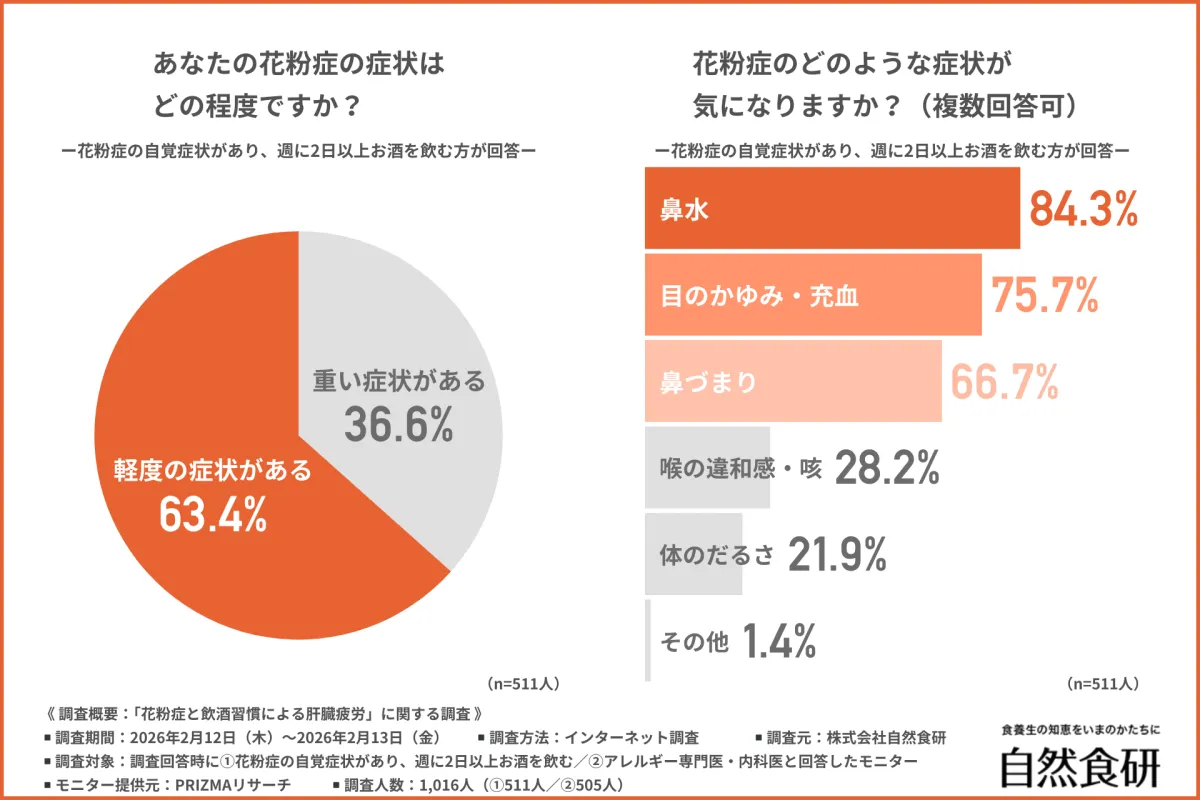
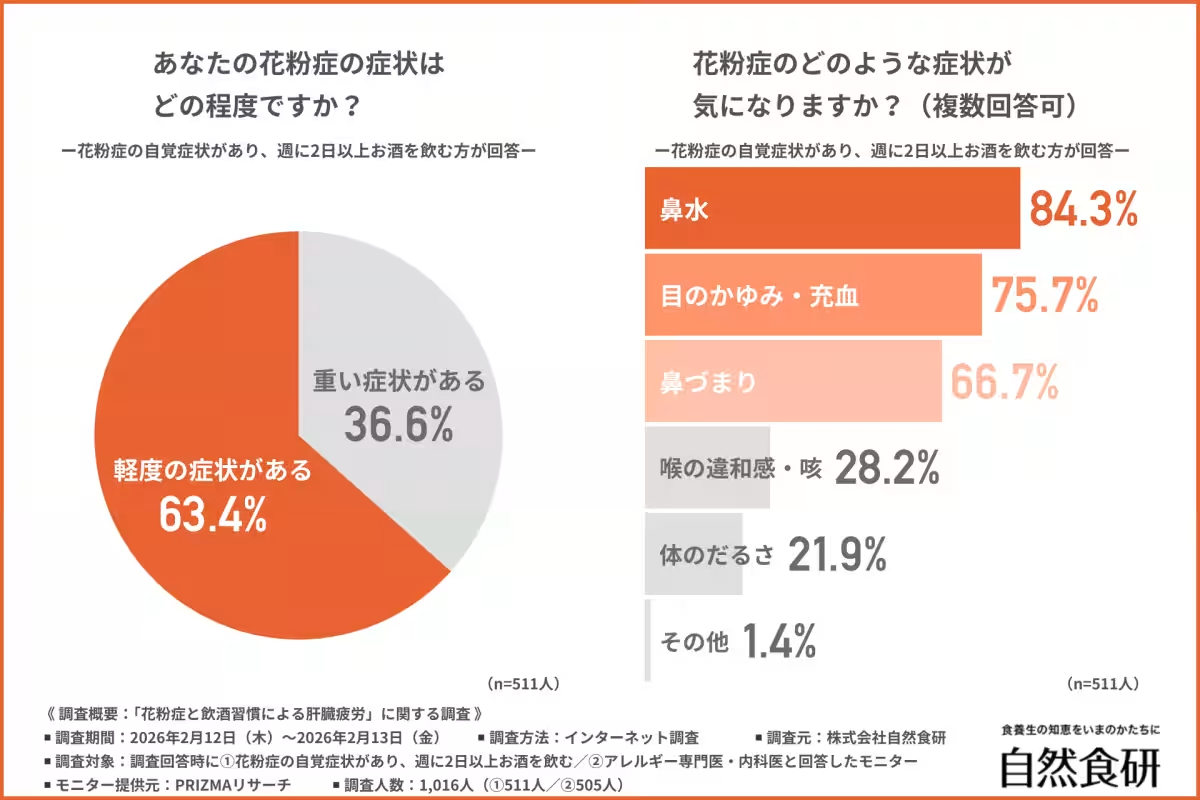
The survey revealed that among allergy sufferers who drink a couple of times a week, approximately 63.4% reported experiencing mild hay fever symptoms, while 36.6% noted having severe symptoms. When asked which specific symptoms they worried about most, 84.3% cited runny noses, 75.7% reported itchy or red eyes, and 66.7% indicated nasal congestion. Clearly, these symptoms significantly affect the respiratory system and overall quality of life.
Alcohol's Impact on Symptoms
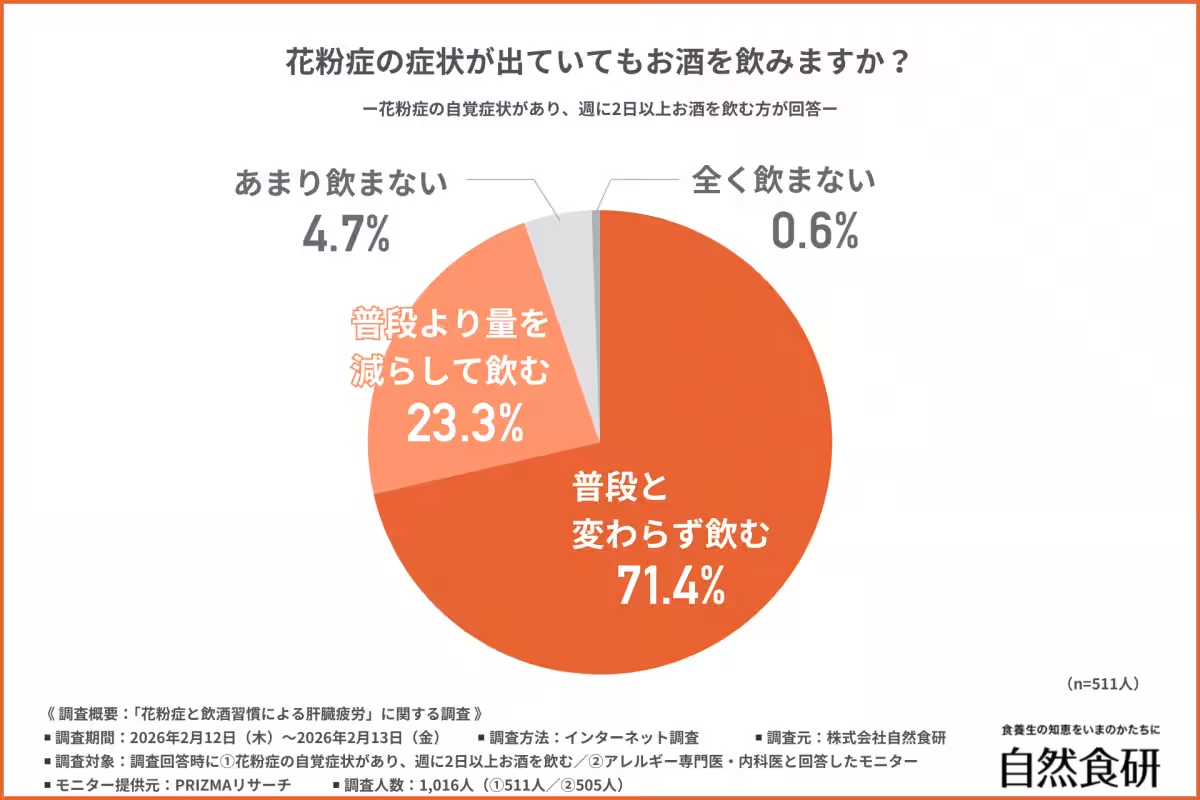
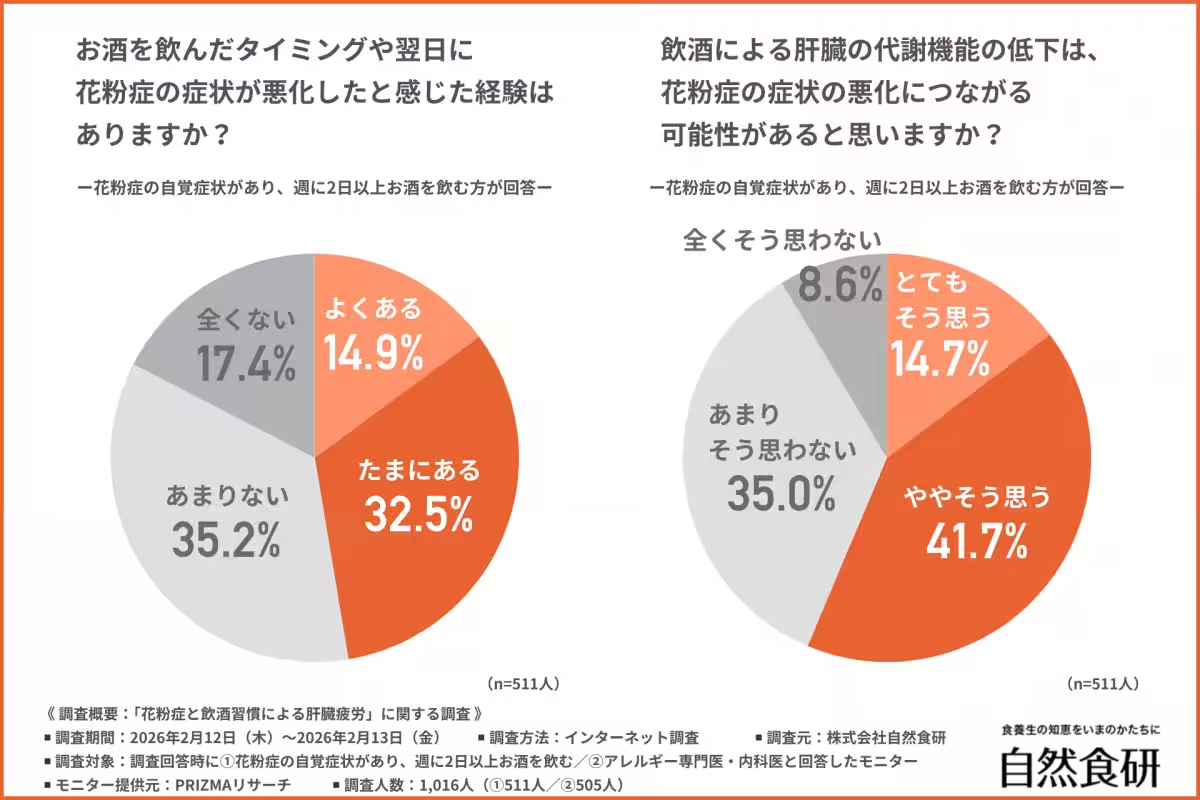
Interestingly, over half of the surveyed individuals experiencing hay fever noted increased symptoms after drinking alcohol, highlighting a direct correlation between alcohol consumption and the intensification of their allergy troubles. Despite this, a large number of respondents (71.4%) confessed they would drink as usual, with 23.3% deciding to reduce their intake slightly.
This demonstrates a concerning gap in awareness regarding the link between alcohol use and hay fever symptoms. When asked if they believed that the liver's impaired metabolism because of alcohol could exacerbate hay fever symptoms, 56.4% of participants acknowledged this was a possibility.
Expert Opinions on Alcohol and Hay Fever
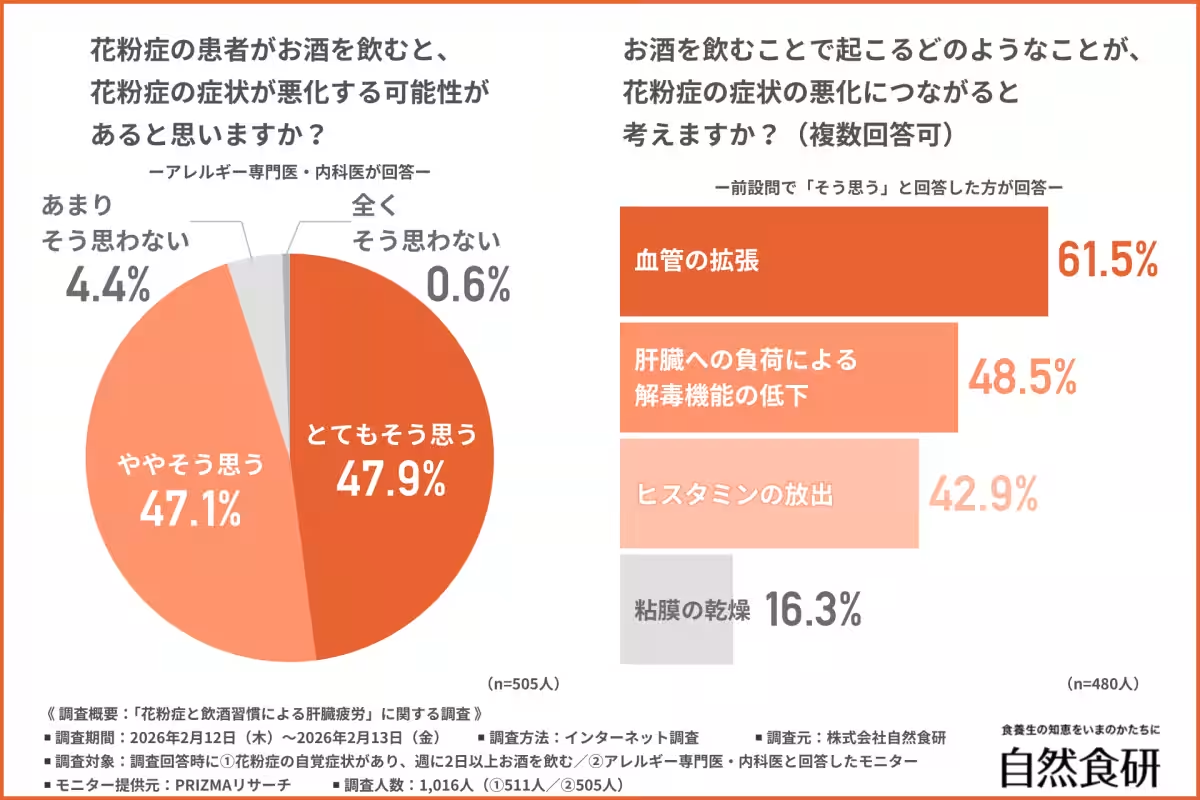
Medical professionals responded similarly. An overwhelming majority (94.9%) of allergy specialists agree that alcohol consumption can indeed worsen hay fever symptoms. When asked what specific activities related to drinking could lead to symptom escalation, most physicians suggested factors like vasodilation, hepatic overload leading to reduced detoxification, and histamine release as significant contributors to the aggravation of hay fever.
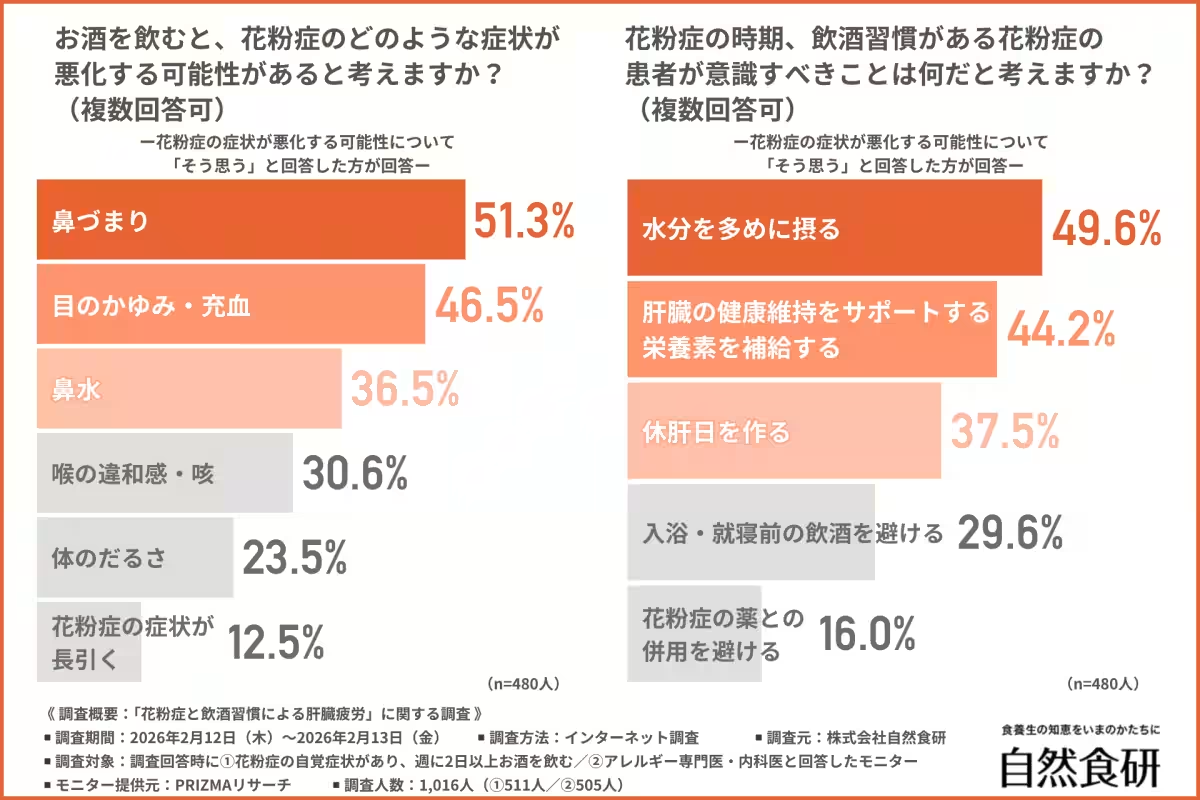
Among reported symptoms, nasal congestion was indicated by 51.3% of the doctors as most likely to worsen following alcohol consumption, aligning with patient feedback regarding their primary concerns.
Recommendations for Allergy Sufferers
Given these findings, what can patients do to navigate their drinking habits during allergy season? Healthcare professionals recommend several practices. Firstly, they urge patients to increase their water intake (49.6%) and to add nutrients that support liver health (44.2%). Additionally, many doctors recommended incorporating designated alcohol-free days into their drinking routine (37.5%).
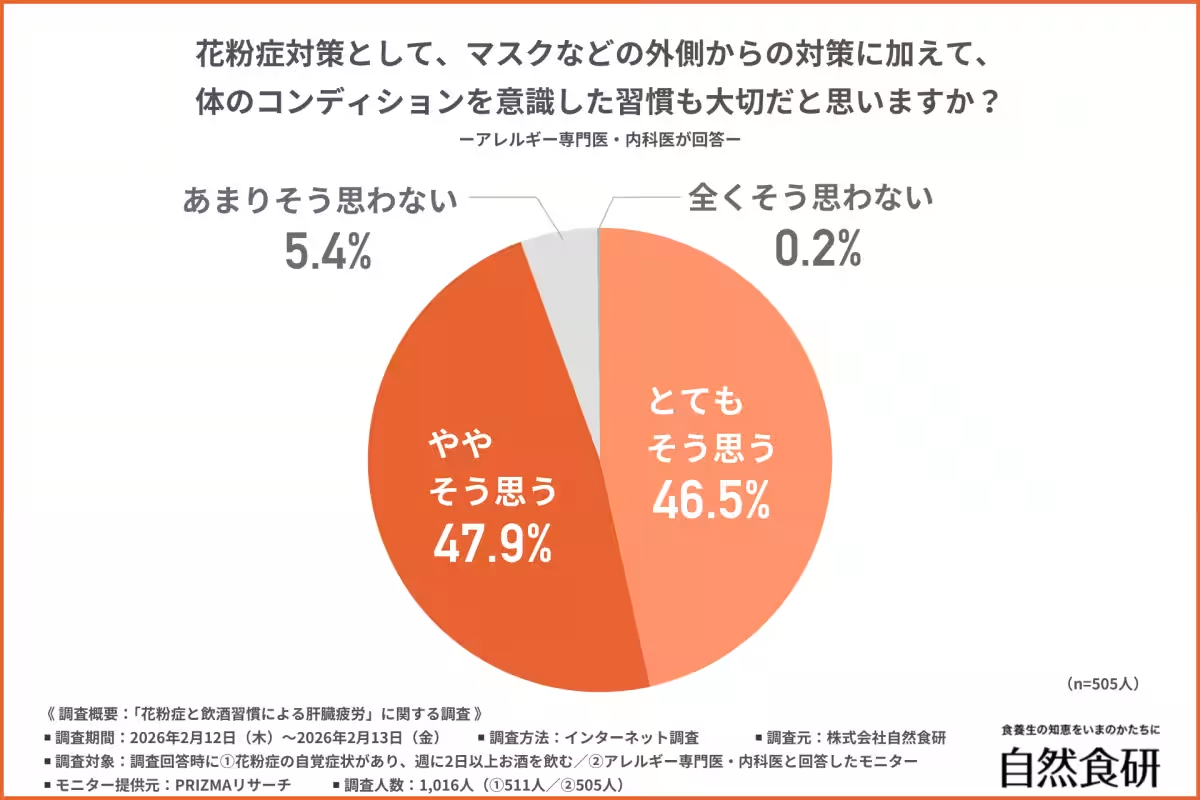
Moreover, about 90% of the surveyed doctors indicated the importance of considering overall bodily health alongside traditional remedies like masks or medications. They stressed the significant impact that managing one’s liver health could have on alleviating hay fever symptoms.
It's essential for patients to view their symptoms holistically. By addressing liver health, individuals may better contend with the challenges of pollen season.
Conclusion
This comprehensive study highlights a notable discrepancy between patient behaviors and medical advice regarding alcohol consumption and hay fever. A majority of patients continue habitual drinking patterns, despite being aware of possible exacerbations in their symptoms. On the contrary, the majority of specialists continue to caution against alcohol as a contributing factor to increased distress.
To ease the symptoms during this challenging season, integrating smart liver health practices while remaining aware of alcohol’s potential effects may make for the most effective approach. The Natural Food Research Institute, with its product ‘Shijimi Shukan’, aims to support liver function further, providing a nutritional aid for those conscious of their alcohol consumption’s impact health-wise during the allergy season. For more insights, visit Natural Food Research Institute.
Topics Health)
【About Using Articles】
You can freely use the title and article content by linking to the page where the article is posted.
※ Images cannot be used.
【About Links】
Links are free to use.