



The Impact of Corporate Health Management on Business Growth: Key Insights
The Impact of Corporate Health Management on Business Growth
Understanding Corporate Health Management
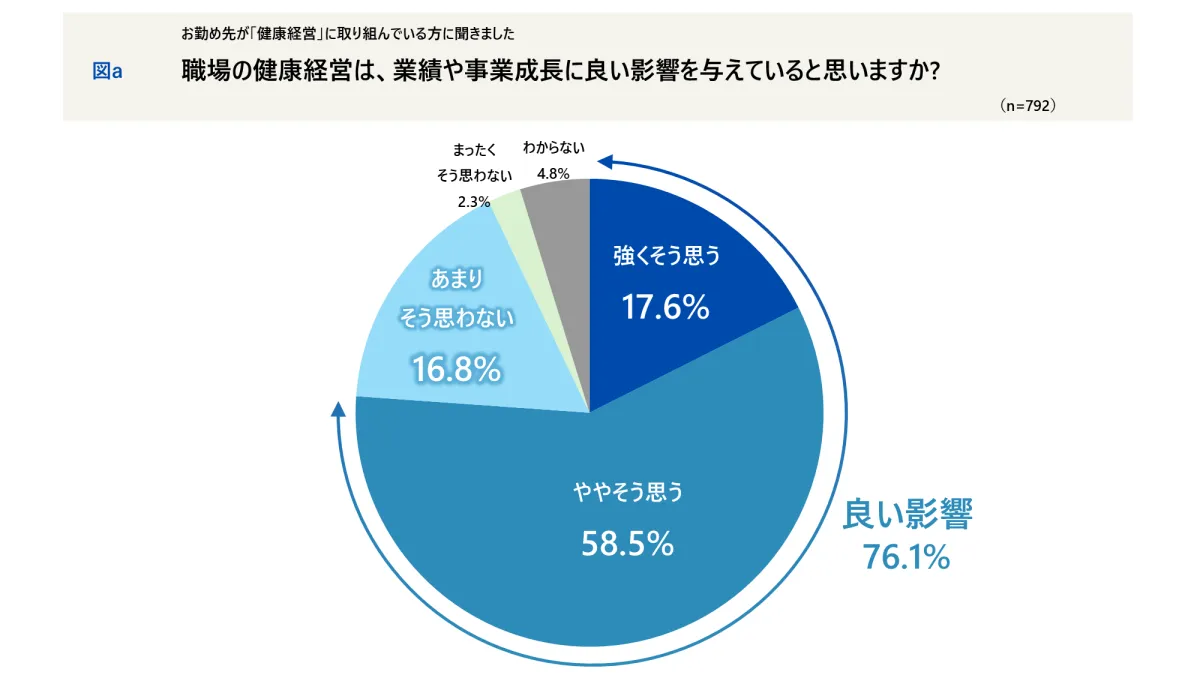
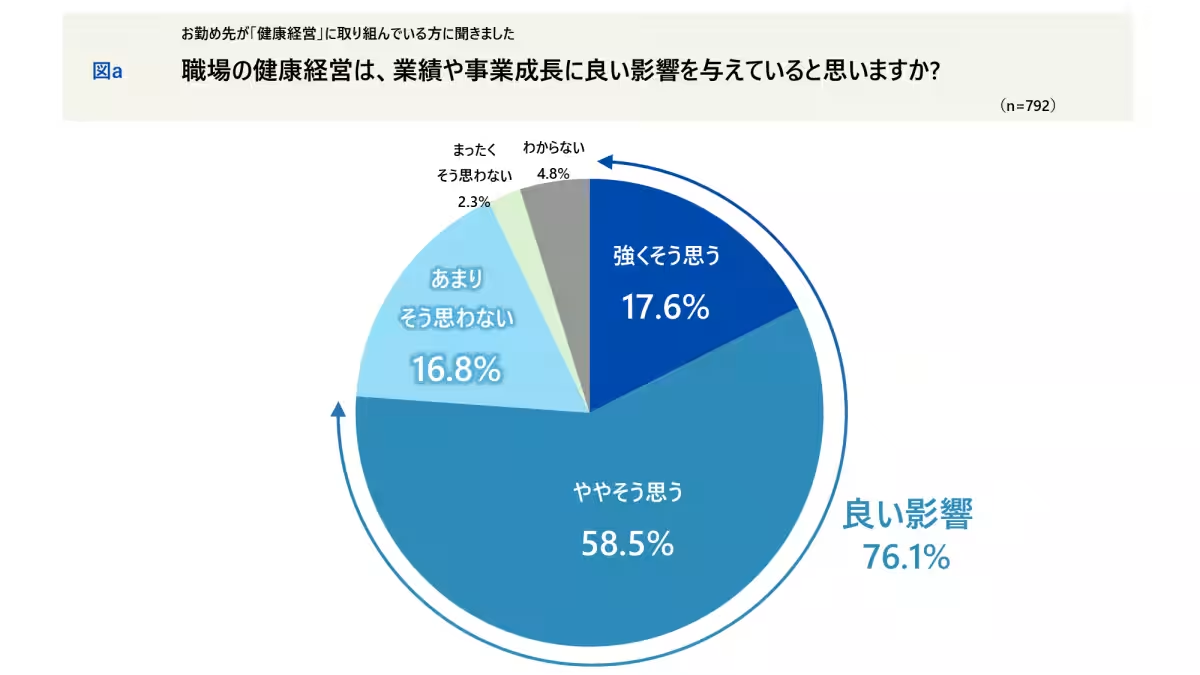
In recent years, the concept of Corporate Health Management has transformed from a mere corporate social responsibility (CSR) initiative to a strategic component of business development. A survey conducted by Creative Bank, involving 1,241 employees and executives, revealed that 76.1% of respondents acknowledge the positive impact of corporate health management on business performance and growth.
This survey sheds light on the evolving perception of employee well-being as not just a value proposition for workers but also a critical factor for achieving long-term business results. Companies are increasingly recognizing that investments in health initiatives can drive employee productivity and enhance organizational performance.
Survey Highlights
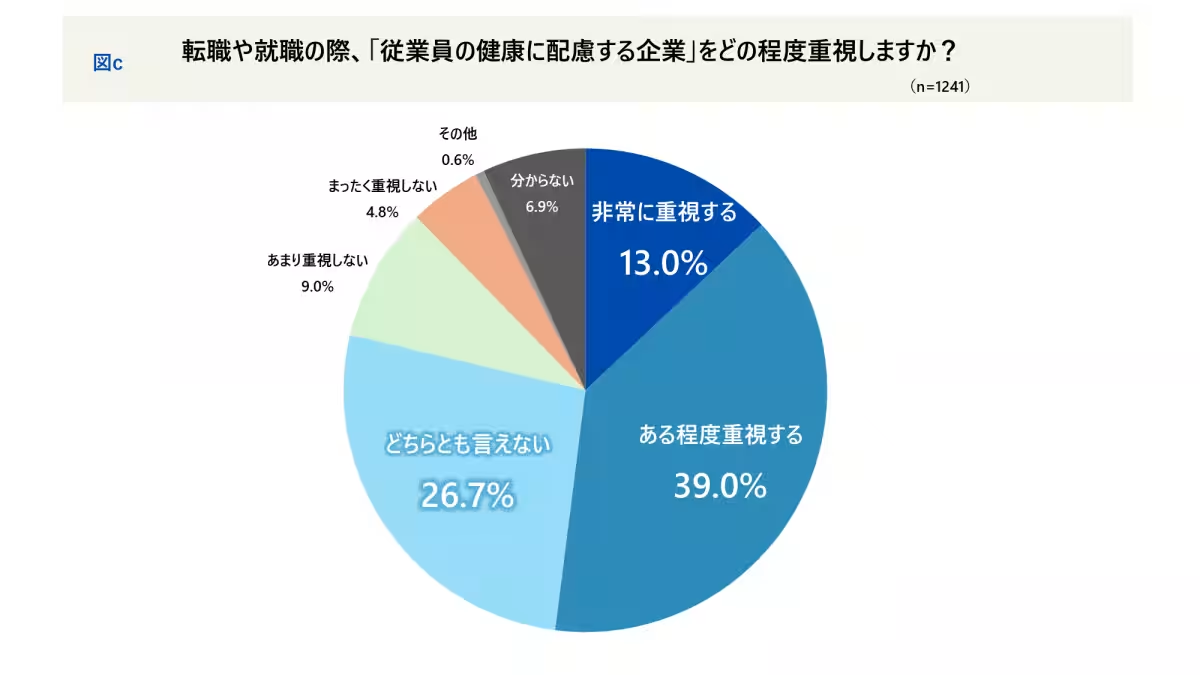
One striking outcome of the research is that a significant 52% of job seekers prioritize companies that demonstrate a commitment to employee health. This emerging trend indicates that individuals are not only looking for competitive salaries but also seeking workplaces that prioritize their well-being.
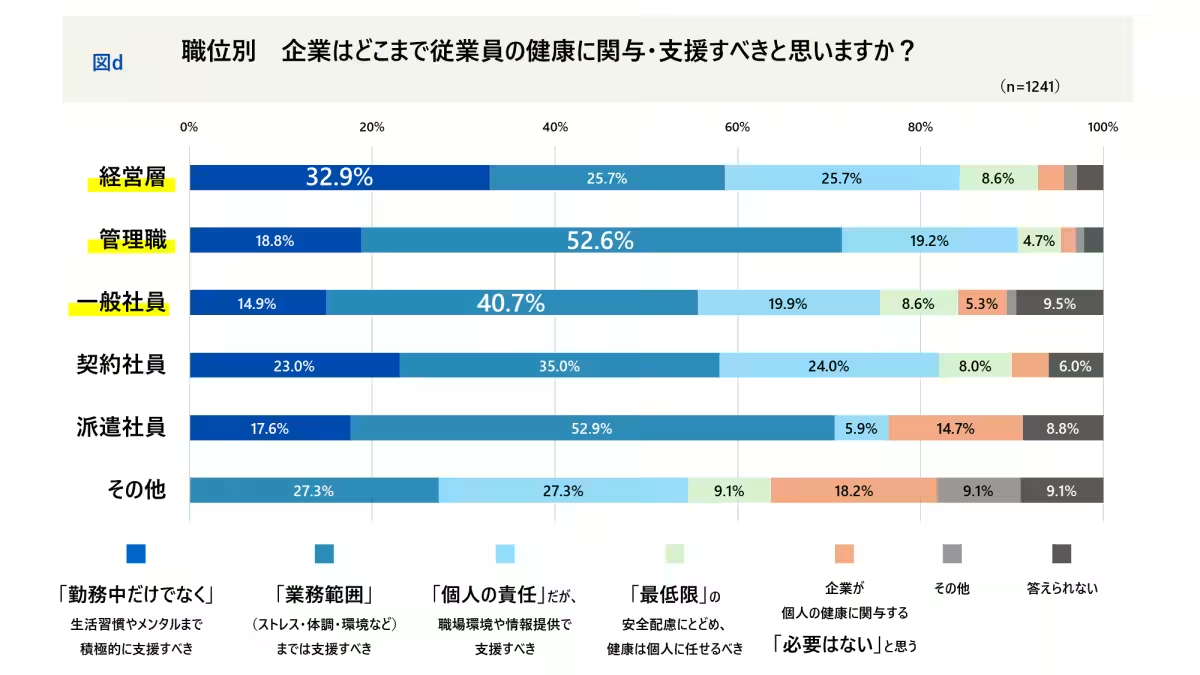
Additionally, 31.8% of executives believe that companies should extend their support beyond work-related health issues to include lifestyle choices and mental well-being. However, this perspective contrasts with that of general employees, who largely expect support limited to job-related health issues.
The Status Quo of Health Management Initiatives
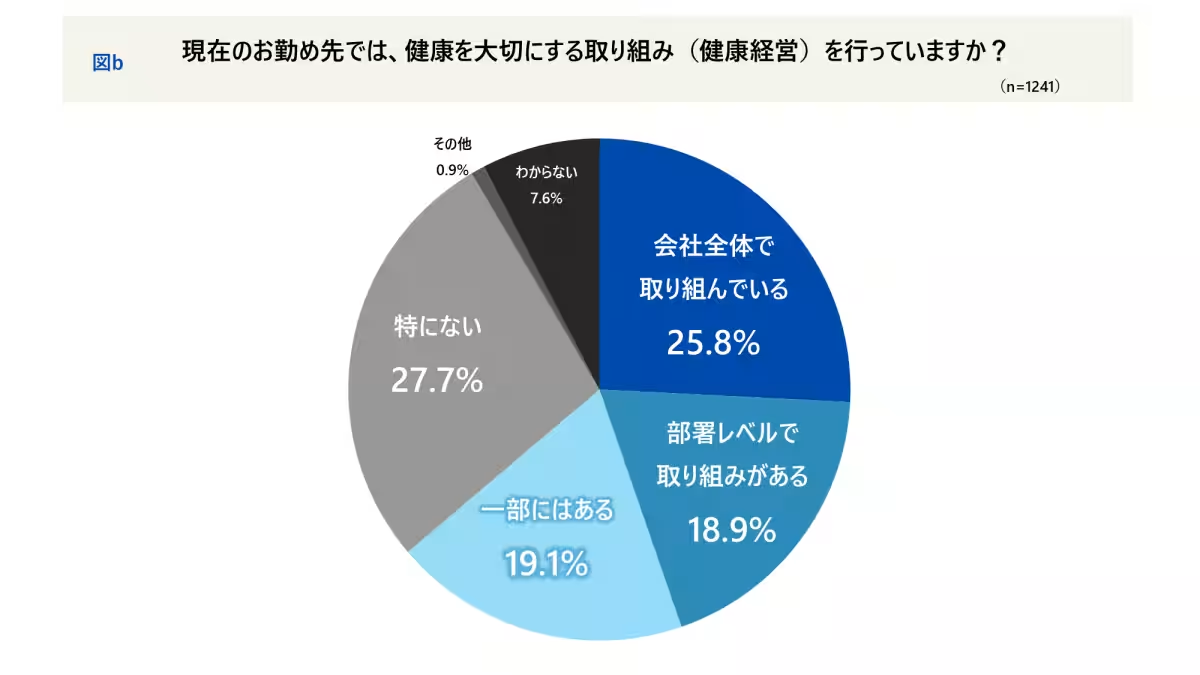
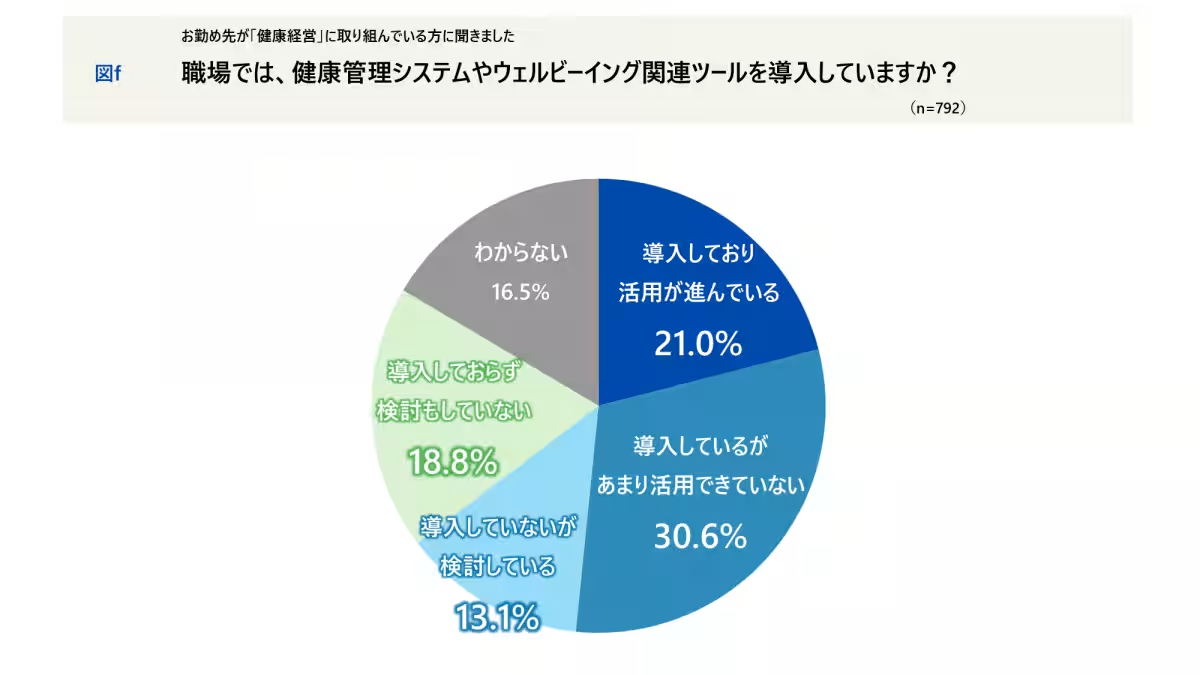
The survey results outline a varied landscape of health management practices within organizations, with 25.8% indicating comprehensive effort across the entire company, while almost 30% report no specific initiatives in place. Furthermore, over half of the respondents expressed concern about utilizing health management systems effectively, with only 21% claiming that their systems are being fully leveraged.
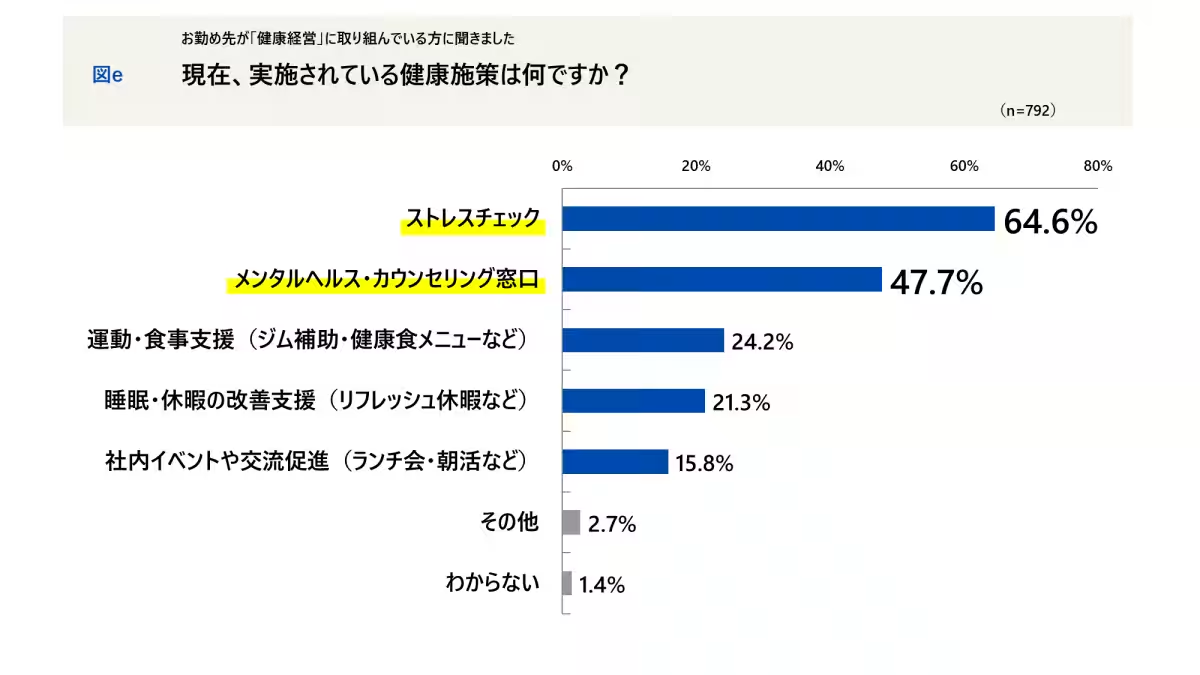
Many companies still rely heavily on stress checks (64.6%) and mental health counseling services (47.7%), reflecting a reactive approach to health rather than a proactive one. The survey highlights an essential transition from obligatory compliance with health regulations to a more holistic view of employee wellness that encompasses nutrition, physical fitness, and overall well-being.
Bridging the Gap
One of the critical challenges highlighted in the survey is the disparity between management's aspirations for health initiatives and the expectations of employees. While executives may perceive the workplace as an extension of familial support, employees often draw a line between professional and personal domains.
With awareness surrounding mental health and lifestyle choices growing, organizations are urged to reassess their health policies. A balanced approach that fosters a culture of health and supports varied employee needs may prove beneficial in enhancing employee satisfaction and loyalty.
Looking Ahead: A Shift in Company Culture
The findings suggest that as corporate health management continues to gain traction, leveraging technology and health management systems will be crucial in achieving effective employee wellbeing strategies. More companies are seeking to digitize their health initiatives, which will not only streamline operations but also enhance the accessibility and efficacy of health programs.
As the corporate landscape evolves, the importance of health management becomes increasingly evident, making it essential for organizations to not just implement health initiatives, but to fully understand their implications for overall business success. Engaging employees in their health management and creating supportive work environments could ultimately lead to higher productivity and better business outcomes.
For more information and insights on digital health management initiatives, visit Digitalization Portal.
Topics Health)
【About Using Articles】
You can freely use the title and article content by linking to the page where the article is posted.
※ Images cannot be used.
【About Links】
Links are free to use.