




Latest Research Reveals Gap Between Employee and HR Priorities in Salary and Evaluation
Recent Study Highlights Employee-HR Gap in Expectations
Overview
A new survey conducted by CORNER, a human resources professional boutique, involved 413 regular employees from companies with more than 100 employees, including 100 HR staff members. The study, titled "Quiet Resignation and HR Perception Gap Survey," aimed to explore the expectations of employees concerning their workplace and how these align or misalign with HR's understanding of retention strategies. The results reveal a notable gap between what employees want for long-term employment and what HR prioritizes in preventing turnover.
Key Findings
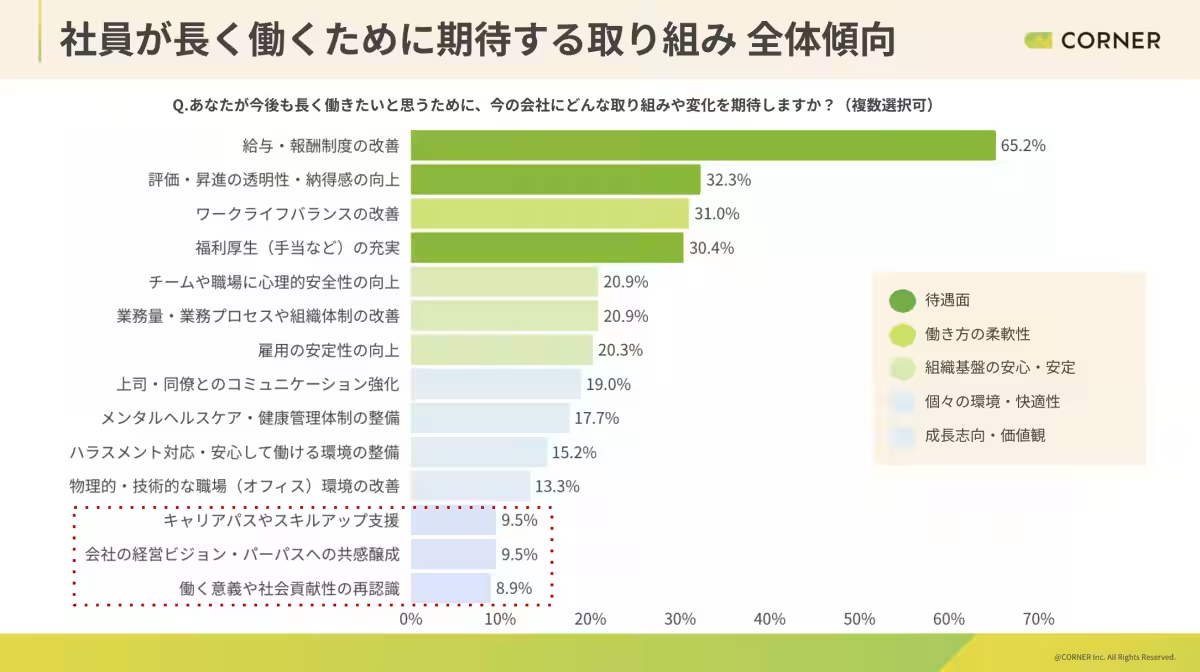
The survey summarized employees' expectations for company initiatives that promote long-term employment:
- - Salary and Compensation: Over 65% of respondents indicated a strong desire for improvements in this area, reflecting the primary concern among employees.
- - Transparency in Evaluation Criteria: Following salary, many employees emphasized the need for clear evaluation standards.
- - Work-Life Balance: Many employees also highlighted the importance of maintaining a healthy work-life balance.
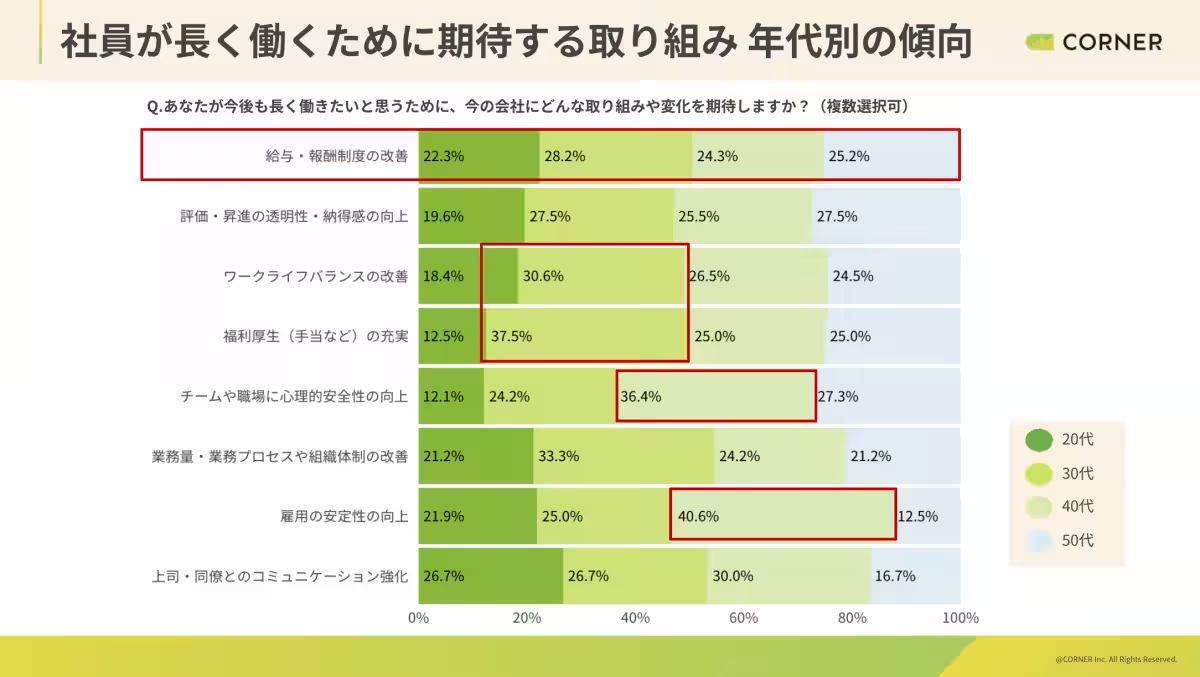
When broken down by age group, the preferences showed some variations:
- - Younger Employees (30s): They stressed the importance of work-life balance and benefits.
- - Older Employees (40s): They showed a stronger preference for psychological safety and job stability.
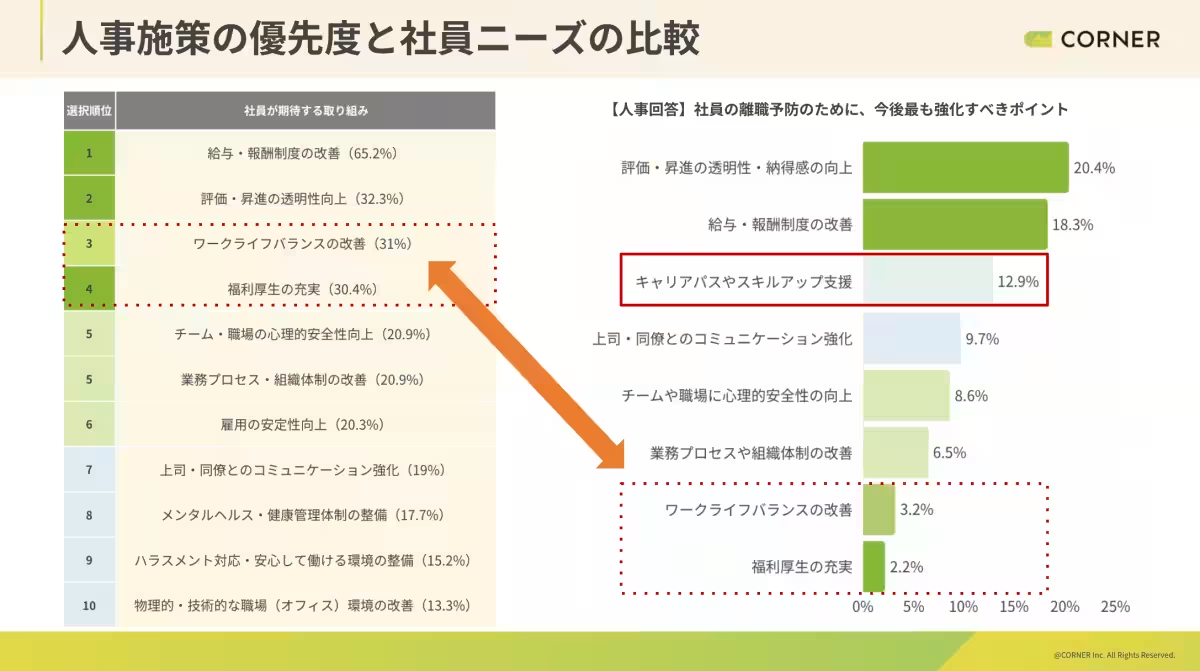
On the HR side, the priorities were different. HR professionals ranked their key retention strategies as:
- - Transparency in Evaluation Standards: This was considered the most critical aspect, aligning somewhat with employee needs.
- - Salary and Compensation: This came next, but concerns about work flexibility and benefits, rated high by employees, were deprioritized.
Detailed Analysis
1. Employee Expectations: A significant number of employees expressed a desire for enhanced salaries. The importance of evaluation transparency and work-life balance indicates a trend towards requesting measures that not only improve financial security but also increase job satisfaction and overall life quality.
2. Generational Preferences: Age-specific analyses revealed that employees from all generations uniformly prioritized salary and evaluation transparency. Those in their 30s leaned towards workplace flexibility and systems operation, while those in their 40s valued stability and safety.
3. Misalignment of Priorities: HR's recognition of needed improvements in treatment mirrors employee expectations; however, an emphasis on evaluation transparency appears to overshadow employee calls for better work-life balance and benefits. This disconnect highlights a significant gap in HR policy formulation.
Implications for HR Practices
According to Takahiro Monma, CHRO of CORNER, the findings clearly illustrate the gap between employee expectations and corporate perception. Employees are not solely focused on monetary compensation; they also seek assurance in their evaluation processes, flexibility in their work environments, and a trusting relationship with the organization. The varying levels of expectations across different age groups further complicate this dynamic.
To address these disparities, HR departments need to focus on creating policies that acknowledge and address the diverse needs of their employees consistently. This includes considering life stage and environmental factors that may impact employee satisfaction and performance.
Survey Structure
- - Title: Quiet Resignation and HR Perception Gap Survey
- - Participants: General Employees and HR personnel
- - Survey Period: From May 2 to May 9, 2025
- - Sample Size and Structure: 413 respondents, including 100 from HR and 313 from other functions
- - Conducted by: CORNER and Macromill through online questionnaires
Conclusion
The insights from this study serve as an essential resource for organizations looking to refine and enhance their HR strategies. The emphasis on employee needs extends far beyond salary into the realms of security, transparency, and organizational support. As companies navigate these changing expectations, they must design diverse and inclusive HR policies that are reflective of their employees' realities. This ongoing development will not only help enhance workplace satisfaction but also improve overall organizational performance.


Topics People & Culture)
【About Using Articles】
You can freely use the title and article content by linking to the page where the article is posted.
※ Images cannot be used.
【About Links】
Links are free to use.