



Analyzing Stress Check Data from 2.67 Million Participants in 2024
Overview
In 2024, Doctor Trust's Stress Check Research Institute has analyzed stress check data from over 2.67 million participants across 7,779 companies and organizations. This analysis focuses on valid responses from approximately 560,000 individuals (around 1,800 corps) who utilized the stress check service this year. The findings reveal various trends and changes over time, particularly in stress levels among different age groups.
Key Findings
- - A noticeable increase in high-stress individuals is concentrated in the older demographic, especially those in their 60s.
- - Approximately 5% of respondents reported feeling harassed in the workplace.
- - Significant improvements were observed in questions regarding compensation and career aspirations compared to the previous year.
Key Insights
1. Rising Stress Levels Among the 60s Age Group
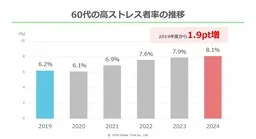
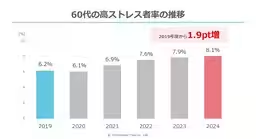
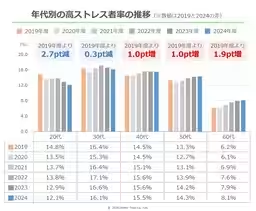
The analysis indicated an alarming trend: the percentage of high-stress individuals in their 60s increased to 8.1% in 2024, marking a 1.9-point rise since 2019. This trend outpaces other age demographics, possibly reflecting stressors related to the recent amendments in retirement laws and expectations for older workers in the job market.
2. Workplace Harassment Still a Concern
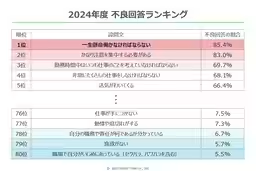
Despite a slight decrease from 5.7% to 5.5%, harassment in workplaces remains an ongoing issue. Reports from the Ministry of Health, Labour and Welfare show that around 60% of companies received complaints related to power harassment in the last three years. Eliminating harassment is crucial not just for improving employee engagement and productivity but also for maintaining a positive organizational brand image.
3. Improvements in Compensation-related Aspects
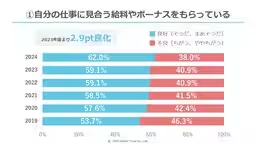
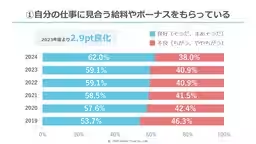
One of the standout findings is the significant improvement in compensation-related questions. Participants reported a 2.9-point increase compared to last year, which reflects a change of over 8 points since 2019. Despite economic challenges such as rising living costs, there is a growing awareness within organizations regarding the need to enhance employee compensation as a strategic investment rather than merely a cost.
Analysis Details
Introduction
Since 2015, stress checks have been mandatory for workplaces with over 50 employees. Doctor Trust has provided tailored stress check services to government agencies and various organizations for the past nine years. Currently, the institute offers both a standard version with 57 questions and a detailed version with 80 queries for in-depth analysis.
Survey Insights
Rising Participation Rates
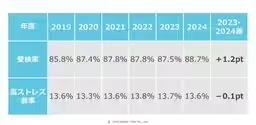
The survey noted an increase in participation rates to an impressive 88% in 2024, marking a 1.2-point rise since last year -- a new record.
Age-specific Stress Dynamics
While the overall high-stress rate has remained stable at around 13% for the past six years, age-specific trends reveal a downward shift among those in their 20s and 30s, contrasting with a rise in stress levels among individuals in their 40s, 50s, and 60s.
Noteworthy Survey Responses
The survey categorized responses, highlighting that the most concerning statements included perceptions of having to work excessively hard. Maintaining a keen awareness of workplace pressure indicators is essential for organizations moving forward. Interestingly, responses related to harassment remained minimal, indicating that many individuals may not recognize or report such issues.
Significant Improvement Areas
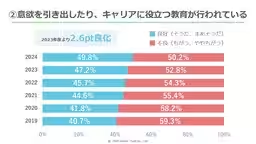
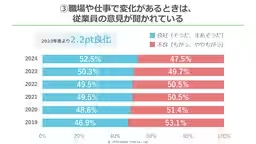
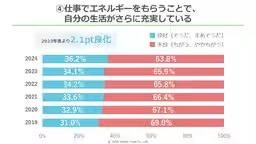
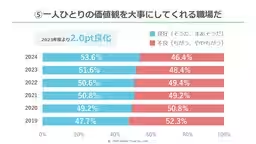
Several questions showed notable improvements year over year. For instance, the perception of fair compensation increased by 2.9 points, and the provision of supportive educational opportunities grew stronger, suggesting a broader organizational commitment to employee well-being.
Conclusion
Overall, the 2024 analysis demonstrates positive trends in employee compensation and career-related aspects, reflecting organizations' increasing awareness of these areas. However, work quality and workload remain concerning. Organizations must continue to assess and refine their strategies to minimize stress, potentially considering training programs around work-life balance and self-care.
Best Practices for Employers:
- - Implement regular stress checks and workshops to foster a healthy workplace environment.
- - Ensure clear communication channels for employees to voice their concerns.
- - Regularly review workload distributions to mitigate stress-inducing factors.
As stress check participation climbs, it’s imperative for companies to promote a culture where employees feel safe and encouraged to engage with these assessments. Doctor Trust remains dedicated to facilitating this process and enhancing workplace mental health across organizations.
Topics Health)
【About Using Articles】
You can freely use the title and article content by linking to the page where the article is posted.
※ Images cannot be used.
【About Links】
Links are free to use.