



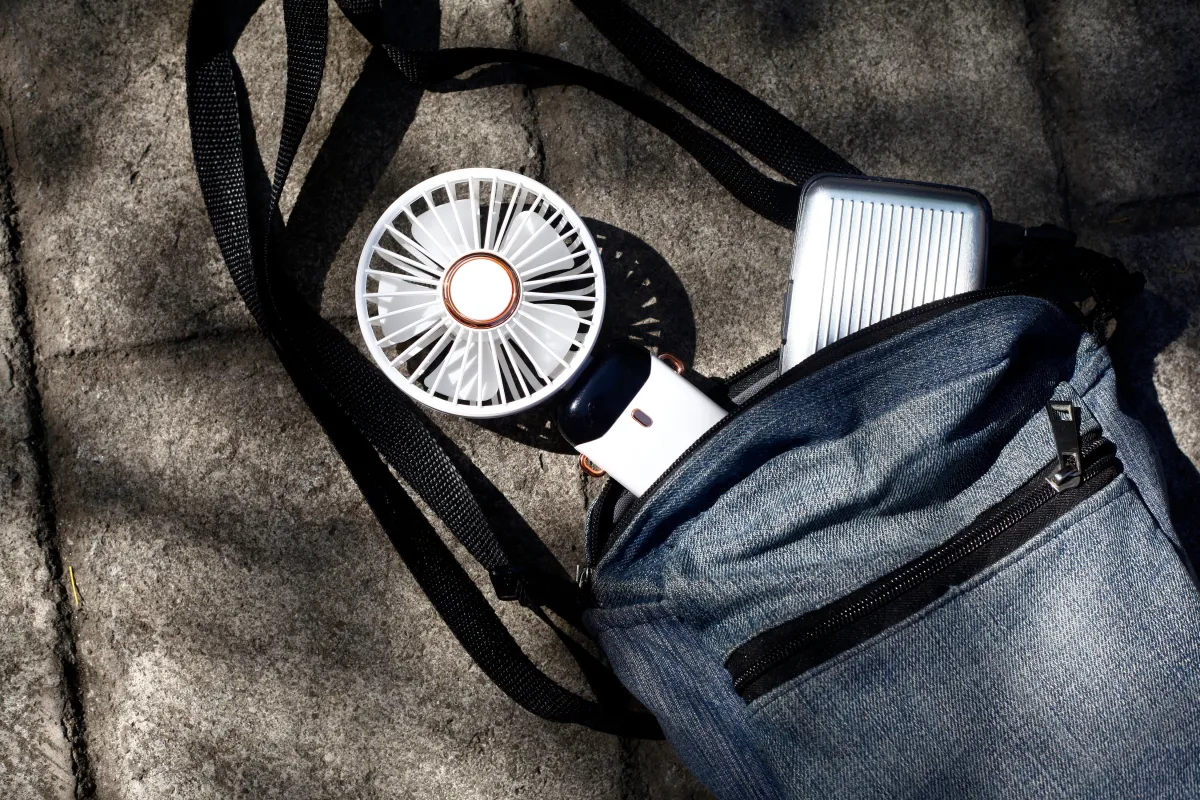
Beware of Summer Battery Fatigue: Expert Advice on Mobile Battery Safety Tips
Summer Battery Safety: Essential Tips for Preventing Mobile Battery Mishaps
As summer approaches, it's important to be aware of the hazards posed by mobile batteries during the hotter months. INFORICH, a leader in mobile battery sharing services, has conducted a survey of 1,406 battery owners across the nation, under the supervision of the National Institute of Technology and Evaluation (NITE). The findings highlight the increased risks of overheating, fire, and malfunction during summertime. Here’s a comprehensive look at the best practices for mitigating these risks.
Understanding the Risks
According to NITE, incidents involving lithium-ion battery products tend to peak during the summer months. From 2020 to 2024, there were approximately 1,860 reported incidents, with a staggering 85% resulting in fires. Mobile batteries were the leading culprits, with 361 of these incidents. It’s crucial to understand the common risky behaviors associated with mobile battery usage that can lead to accidents.
Key Findings from the Survey
- - High Temperature Risks: Over 40% of respondents have experienced placing their batteries in high-temperature environments, such as hot vehicles or under direct sunlight.
- - Impact Risks: Roughly 20% admitted to dropping their batteries, while 7% continued using devices with visible swelling or damage.
- - Awareness Issues: About 18% of users did not check if their batteries were subject to recalls.
Six Dangerous Practices to Avoid
The survey led to the identification of six primary unsafe practices when handling mobile batteries during summer, derived directly from NITE's observations:
1. Storing Batteries in High Temperatures: Leaving batteries in hot environments like cars can cause them to overheat, leading to rupture or fire.
2. Using During Charging in Close Spaces: Placing a battery in pockets or bags while charging can create heat buildup, increasing the risk of fire.
3. Dropping or Compressing Batteries: Similar to dropping your phone, a mobile battery can be damaged by sudden impacts, leading to short circuits.
4. Continuing to Use Damaged Batteries: Ignoring signs of swelling or damage can result in dangerous battery failures.
5. Exposing Batteries to Water: Using wet batteries or exposure to moisture can cause internal corrosion and short circuits.
6. Neglecting Recall Checks: Failing to verify whether a battery design is subject to a recall can lead to potentially dangerous situations.
Implications for Users
The survey revealed alarming trends in how users treat their mobile batteries. Practices such as leaving batteries in hot environments, carelessly dropping them, or using them despite signs of damage are surprisingly common. Most concerning is that many users remain uninformed about whether their batteries are recalled, which highlights a critical need for consumer education.
Best Practices for Mobile Battery Safety
To mitigate the risks identified, consider the following best practices:
- - Avoid Direct Sunlight: Whenever possible, store and use mobile batteries in shaded or cool areas to prevent overheating.
- - Monitor Charging Conditions: Always check that batteries are not obstructed and have adequate ventilation while charging.
- - Discard Damaged Batteries: If a battery appears swollen or has physical damage, cease use immediately and dispose of it per local regulations.
- - Stay Informed on Recalls: Regularly check recall status on any electronic devices to ensure safety.
- - Avoid Wet Usage: Keep batteries away from wet environments and avoid using them when wet.
Conclusion
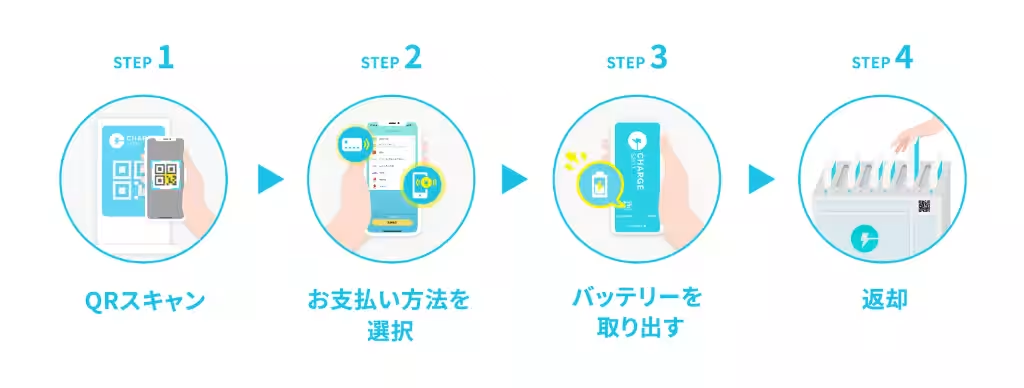
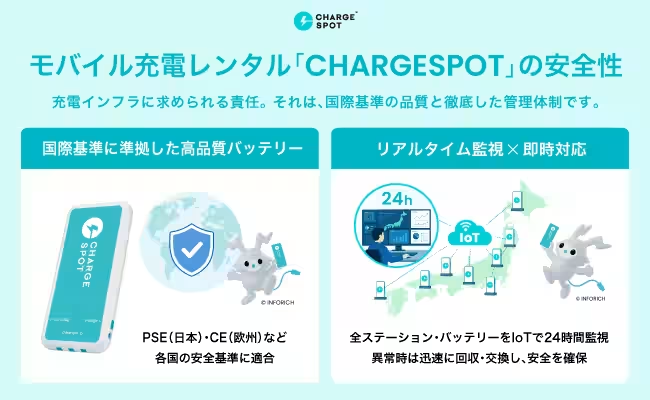
As users, it’s vital to be proactive about battery safety, particularly during the sweltering summer months. Awareness and adherence to these guidelines can help prevent unfortunate incidents associated with mobile batteries. For those who rely heavily on these devices, consider utilizing rental options like CHARGESPOT, which follows strict safety protocols and regulations to minimize risks associated with individual ownership. By fostering proper awareness and practices, we can ensure a safer summer for all.
Topics Consumer Products & Retail)

【About Using Articles】
You can freely use the title and article content by linking to the page where the article is posted.
※ Images cannot be used.
【About Links】
Links are free to use.