



The Surprising Connection Between Winter Scent Sensitivity and Skin Issues
Understanding Winter Scent Sensitivity and Skin Conditions
As winter sets in, many find themselves more sensitive to scents. This phenomenon, termed "scent stress," has become more notable during these colder months. A recent study by the Iron Connection Medical Corporation revealed a significant link between increased scent sensitivity and skin issues during winter, offering insights into how individuals can manage their skin health more effectively.
Seasonal Changes in Scent Sensitivity
During winter, many people spend more time in heated indoor environments, resulting in reduced ventilation. In these enclosed spaces, scents from fabric softeners, perfumes, and air fresheners become overwhelming. The study conducted nationwide surveyed working adults aged 20 to 50 to explore the relationship between their scent perception and skin troubles in winter.
Key Findings From the Study:
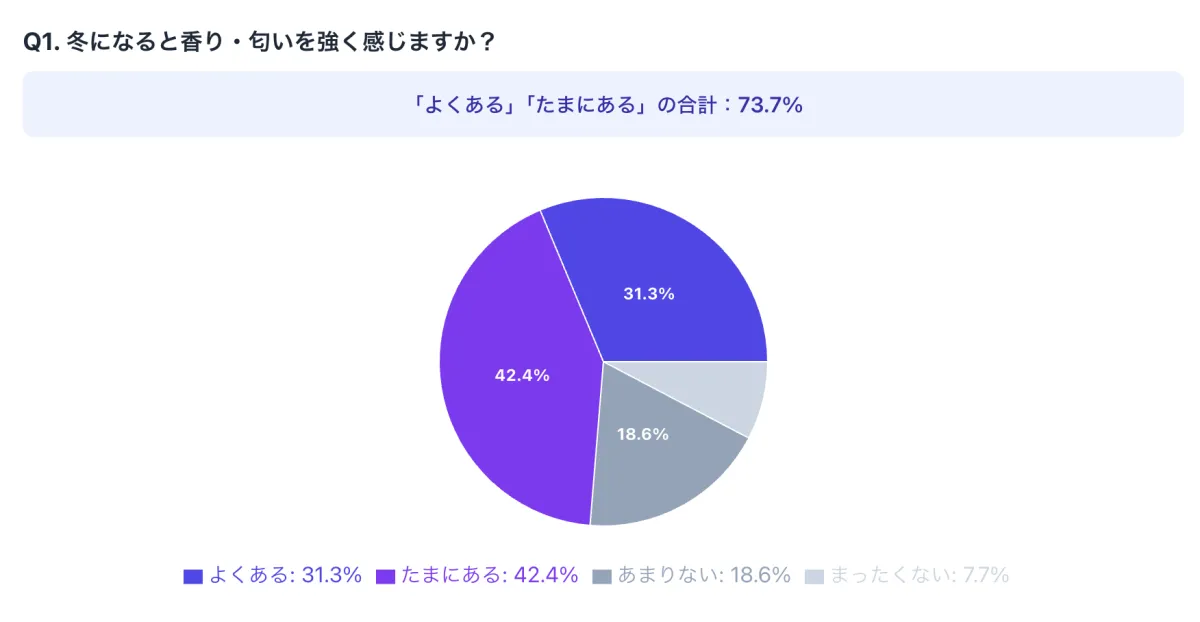
- - Increased Scent Awareness: A striking 73.7% of respondents reported experiencing stronger scents in winter, with 31.3% stating this was common and 42.4% saying it happened occasionally.
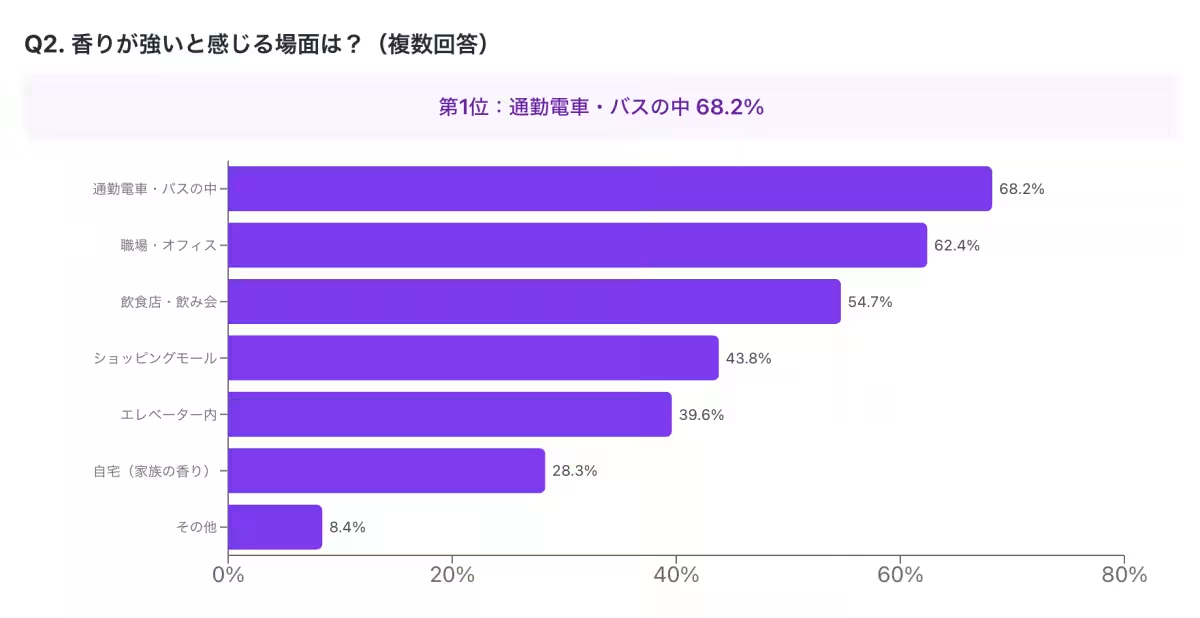
- - Triggering Environments: The most reported environments where scents felt overwhelming included:
- Workplaces: 62.4%
- Restaurants and Social Gatherings: 54.7%
These findings suggest that closed windows and limited fresh air exchange intensify scent levels in indoor spaces, causing discomfort.
Skin and Scalp Issues Linked to Scent
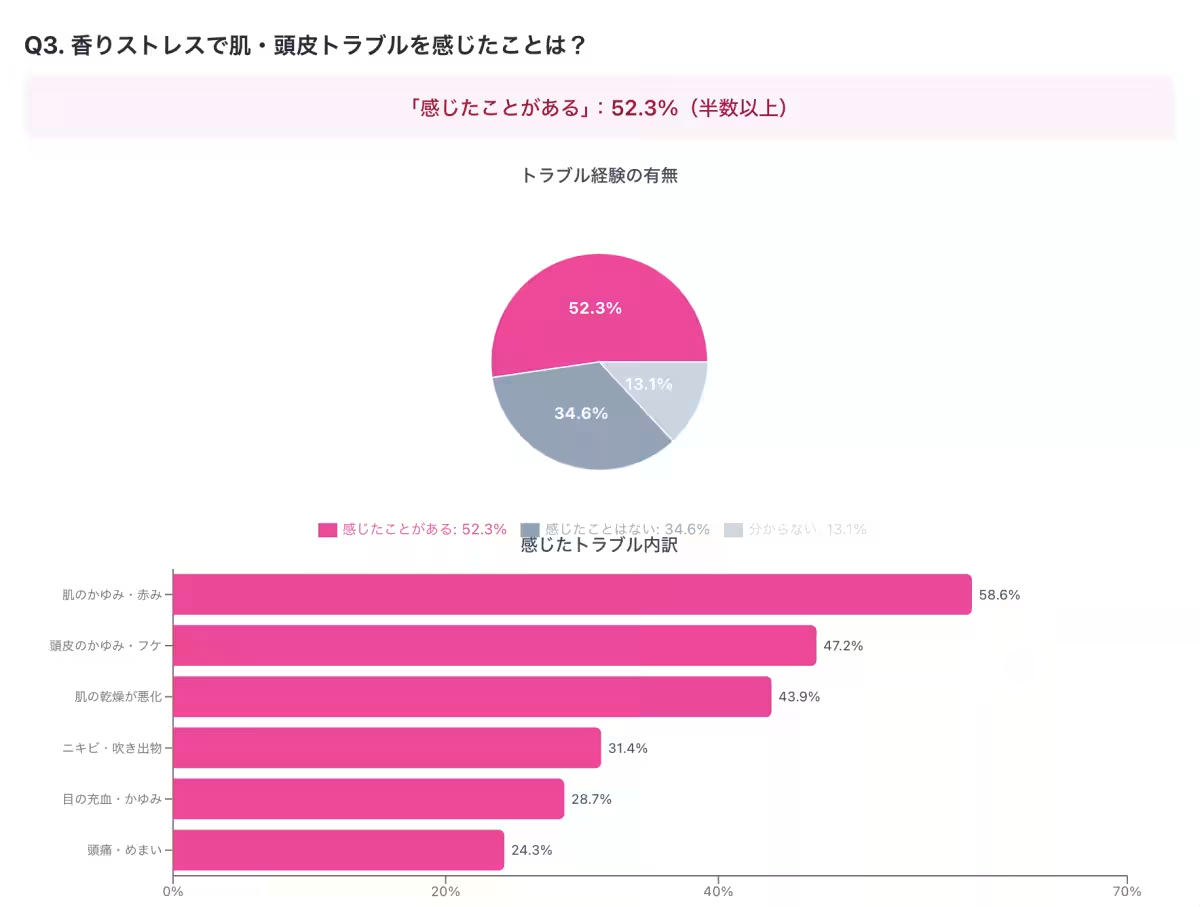
A concerning 52.3% of respondents experienced skin or scalp issues after exposure to strong scents. The troubles reported were varied:
- - Itchy or Red Skin: 58.6%
- - Scalp Itchiness or Dandruff: 47.2%
- - Worsening Dry Skin: 43.9%
- - Awareness of Chemical Irritants: Participants highlighted that certain fragrances, especially artificial ones found in detergents or air fresheners, could lead to skin irritation and exacerbate existing conditions.
A Gap Between Awareness and Action
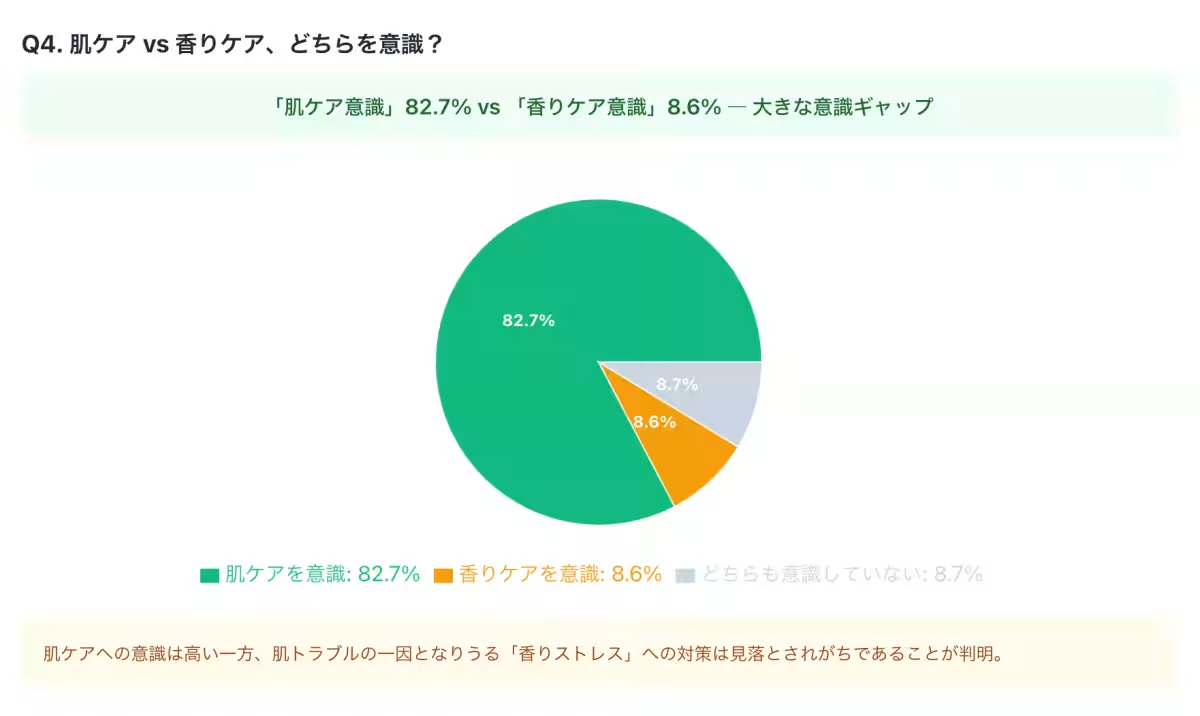
Despite a high awareness of skin care needs—82.7% focus on maintaining skin health—only 8.6% of respondents considered the impact of scent on their skin condition. This discrepancy indicates a gap where while consumers are proactive about skincare, they often overlook how scents can contribute to their skin problems.
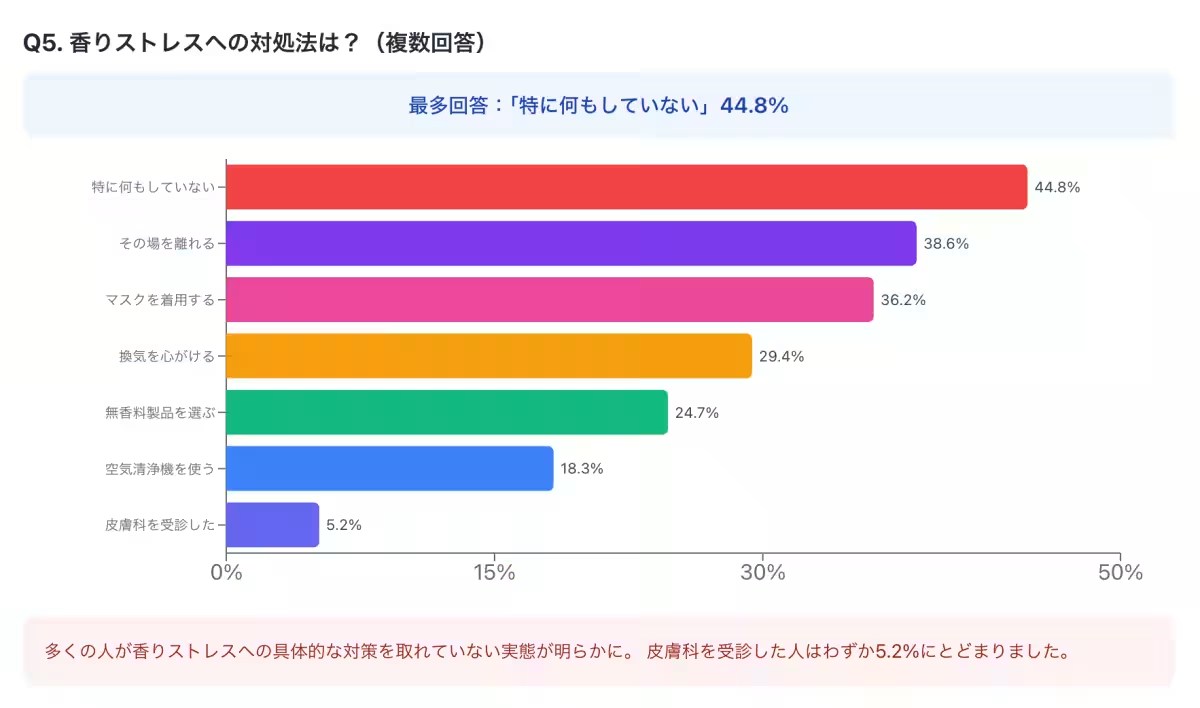
When asked about their strategies for handling scent stress, 44.8% reported doing nothing. Other responses included:
- - Moving away from the scent: 38.6%
- - Wearing masks: 36.2%
- - Ensuring proper ventilation: 29.4%
- - Choosing fragrance-free products: 24.7%
- - Using air purifiers: 18.3%
These responses show that many individuals are employing short-term measures rather than addressing the core issues related to their scent exposure.
Expert Insights and Recommendations
Dr. Kota Takakawa from IC Clinic elaborates on the issues highlighted in this study: "Winter can exacerbate skin sensitivity due to dry air, and exposure to concentrated scents in closed environments can lead to increased irritation. Many people may not realize the impact that synthetic fragrances can have, especially those with sensitive skin."
Dr. Takakawa stresses the importance of addressing both fragrance exposure and traditional skin care practices. "While moisturizing is essential, considering the impact of scent on skin health is equally important. Choosing fragrance-free products, ventilating spaces, and avoiding irritants are crucial steps to mitigate issues. If problems persist, consulting with a healthcare professional can provide tailored solutions."
Conclusion: Rethinking Winter Skin Care
As winter approaches, individuals dealing with skin irritation or scalp issues should not only adhere to routine moisturization but also evaluate their exposure to scents in their environment. This dual approach can help in crafting a more comprehensive winter care routine.
IC Clinic offers specialized treatments tailored to individual skin types and concerns. For those struggling with unmanageable skin conditions and irritation linked to scents, professional consultations can pave the way for effective solutions.
It's vital not to overlook signs of skin distress, as addressing these areas early on can facilitate smoother transitions through the winter months. Feel free to reach out to IC Clinic to schedule a consultation and discover personalized treatment options designed just for you.
Topics Health)
【About Using Articles】
You can freely use the title and article content by linking to the page where the article is posted.
※ Images cannot be used.
【About Links】
Links are free to use.