



Creating a Travel-Friendly Society for Children with Medical Needs and Their Families
Creating a Travel-Friendly Society for Children with Medical Needs
As medical technology advances, the number of children requiring medical care continues to rise, leading to a greater need for inclusive travel options. In this spirit, Cosmos Hotel Management Co., which operates the apartment hotel brand MIMARU, has partnered with organizations such as Try Angle and Kodomo Mirai to improve traveling experiences for families with medically complex children. In May 2025, MIMARU will host a trial stays event in their Kyoto locations, aimed at families with medical needs. This initiative aims to facilitate discussions among stakeholders, including families, accommodation providers, and support organizations, to forge a more inclusive society that enables these families to create precious memories through travel.
Understanding the Travel Barriers Faced by Medical Care Children
Despite the implementation of the Medical Care Child Support Law in 2021, which has led to enhanced state support frameworks, families still encounter numerous challenges when it comes to going out and traveling. Key issues include:
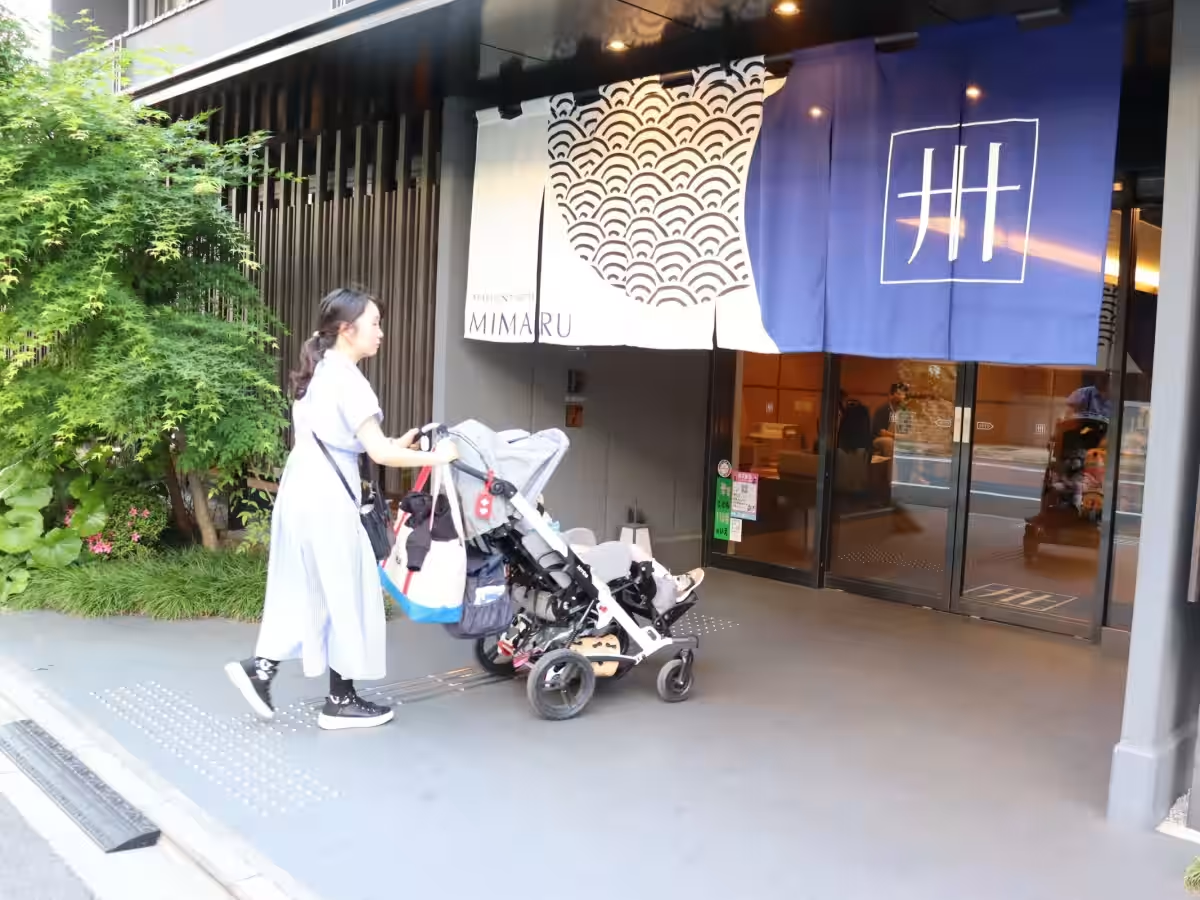
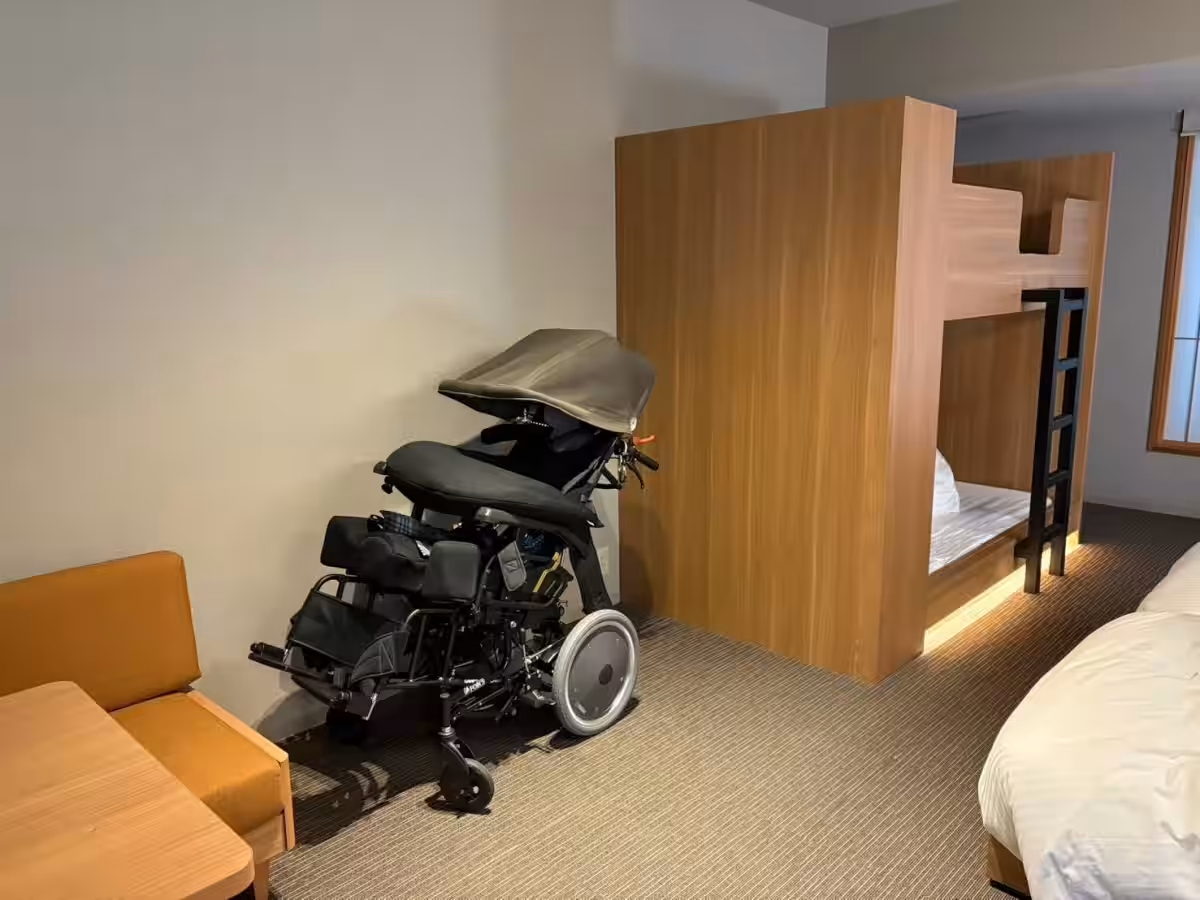
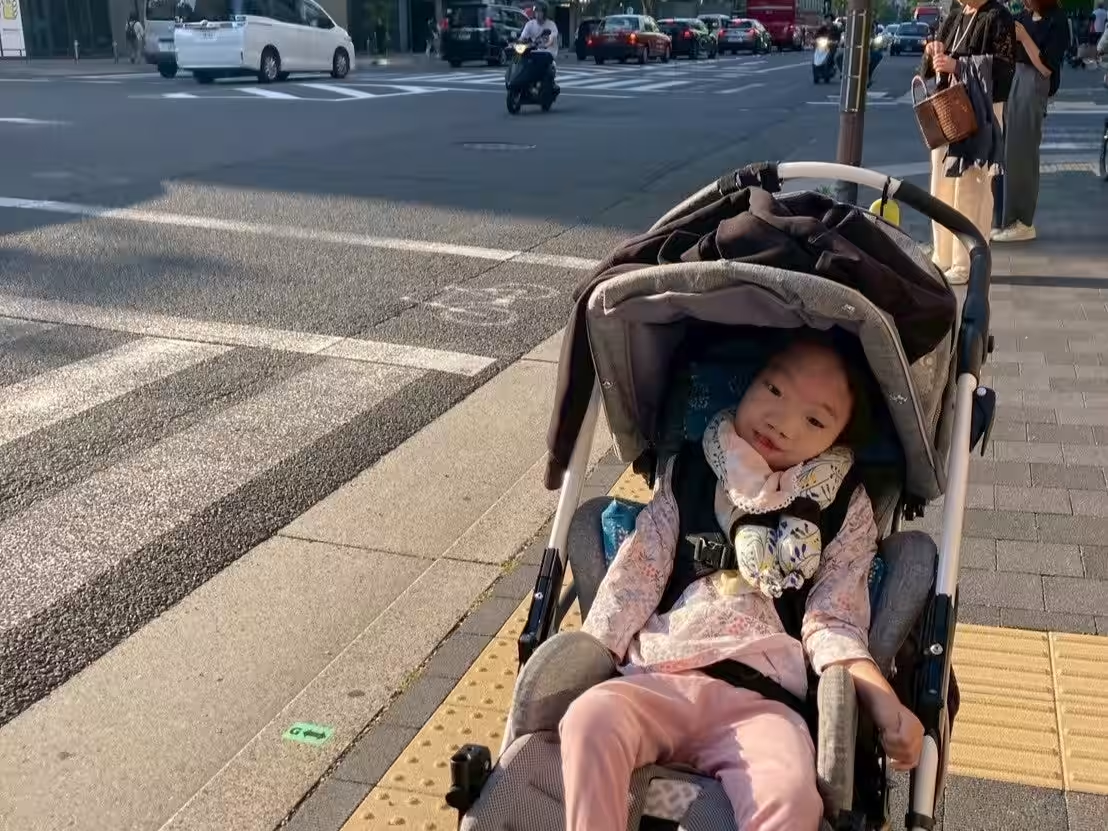
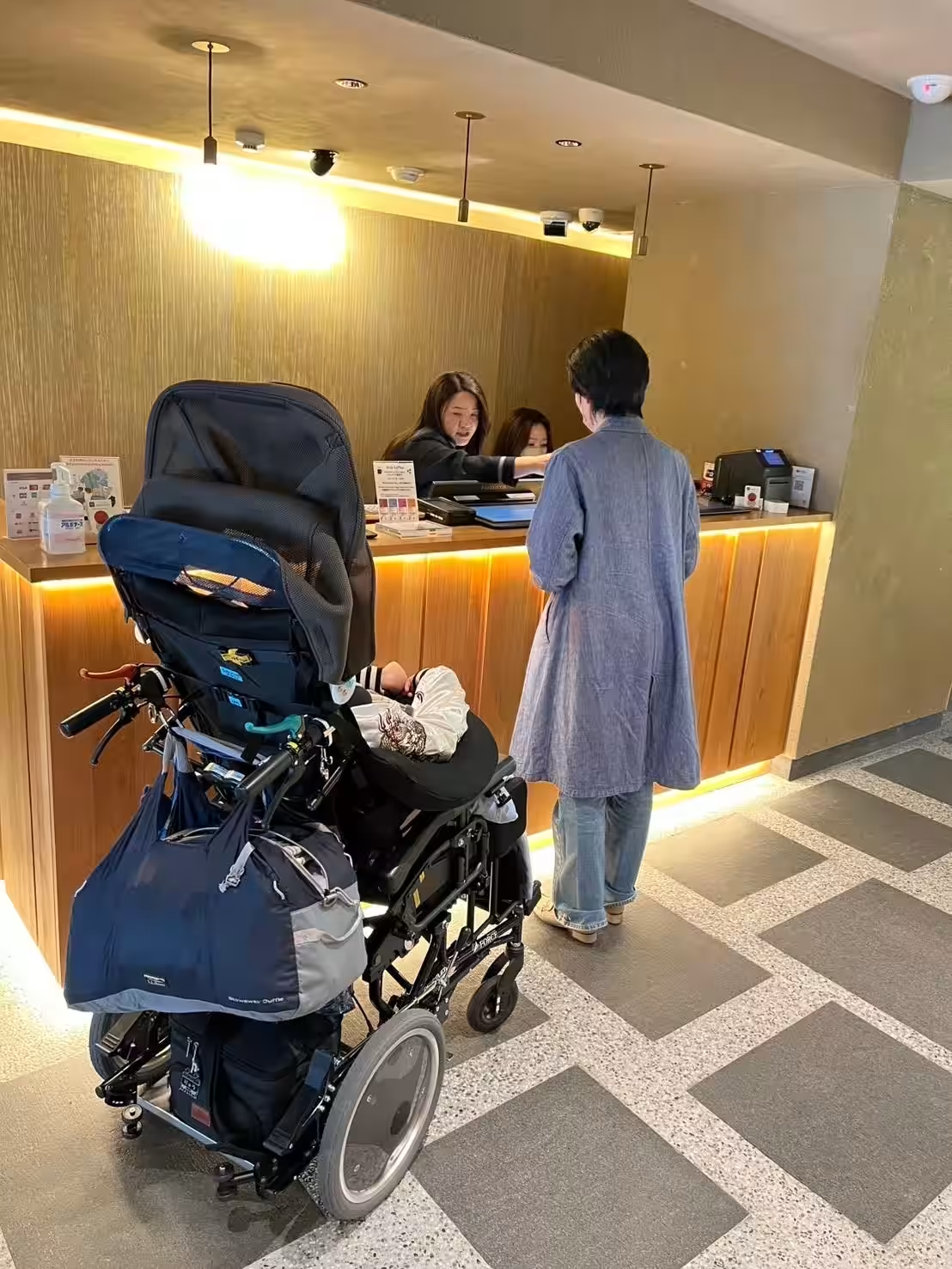
- - The bulky size of strollers needed to carry medical equipment raises concerns about facility accessibility.
- - The limited availability of parking and suitable restaurants adds to the complications.
- - A lack of reliable information complicates pre-trip preparations.
- - Siblings of medically affected children often miss out on outings.
- - Participating in school events like field trips can be difficult.
These obstacles highlight the need for a societal shift towards an inclusive environment that actively considers the needs of medically dependent children.
Trial Stay Event and Feedback Session
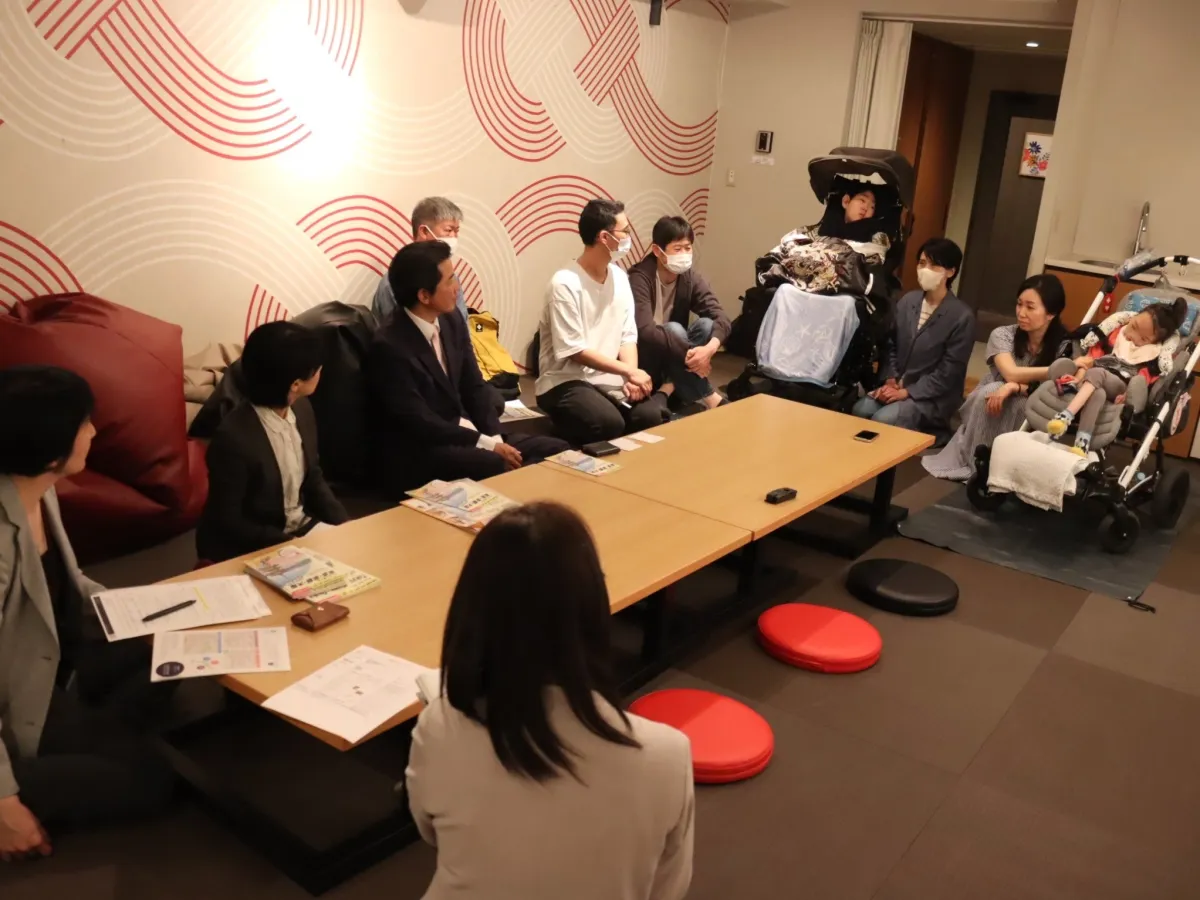
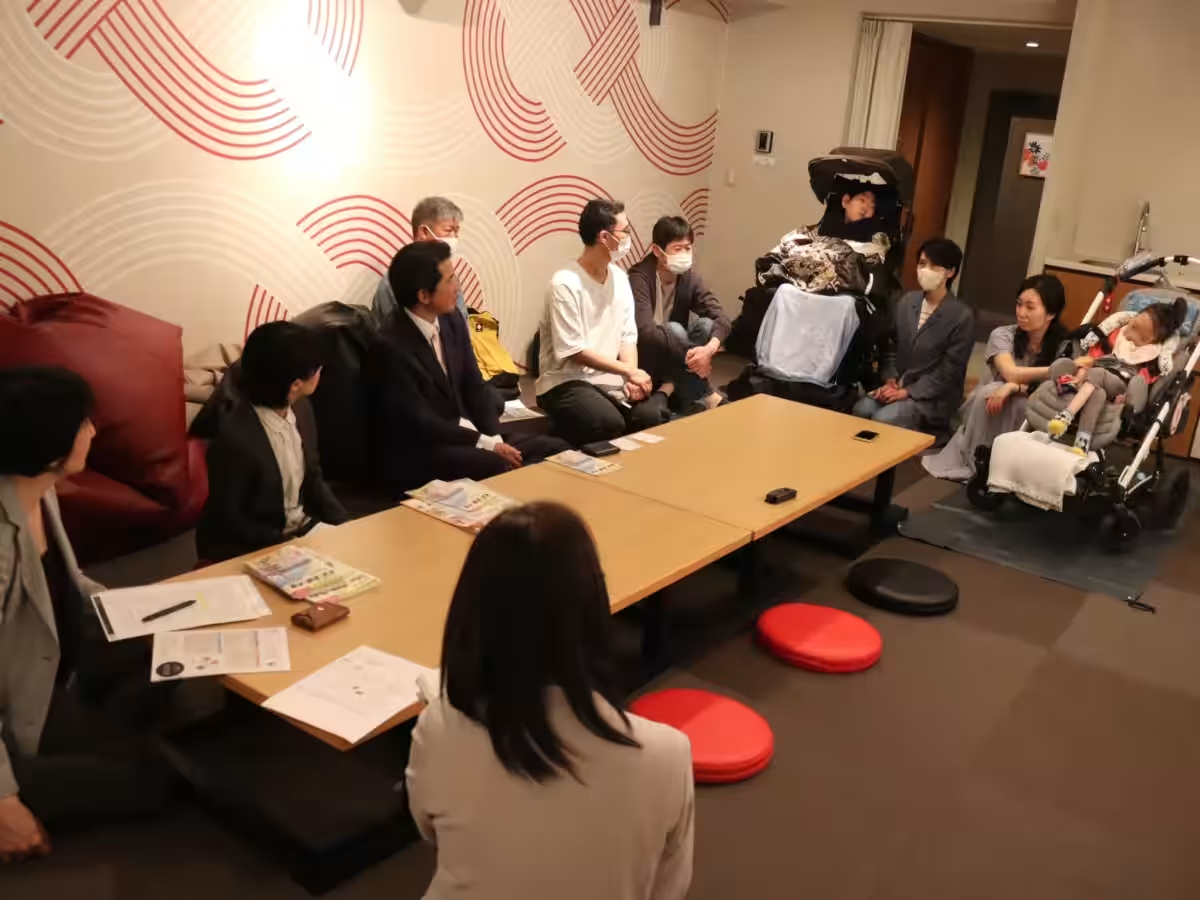
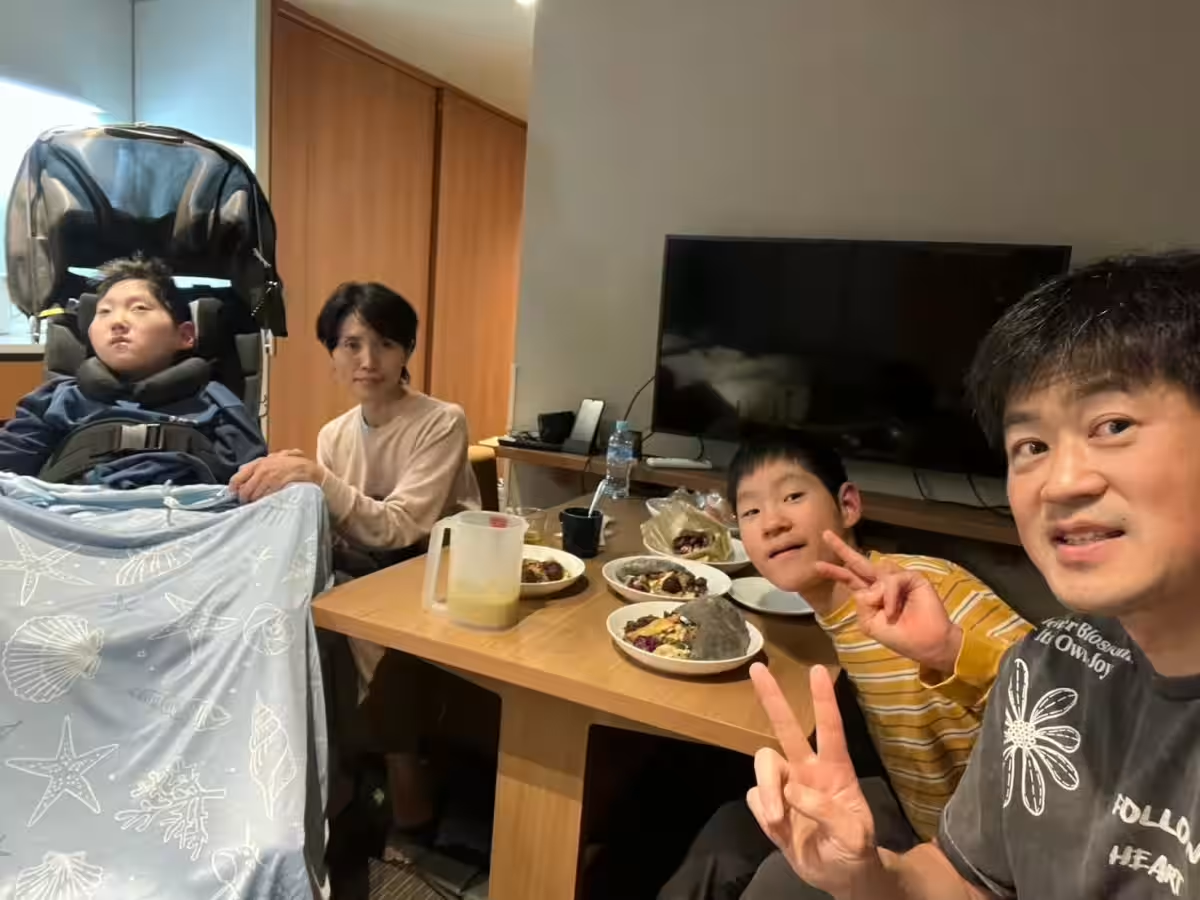
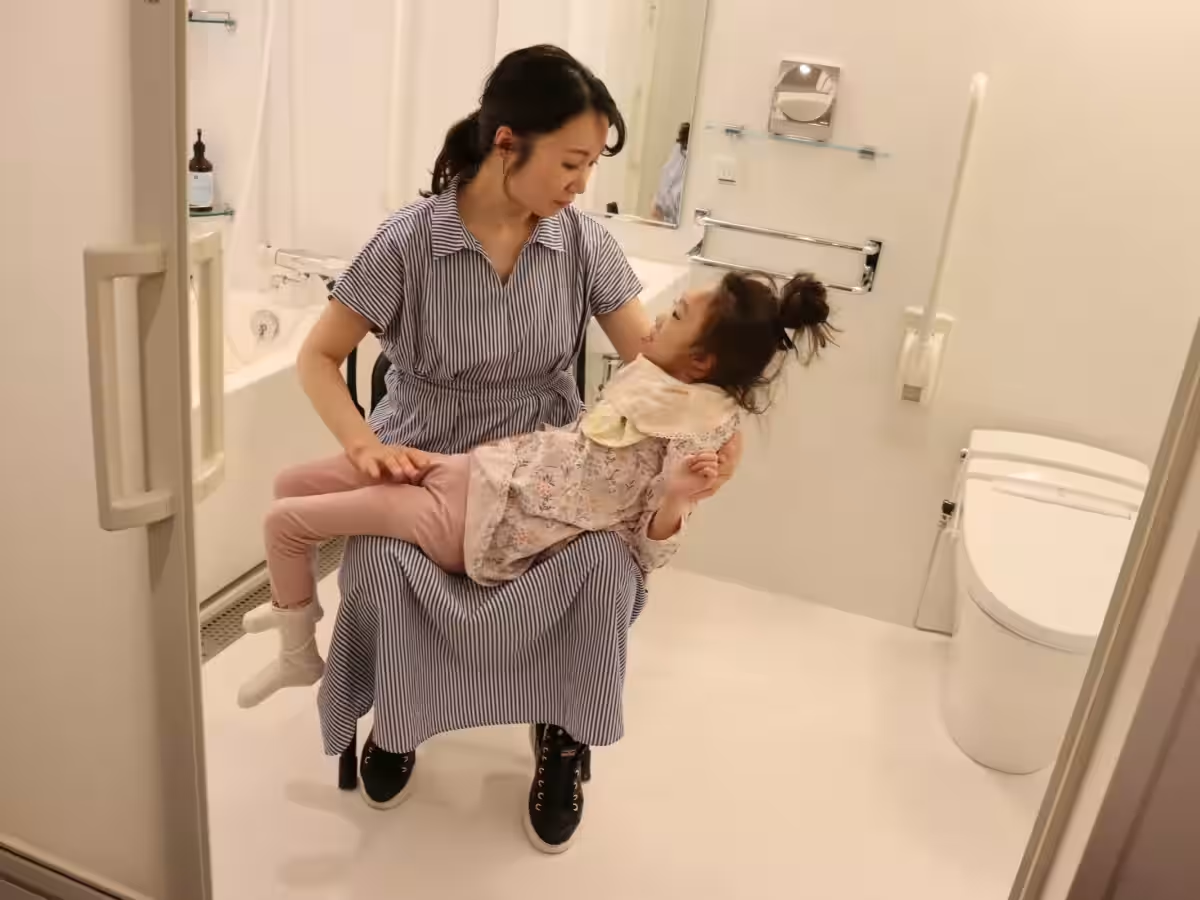
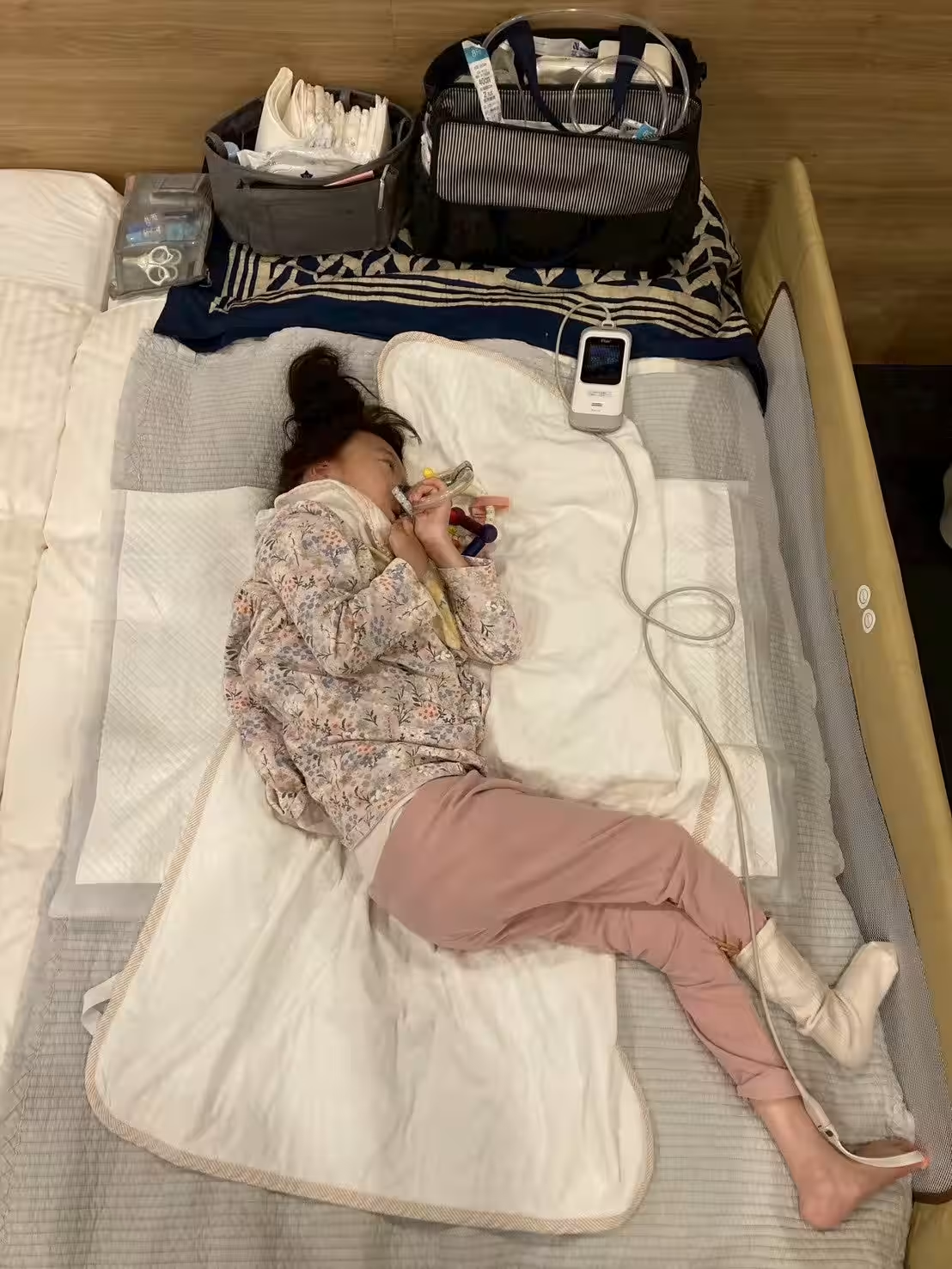
During this recent trial, two families with children requiring medical care stayed in accessible rooms with fully equipped bathrooms that meet their needs. Following their stay, a feedback session engaged families, welfare providers, and MIMARU staff in open dialogue to share concerns and insights from their experiences.
Insights Gained from Dialogue
The discussions revealed several critical points:
- - Families often hesitate to go out due to worries about inconveniencing others.
- - Larger strollers that meet the medical needs of growing children exceed the size of standard wheelchair-accessible spaces.
- - The willingness of facilities to accommodate and provide detailed pre-arrival information significantly enhances families' comfort levels.
- - It’s essential for all parties to communicate openly to foster more accommodating experiences.
- - Insights from families can be pivotal in addressing challenges in everyday environments, thus encouraging more outings.
- - Preparations for school trips often overlook the needs of medically dependent children, leading to many being excluded from traditional school activities.
Experiences of Trial Participants
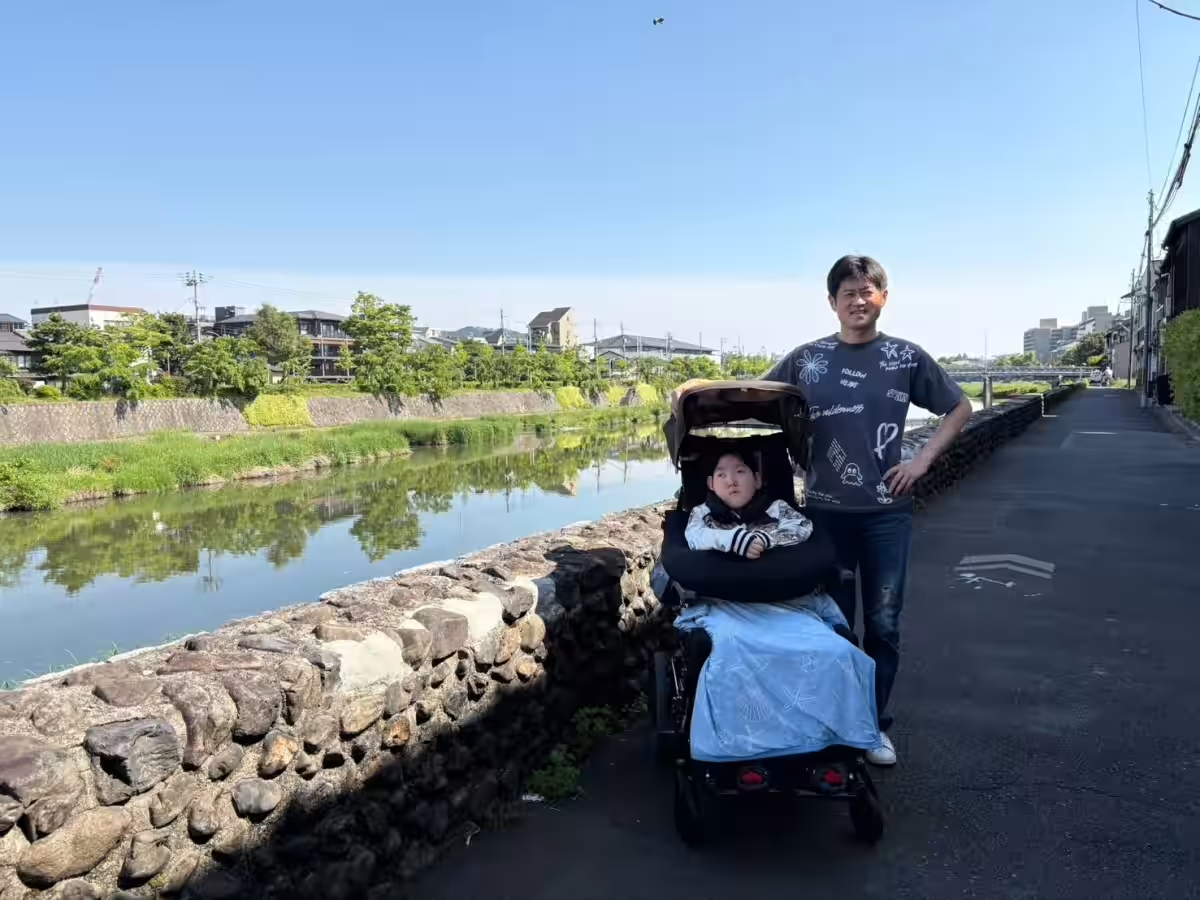
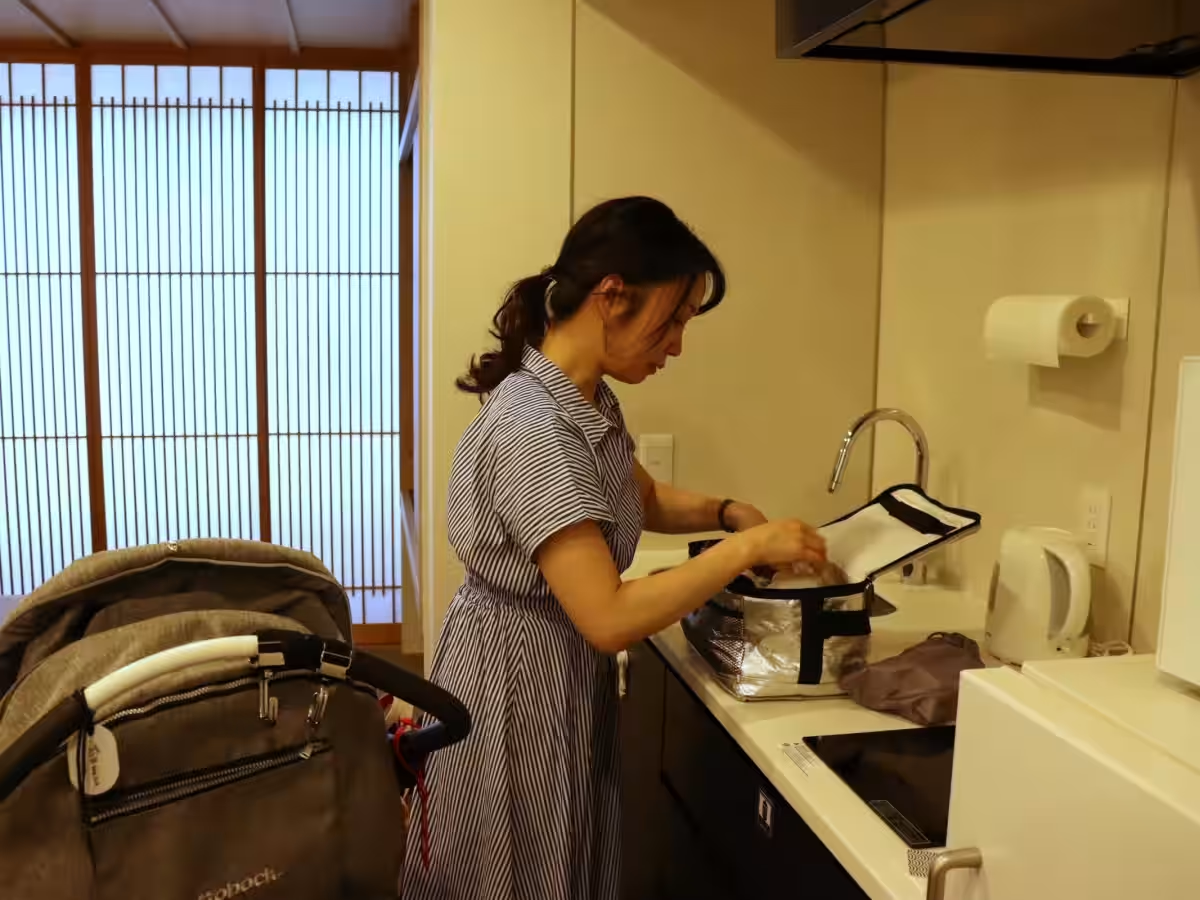
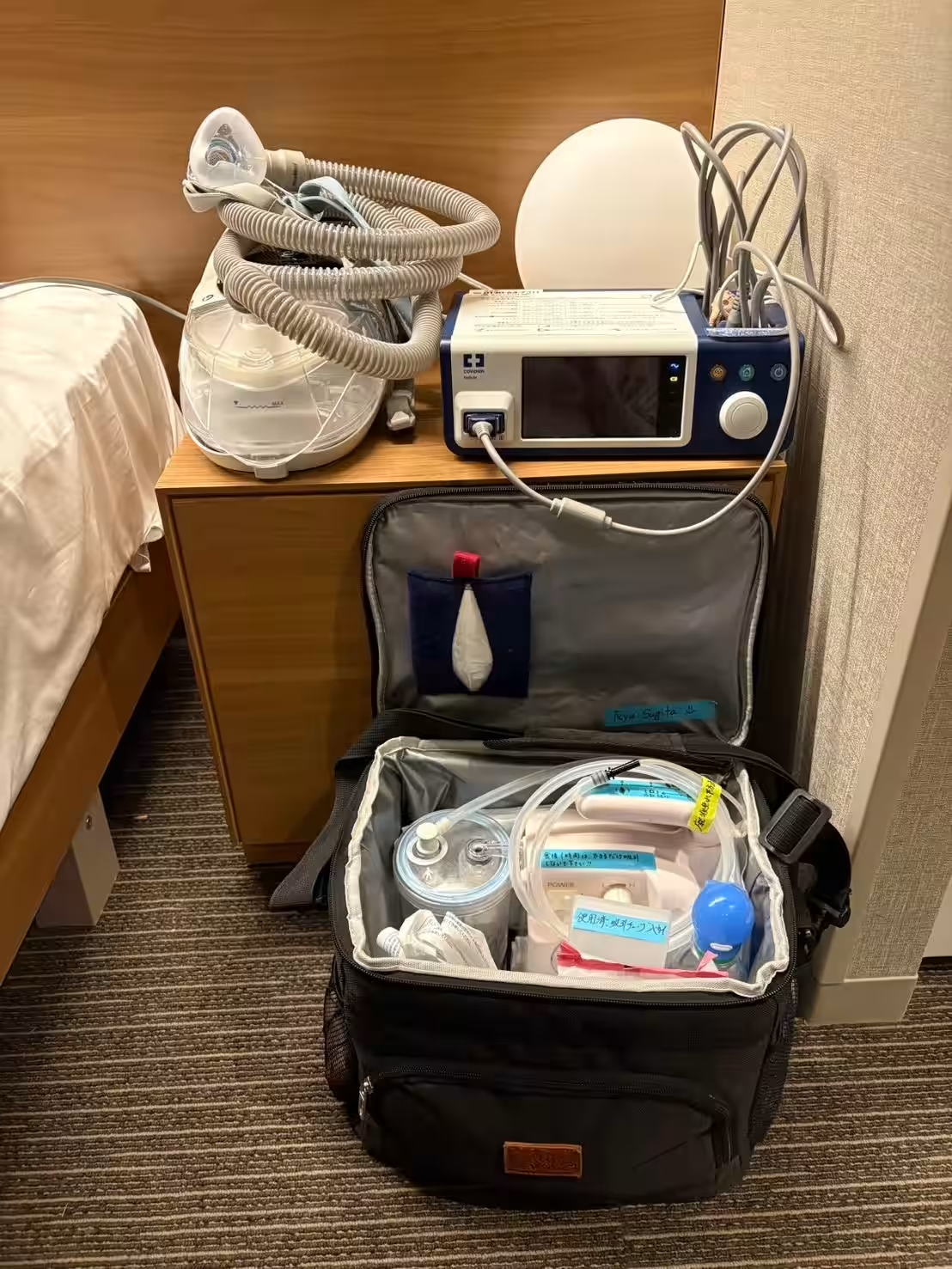
The families arrived loaded with essential medical equipment, necessitating a car for transport. It became apparent that access to local parking spaces and ease of mobility played a significant role in their overall experience. Upon check-in, MIMARU staff proactively addressed requests noted on their ‘communication sheets’ to ensure an optimal stay. The spacious design of the rooms, alongside essential amenities like kitchens and laundry, allowed families to settle in comfort, which seemed to uplift their spirits. During their stay, the families expressed joy in experiencing a family vacation after a long absence, with moments filled with smiles and laughter.
Barriers Continue to Persist
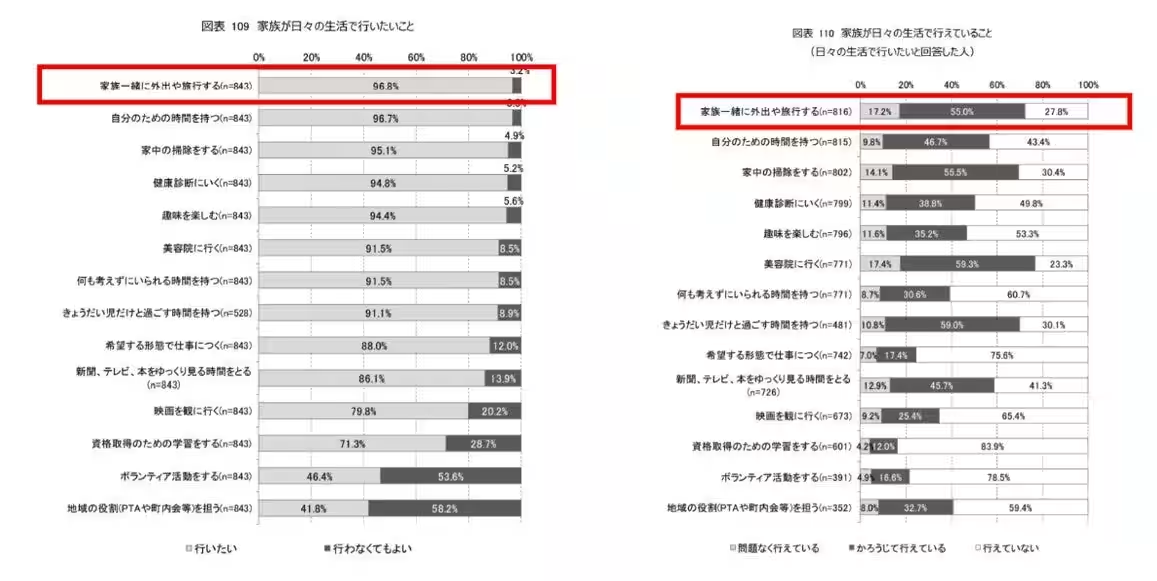
Despite advancements in care technology, the barriers to outings and travel remain high for medically complex children. Surveys indicate that while 96.8% of respondents wish to travel together as a family, only 17.2% report being able to do so without issue. These statistics underscore the urgent necessity for improved support systems and resources to effectively navigate both the logistical and psychological hurdles that hinder family outings. Moreover, the voices of siblings needing opportunities for inclusion highlight additional dimensions of this challenge.
MIMARU's Commitment to Accessibility
Established to be a welcoming and accessible accommodation option, MIMARU has developed various initiatives aimed at enhancing the travel experiences for families with medical care needs. This includes:
- - Collaborating with medical care families to equip rooms with necessary items like special mats and diaper disposal units.
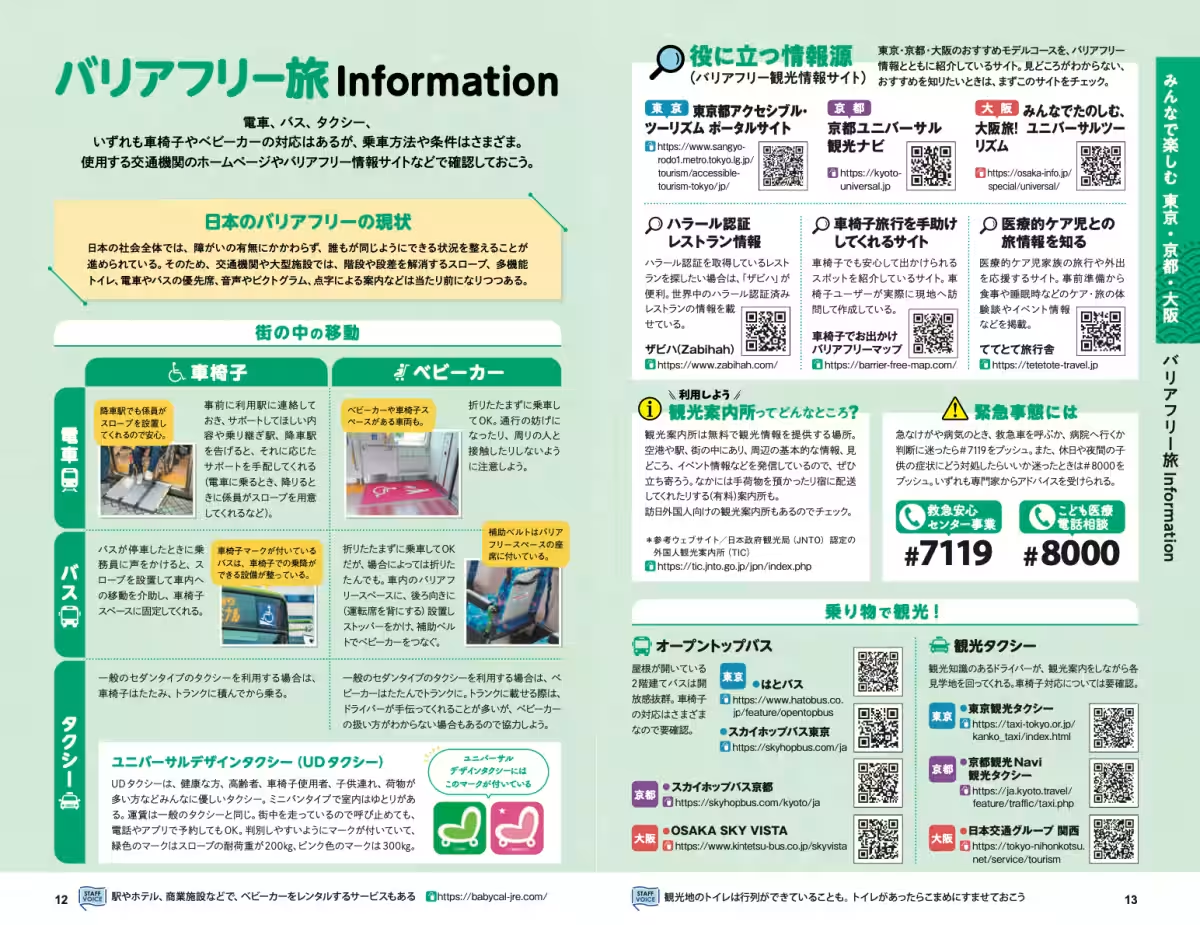
- - Promoting wheelchair-accessible maps and guidance for navigating facilities.
- - Implementing a ‘communication sheet’ during the booking process to better understand and meet guest needs.
- - Offering allergy-friendly meals through a collaboration with Kyocera’s Matoil service.
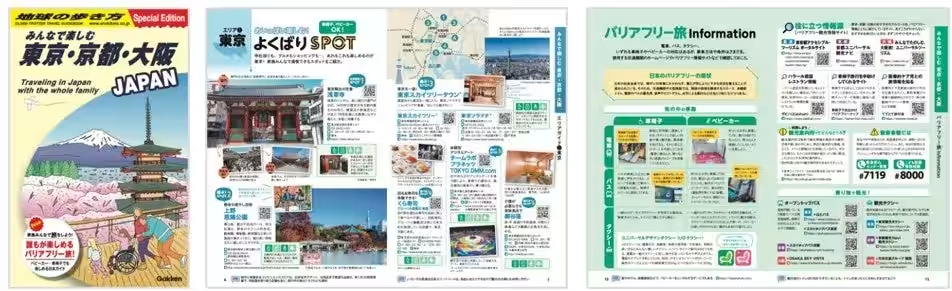
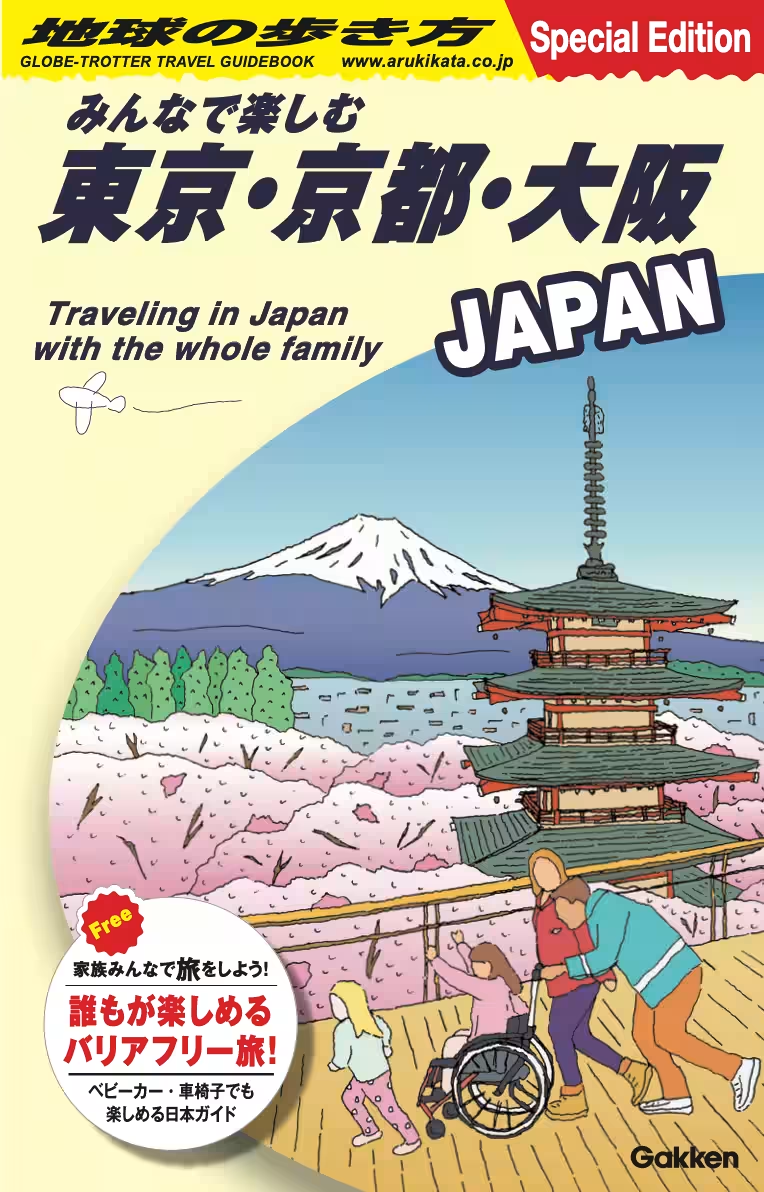
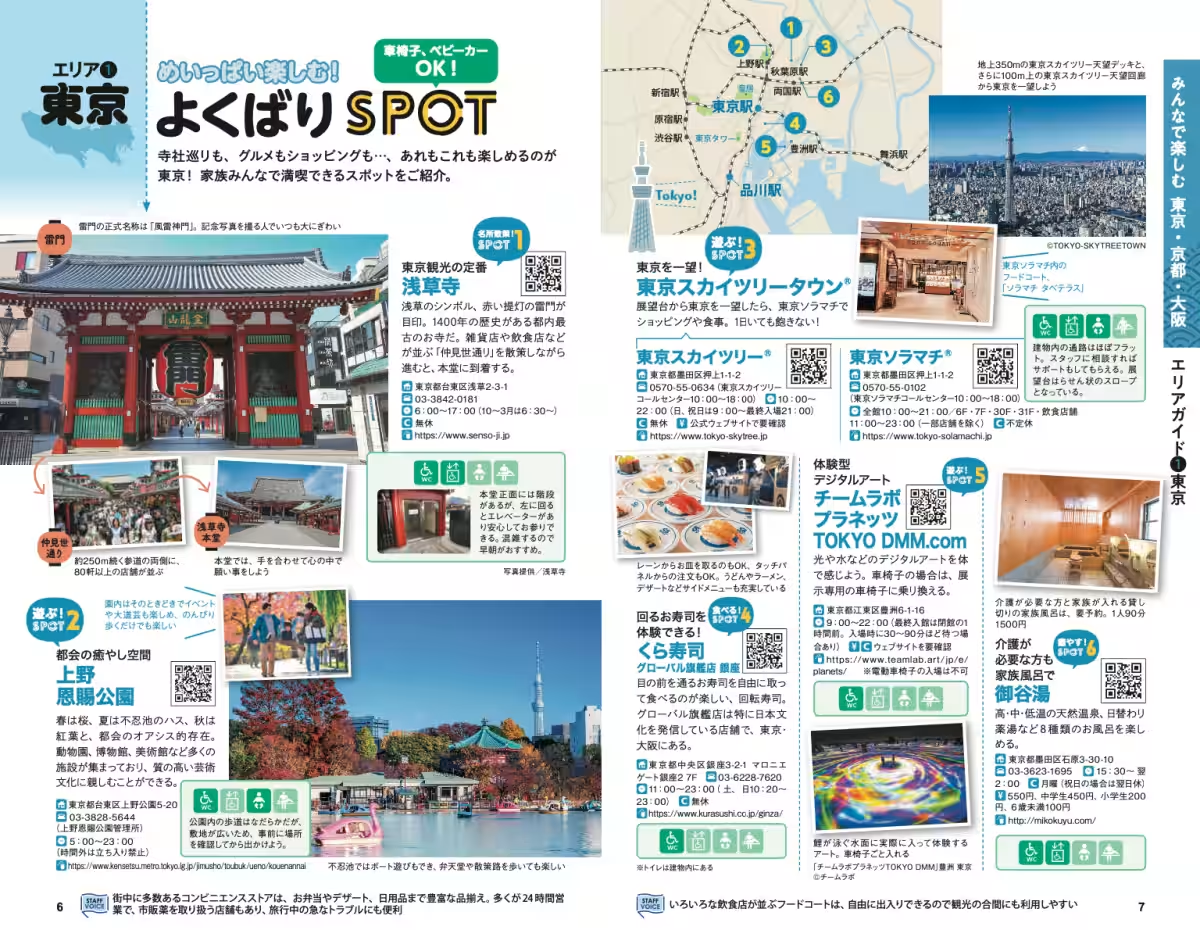
- - Publishing a free guide on inclusive tourism in Japan.
These efforts are more than just surface accommodations; they represent a commitment to fostering a society that welcomes families of all types, ensuring that everyone can create lasting travel memories together.
Looking Ahead
In collaboration with organizations such as Try Angle and Kodomo Mirai, MIMARU aspires to continue advocating for inclusive family travel. Understanding that a supportive environment extends beyond hotel walls, these partnerships aim to bolster systemic improvements across restaurants and tourist attractions, ultimately creating a landscape where everyone feels secure and valued while traveling. A holistic approach toward inclusivity can help ensure that all families can share in the beauty of exploration and adventure, regardless of their unique circumstances.

Topics Travel)
【About Using Articles】
You can freely use the title and article content by linking to the page where the article is posted.
※ Images cannot be used.
【About Links】
Links are free to use.