



Survey Reveals Gaps Between Researchers and Corporations in Collaborative Opportunities
Bridging the Gap Between Researchers and Corporations
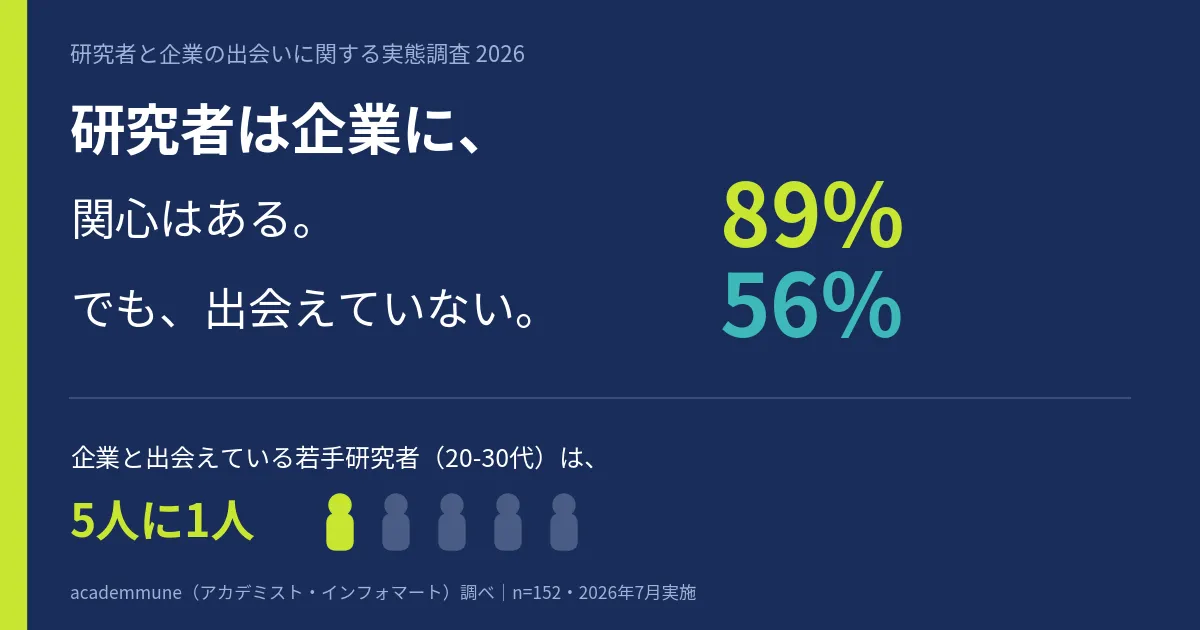
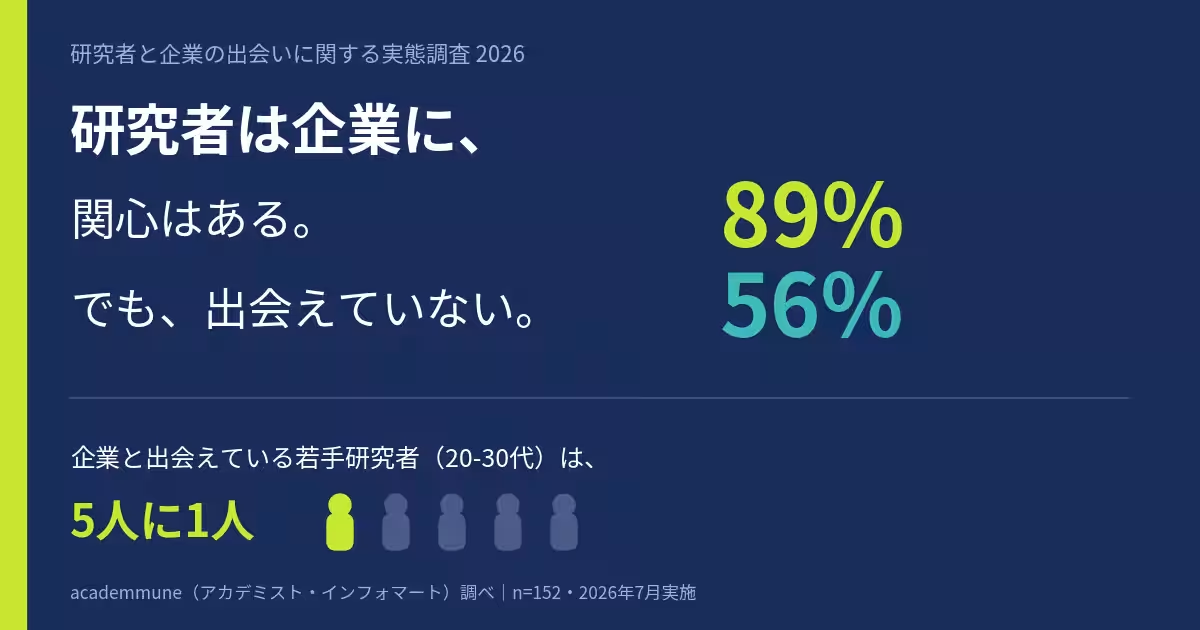
A recent study conducted by Academist and Infomart reveals a significant disconnect between researchers and corporations when it comes to collaborative opportunities. The research, carried out within the online community 'academmune', which facilitates interactions between researchers and companies, surveyed 152 researchers affiliated with universities and research institutions across Japan. The findings indicate that while approximately 89% of researchers express a keen interest in collaboration with businesses, a staggering 56% report they have not had the opportunity to connect with companies.
Survey Summary
Overall Interest: 89% of researchers are interested in corporate collaboration, yet only 36% have had meaningful interactions.
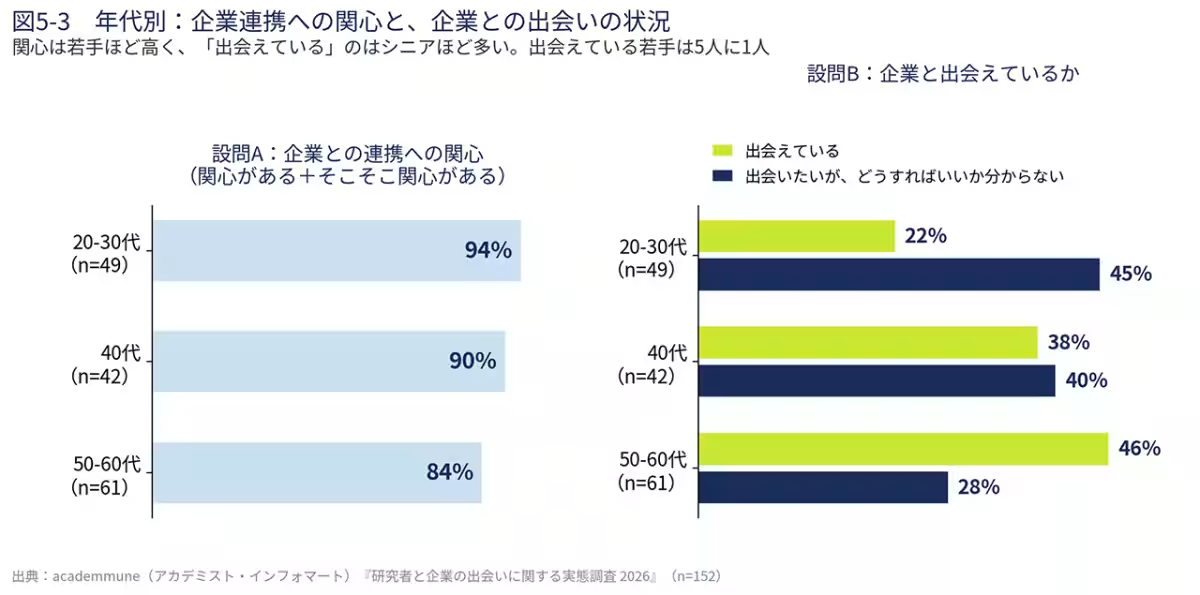
Generational Disparities: Among younger researchers (ages 20-30), only 22% have successfully made corporate connections.
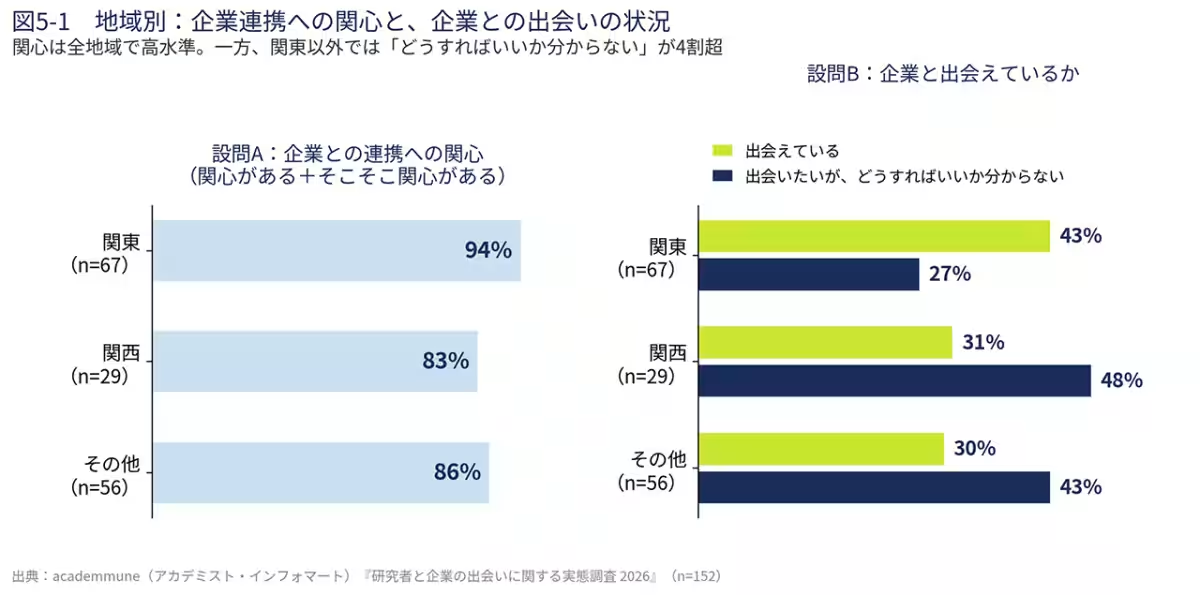
Regional Differences: Outside of the Kanto region, 45% of researchers express that they are unsure how to initiate collaborations, highlighting a considerable knowledge gap compared to their Kanto counterparts.
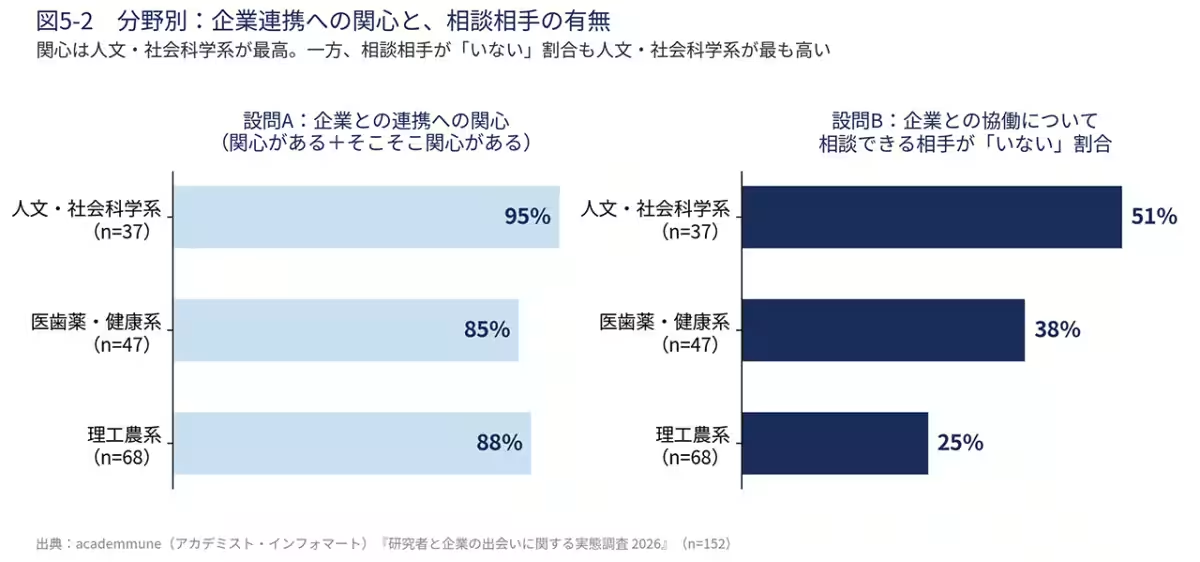
Field Discrepancies: While interest in corporate partnerships is greatest among researchers in the humanities and social sciences (95%), those in this field are also the most likely to feel they lack advisory support (51%).
The Importance of Industry-Academia Collaboration
Industry-academia collaboration has gained traction as an essential component for integrating scholarly knowledge into society. However, the Ministry of Education, Culture, Sports, Science and Technology in Japan notes that much of this collaboration is concentrated in specific fields or large universities. Individual researchers have limited pathways to engage with businesses. The dynamic nature of research environments necessitates partnerships with corporations as a vital means for sustaining and expanding research activities, yet data capturing researchers' collaborative aspirations and their actual connections remain minimal.
Key Findings
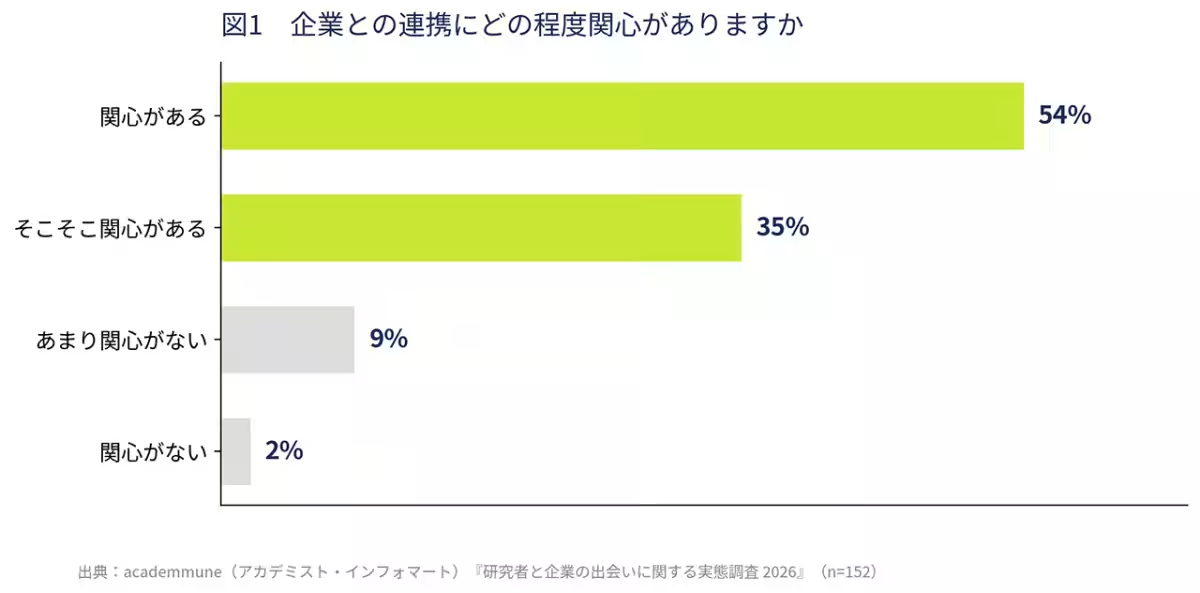
1. High Interest in Collaboration: A combined 54% of researchers responded that they are 'very interested' while 35% are 'somewhat interested' in partnering with companies, leaving only 2% expressing no interest.
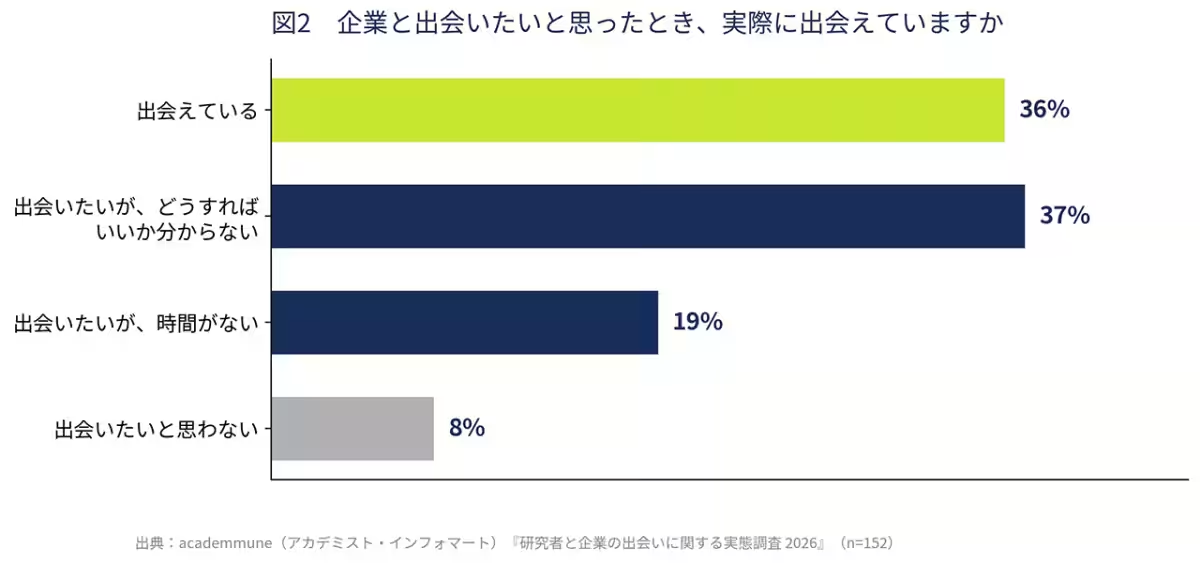
2. Barriers to Connection: Although the desire for interaction is robust, only 36% of respondents believe they have managed to connect with corporations. Many cite uncertainty about how to meet companies as their primary barrier (37%), and when combined with those who feel they lack time (19%), this accounts for 56% of the respondents who wish to connect but have not succeeded. This suggests that it's not a lack of interest but rather limited opportunities and avenues that hinder interaction.
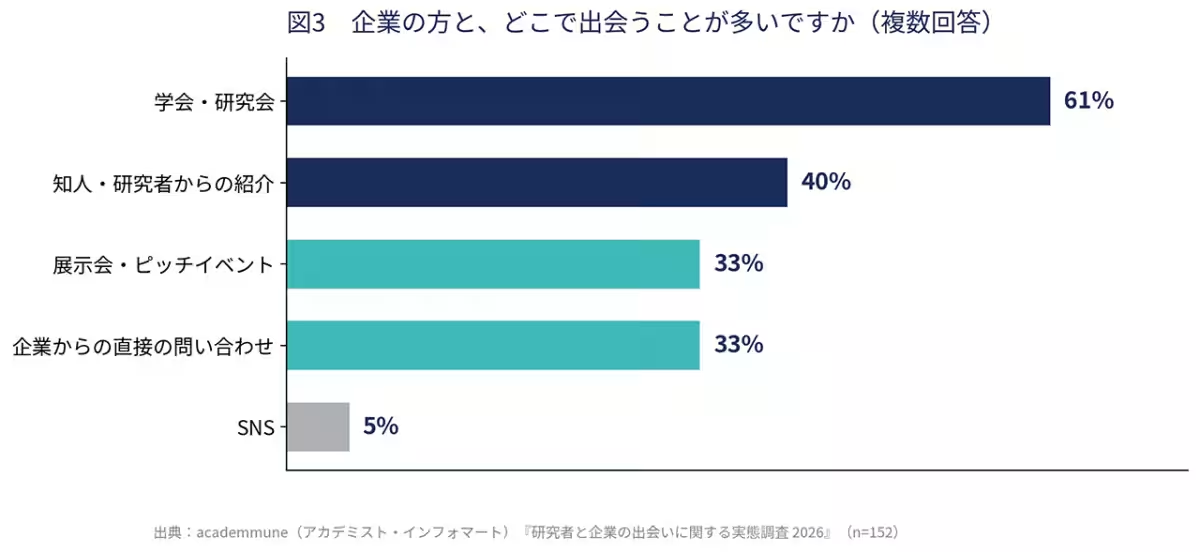
3. Networking Reliance: Most connections occur through established networks, with 61% indicating that academic conferences are a key meeting point, while only 5% cite social media as a viable avenue. Researchers without existing networks find it particularly challenging to reach out to businesses.
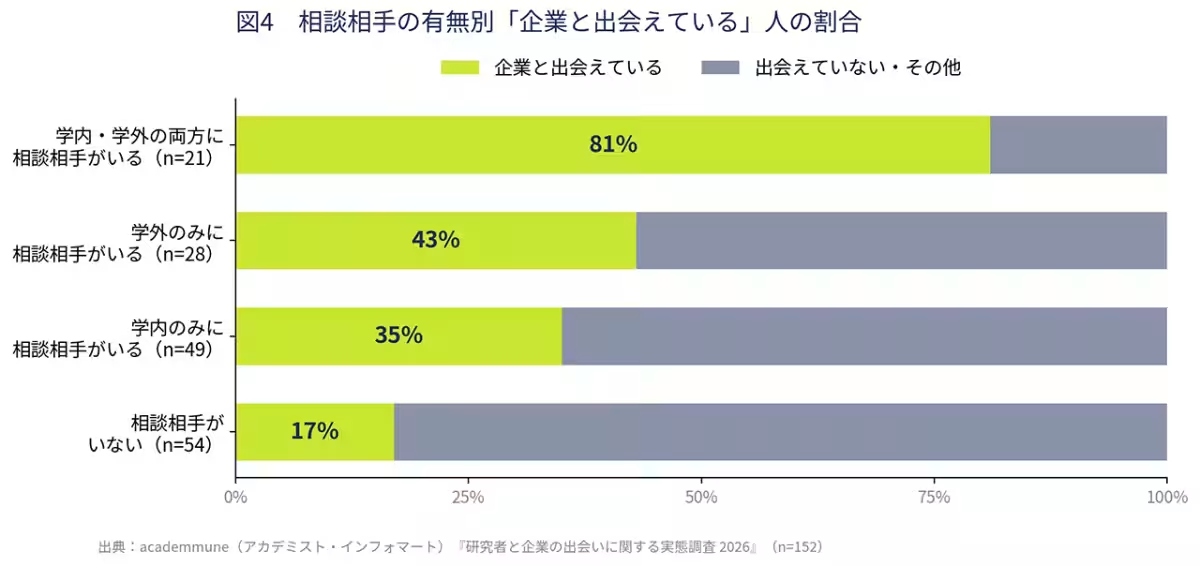
4. Advisory Support: The presence of someone to consult about potential collaborations greatly impacts effectiveness; 81% of researchers with advisory support have successfully made contacts, compared to only 17% without such support.
5. Disparities Across Regions, Fields, and Ages: The data demonstrates that, regardless of the axis of analysis, researchers who show high eagerness to collaborate often lack the means to do so. For example, researchers outside the Kanto region face significantly more barriers, despite exhibiting comparable desire for collaboration.
6. Generational Gaps: The younger generation, while expressing the highest interest (94% among those under 30), experiences the lowest successful meeting rate with businesses at only 22%. This highlights a pressing need for systems to help younger researchers build professional bridges.
Calls for Action
The results of this survey reflect the urgent need for a more supportive environment where researchers can engage with private sector entities without the immediate pressure of establishing large-scale partnerships. There is a growing desire for smaller, exploratory collaborations that may evolve into larger projects over time. Researchers uniformly express a wish for casual introductions that could develop into formal partnerships.
'Collaborative research often feels substantial, and smaller exploratory efforts are welcomed to ease researchers into partnerships,' says a professor from the chemistry field. To foster this environment, initiatives that bridge the communication gap and allow for informal interactions between researchers and industry representatives are essential.
Ultimately, not only do researchers and businesses need a better understanding of each other's priorities and challenges, but continued opportunities for dialogue must also be established to pave the way for fruitful collaboration. Through its platform, academmune aims to create such environments where researchers and companies can meet casually and build relationships over time.
About academmune
Academmune is an online community jointly operated by Academist and Infomart, dedicated to fostering collaborations between researchers and businesses. By emphasizing relationship building over immediate contractual outcomes, it facilitates monthly meetups and offers avenues for ongoing engagement, focusing on creating informal connections before pursuing formal agreements.
Conclusion
The study underscores the need for improved engagement strategies to ensure that eager researchers, regardless of their backgrounds or fields, can meet and collaborate with businesses effectively. As both Academist and Infomart work to enhance these connections through academmune, the community looks forward to nurturing these essential partnerships moving forward.

Topics General Business)
【About Using Articles】
You can freely use the title and article content by linking to the page where the article is posted.
※ Images cannot be used.
【About Links】
Links are free to use.