



Over 50% of Working Adults Struggle with Sleep According to 2025 Survey
Sleep Challenges Among Working Adults in 2025
A recent survey conducted by Daiken Biomedical, a Japanese health food manufacturer, has shed light on the pressing sleep challenges faced by working adults in Japan. Conducted from August 23 to August 24, 2025, the survey involved 500 participants aged between 20 and 60, revealing alarming trends about sleep satisfaction and habits.
Survey Highlights
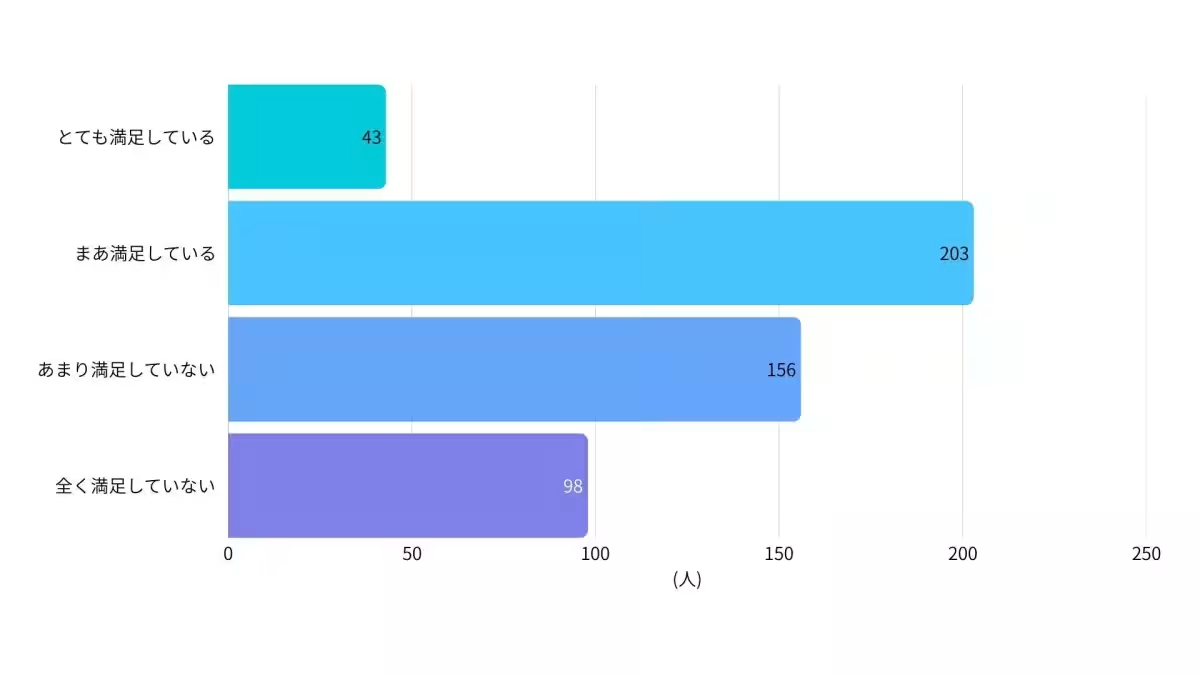
According to the findings, a staggering 50.8% of respondents reported dissatisfaction with their overall sleep quality. This sentiment was particularly pronounced among individuals in their 30s and 40s, who often juggle work responsibilities alongside family life. These factors contribute significantly to their inability to attain restful sleep, which can lead to decreased focus, heightened fatigue, and may ultimately affect overall productivity both at work and at home.
Average Sleep Duration Under Scrutiny
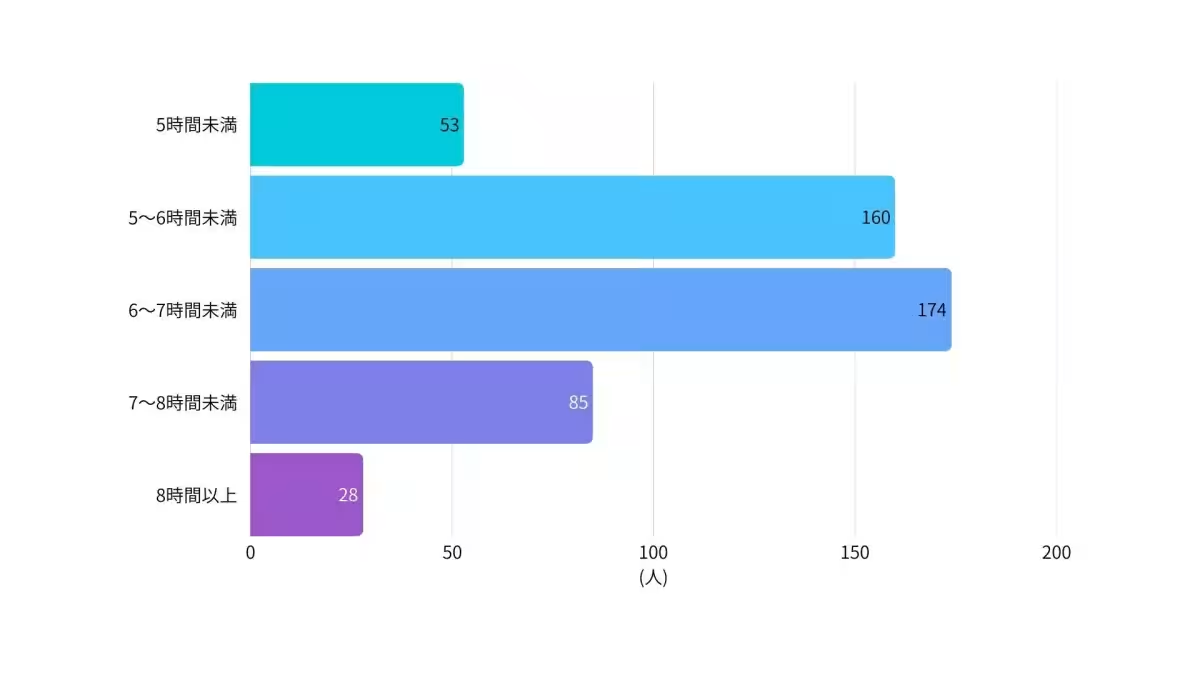
When participants were asked about their average sleep duration during weekdays, the results were concerning. Approximately 70% indicated they slept for less than seven hours, with 34.8% reporting 6-7 hours, and 32.0% stating 5-6 hours. Such findings starkly contrast with international sleep guidelines, which recommend that adults should aim for 7-8 hours of sleep. Alarmingly, only 22.6% of respondents managed to meet this benchmark, while 10.6% reported sleeping for less than five hours — a clear indication of a growing public health issue stemming from chronic sleep deprivation.
Evening Routines and Technology Use
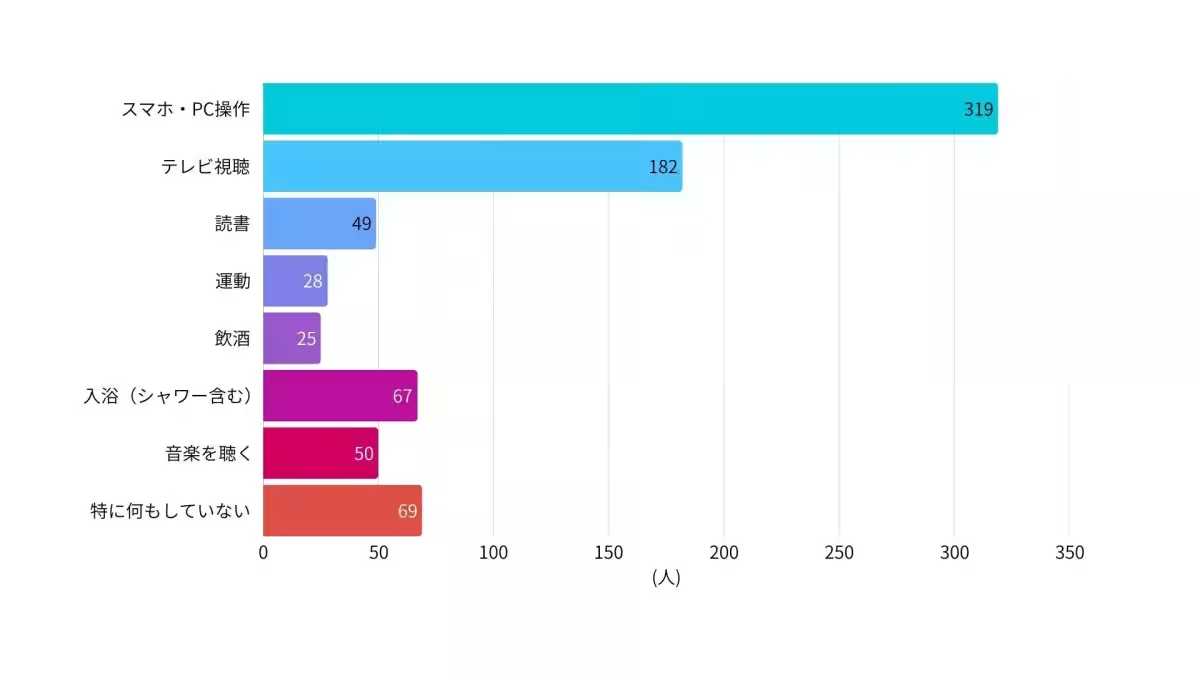
Another noteworthy insight from the survey was about participants' pre-sleep habits. 63.8% admitted to using their smartphones or computers within an hour of bedtime. This tech usage can disrupt Melatonin production — the hormone responsible for regulating sleep cycles — due to the blue light emitted by screens. Other habits included watching TV (36.4%) and simply not engaging in any specific activities (13.8%). This suggests a legitimate connection between modern technology and deteriorating sleep quality.
The Disconnect Between Awareness and Action
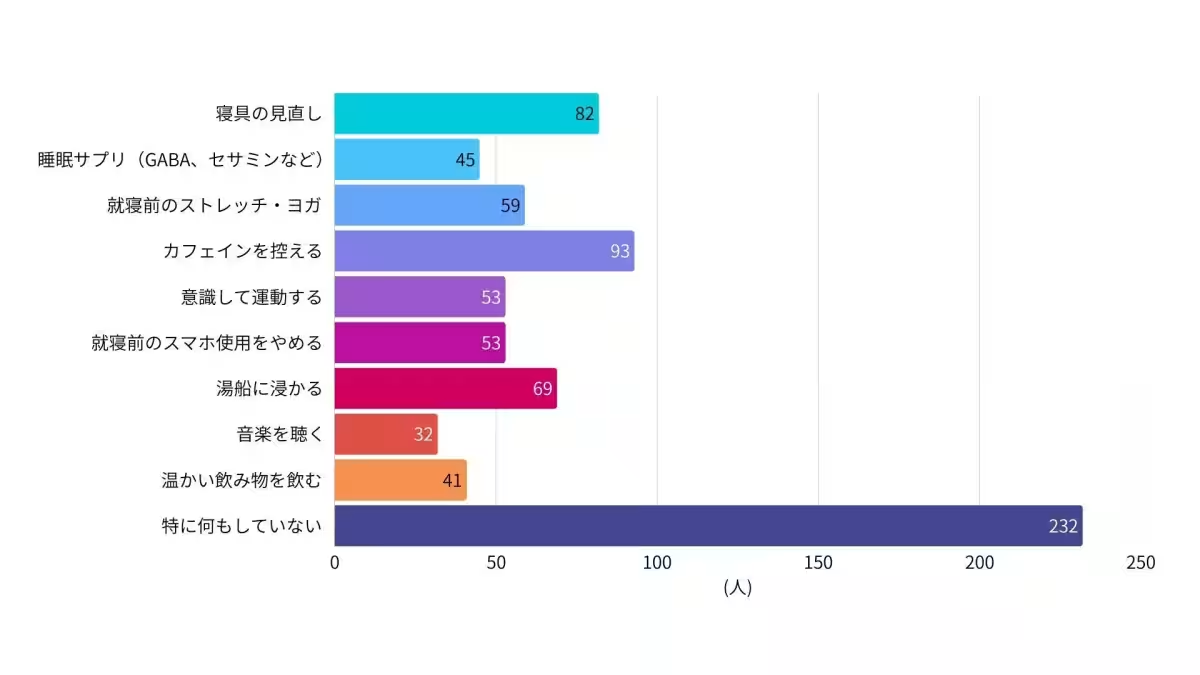
Despite the generally recognized problems surrounding sleep, a significant 46.4% of participants reported that they were doing nothing particularly proactive to improve their sleep. Among those who were taking measures, common strategies included cutting back on caffeine (18.6%), reassessing their sleep environments (16.4%), and engaging in pre-sleep stretching or yoga (11.8%). However, none of these proactive approaches garnered engagement from more than 20% of respondents. This indicates a concerning disparity between awareness of sleep issues and the practical steps being taken to address them.
Conclusion: A Growing Need for Holistic Sleep Solutions
In our fast-paced lives, obtaining sufficient sleep and modifying daily routines can be particularly challenging. However, the emergence of supplements designed to enhance sleep quality, featuring ingredients such as GABA, sesame, and theanine, present a noteworthy self-care option for modern individuals. Daiken Biomedical remains committed to developing and marketing health supplements that support daily well-being, including products aimed at improving sleep quality. As evidenced by this research, there is a significant demand for effective sleep solutions, emphasizing the need for both lifestyle changes and dietary supplements in maintaining a healthier sleep pattern. For more information about Daiken's sleep support products, visit Daiken Biomedical.
References:
- - National Sleep Foundation’s recommendations on adult sleep duration
- - Centers for Disease Control and Prevention guidelines on sleep needs.
For inquiries regarding this matter, please contact:
Company: Daiken Biomedical Inc.
Email: [email protected]
Official Website: Daiken Biomedical
Topics Health)
【About Using Articles】
You can freely use the title and article content by linking to the page where the article is posted.
※ Images cannot be used.
【About Links】
Links are free to use.