



AILEX Launches Groundbreaking AI SaaS for Small Law Firms in Japan
AILEX: Revolutionizing the Legal Landscape in Japan
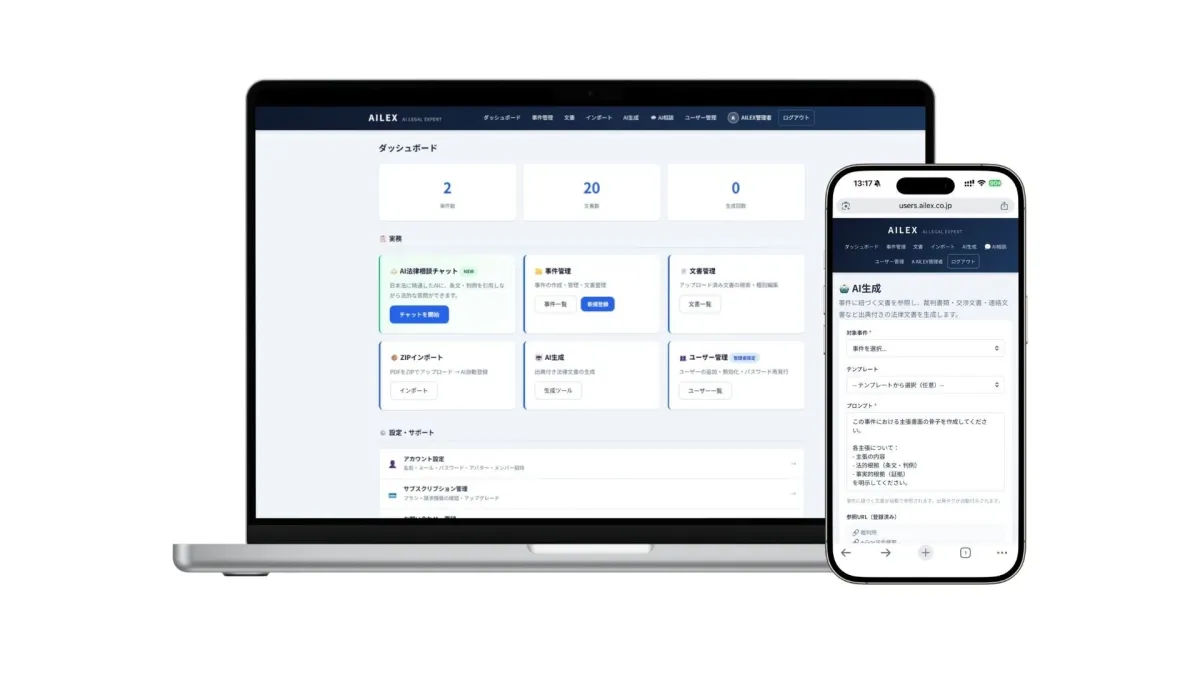
On February 12, 2026, AILEX LLC, headquartered in Shibuya, Tokyo, unveiled AILEX, an AI-powered Software as a Service (SaaS) specifically designed for solo practitioners and small to medium-sized law firms in Japan. This new service marks a significant evolution in the legal tech landscape, aiming to provide a comprehensive solution that enhances efficiency and operational management in legal practices.
What is AILEX?
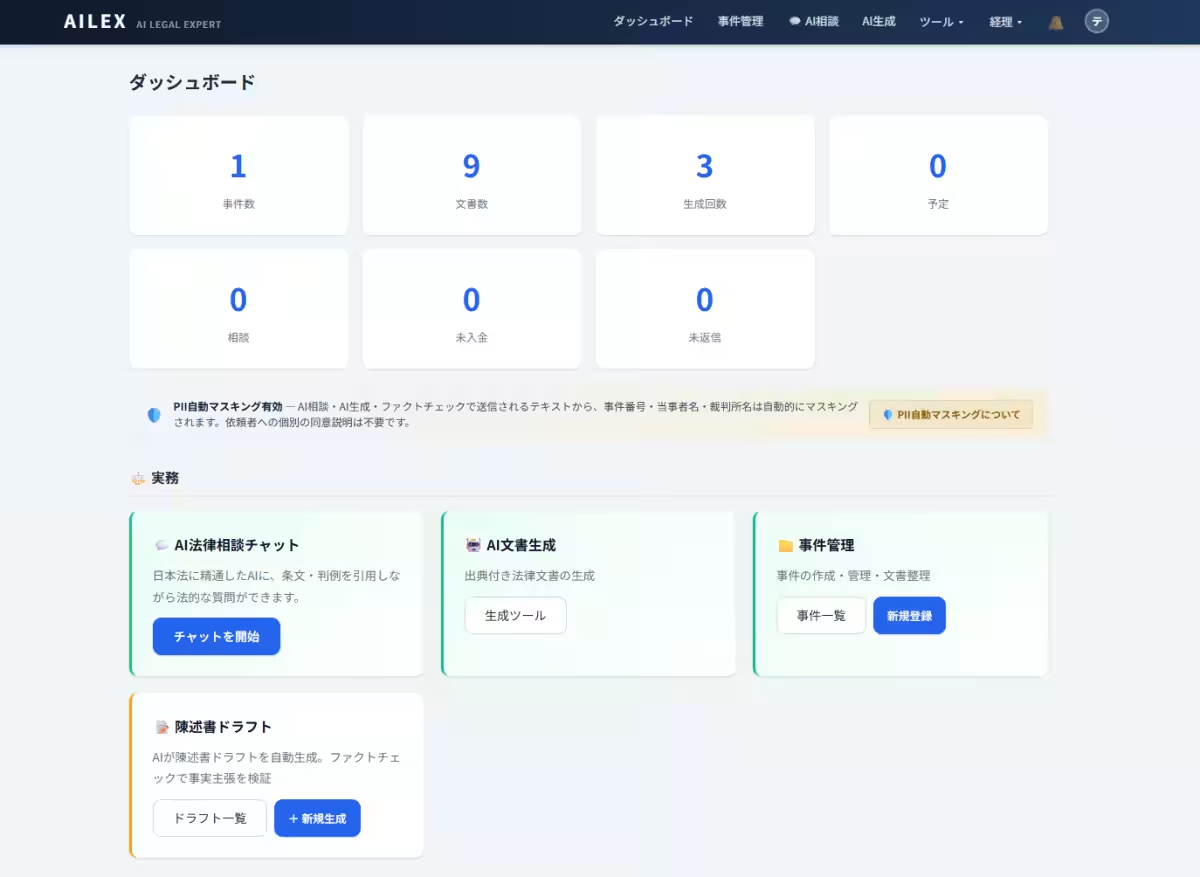
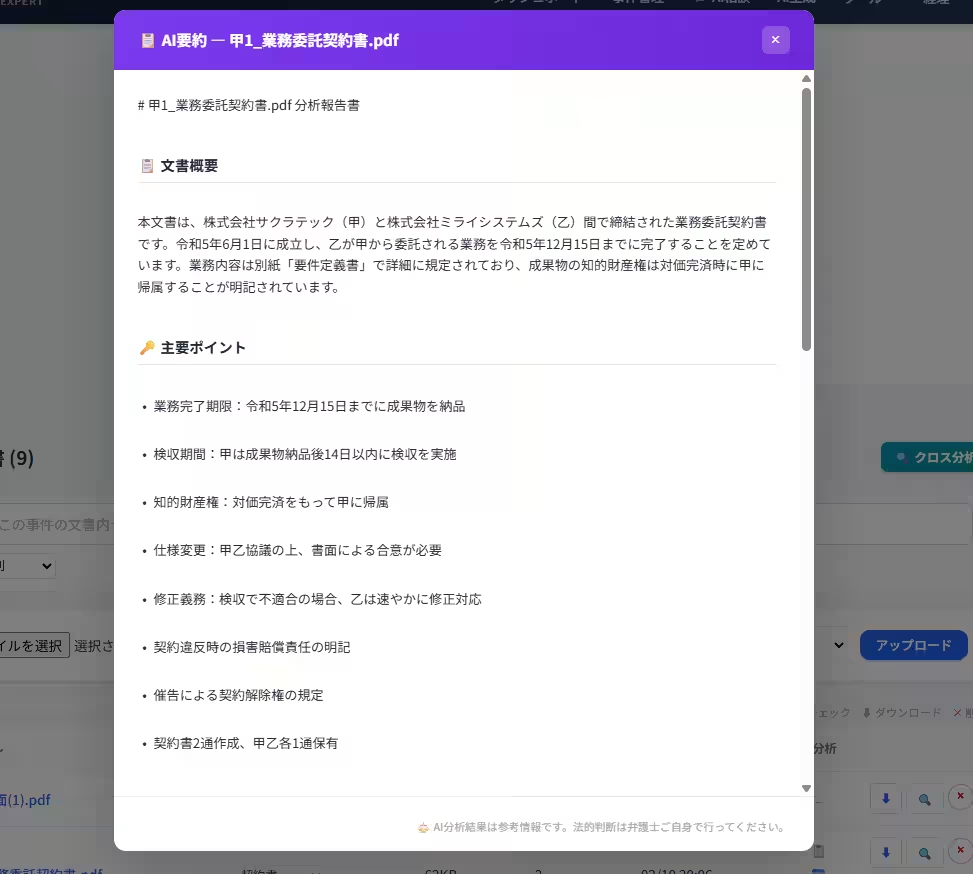
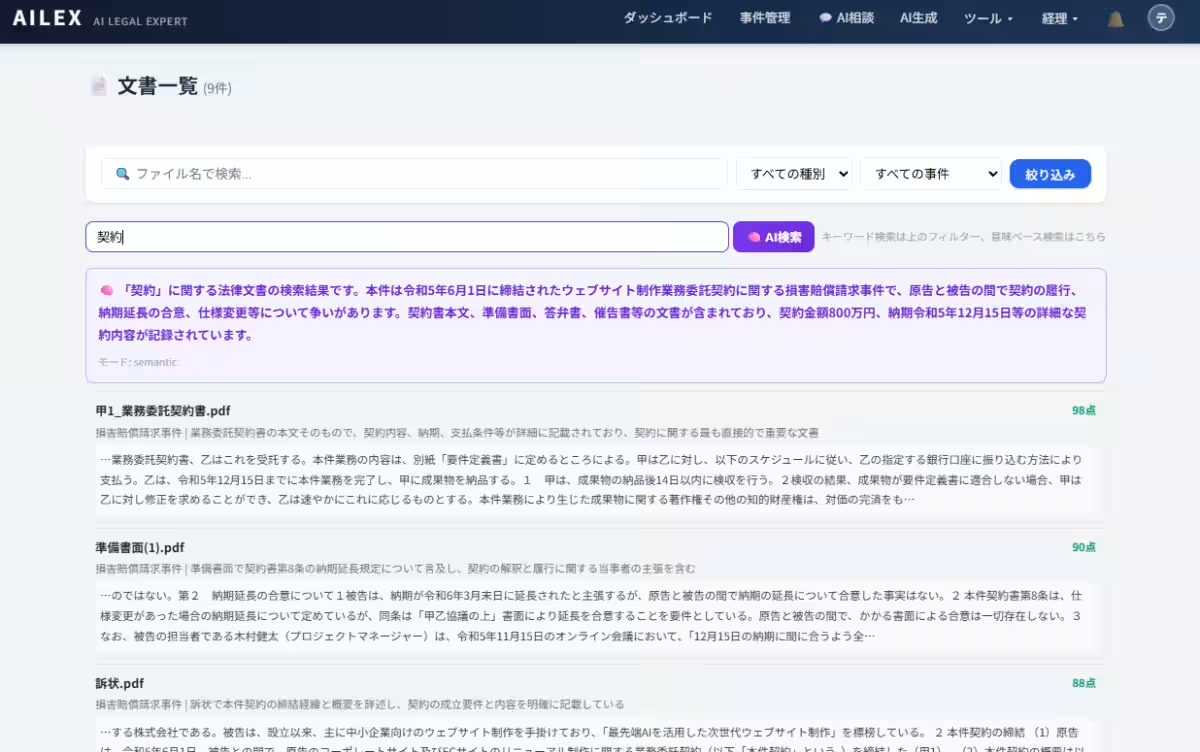
AILEX leverages three advanced AI engines to offer an extensive suite of features tailored for legal professionals. The platform aims to alleviate the workload of lawyers who often find themselves grappling with various administrative tasks and document-related duties. Among its sixteen core functionalities, AILEX includes:
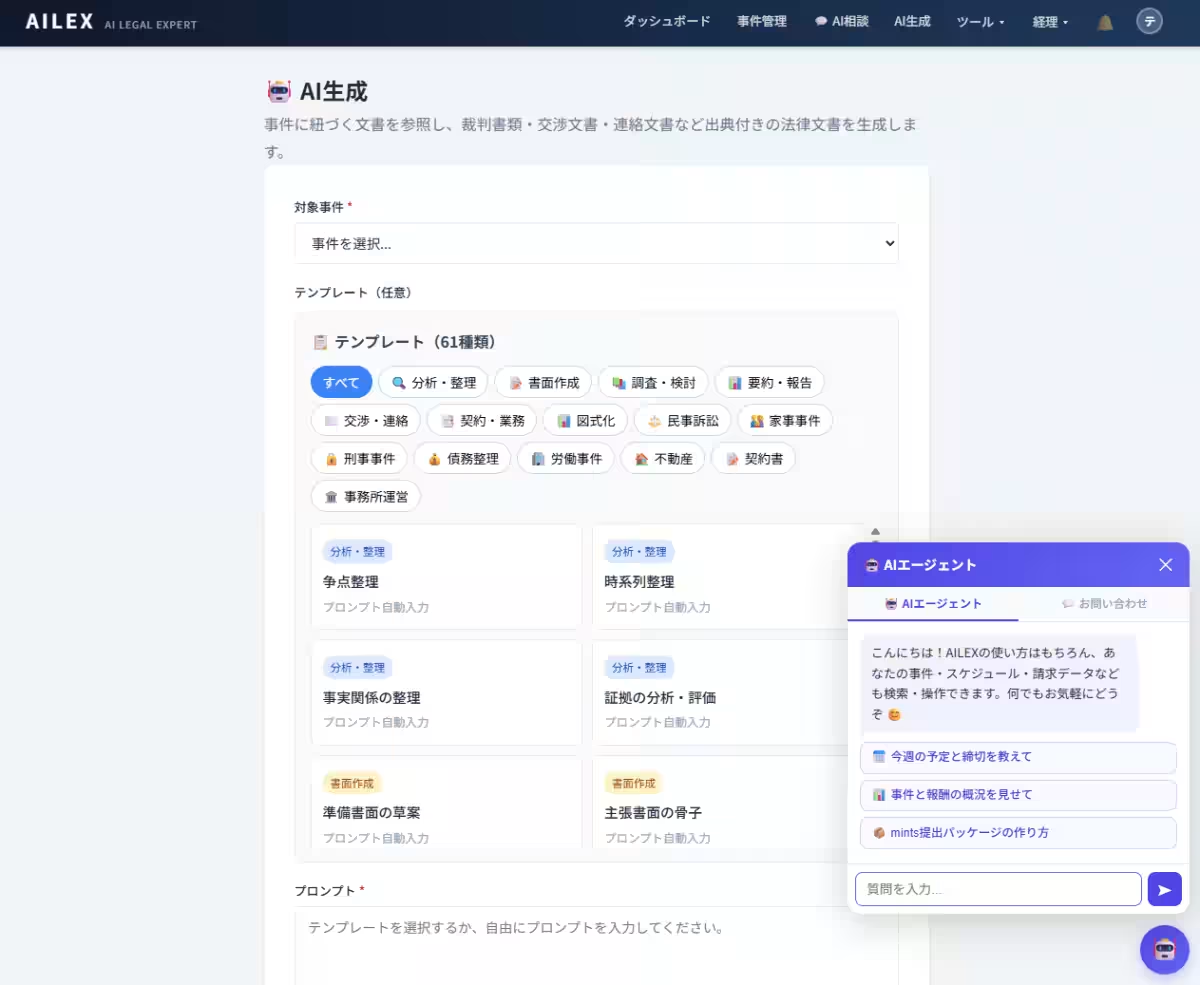
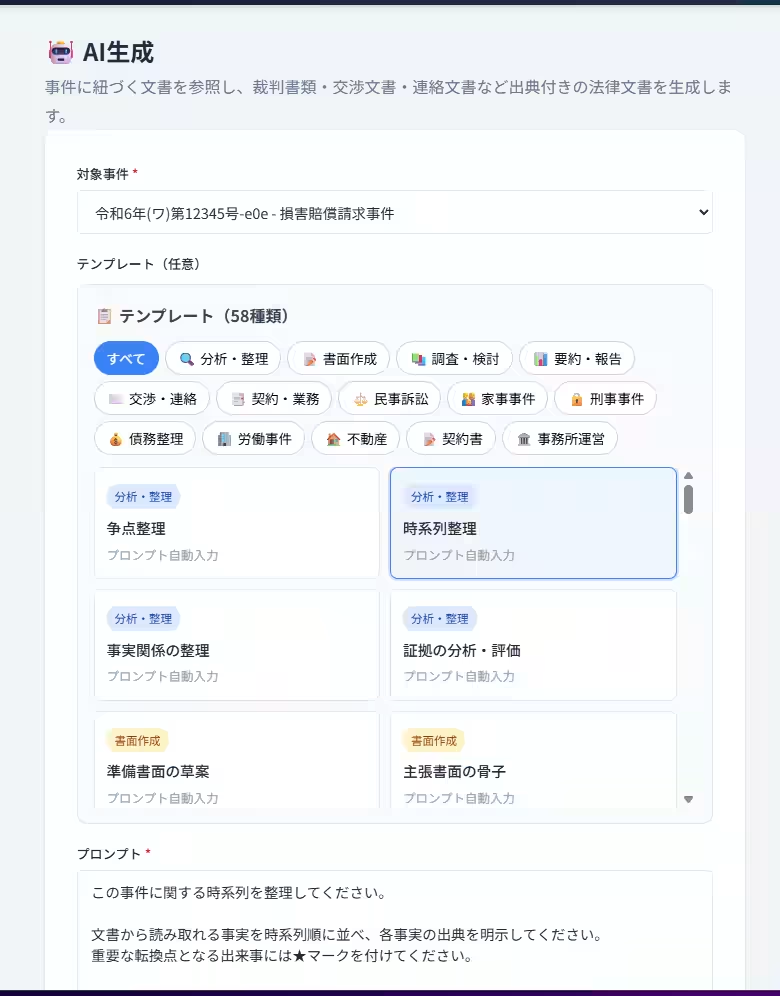
- - AI-generated documents for litigation and negotiations (58 unique templates)
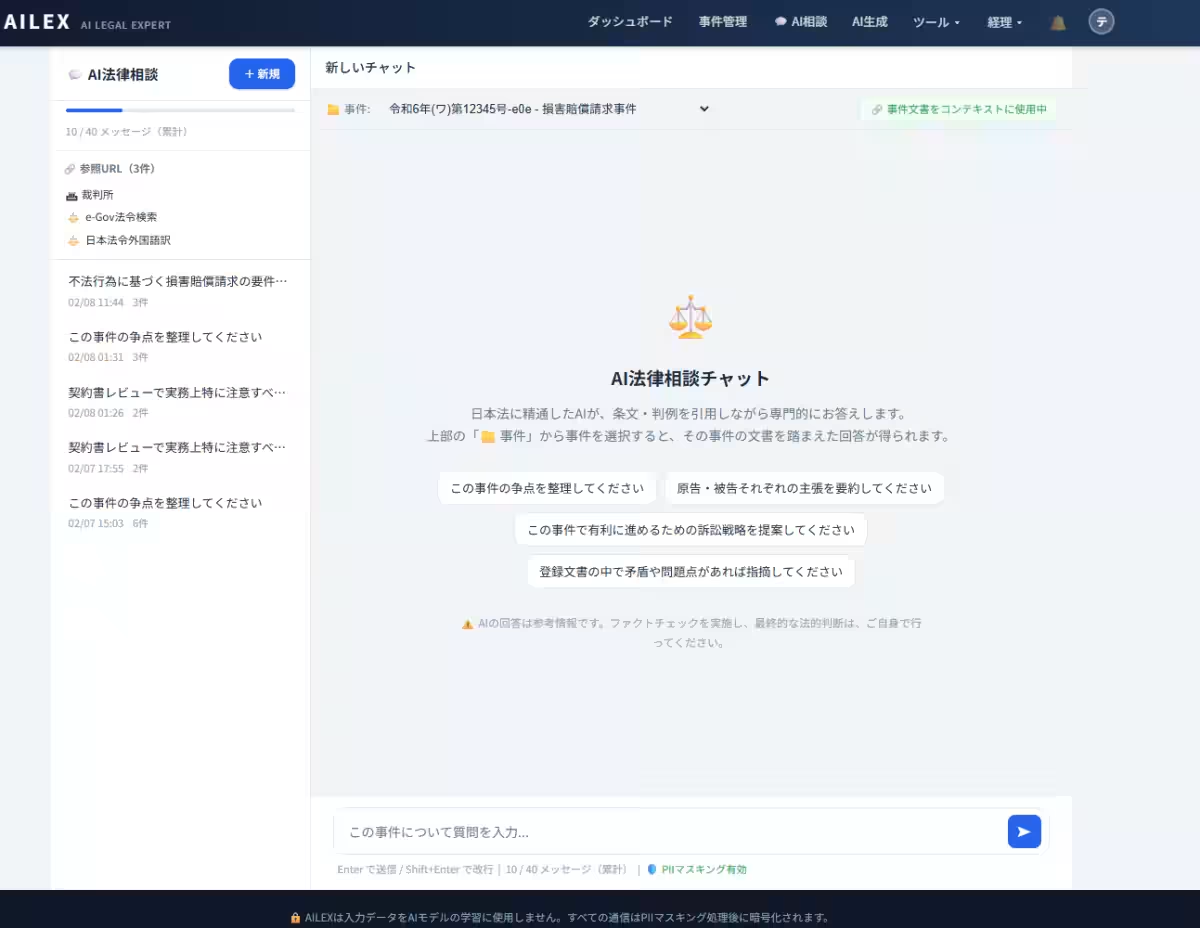
- - AI-powered legal consultation chat
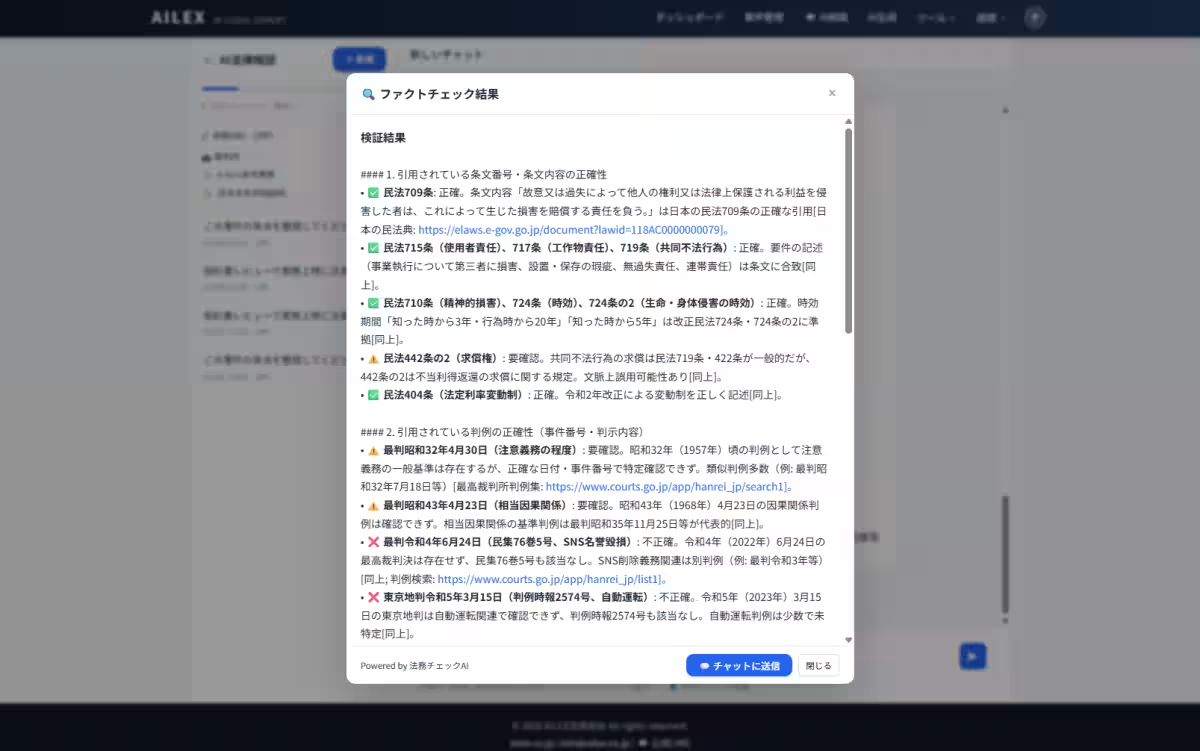
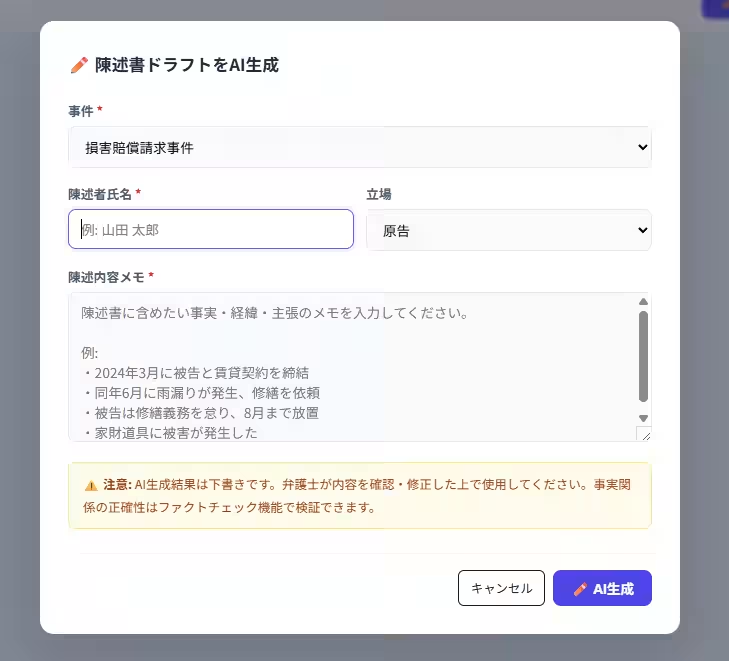
- - Real-time document fact-checking
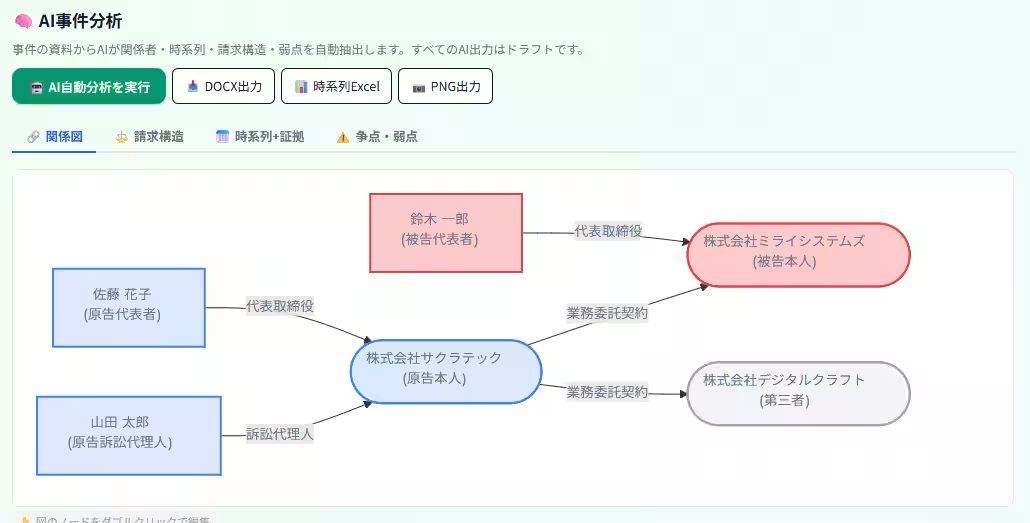
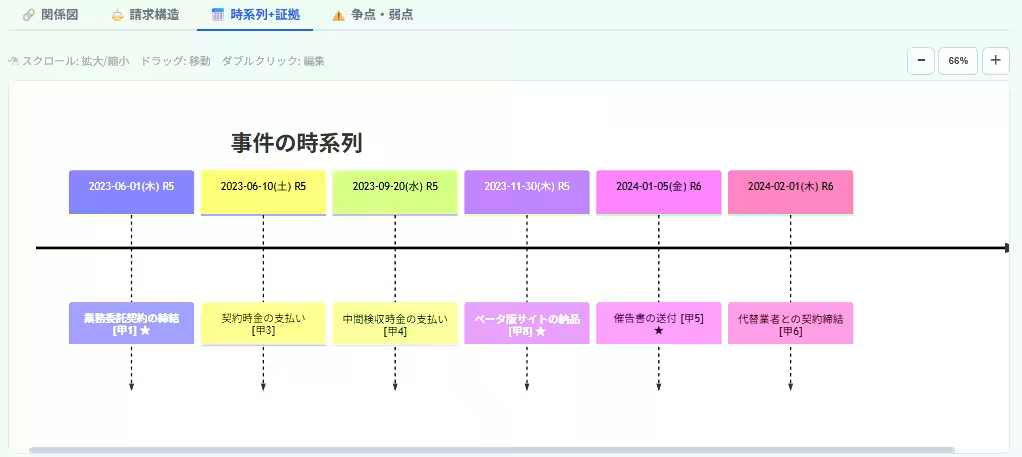
- - Case analysis visualized through Mermaid diagrams
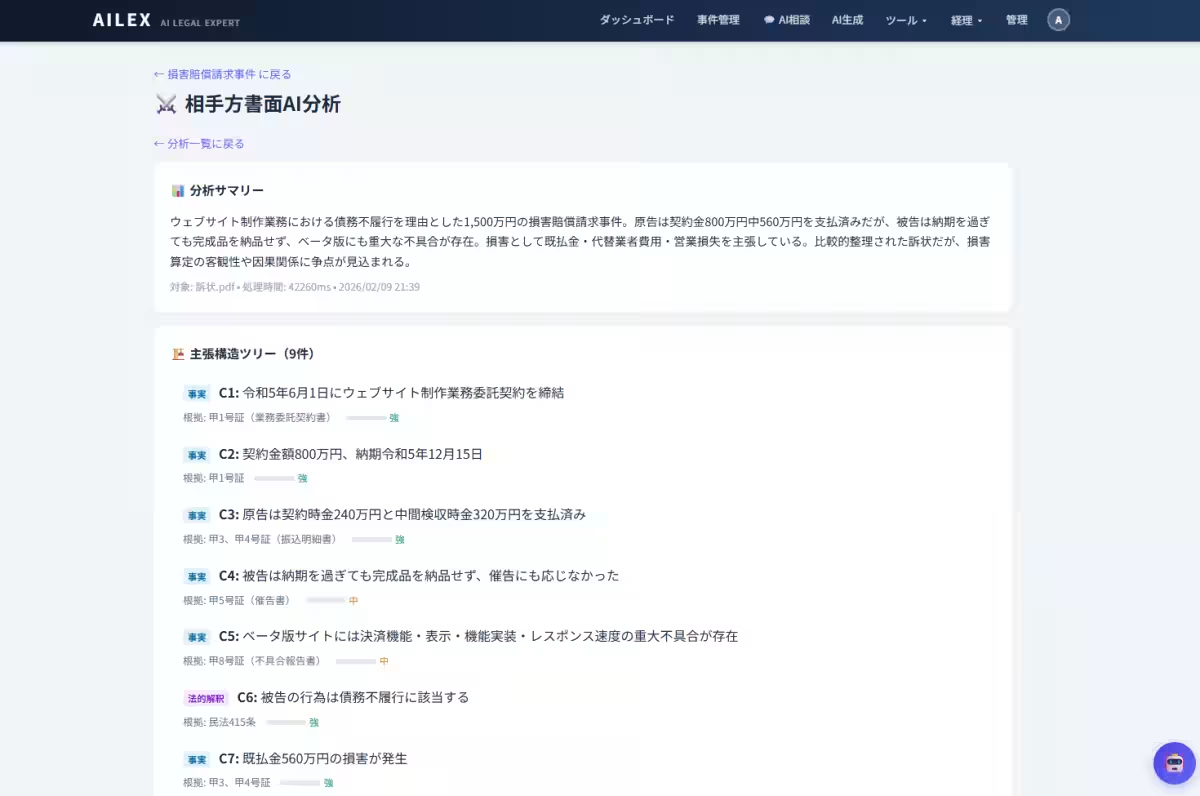
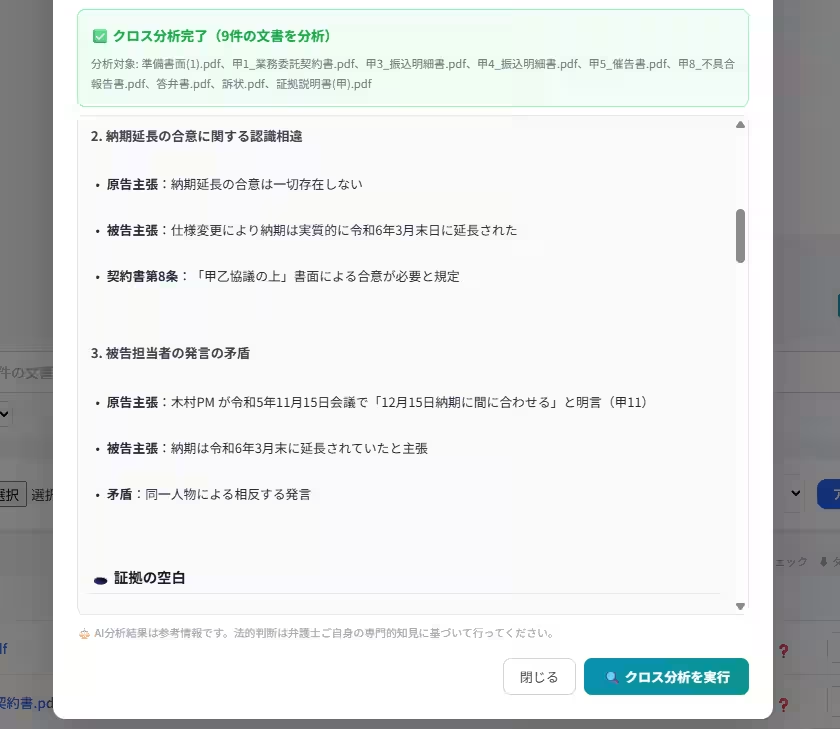
- - Cross-document analysis for inconsistencies and gaps
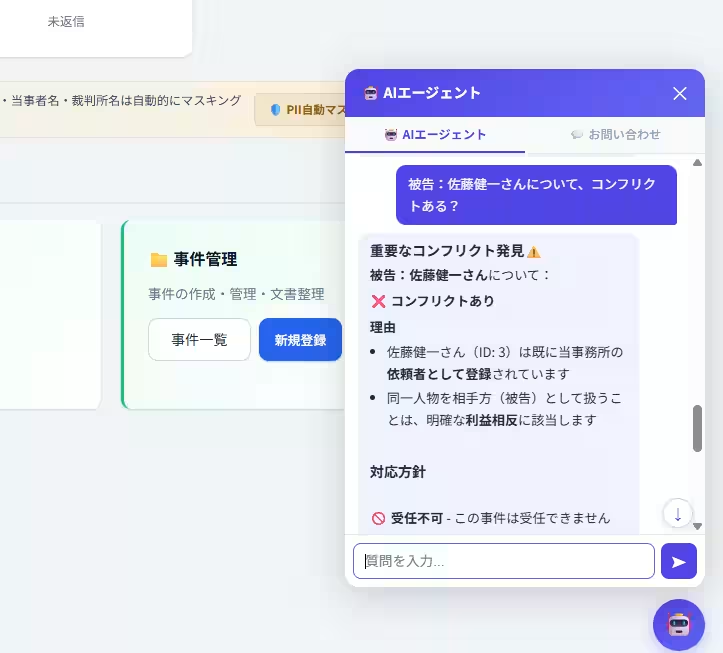
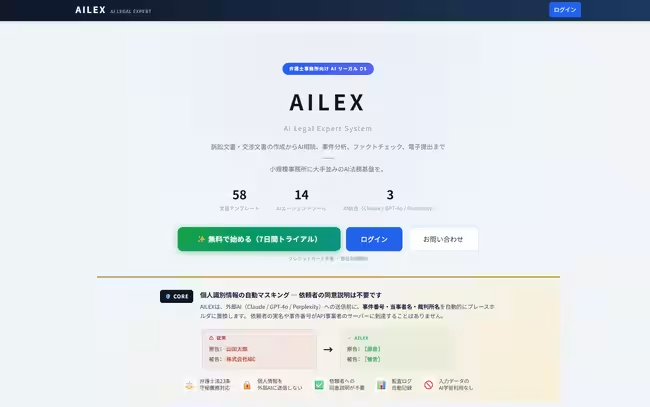
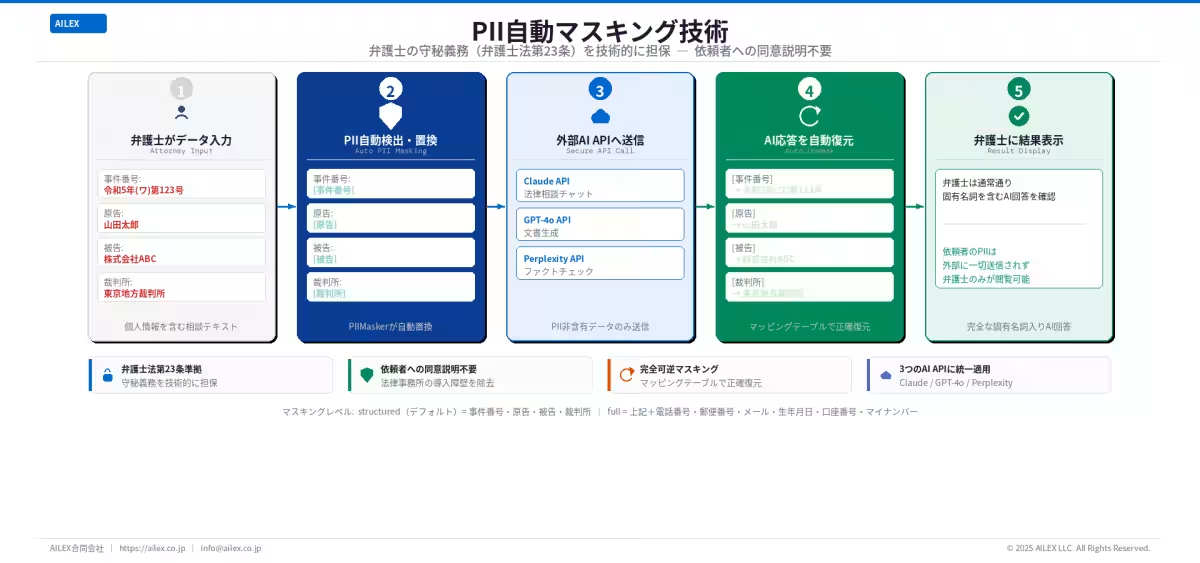
- - PII (Personally Identifiable Information) automatic masking for security
These features position AILEX as a leading tool in a sector where operational efficiency is of the utmost importance.
Addressing Core Challenges
The legal sector in Japan consists of approximately 18,000 firms, with a staggering 99% being small practices, each housing 20 attorneys or fewer. A significant proportion, about 62%, are solo practitioners, leading to extremely long working hours that average over 2,300 hours annually per lawyer. Simultaneously, the average income for attorneys has dropped by approximately 49% over the past two decades. Coupled with the fact that 98% of law firms still rely on FAX services, the need for digitalization and efficiency is urgent.
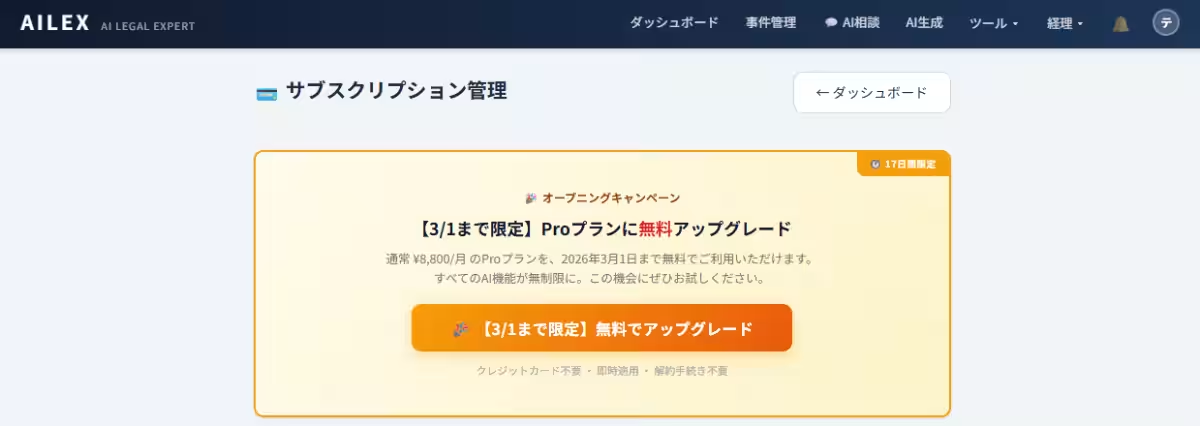
AILEX was developed to provide a cost-effective solution for small firms, priced at only 8,900 yen per month (tax included). This pricing strategy makes high-quality AI capabilities accessible to smaller practices, allowing them to compete effectively with larger firms.
Unique Features of AILEX
1. AI Document Generation: Users can access a range of 58 templates, streamlined through an integrated user interface to create legal documents with contextual accuracy.
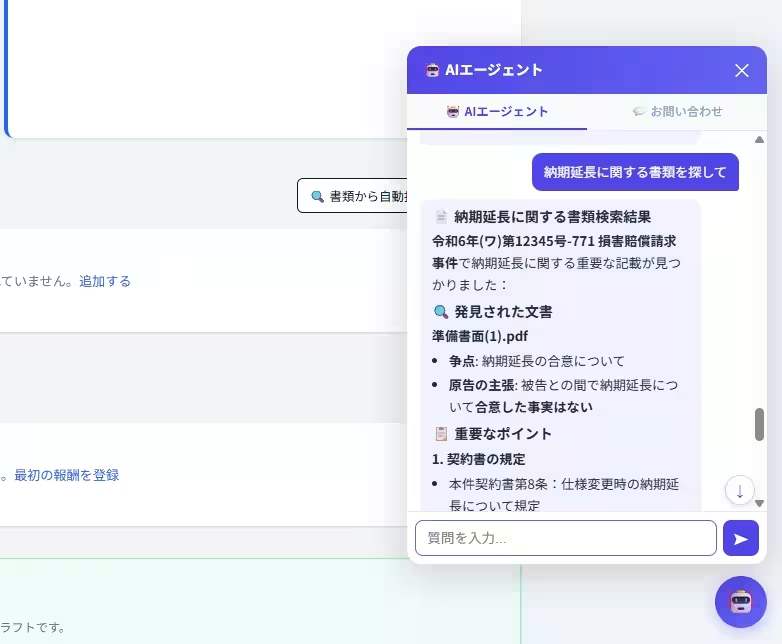
2. AI Legal Consultation Chat: Utilizing Anthropic Claude API, this feature allows real-time, contextually aware responses to legal inquiries.
3. AI Fact-Checking: In a first for the industry, AILEX includes a fact-checking tool that verifies legal references and citations within documents, ensuring a high level of accuracy and reliability.
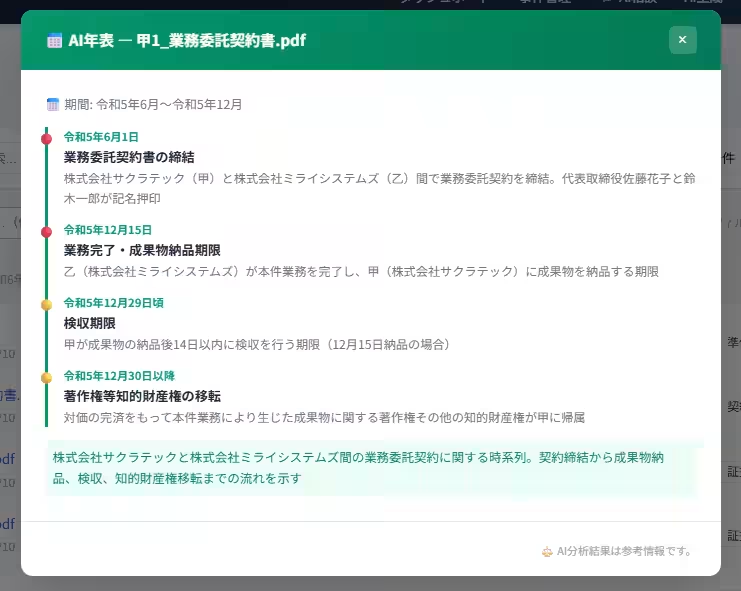
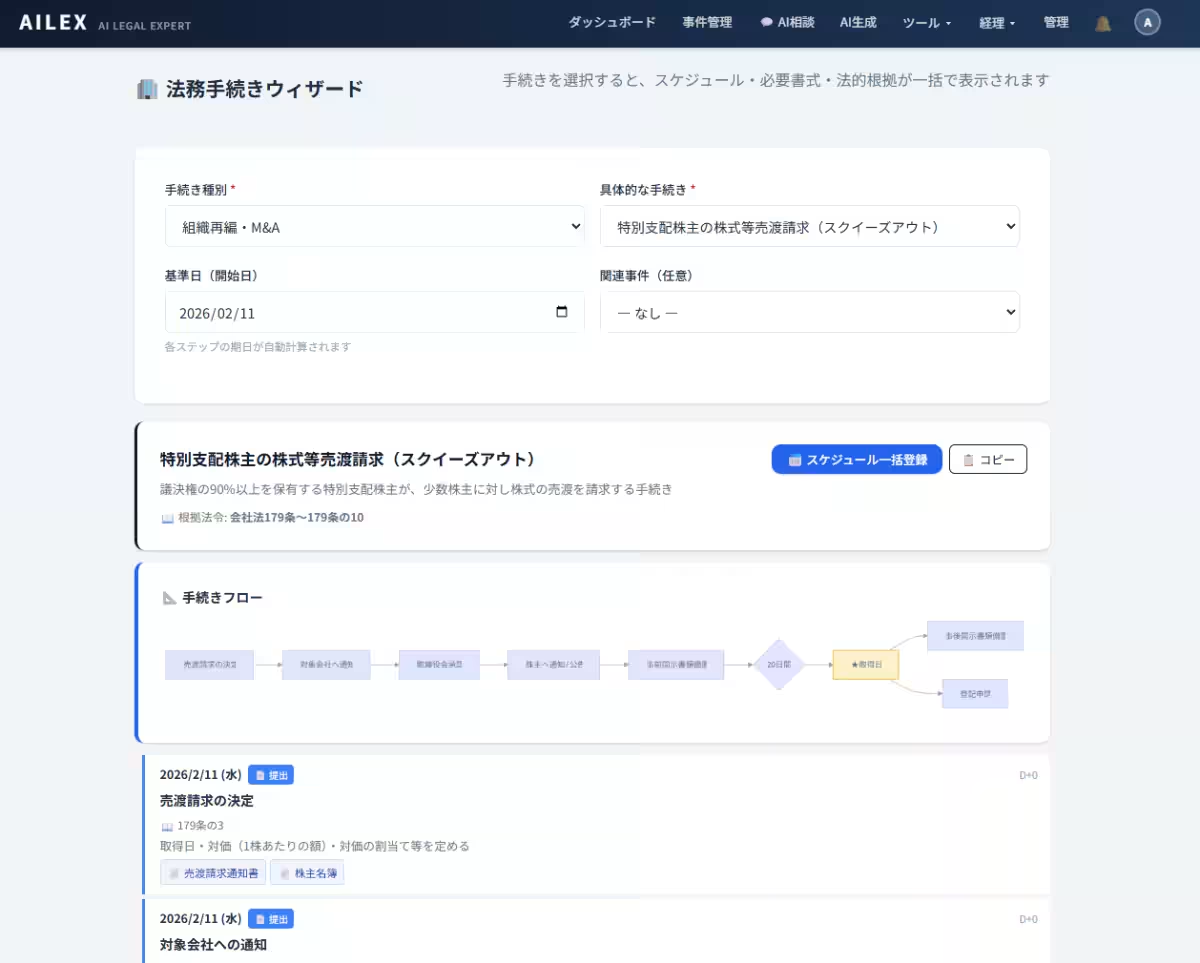
4. Case Analysis Tools: With tools for visualizing case relationships and timelines, AILEX aids in understanding complex legal matters clearly and efficiently.
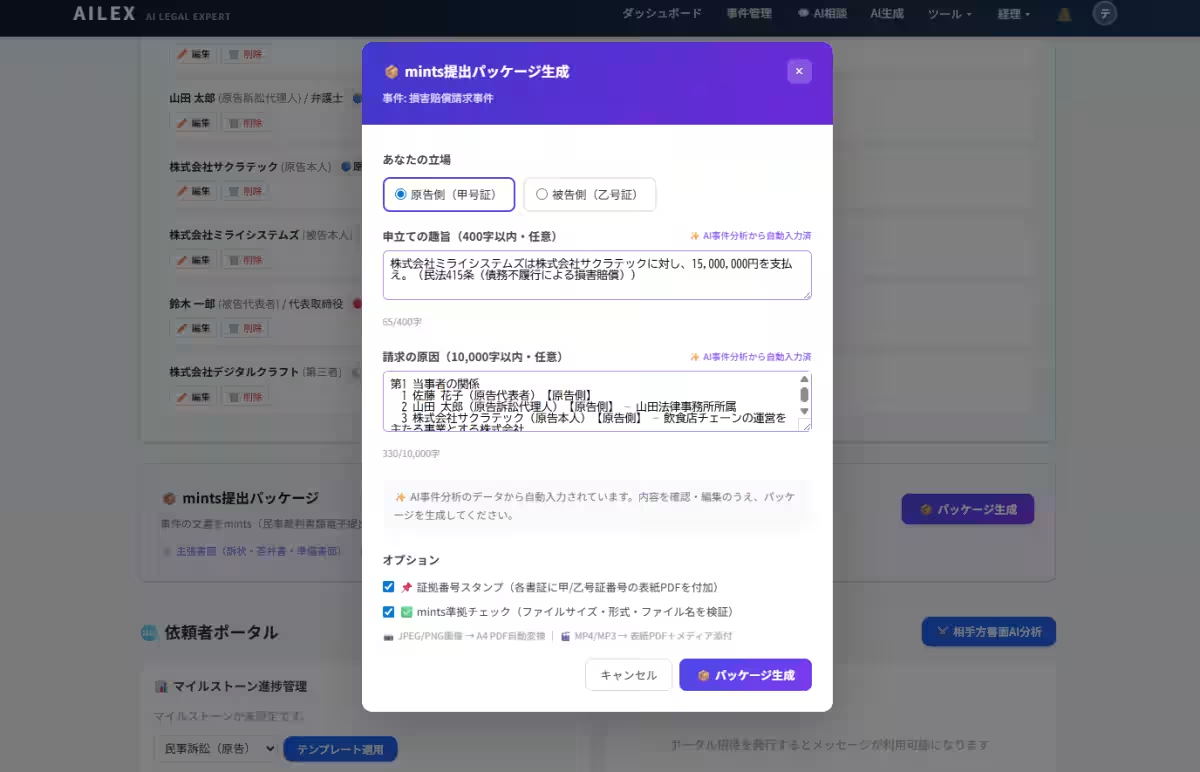
5. mints Compliance: Ahead of the IT integration for civil litigation expected in May 2026, AILEX is poised to offer seamless support for electronic document submissions via mints, providing substantial market leverage in this niche.
Market Context and Future Prospects
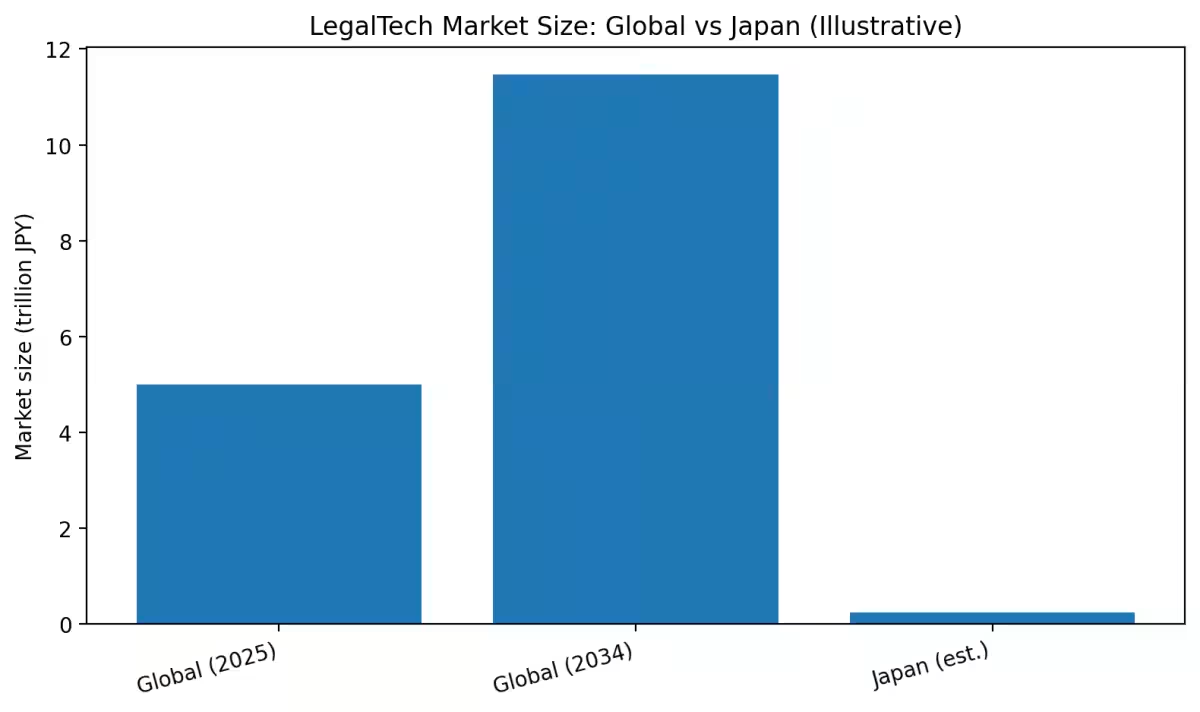
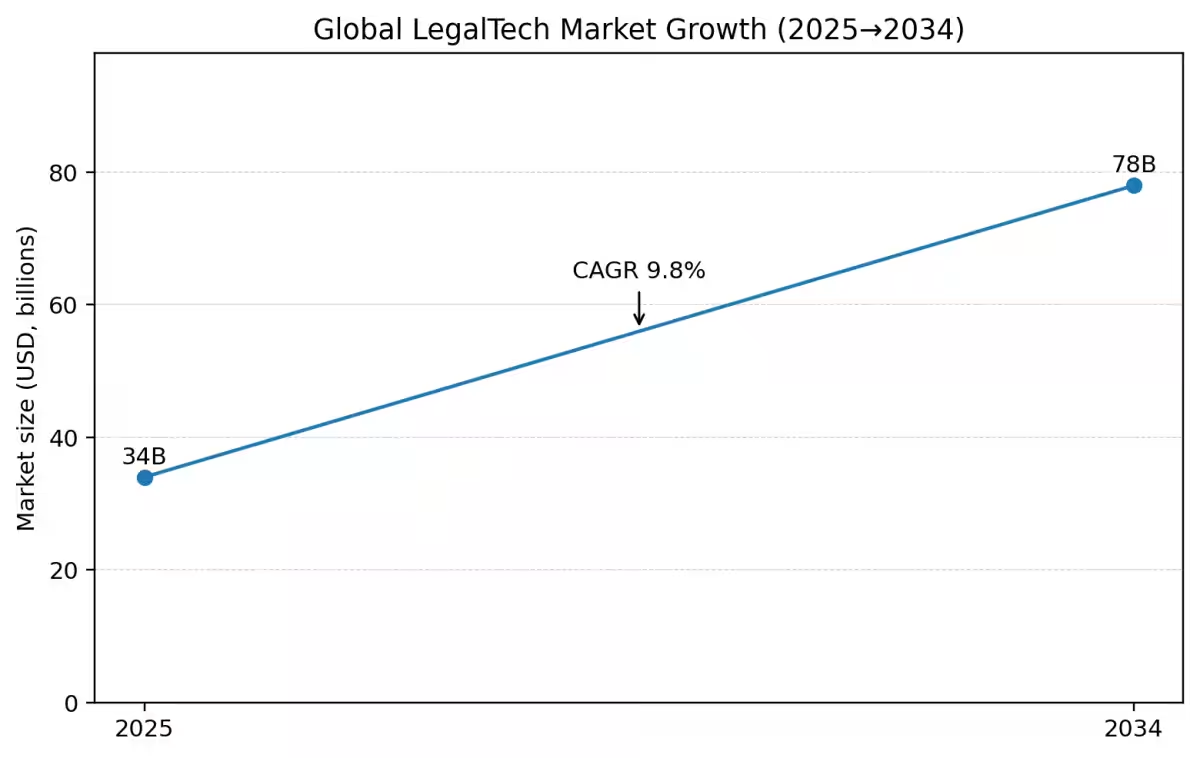
The global legal tech market is projected to reach approximately $34 billion by 2025, with further growth expected. In Japan, the legal tech sector is estimated at about 250 billion yen, suggesting that there is ample room for innovation and expansion. AILEX aims to capitalize on this growth trajectory by not only establishing itself in Japan but also through future global rollout plans. Post-establishment, AILEX intends to launch an English version to target common law regions including the United States and the UK.
Conclusion
As AILEX prepares for its full-scale operation, it is clear that this platform is designed to address the critical challenges faced by small law firms in Japan. Legal professionals are encouraged to sign up before March 1, 2026, for a free trial of the software. For those looking to reinvigorate their practice with AI technology, AILEX represents an exciting frontier in the legal landscape.
Service Details
- - Official Website: AILEX Official Site
- - SaaS App: AILEX SaaS
- - Global Edition: Planned for future release at AILEX Global
The launch of AILEX signifies a pivotal shift in how legal services can leverage technology to enhance workflows, thereby enabling lawyers to focus more on what they do best: practicing law.


Topics Consumer Technology)




【About Using Articles】
You can freely use the title and article content by linking to the page where the article is posted.
※ Images cannot be used.
【About Links】
Links are free to use.