




Understanding Rosacea and the Effective Treatment Options Available
Understanding Rosacea and the Effective Treatment Options Available
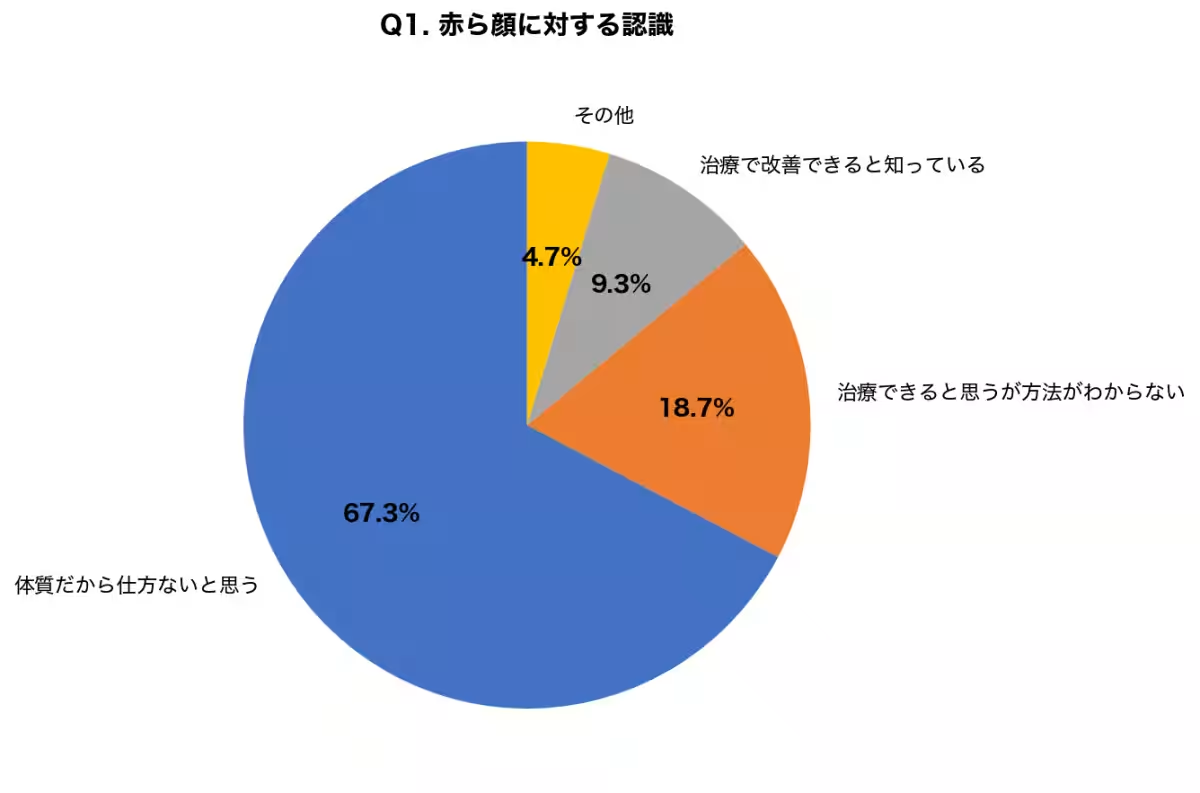
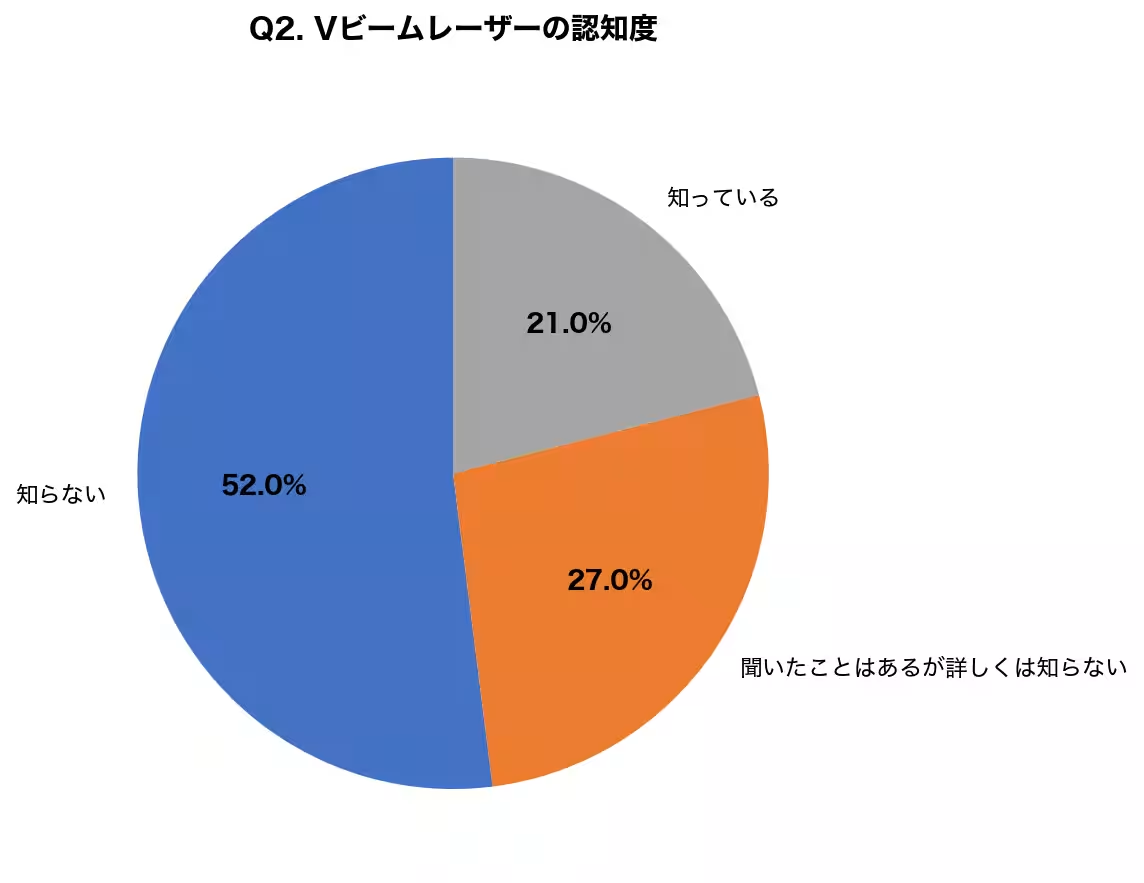
Rosacea, a chronic inflammatory skin condition, affects approximately 2-3% of the Japanese population, particularly women aged 30-50 years. Known for causing persistent redness, vascular dilation, and the appearance of papules or pustules primarily on the face, many individuals resign themselves to thinking that their condition is merely a part of their constitution. Recent research sheds light on this worrying trend, revealing that 67.3% of sufferers believe their red faces are inevitable due to their nature, while only 21% are aware of the V-beam laser treatment, a documented effective solution for rosacea.
The Background of Rosacea
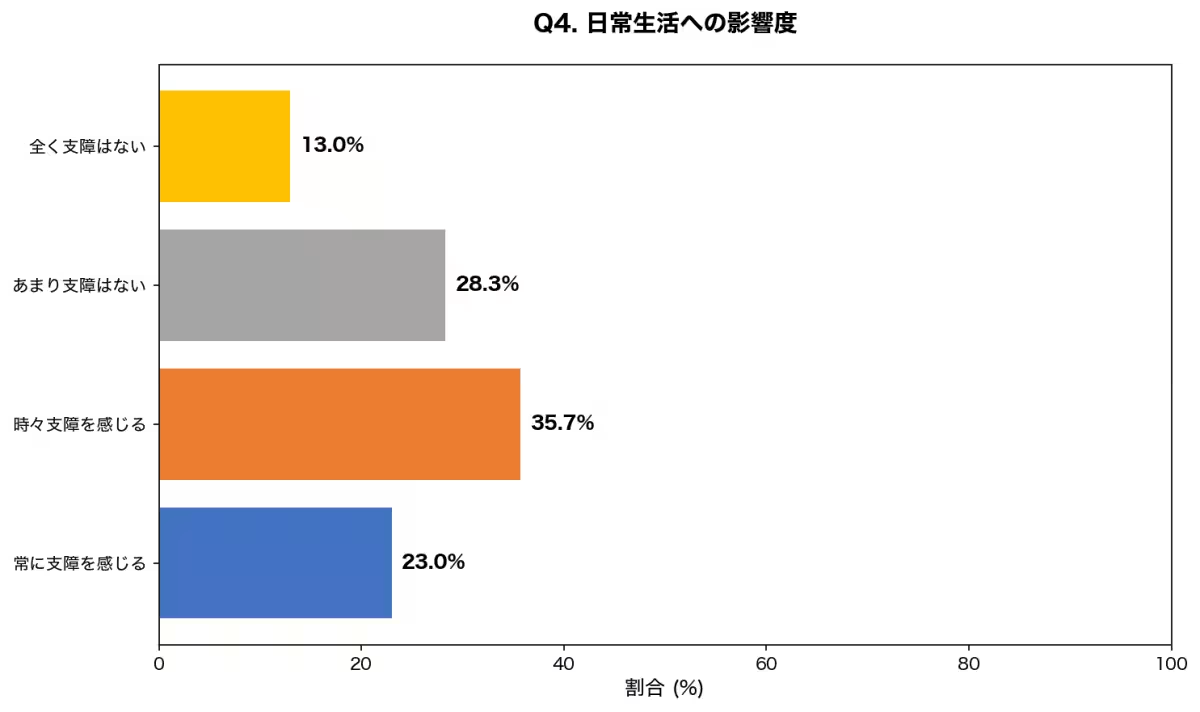
This condition manifests most commonly through a persistent redness and can significantly diminish one’s quality of life, with around 58.7% of people indicating that their daily activities are hindered by the symptoms. Rosacea varies in severity and can lead to progressive changes if left untreated, including the development of pustules or rhinophyma.
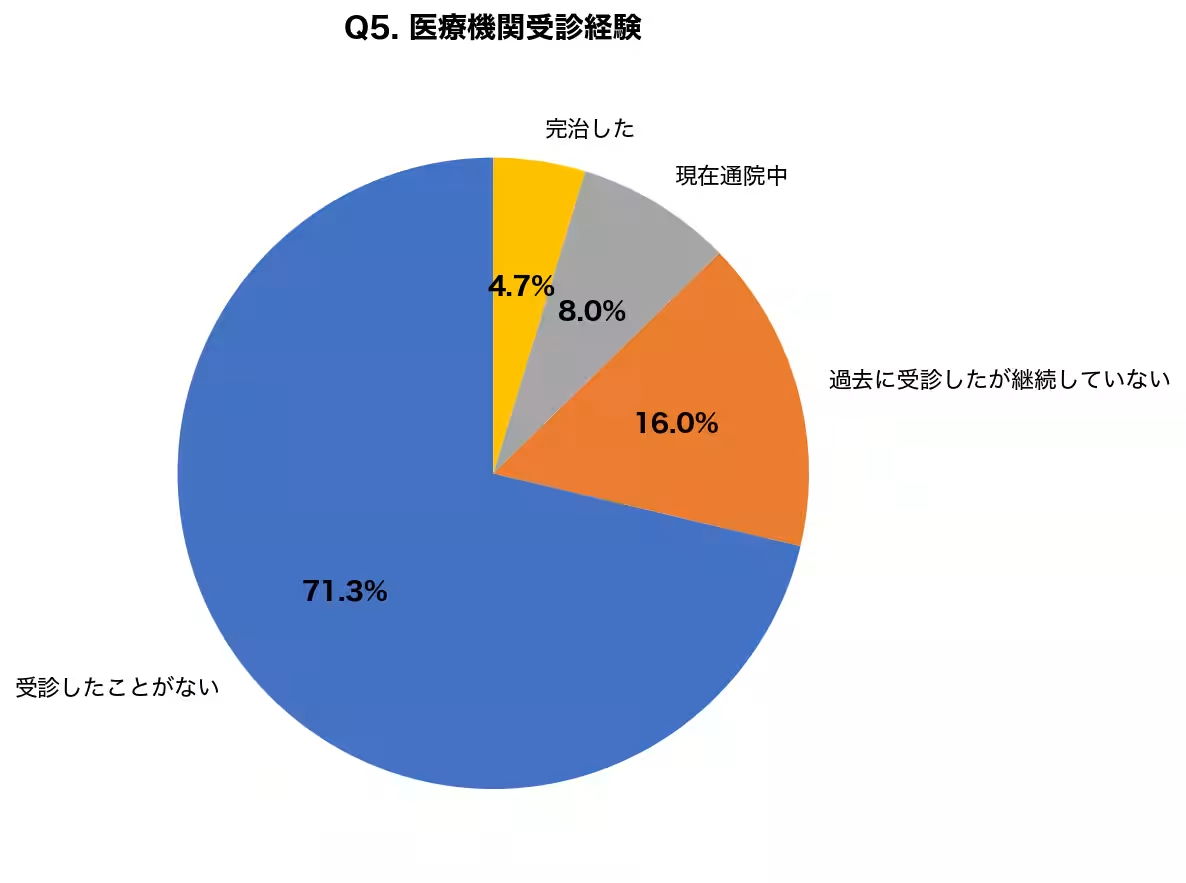
Despite the stigmas around facial redness, it is crucial to understand that 71.3% of individuals have never consulted a healthcare professional about their rosacea. This statistic highlights both the lack of awareness around effective treatment options and a societal misconception about the importance of treating skin conditions.
The Study At A Glance
A study conducted by IC Clinic aimed to grasp public perception towards rosacea and treatment awareness among 300 individuals aged between 20 to 60 years. Conducted from February 16 to February 25, 2026, the findings disclose some alarming truths: 67.3% of participants considered their rosacea a mere constitutional issue, while only 9.3% acknowledged the condition as treatable. Moreover, familiarity with the V-beam laser treatment was staggeringly low at just 21%, meaning that effective care options remain largely unrecognized by the populace.
V-beam Laser: A Ray of Hope
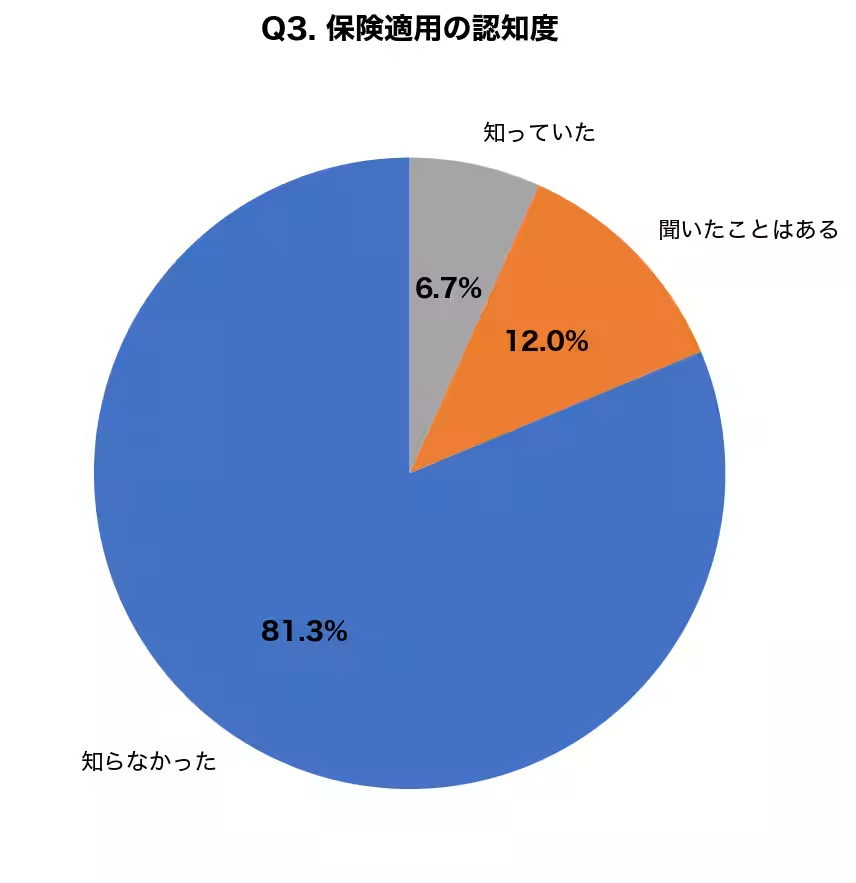
The V-beam laser treatment, a pulsed dye laser that specifically targets hemoglobin in dilated blood vessels, facilitates contraction and closure of these vessels. This treatment is crucial as it is recognized by health insurance for individuals diagnosed with rosacea, costing approximately 6,000 to 10,000 yen per session, with efficacy typically manifesting after 3-5 sessions. Notably, close to 70-80% of patients experience significant improvement following prescribed treatments.
Comparison of Treatment Options
| Treatment Option | V-beam Laser | Topical Treatments | Oral Medications |
|---|---|---|---|
| ---- | ---- | ---- | ------- |
| Target | Vascular redness | Inflammation | Systemic symptoms |
| Insurance Coverage | Yes | Yes | Yes |
| Estimated Cost (3/10) | 6,000-10,000 yen | 1,000-2,000 yen/mo | 1,500-3,000 yen/mo |
| Effect Onset | 1-2 weeks | 2-4 weeks | 2-4 weeks |
| Required Sessions | 3-5 | Continuous | Continuous |
| Downtime | 1-3 days | None | None |
Key Insights From The Doctor
Dr. Kouta Takakuwa, a dermatologist with over 15 years of experience and 1,000 rosacea treatments, stresses that red faces shouldn't be seen as a permanent condition due to inherited traits. He asserts that proactive diagnosis and targeted treatment can lead to substantial improvement for many individuals. Through continued public education on the nuances of rosacea and its treatment options, we hope to transform the stigmatization surrounding this condition.
In closing, while the recognition of effective treatments like the V-beam laser is disconcertingly low, it is vital to emphasize that rosacea can be significantly improved through proper medical guidance and treatment initiation. The survey findings highlight a critical gap in awareness that needs to be bridged with ongoing education and community outreach programs. Ignoring this condition can lead to more symptoms and further psychological impact, which stresses the importance of seeking help and exploring available treatment options.
Topics Health)
【About Using Articles】
You can freely use the title and article content by linking to the page where the article is posted.
※ Images cannot be used.
【About Links】
Links are free to use.