




Research Unveils Cardiac Risks Associated with Osimertinib in Lung Cancer Treatment
Increased Risk of Heart Failure Hospitalization in Osimertinib Patients
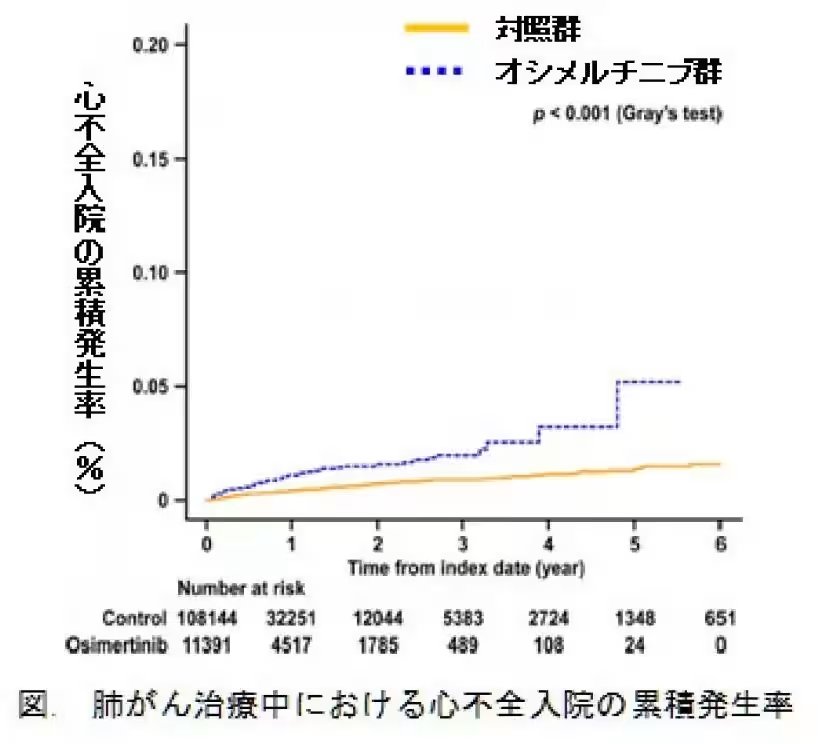
A recent study conducted by researchers at Okayama University has revealed significant findings regarding the treatment of non-small cell lung cancer (NSCLC) using osimertinib, an EGFR-TKI (epidermal growth factor receptor-tyrosine kinase inhibitor). The research utilized a vast dataset of approximately 120,000 lung cancer patients from Japan, analyzing the correlation between osimertinib usage and the risks associated with heart failure hospitalization.
Key Findings
The data indicated that patients undergoing treatment with osimertinib had over double the risk of hospital admission due to heart failure compared to those treated with other medications. This heightened risk was particularly pronounced among older individuals and patients with pre-existing conditions such as hypertension, atrial fibrillation, chronic kidney disease, and those who had previously experienced heart failure. These early findings emphasize the necessity for healthcare providers to closely monitor the cardiac health of patients receiving this treatment.
Heart Health Monitoring
Osimertinib has been widely recognized for its efficacy in treating EGFR mutation-positive NSCLC, which may lead to its increased usage in clinical settings. However, this study brings to light the importance of caution during its administration. The authors of the study, including Yasuhisa Tatebe and Yuta Tanaka from the Okayama University Hospital's Department of Pharmacy, have advocated for enhanced monitoring of heart function in patients undergoing treatment with this drug. Such measures are essential to ensure the early identification and prevention of possible side effects, thereby allowing patients to undergo treatment with a greater sense of security.
Implications for Future Practice
This research is featured in the journal "JACC: CardioOncology" on September 12, 2025, highlighting its relevance to a broader audience concerned with the intersection of oncology and cardiology. As the findings emphasize a clear link between osimertinib treatment and heart failure risks, it underscores the necessity to implement a systemic approach to patient management that includes thorough cardiovascular assessments prior to, and during, treatment.
Conclusion
With ongoing advancements in cancer therapeutics, understanding the multifaceted implications of these drugs, such as potential cardiac risks, is crucial. This investigation not only paves the way for more comprehensive care plans for patients battling lung cancer but also enhances awareness around the responsible use of effective cancer treatments like osimertinib.
For more information regarding this study and its implications, please refer to the published article: Risk of Heart Failure Hospitalization in Patients Treated With Osimertinib. The researchers' findings could contribute significantly to the development of safety protocols and treatment strategies in oncological practices, ultimately improving the quality of care for cancer patients.
Contact Information
For inquiries about this research or further collaboration opportunities, please contact Yuta Tanaka, Deputy Director of the Pharmacy Department, Okayama University Hospital.
Details of the study highlight a proactive step toward minimizing adverse drug effects while maximizing therapeutic benefits, an essential challenge in modern cancer treatment.








Topics Health)
【About Using Articles】
You can freely use the title and article content by linking to the page where the article is posted.
※ Images cannot be used.
【About Links】
Links are free to use.