



Revolutionizing Ultrasound Imaging: Innovations in Fibrous Orientation Measurement
Introduction
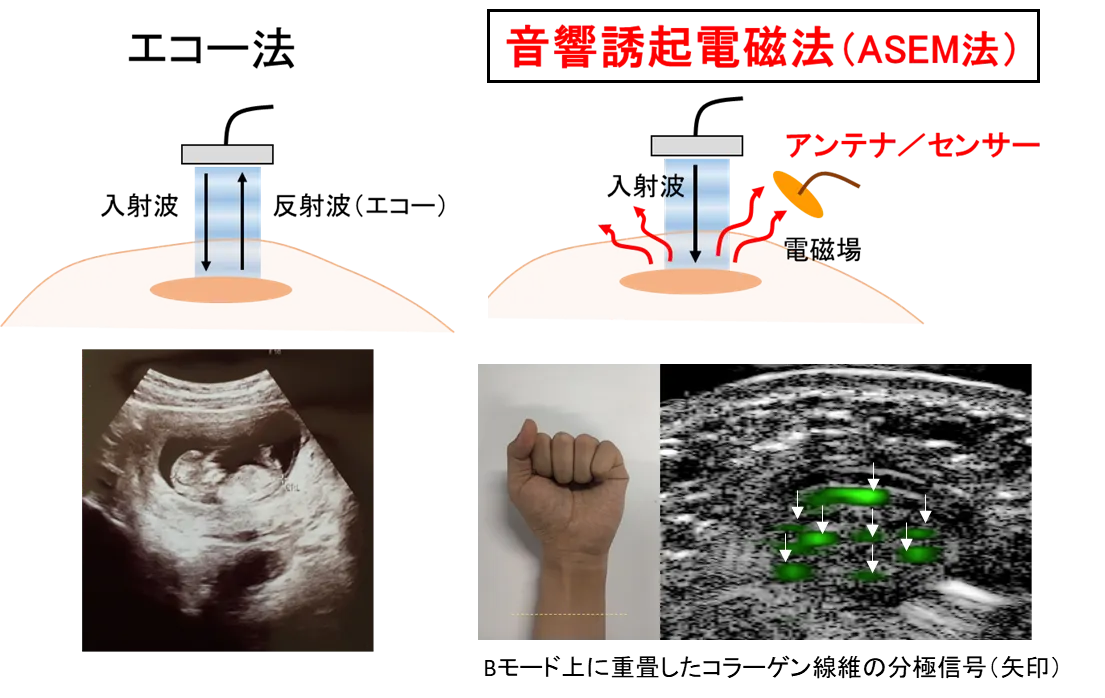
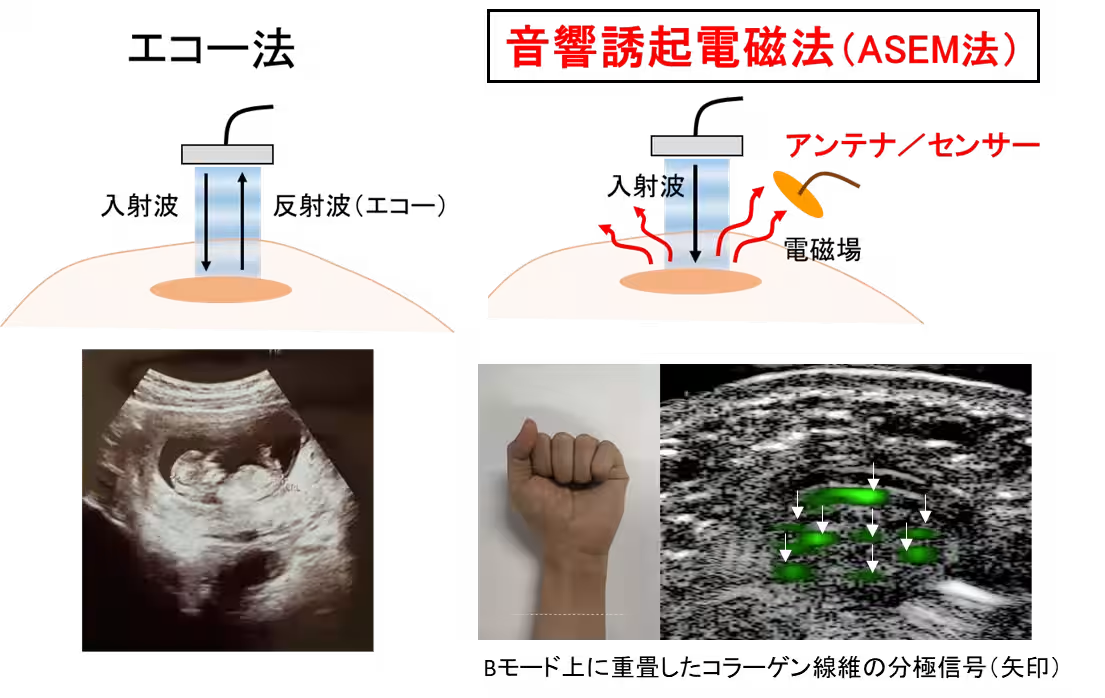
In the realm of medical imaging, the advancements in ultrasound technology are remarkable. One of the most significant breakthroughs is the ability to visualize and evaluate the orientation of fibrous tissues with high precision. This article delves into the innovative use of ultrasound array probes to enhance imaging techniques by incorporating ASEM (Acoustic Signaling for Electrical Measurement) signals.
What is ASEM Technology?
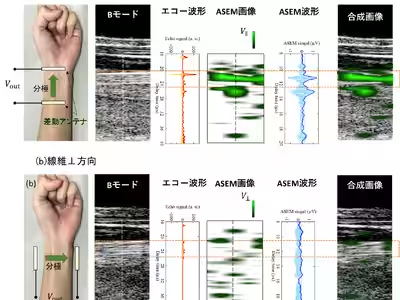
ASEM technology is an emerging imaging method that utilizes ultrasound to capture electrical signals generated by bodily tissues. Unlike conventional imaging techniques, ASEM allows for the layered display of standard echo and B-mode images alongside detailed ASEM imagery. This integration enables a comprehensive analysis of tissue characteristics, particularly the alignment and orientation of fibers, which is essential in various medical fields such as cardiology, orthopedics, and rehabilitation.
Enhancements in Imaging Techniques
Utilizing an ultrasound array probe, practitioners can emit ultrasonic waves that penetrate the body's tissues. These waves interact with the fibrous structures, producing electrical signals that can be analyzed. By using specific algorithms and software, these signals can be converted into detailed images that represent not only the anatomical structure but also the directional properties of the fibers within the tissues.
Importance of Fiber Orientation Measurement
The alignment of fibers within soft tissues plays a crucial role in determining their mechanical properties and functional behavior. For instance, in muscles and tendons, the orientation can affect their strength, flexibility, and capacity for healing post-injury. Therefore, being able to graphically represent and quantify these orientations opens new avenues for diagnostics and treatment planning. It allows medical professionals to gain insights into conditions like tendon injuries, cardiac conditions, and more.
Clinical Applications
The application of this innovative imaging technique is vast. In sports medicine, understanding the precise orientation of muscles can help in tailoring rehabilitation programs that enhance recovery. In cardiac imaging, ASEM technology can assist in assessing the structural integrity of heart tissues, leading to better management of cardiovascular diseases.
Future Directions
As technology continues to develop, the potential enhancements in ultrasound imaging are boundless. We can expect future innovations to embrace artificial intelligence and machine learning to further analyze patterns in fiber orientation, potentially leading to predictive analytics in patient outcomes.
Conclusion
The incorporation of ASEM signals into ultrasound imaging is a revolutionary step towards more detailed, functional assessments of fibrous tissues. As we push the boundaries of what is possible in medical imaging, we open up new paths for improving patient care and treatment strategies, staying at the forefront of healthcare technology advancements.
Topics Health)
【About Using Articles】
You can freely use the title and article content by linking to the page where the article is posted.
※ Images cannot be used.
【About Links】
Links are free to use.