



Survey Highlights High School Students' Use of Generative AI in Exam Preparation for 2026
Understanding the Role of Generative AI in Exam Preparation: Insights from the 2026 Survey
Introduction
As the academic landscape evolves, the incorporation of generative AI tools into study practices has gained momentum, particularly among high school students. A recent survey conducted by A.ver, specifically at Takeda Juku, highlights the increasing reliance on generative AI, revealing both its benefits and the accompanying concerns.
Key Findings from the Survey
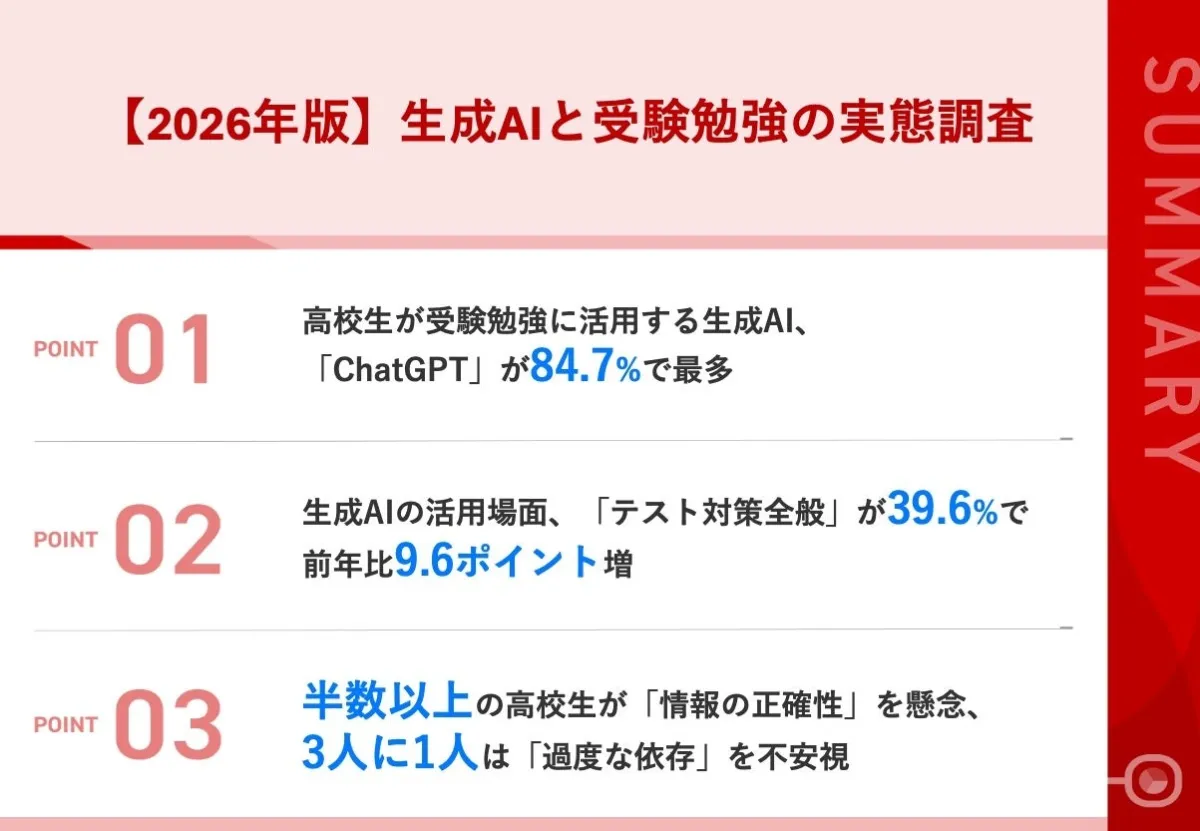
The survey titled "2026 Version: The Actual Situation of Generative AI and Exam Preparation" targeted 111 high school students actively using AI for their studies. Here are the most significant takeaways:
Dominance of ChatGPT
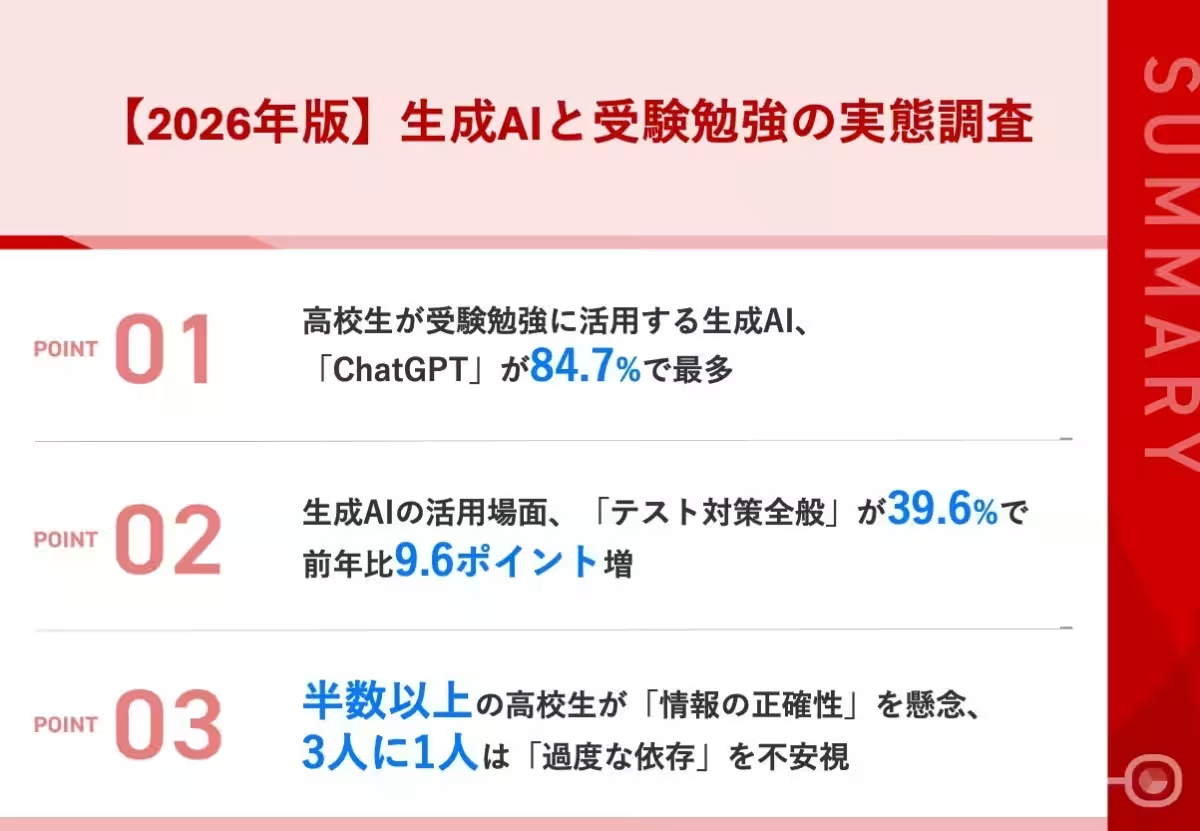
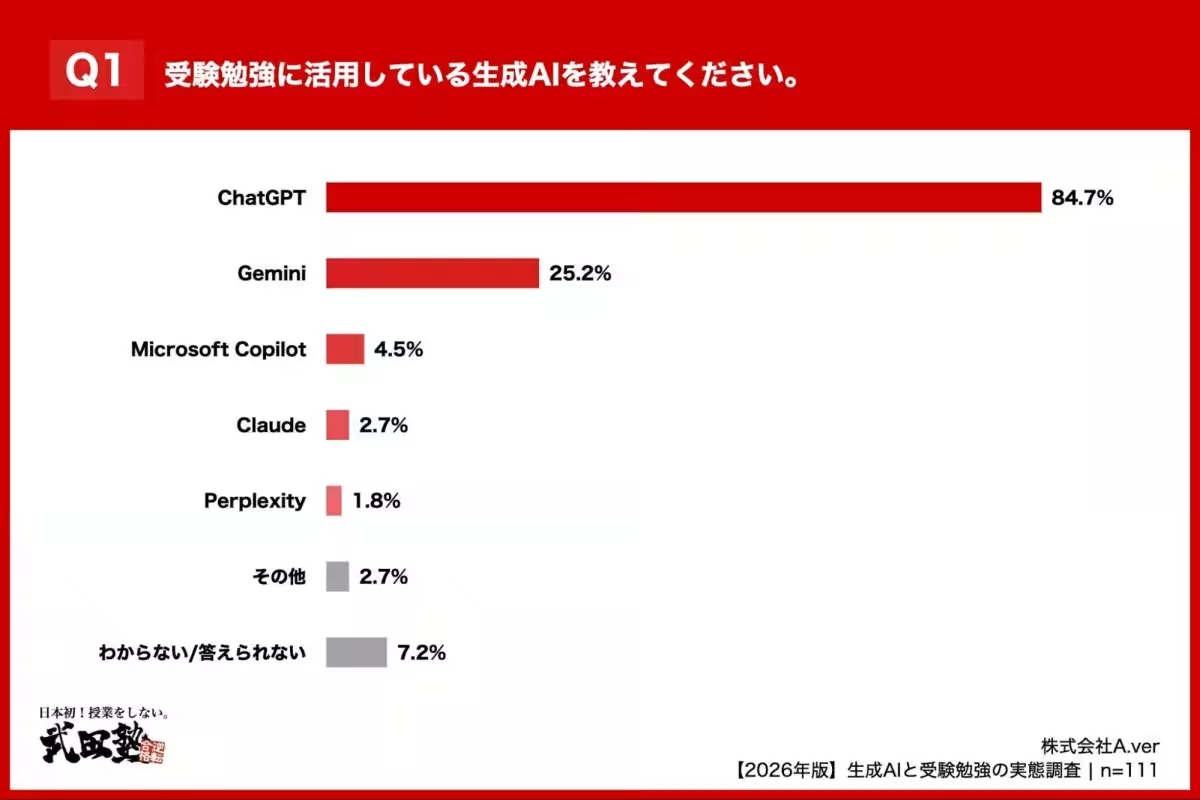
An astonishing 84.7% of respondents reported utilizing ChatGPT for their exam preparations, making it the most popular AI tool. In stark contrast, Gemini and Microsoft Copilot trailed behind with 25.2% and 4.5% usage, respectively.
Use Cases of Generative AI
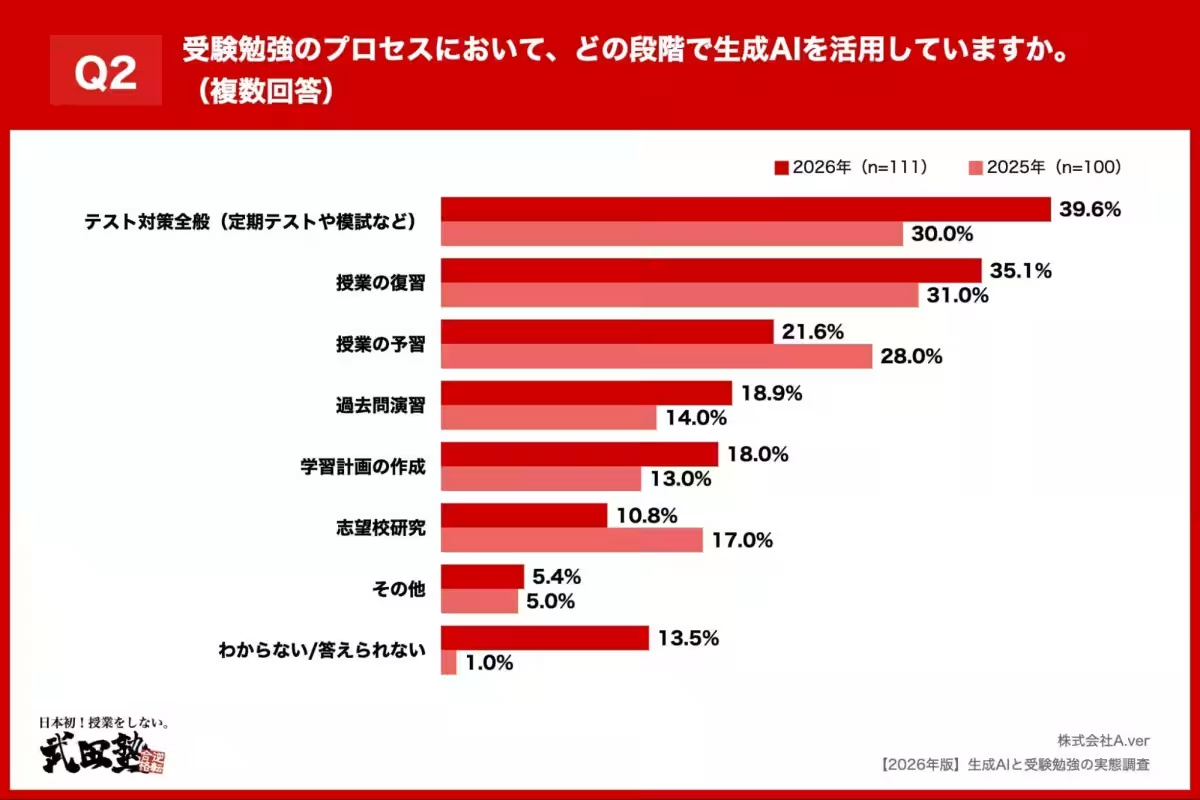
The primary application for AI among students was in general test preparation, with 39.6% stating they utilize AI for this purpose, marking a notable increase of 9.6 percentage points from the previous year. Additionally, students reported using AI for reviewing lessons (35.1%) and preparing for classes (21.6%).
Concerns about Accuracy
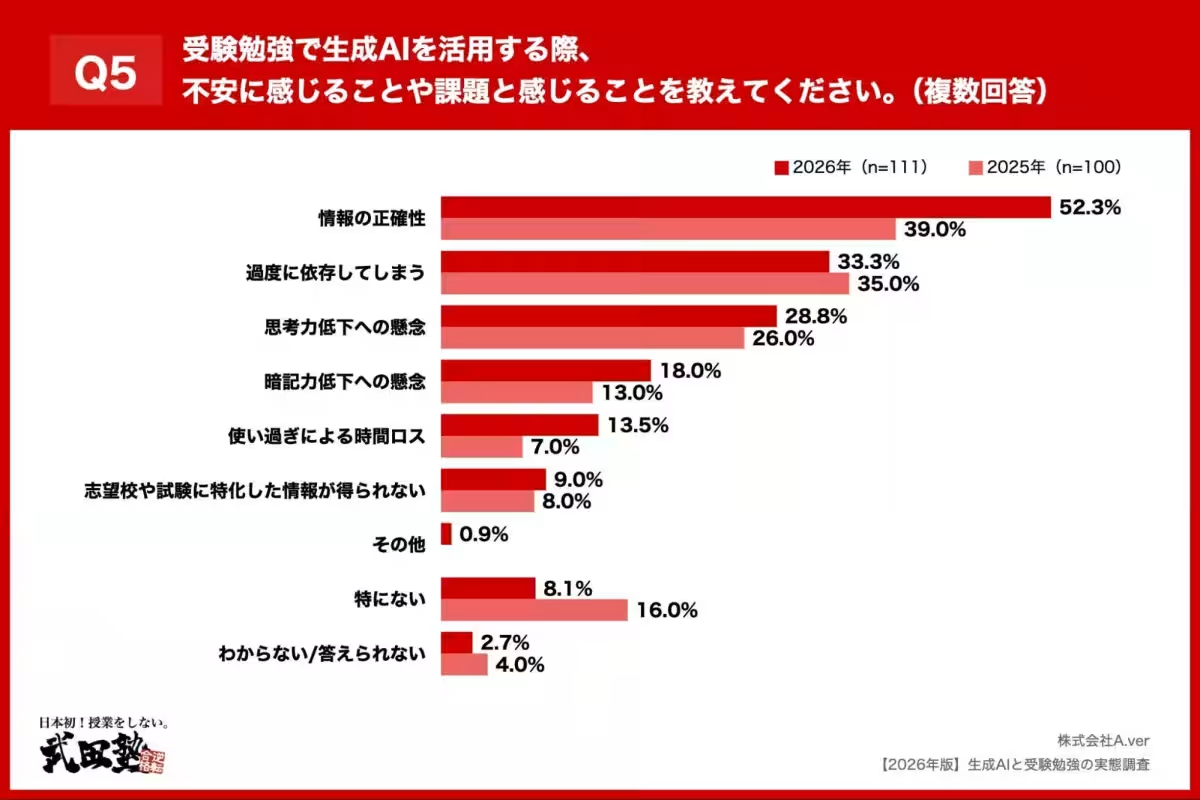
Despite the advantages, over half of the students, 52.3%, expressed concerns regarding the accuracy of information provided by these AI tools, which represented a 13.3-point increase from the previous year. This signaled a growing awareness of the potential pitfalls associated with reliance on AI for educational support.
Impact on Learning and Cognitive Skills
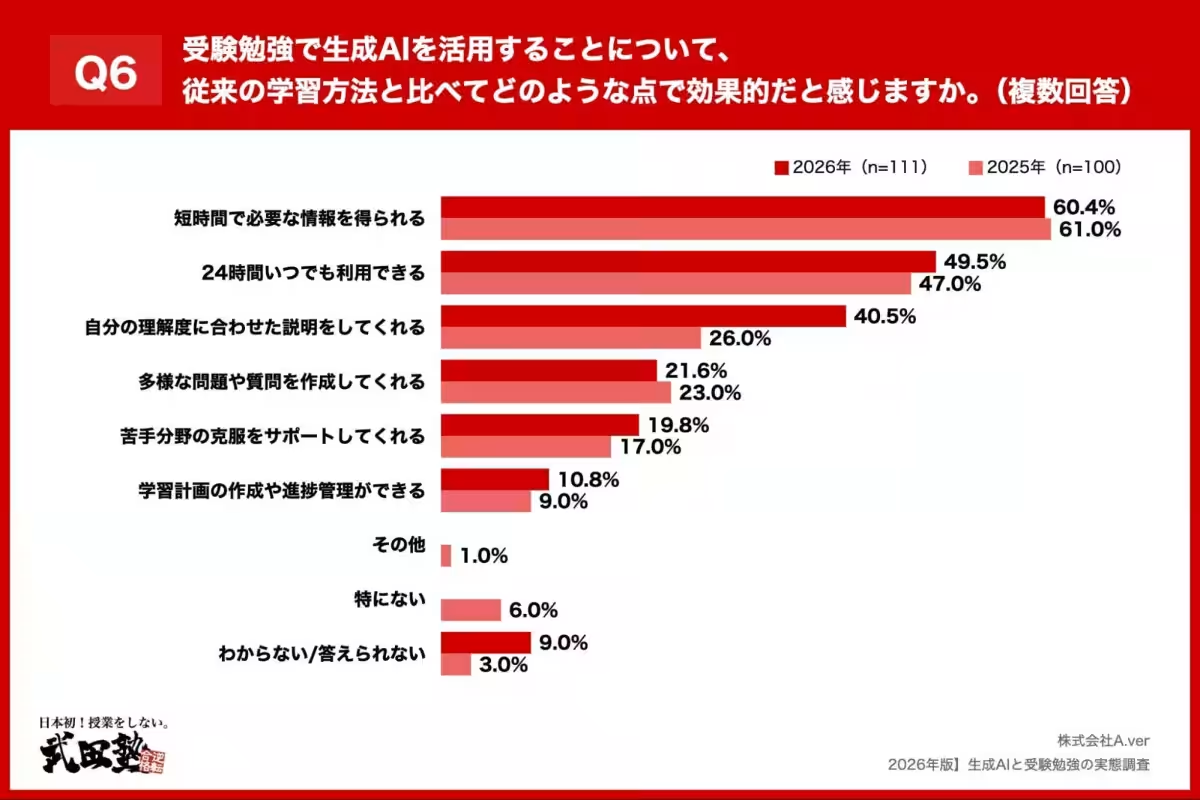
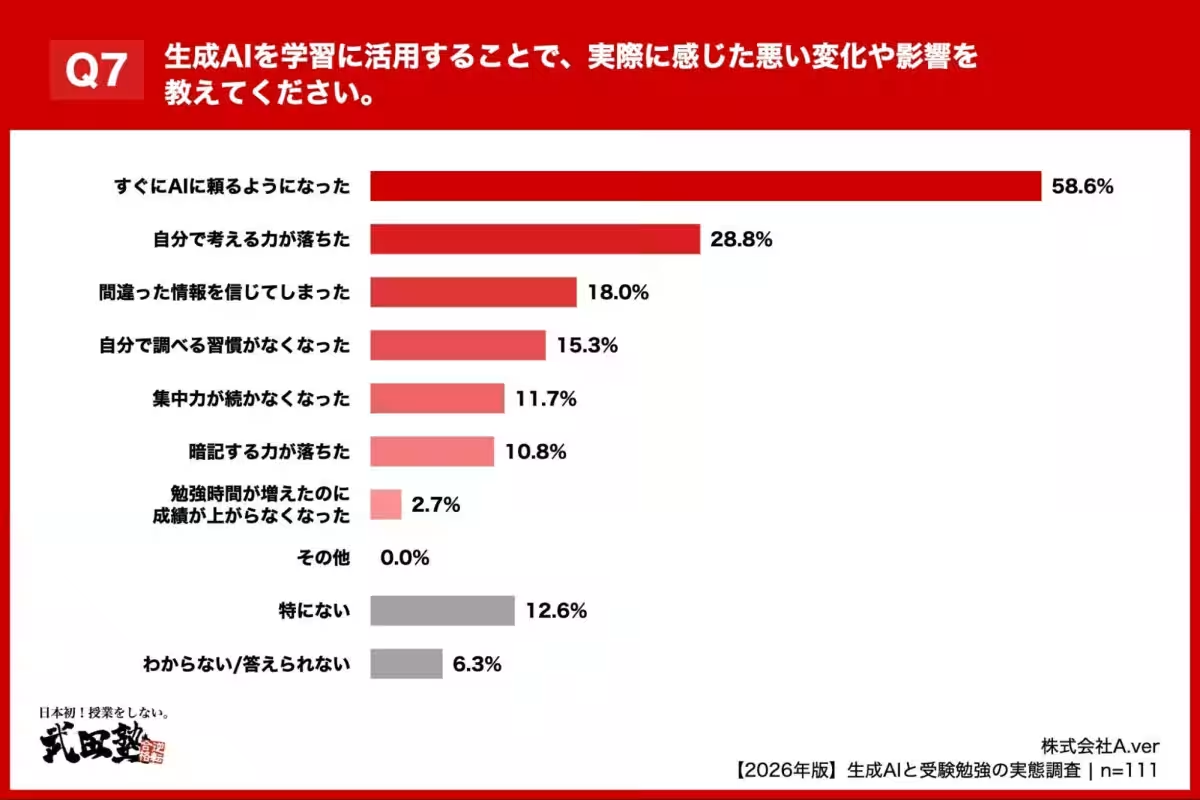
When it comes to potential downsides, 58.6% of respondents acknowledged that they had come to rely too heavily on AI, which has raised alarms about declining analytical skills. Additionally, 33.3% feared excessive reliance on AI could be detrimental to their learning processes. Importantly, despite these concerns, 60.4% of respondents felt that AI significantly aids in acquiring necessary information more swiftly than traditional study methods.
Generative AI's Role in Subjects
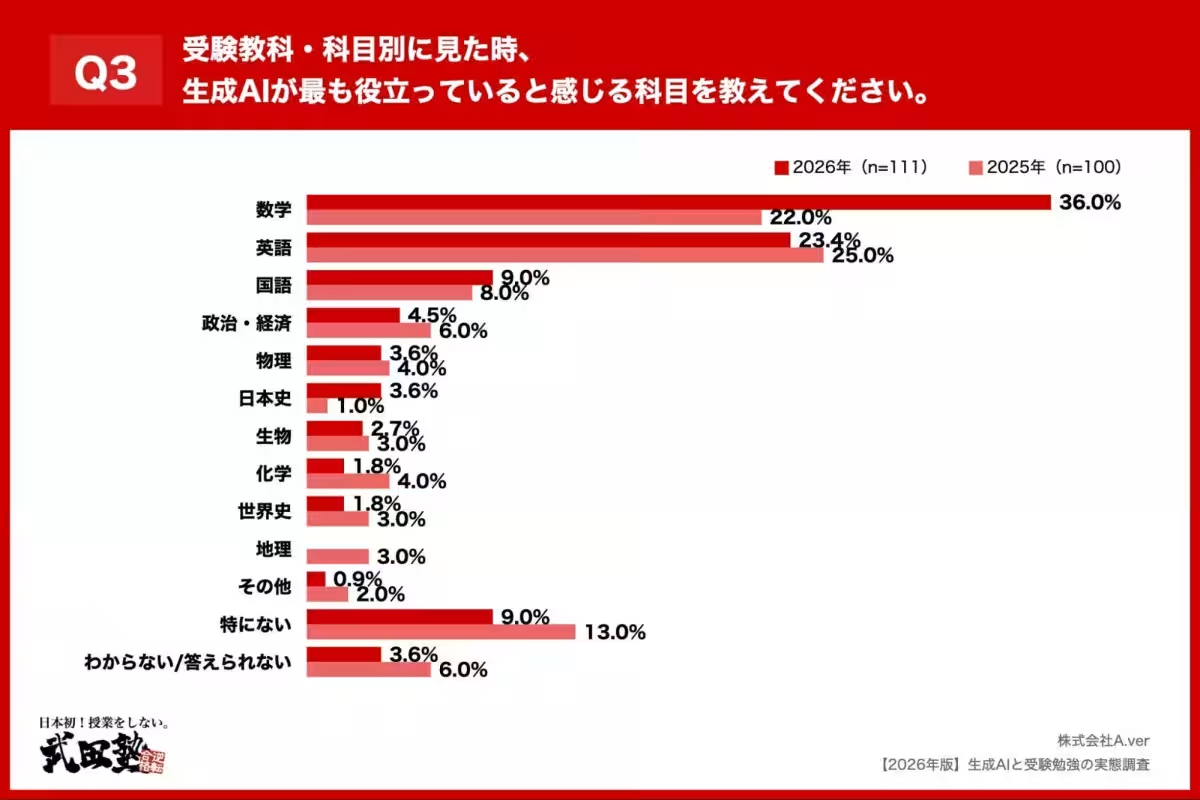
The survey also examined which subjects students felt benefited the most from AI assistance. Mathematics emerged as the clear leader, with 36.0% indicating they found AI most helpful, reflecting a significant increase of 14 points from the year before. This was followed by English at 23.4%.
Learning Strategies and AI Use
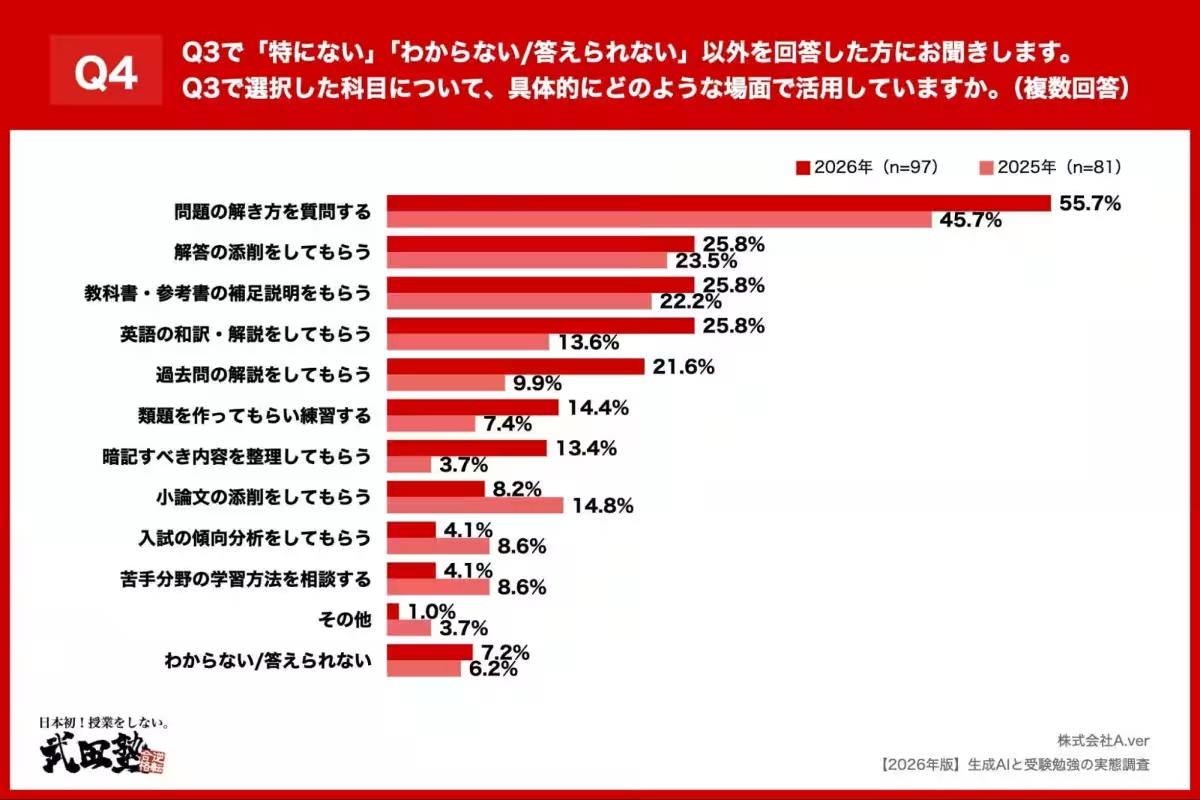
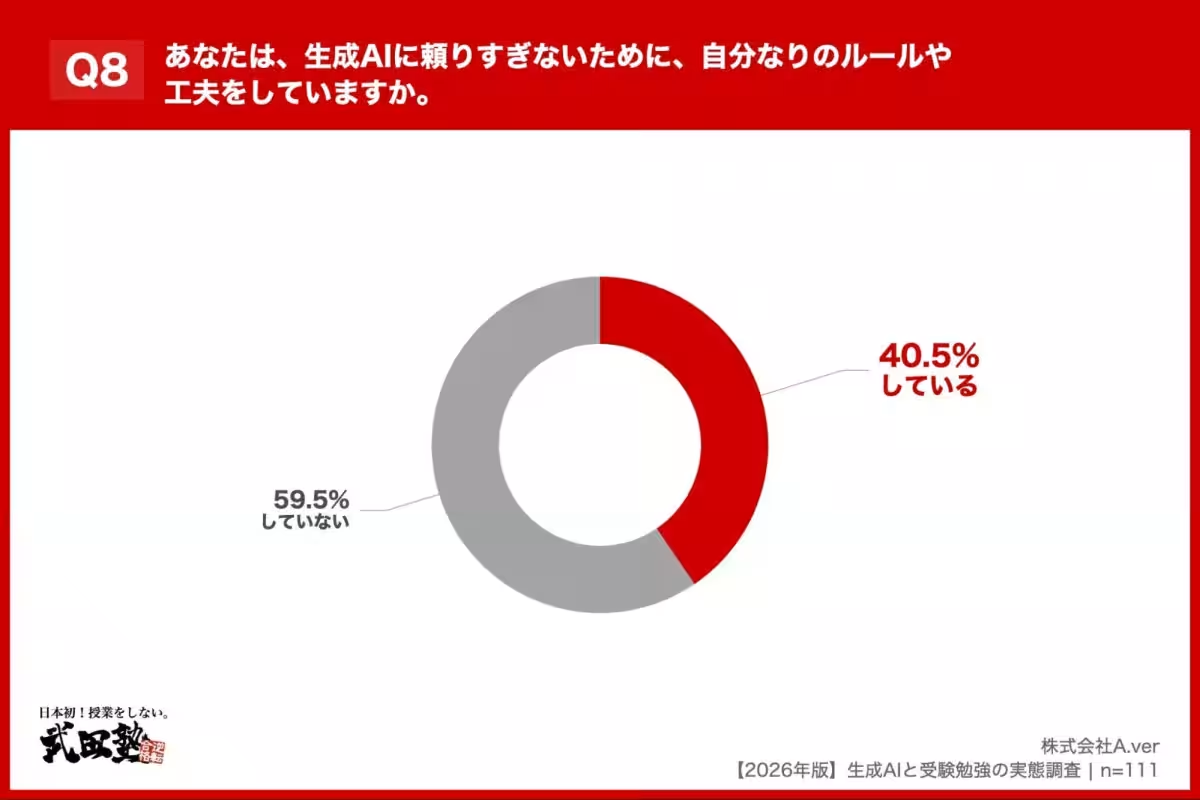
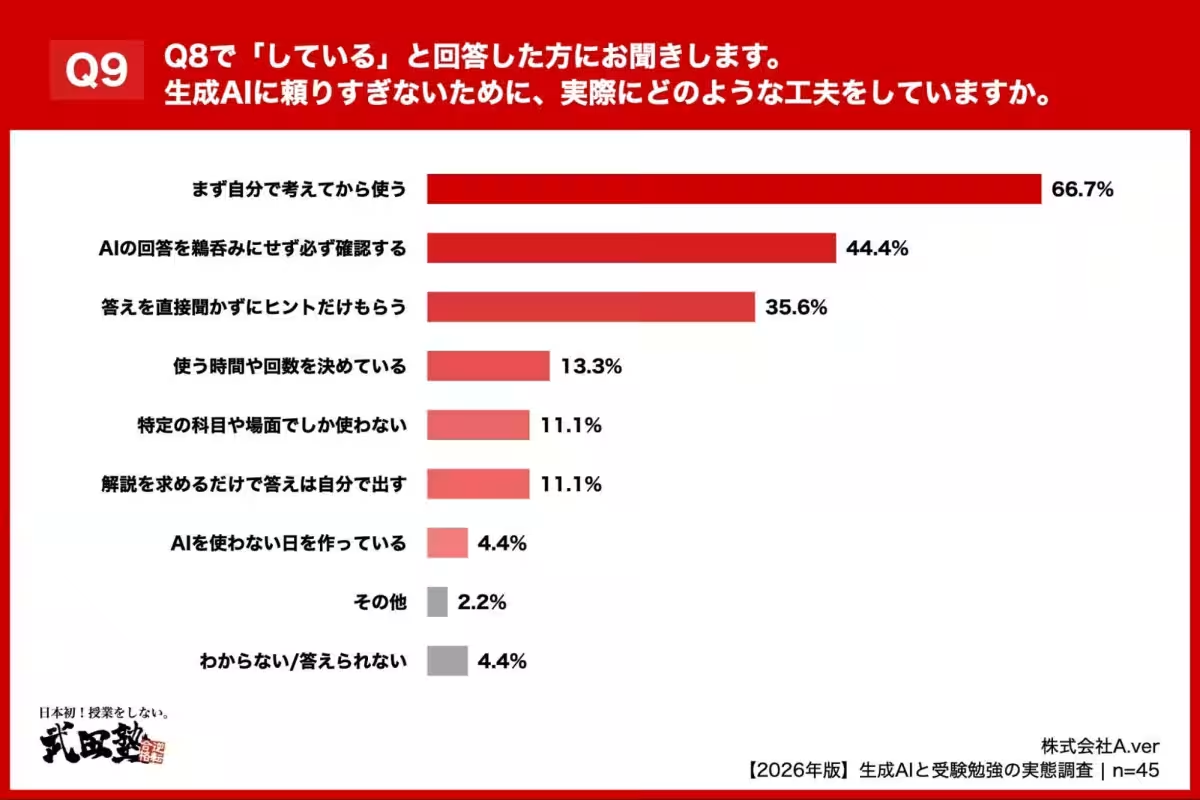
Interestingly, while many students used AI to clarify problem-solving methods—an important educational engagement—others raised flags about their learning habits. For example, 40.5% of students reported implementing personal rules to prevent excessive dependence on AI, including first attempting problems independently before seeking AI assistance.
The Future of AI in Education
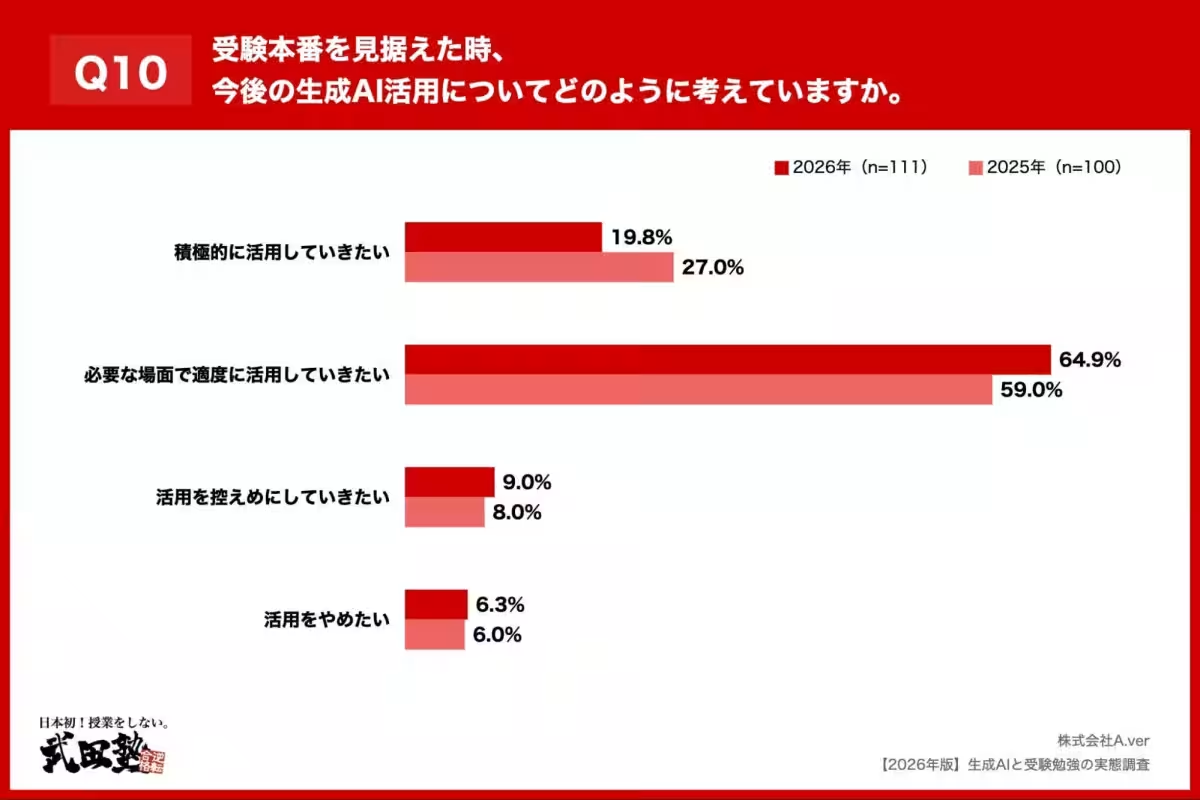
When asked about their future use of generative AI in exam preparation, 84.7% of students indicated they plan to continue utilizing AI, with 64.9% preferring moderate use depending on specific situations. This implies a balanced approach towards integrating AI tools into educational practices, allowing students to augment their learning while maintaining their critical thinking abilities.
Conclusion
The insights from the 2026 survey signify a clear trend: generative AI, particularly ChatGPT, is becoming an integral part of exam preparation among high school students. While students clearly benefit from faster information access and enhanced study methodologies, there remains a palpable tension over accuracy and overdependence on AI tools. The evolution of AI in education underscores the importance of fostering an environment where technology and independent critical thinking coexist. Takeda Juku, as a pioneer in self-directed learning, addresses these challenges by encouraging students to actively engage with their learning materials and develop their analytical skills, reinforcing the idea that while AI can be a powerful ally, the onus of understanding and application remains on the student.
About Takeda Juku
Takeda Juku operates under A.ver, focusing on self-study methods rather than traditional classroom instruction. By promoting independent learning, it prepares students not just for exams, but for lifelong learning. For more information about Takeda Juku, visit here.

Topics Other)
【About Using Articles】
You can freely use the title and article content by linking to the page where the article is posted.
※ Images cannot be used.
【About Links】
Links are free to use.