



Experiences of Self-Gifting Through E-Commerce: Research Findings from Japan
Insights into Self-Gifting in E-Commerce
A recent study conducted by SpoLup, a Tokyo-based company, has uncovered intriguing insights into the behavior of e-commerce users in Japan regarding self-gifting. This analysis comes from the 2026 survey concerning self-gifting experiences, showing a substantial shift in consumer purchasing motives.
Growing Trend of Self-Gifting
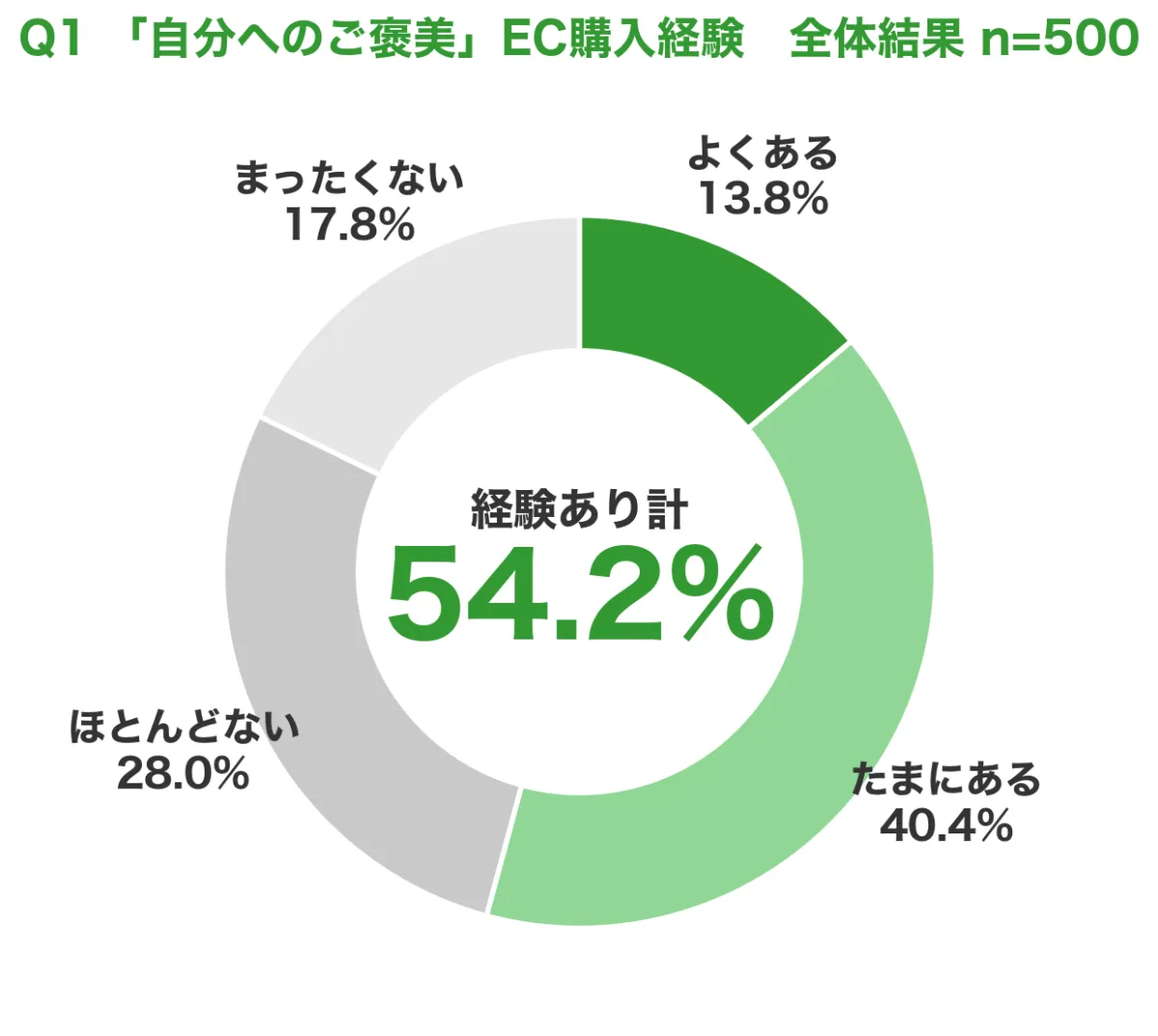
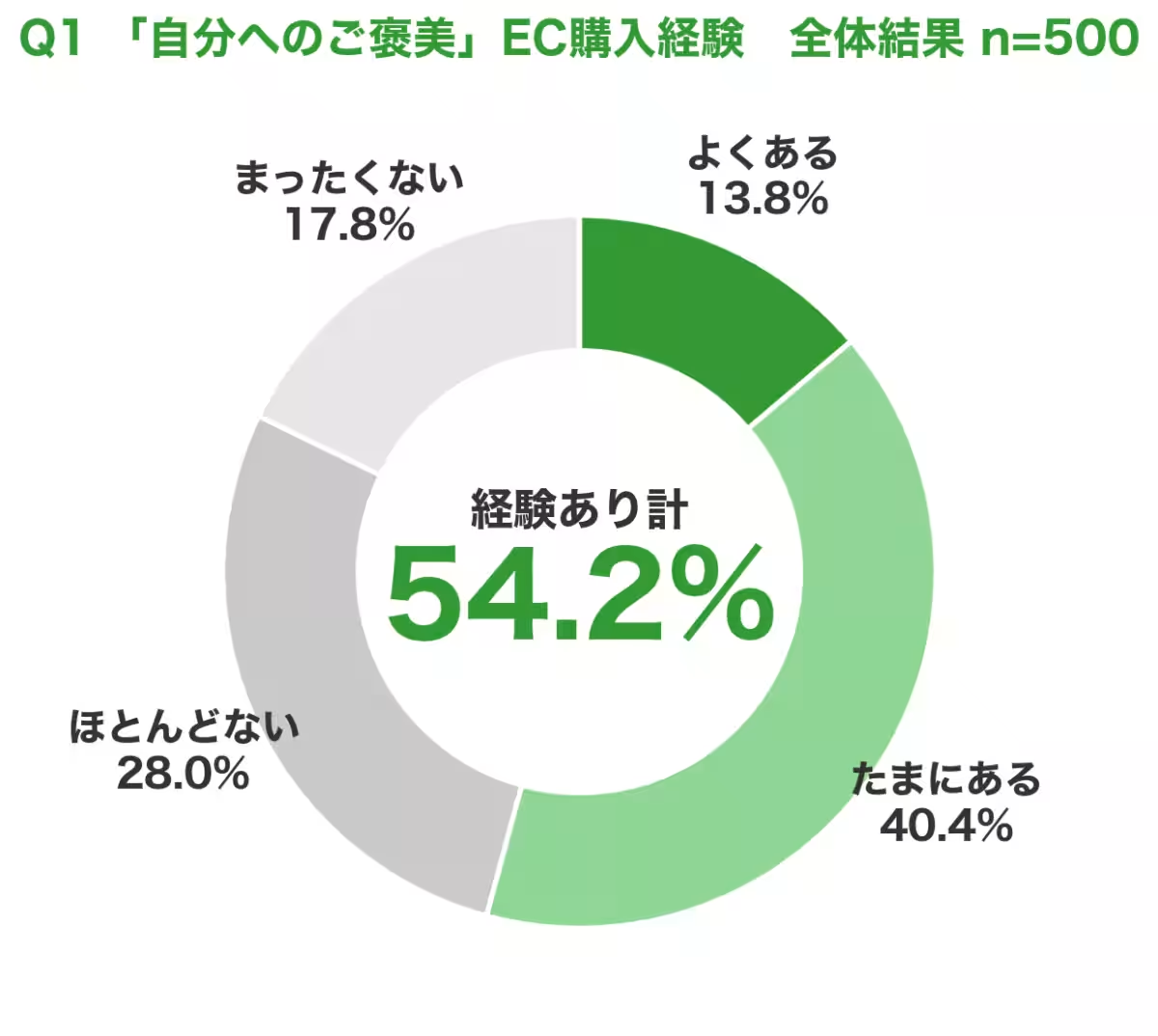
The survey revealed that a significant 54.2% of the respondents, consisting of active e-commerce users, had engaged in purchasing something for themselves, often referred to as "self-gifting." This represents a clear trend: nearly one in two online shoppers in Japan indulge in self-treats.
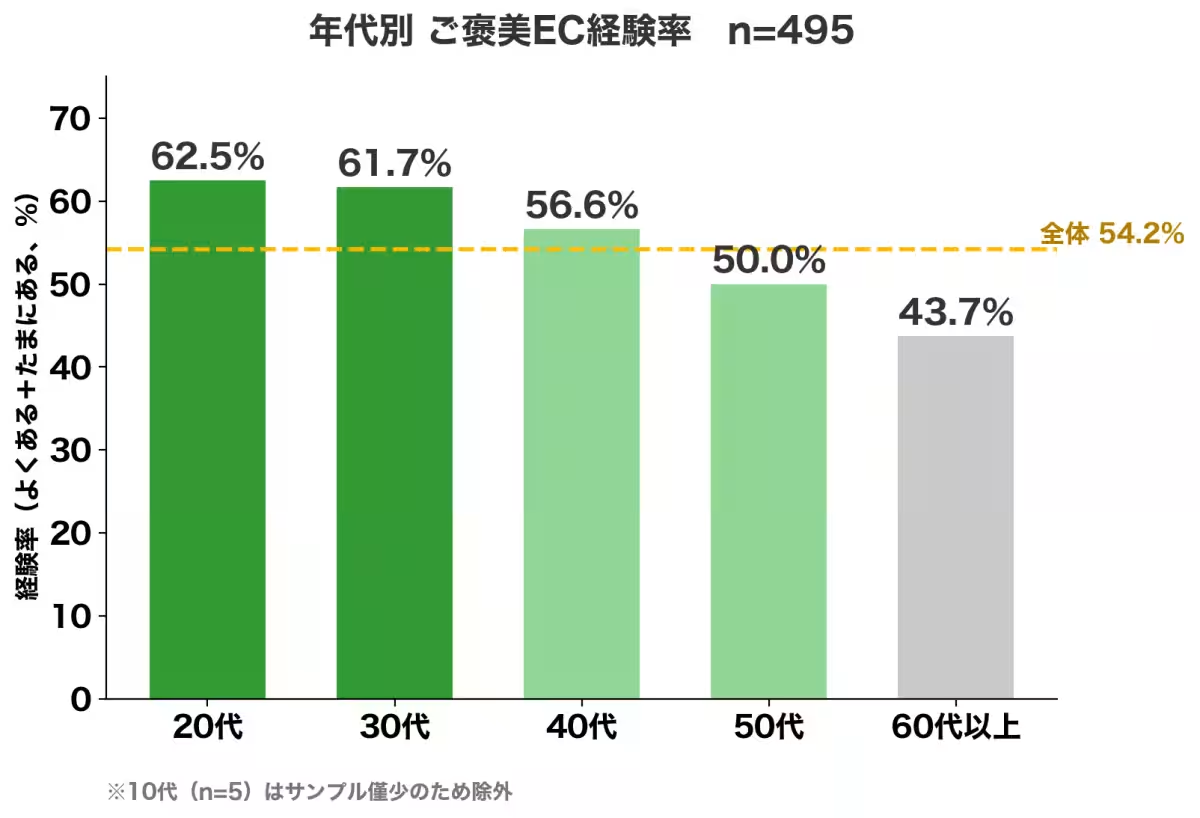
When segmented by age, the findings indicated that younger individuals are more inclined to engage in self-gifting. For example, 62.5% of individuals in their 20s reported this behavior, while only 43.7% of those aged 60 and above admitted to similar experiences.
What Do People Choose as Their Rewards?
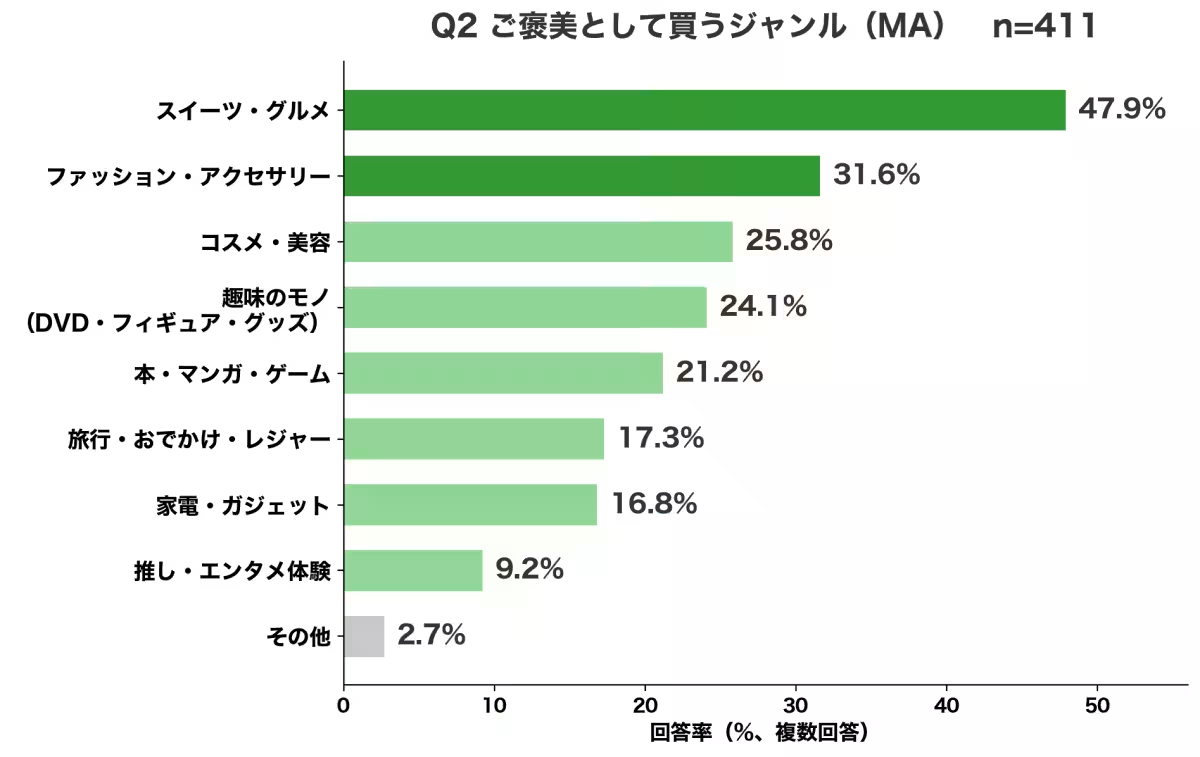
Among the various categories of self-gifts, food, particularly sweets and gourmet items, topped the list. An impressive 47.9% of respondents indicated this as their preferred self-gifting category. Other notable categories included fashion and accessories at 31.6%, and cosmetics and beauty products at 25.8%. These findings highlight a striking consensus across different age groups: indulging in good food transcends generational barriers.
Gender differences were also apparent, with men showing a strong preference for gadgets and hobbies while women gravitated more towards cosmetics and beauty products. This distinction suggests targeted marketing strategies could be beneficial, focusing on gender-specific preferences.
The Nature of Self-Gifting Purchases
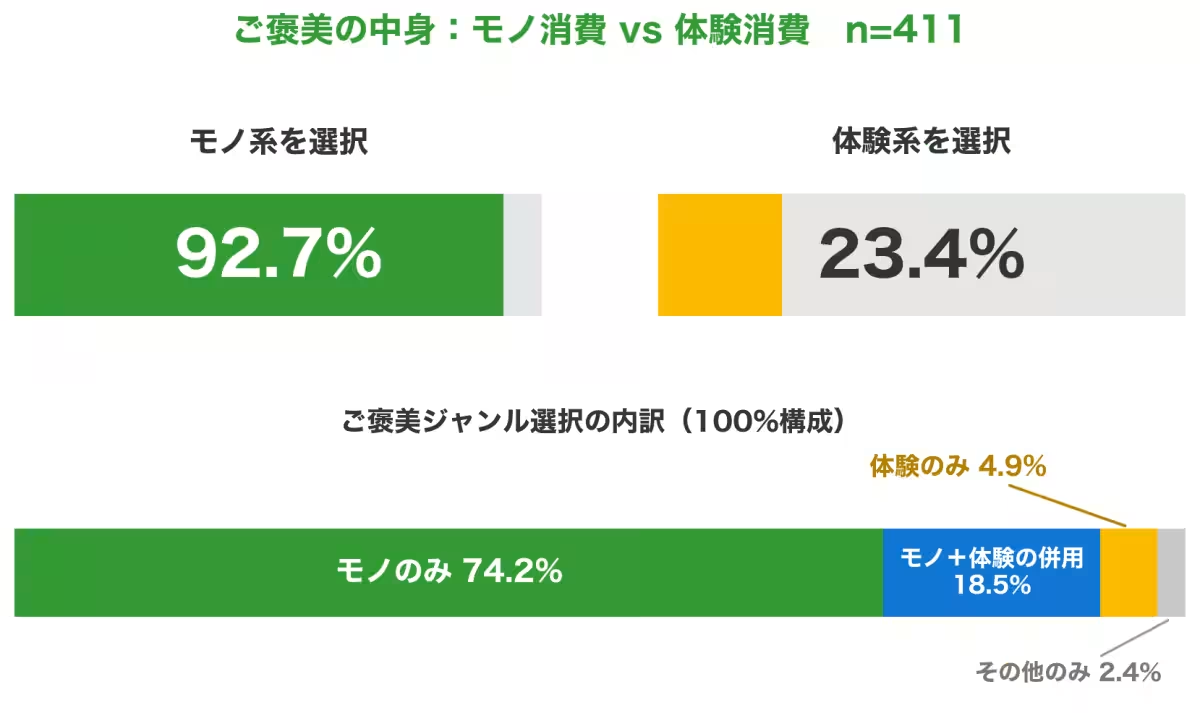
The research further highlighted the nature of what constitutes self-gifting, revealing that 92.7% of purchases were focused on tangible products rather than experiences, which only represented 23.4%. Interestingly, only 4.9% of respondents identified experience-only purchases as their method of self-gifting. This finding aligns with prevailing consumer trends, suggesting that even amidst a growing interest in experiences, e-commerce self-gifts remain predominantly product-driven.
The Timing of Self-Gifts: A Regular Habit
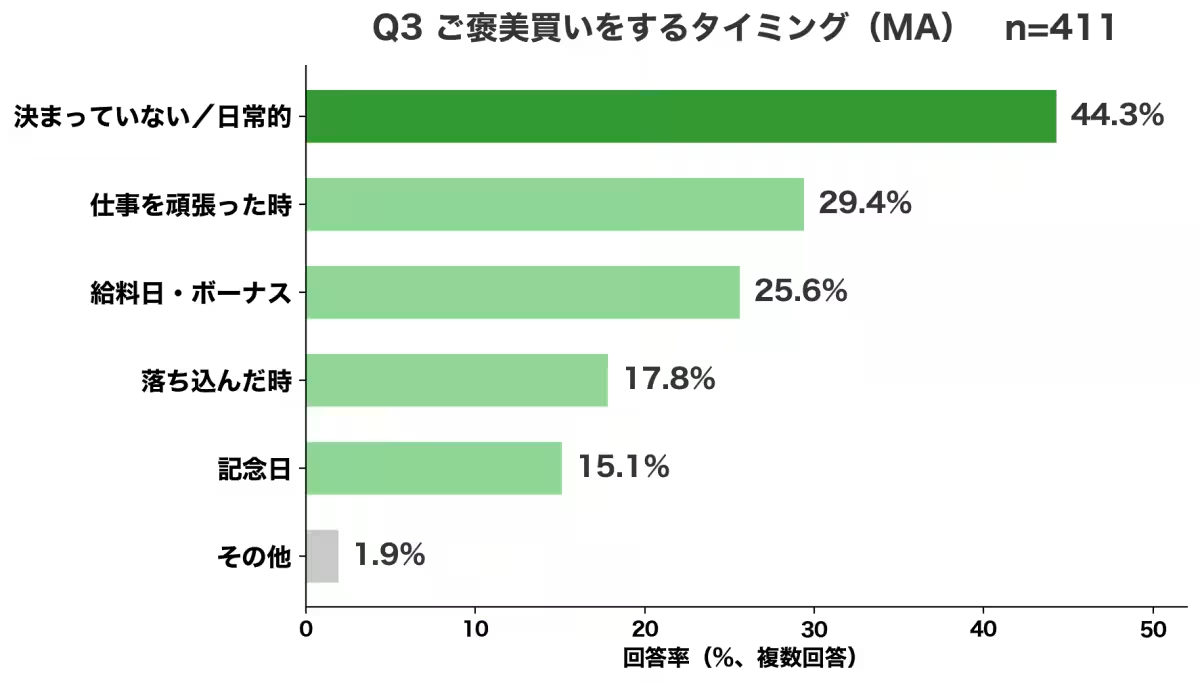
In terms of timing, 44.3% of participants mentioned that they engage in self-gifting at unspecified or daily intervals, demonstrating that this practice is not restricted to special occasions like paydays or anniversaries.
Interestingly, 29.4% indicated they treat themselves after a hard day's work, and 25.6% do so on paycheck days, revealing that self-gifting has intertwined with daily routines as a form of self-care rather than a luxury reserved for special moments.
Affordability and Satisfaction Levels
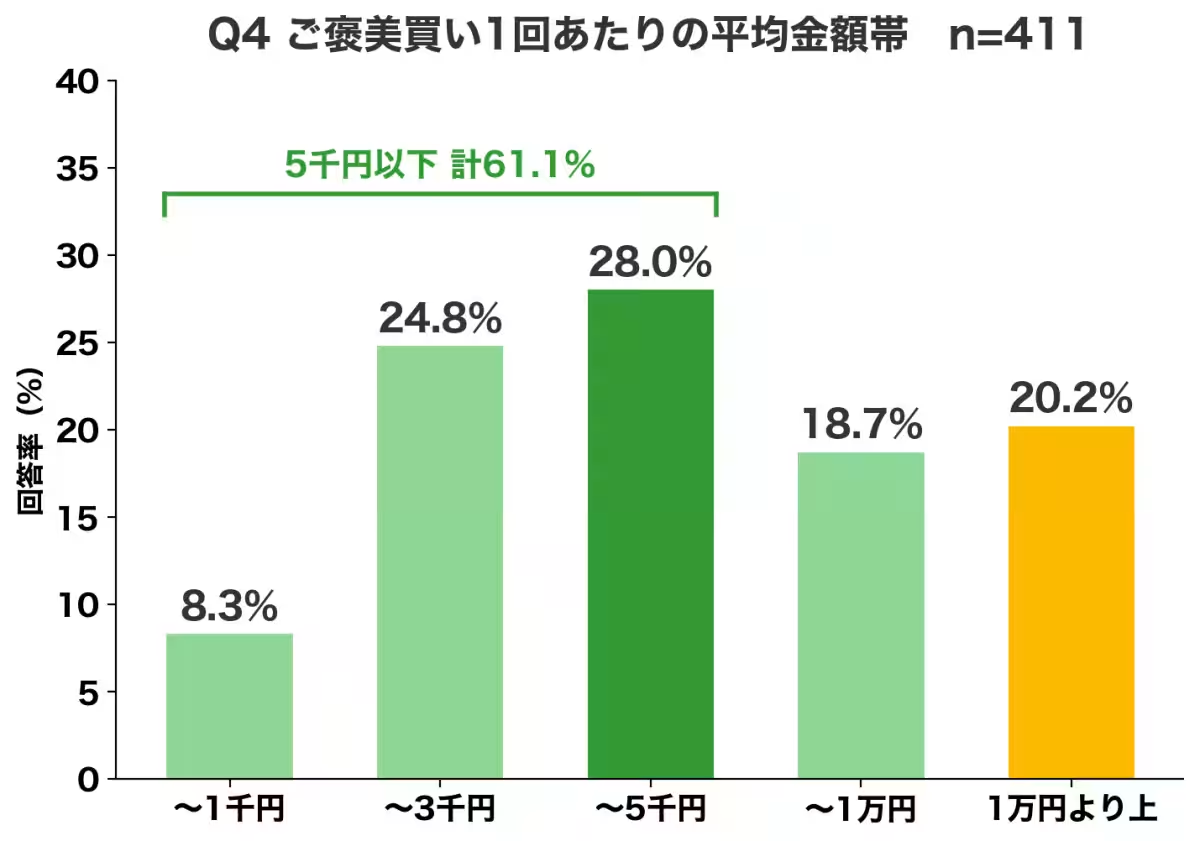
Regarding spending, the survey indicated that the average amount spent on self-gifting was usually under 5,000 yen. 28% cited spending in this range, while 61.1% mentioned that their self-gifting expenses fall below 5,000 yen. However, 20.2% of respondents were willing to spend over 10,000 yen occasionally, representing a growing trend of investing in personal satisfaction.
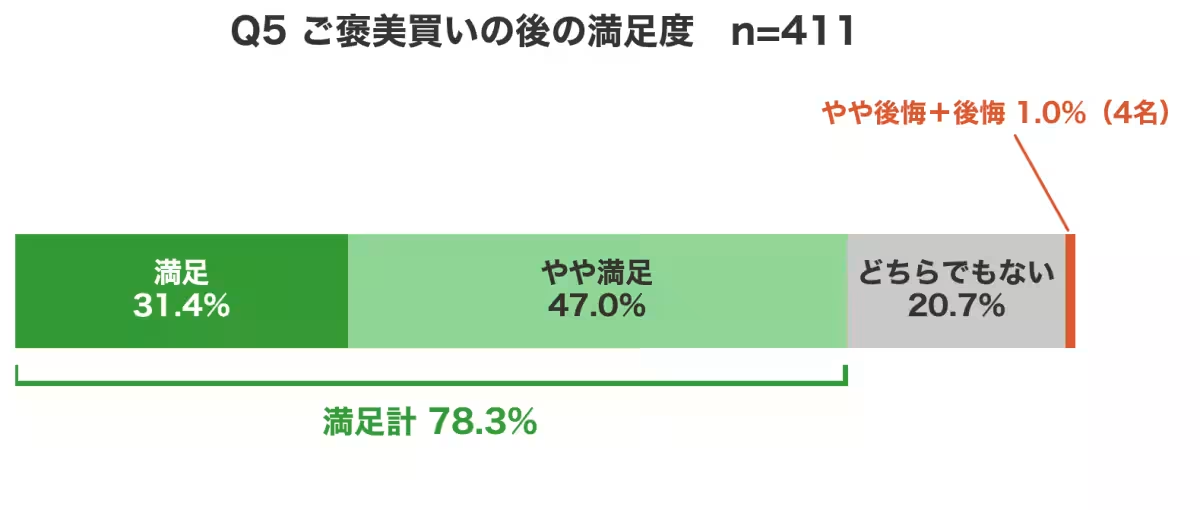
Remarkably, 78.3% of respondents reported satisfaction with their purchases, with a mere 1% expressing regret, indicating that self-gifting as a practice yields positive outcomes for consumers.
Conclusion: Self-Gifting as a Daily Norm
This study sheds light on an emerging lifestyle trend where self-gifting is increasingly becoming a normalized form of self-care among consumers in Japan. The intertwining of affordability, satisfaction, and daily practice gives marketers essential insights on how to approach this growing market segment.
The results emphasize that while economic conditions push for frugality, half of the surveyed individuals maintain a balance in their spending, indicating a dual mindset of ‘‘saving where it counts and spending where it matters.’’ By catering to this emerging behavior, brands can tailor their strategies to appeal to this segment, establishing a year-round relevance.
The findings suggest new opportunities for retail strategies focused on self-gifting context, expanding beyond traditional holiday shopping to a more holistic year-round approach to consumer engagement.
Topics Consumer Products & Retail)



【About Using Articles】
You can freely use the title and article content by linking to the page where the article is posted.
※ Images cannot be used.
【About Links】
Links are free to use.