



Enhancing Glial Cell Glucose Metabolism for Alzheimer's Treatment: A Promising Strategy
Glial Cell Sugar Metabolism: A Potential Alzheimer’s Disease Treatment
In an insightful study led by Mikiko Oka and Professor Kanae Ando at the Tokyo Metropolitan University, alongside collaborators from Baylor College of Medicine, researchers uncovered a fascinating connection between glial cells and their glucose metabolism. Focused on Alzheimer's disease, the study suggests that improving glucose metabolism within glial cells can protect against neuron death, which is a hallmark of the disease.
The Role of Glial Cells in the Brain
In vertebrates, brain functions such as memory and reasoning are orchestrated by neurons and glial cells. Neurons are responsible for processing information, while glial cells perform maintenance functions. In the brains of patients suffering from neurodegenerative diseases, including Alzheimer's, the metabolism and uptake of glucose—the primary energy source for these cells—is severely impaired. This decline in glucose metabolism among neurons is suspected to underpin the loss of neurofunction.
Despite the critical role glial cells play in brain health, their involvement in glucose metabolism and the subsequent impact on diseases has been less understood. In this study, the researchers employed a fly model expressing human tau protein—a known factor in neurodegeneration—to delve into the interactions between neuron death and glial cell responses.
Findings from the Research
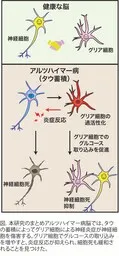
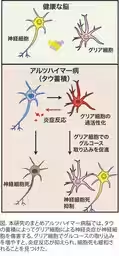
Diving into the intricacies of neurodegeneration, the team employed a model of fruit flies with the human tau protein introduced into their visual neurons. The presence of tau led to neuron death, prompting the glial cells to activate harmful inflammatory responses and, in some cases, even diminish in number.
The breakthrough came when the researchers enhanced glucose uptake by glial cells. This increase was found to temper the excessive inflammatory responses and, crucially, reduced the incidence of neuron death. Such findings indicate a potential pathway for developing new therapeutic interventions targeting glial cell metabolism.
Broader Significance and Future Directions
The implications of this research are profound. With the world facing an aging population and an increase in neurodegenerative diseases, understanding the metabolic shifts in glial cells becomes crucial. As literature suggests, age-related declines in brain glucose metabolism heighten the risk for diseases like Alzheimer’s.
In light of this study, future endeavors could shift focus towards bolstering glial cell glucose metabolism. By adopting this approach, scientists might formulate strategies to mitigate neuroinflammation, thereby providing a multifaceted avenue for combating diseases such as Alzheimer’s and Parkinson’s.
The research is documented in the journal Disease Models & Mechanisms, marking a significant step forward in the quest for effective therapeutic strategies for neurodegenerative diseases, as it opens up new avenues for drug discovery aimed at glial cell metabolism.
Conclusion
In summary, this study not only enhances our understanding of the relationship between glial cells and neuron health but also sheds light on a potential therapeutic target that could drastically impact how neurodegenerative diseases are approached. With further research, the path to novel Alzheimer's treatments may soon be clearer than ever.
Topics Health)
【About Using Articles】
You can freely use the title and article content by linking to the page where the article is posted.
※ Images cannot be used.
【About Links】
Links are free to use.