




Preventing and Recovering from Summer Fatigue: Tips from Experts
Understanding Summer Fatigue: Causes and Solutions
As summer temperatures rise, many people experience fatigue and other symptoms commonly associated with summer fatigue, known as 'natsubate' in Japan. The recent survey conducted by Daiken Biomedical Co., Ltd, based in Tokyo, indicates that approximately 58.2% of respondents have suffered from summer fatigue. This article will delve into the findings of this survey, explore practical measures for prevention and recovery, and provide expert insights from Dr. Yuri Kamata.
The Survey Findings
Conducted between June 27 and 30, 2025, the two-part survey engaged 3,000 participants nationwide. From these, 1,000 individuals who reported experiencing summer fatigue responded to further questions about their symptoms and coping strategies.
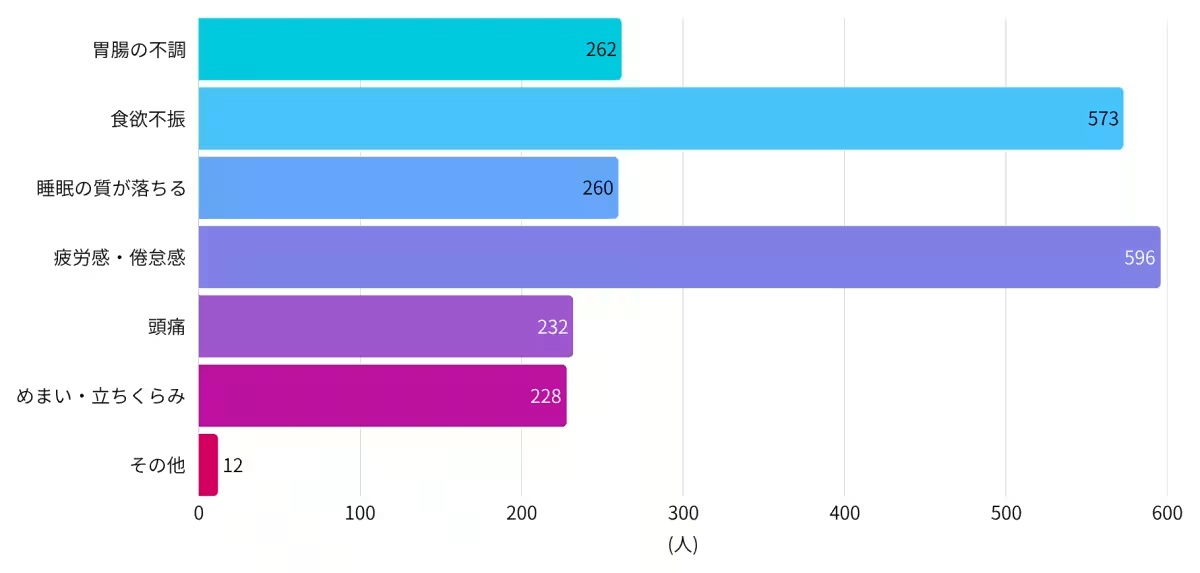
The most prevalent symptoms reported were fatigue (596 responses) and loss of appetite (573 responses). Other common issues included gastrointestinal discomfort (262 responses) and decreased sleep quality. It reveals that summer fatigue affects various aspects of our health, not just causing lethargy but potentially disrupting sleep and digestive functions as well.
Effective Coping Strategies
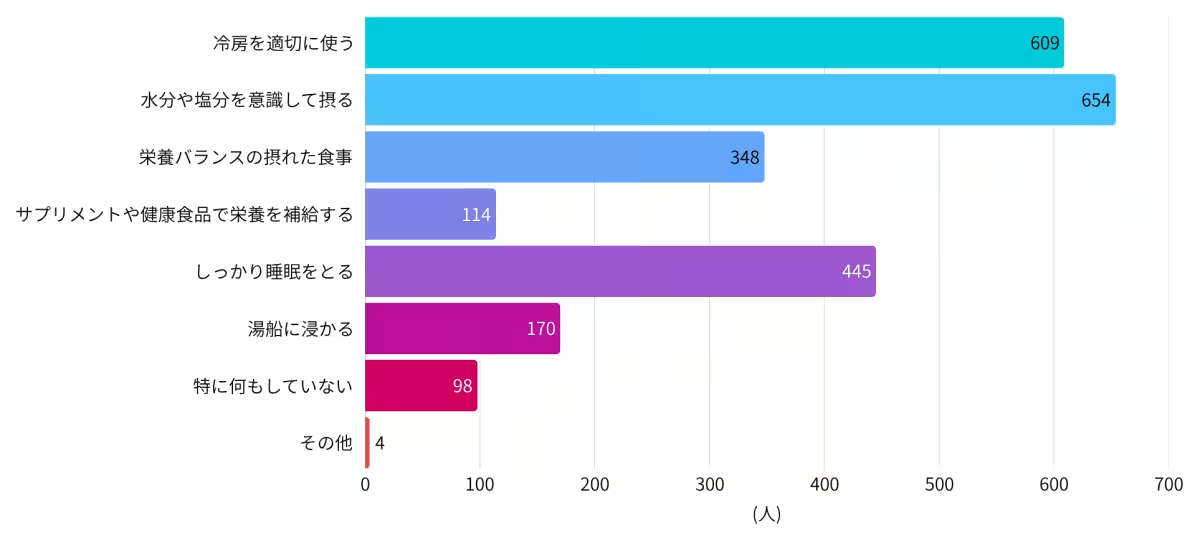
Participants also shared the measures they took to combat summer fatigue. The top responses included:
1. Staying Hydrated - 654 participants emphasized the importance of consuming adequate fluids and electrolytes.
2. Utilizing Air Conditioning - 609 people reported using air conditioning responsibly to combat heat stress.
3. Ensuring Quality Sleep - 445 participants prioritized getting enough rest.
4. Balanced Nutrition - 348 acknowledged the need to maintain a nutritious diet.
However, a surprising one in ten respondents admitted to taking no measures at all, underscoring a gap in awareness and proactive health management. The survey also noted a growing interest in supplements to support nutrition among individuals impacted by decreased appetite during the hot months.
Expert Insights: Dr. Yuri Kamata's Recommendations
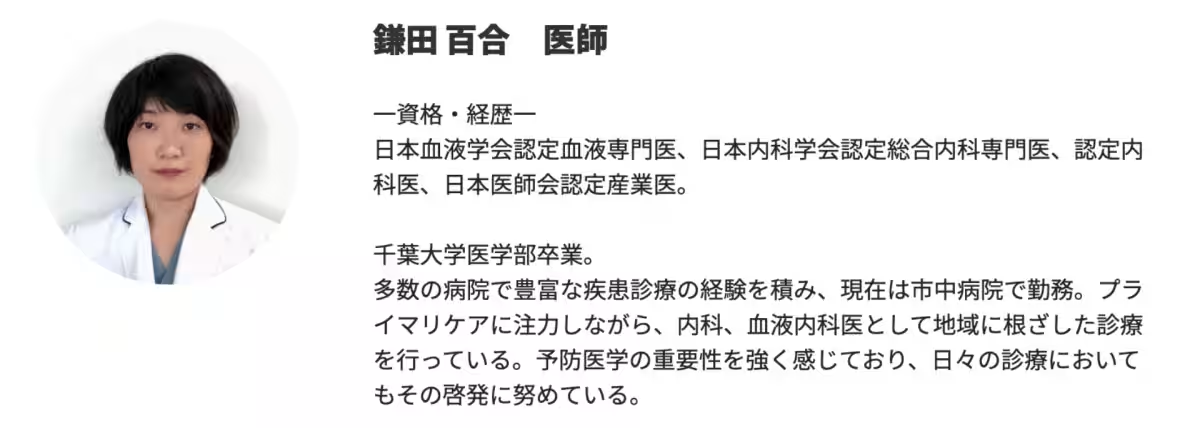
Dr. Yuri Kamata, an internal medicine specialist, offers valuable strategies for preventing and recuperating from summer fatigue:
1. Understand the Physiology
Summer fatigue arises from the body’s struggle to adapt to extreme heat and humidity, often leading to a disrupted autonomic nervous system. This may result in decreased appetite, fatigue, and reduced concentration, making it essential to recognize one’s physical state.
2. Adjust Your Environment
To prevent overheating, avoid excessive air conditioning adjustments. Ensure the temperature is regulated while providing comfort. When outdoors, dress in layers to manage temperature fluctuations. Interestingly, opting for warm foods instead of cold ones can better support digestive health, preventing any further strain on the body during hotter months.
3. Hydration and Nutrition
Continual hydration is essential, especially as the body loses fluids through sweat. Aim to drink water consistently, opting for electrolyte-rich beverages post-exercise. Maintain a balanced diet that includes carbohydrates, proteins, vitamins, and minerals to support energy levels. Emphasize grass-fed meat, fish, eggs, and vegetables that are rich in B vitamins to aid in energy production and recovery.
4. Prioritize Good Sleep
Quality rest is crucial for maintaining balance within the autonomic nervous system. Make adjustments to your sleep environment, perhaps utilizing fans or cooling systems. Create a sleep-conducive atmosphere by minimizing electronic usage before bed and ensuring rooms are dark and quiet.
5. Incorporate Light Exercise
Even on hot days, engaging in light physical activity, like stretching or walking during cooler times of the day, can enhance metabolism and prevent discomfort.
Recovering From Summer Fatigue
Despite preventive measures, you may occasionally experience fatigue. Here are steps for recovery:
1. Rest: Above all, prioritize recovery by allowing your body the time it needs to heal. Relaxing in a cool, comfortable environment is imperative.
2. Nutrition: When your appetite wanes, gradually consume nutritious foods, keeping meals balanced and light to avoid further digestive strain.
3. Temperature Management: Regulate your surroundings to maintain comfort and support recovery.
4. Seek Medical Attention if Needed: If fatigue persists, consult with healthcare providers to rule out underlying health issues.
Conclusion
Understanding and addressing summer fatigue through lifestyle modifications can significantly improve quality of life during the warm months. By emphasizing hydration, nutrition, sleep, and activity, as well as learning from the insights of professionals like Dr. Kamata, we can better navigate the challenges of the summer heat.
This summer, take proactive steps towards maintaining your health, keeping your body well cared for and equipped to enjoy all the joys of the season!


Topics Health)

【About Using Articles】
You can freely use the title and article content by linking to the page where the article is posted.
※ Images cannot be used.
【About Links】
Links are free to use.