



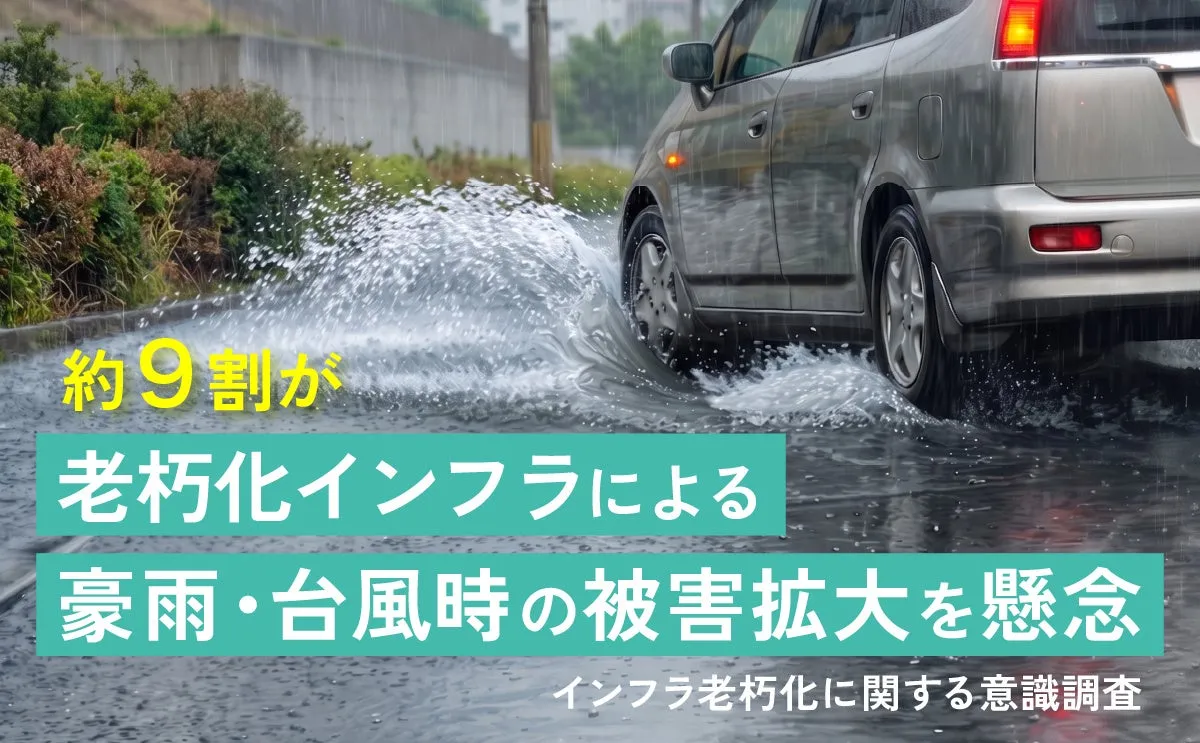
Concerns Over Aging Infrastructure Amidst Natural Disasters in Japan
Awareness of Aging Infrastructure in Japan's Disaster Context
Introduction
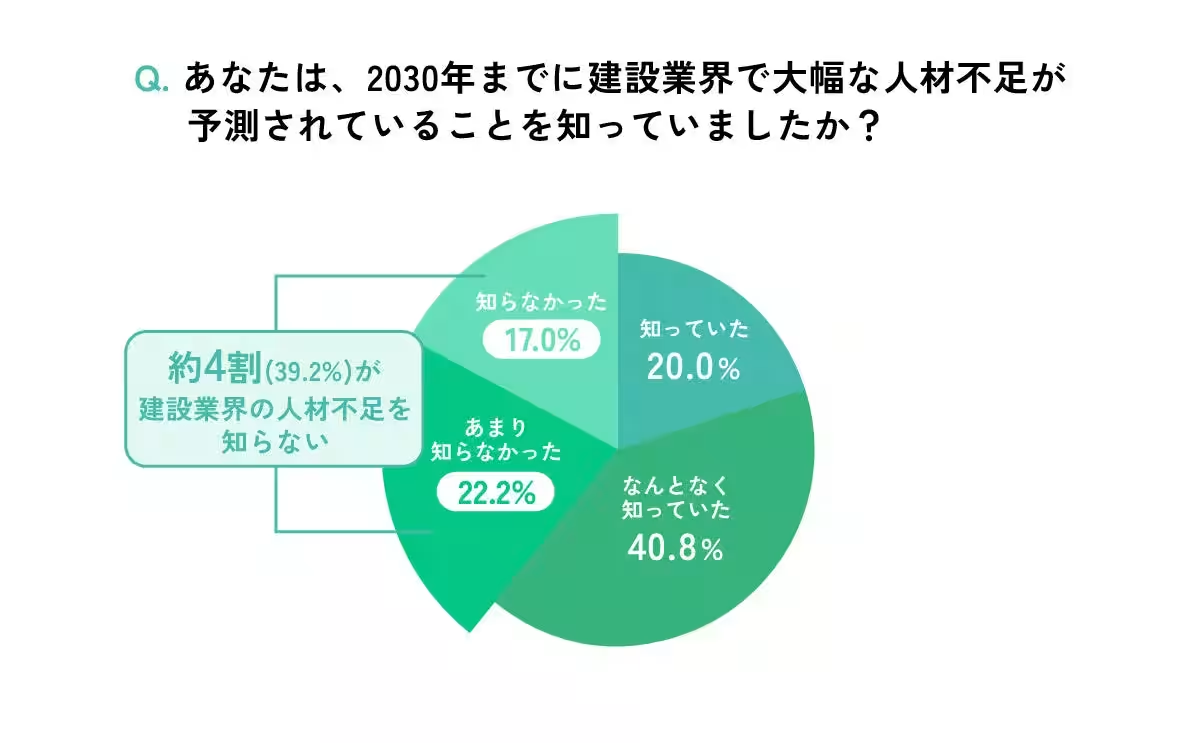
The construction labor shortage is under-recognized despite mounting concerns regarding the aging infrastructure in Japan. A recent survey conducted by Nalel Group highlights that while nearly 90% of respondents worry about the risks posed by dilapidated infrastructure during severe weather events, around 40% are unaware of the human resources needed to maintain these systems.
Increasing Natural Disaster Risks
As Japan enters the typhoon and heavy rain season, it's crucial to note that the frequency of severe rainfall events—where more than 200mm falls in a day—has increased by approximately 1.7 times in the last three decades. The implications of an aging infrastructure system during such disasters could lead to severe damage to transportation, logistics, and essential services.
Survey Findings
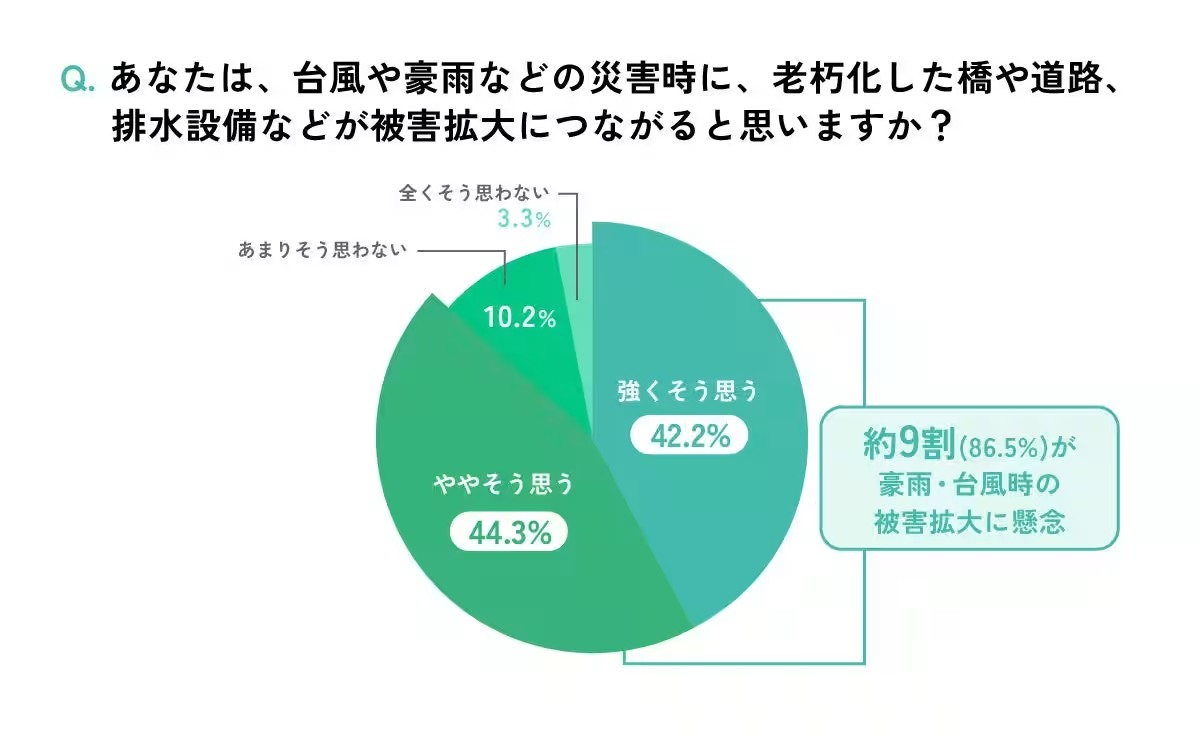
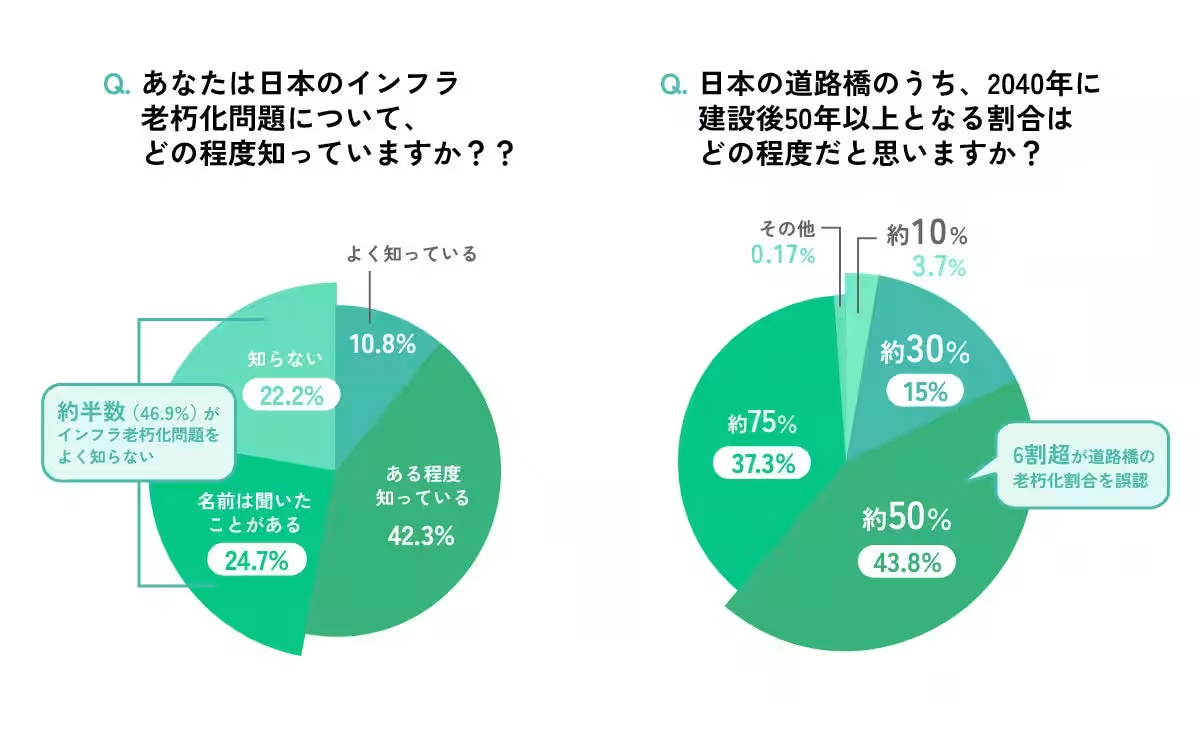
Approximately 86.5% of those surveyed believe that aging infrastructure contributes to the exacerbation of damages during extreme weather conditions. On the flip side, nearly half of the respondents indicated a lack of understanding of the infrastructure aging problem. This discrepancy suggests a gap in awareness between recognizing disaster risks and understanding the state of infrastructure.
Infrastructure Maintenance and Human Resource Deficit
The survey revealed a stark reality: about 39.2% of participants were not aware of the expected labor shortages in the construction industry by 2030. As the population ages and the workforce diminishes, ensuring the safety and maintenance of critical infrastructure will experience additional strain.
Underestimation of Maintenance Budgets
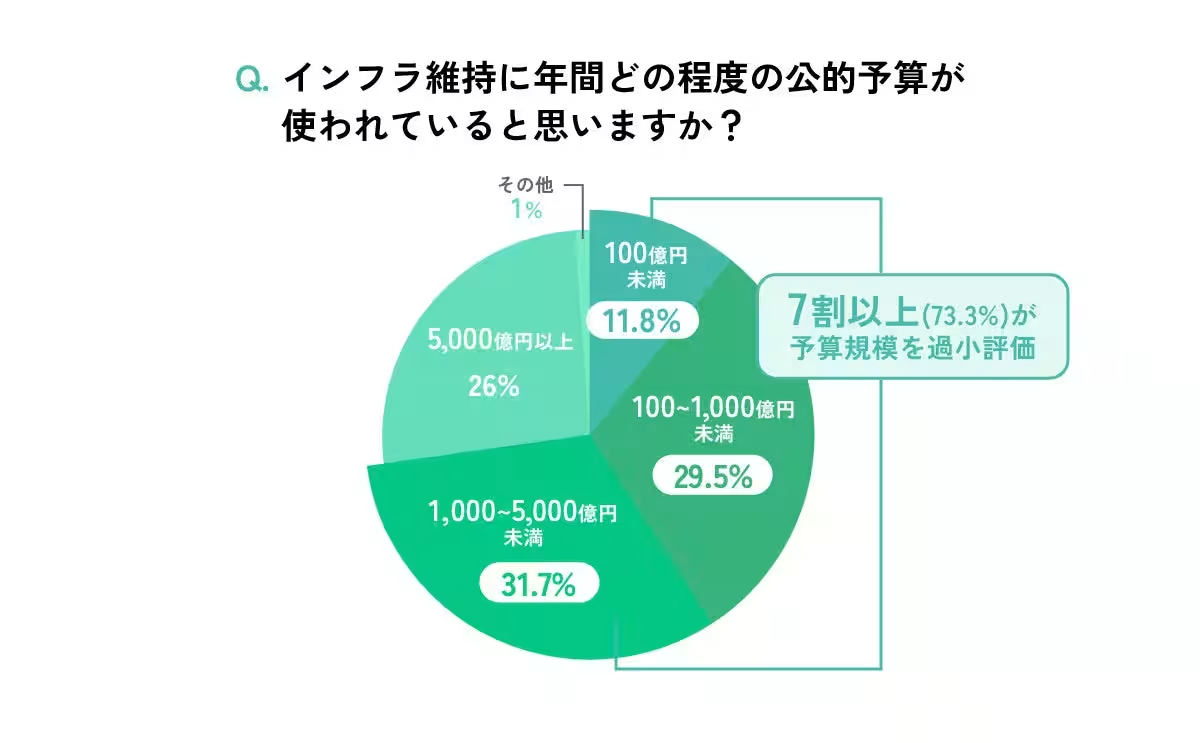
When questioned about the annual public budget allocated for infrastructure maintenance, over 73% of respondents underestimated the actual figures. The 2026 budget anticipates spending of approximately 867.3 billion yen for addressing aging infrastructure issues, yet only about 26.7% of people understood the enormity of these expenditures.
Public Perception about Tax Increases
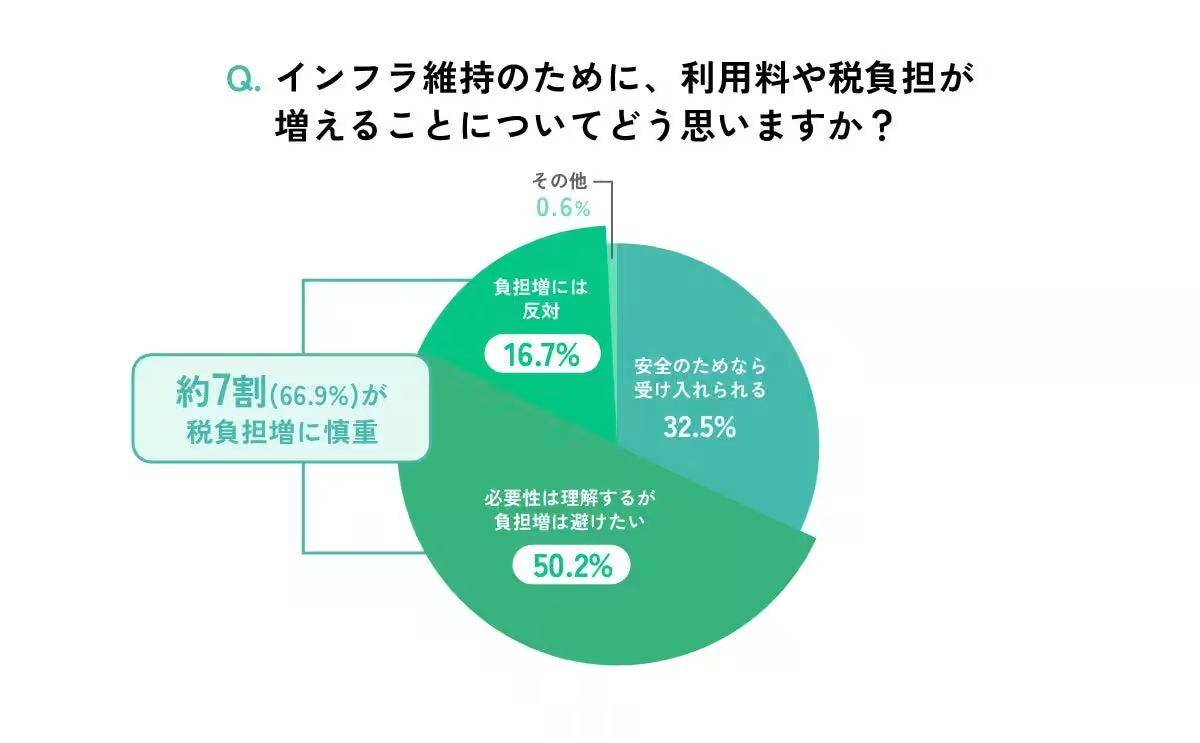
While most people understand the necessity of infrastructure maintenance, there’s a prevailing hesitation among the public regarding increased tax burdens or usage fees. Only about 32.5% of respondents were open to accepting higher costs for safety measures, with more than half preferring to avoid any increase in financial obligation.
The Need for Investment in Human Resources
The findings from this survey emphasize a critical future need: investing in both infrastructure and the personnel required to maintain it. With anticipated shortages of 80,000 to 100,000 skilled workers by 2030, it is clear that the growth of the construction industry must include education and recruitment strategies targeting young professionals.
Nalel Group is responding to these challenges by offering staffing solutions to enhance productivity and address the industry's labor demand. The company aims to support infrastructure sustainability through various services, including labor dispatch and skill training programs.
Conclusion
Overall, while there is a significant awareness regarding the implications of aging infrastructure during natural disasters in Japan, crucial gaps in knowledge regarding maintenance needs and the human resources required are apparent. A holistic approach that combines investment in physical infrastructure and the personnel tasked with its upkeep is essential for securing a safe and resilient future.
Topics Other)
【About Using Articles】
You can freely use the title and article content by linking to the page where the article is posted.
※ Images cannot be used.
【About Links】
Links are free to use.