



Discovering the Connection Between Diet Quality and Vitamin D Levels in Japan
Investigating the Link Between Diet Quality and Vitamin D Levels
In a significant step towards public health, Meiji Co., Ltd. has collaborated with the National Center for Geriatrics and Gerontology to explore how diet quality impacts Vitamin D levels among Japanese adults and seniors. The results were published in Human Nutrition & Metabolism on June 13, 2025. This research highlights the potential to address the prevalent issue of Vitamin D deficiency in Japan, which affects an alarming 98% of the population, according to a recent study.
Understanding the Research Context
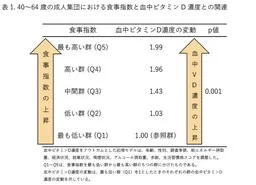
Vitamin D deficiency is linked with various health risks, including lifestyle diseases and frailty, making it a pressing concern in Japan, where dietary patterns often contribute to nutritional gaps. The new study, involving 2,145 participants, utilized the innovative Meiji Nutritional Profiling System (Meiji NPS) to assess diet quality over a three-day food diary. It aimed to establish a connection between the evaluated diet quality and the measured serum Vitamin D levels.
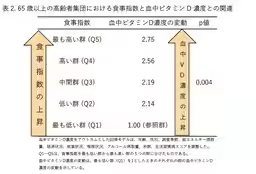
The findings were striking: both adult and elderly participants with higher quality diets exhibited elevated Vitamin D concentrations in their blood. This association is vital as it signals the importance of dietary improvements in combating deficiencies that may contribute to serious health challenges in the population.
Significance of the Findings
This landmark study is the first to robustly demonstrate the relationship between diet quality and serum Vitamin D levels specifically within the Japanese population. It challenges previous assumptions about dietary impacts on nutrient absorption and highlights a novel approach to public health strategies that could alleviate Vitamin D deficiency, commonly linked with an increased risk of chronic diseases and cognitive decline.
The implications are profound. With this evidence, dietary guidelines could be refined to emphasize foods that enhance Vitamin D levels, especially in vulnerable groups such as the elderly, who often experience a decline in nutritional health.
Future Directions
Going forward, Meiji NPS will continue to spearhead research initiatives aimed at addressing health issues in Japan through enhanced dietary practices. By focusing on food as a pathway to better health, the company reaffirms its commitment to supporting the well-being of the Japanese populace.
Future research should adopt a multifaceted approach to delve deeper into the intricate relationship between various dietary elements and Vitamin D levels, potentially leading to more comprehensive dietary recommendations. Overall, this study not only enriches our understanding of nutrition's role in public health but also sets a precedent for future investigations that could benefit the public health framework in Japan.
As insight into the nutritional landscape continues to evolve, the necessity for effective tools like Meiji NPS, tailored to the dietary needs and health challenges of the Japanese people, becomes increasingly important. Ultimately, the goal is to ensure a healthier future where improved diet quality can navigate the communal health issues surrounding Vitamin D deficiency.
Conclusion
The study on diet quality and Vitamin D levels opens up new avenues for understanding how nutrition influences public health in Japan. By maintaining a strong focus on nutritional assessment and dietary improvements, there is a significant opportunity to reshape health outcomes across the country. Continuous efforts to build on these findings will strengthen the foundation for healthier living and provide valuable resources for healthcare professionals working towards holistic health improvement initiatives.
Topics Health)
【About Using Articles】
You can freely use the title and article content by linking to the page where the article is posted.
※ Images cannot be used.
【About Links】
Links are free to use.