



Promoting a Comprehensive Understanding of Obesity and Obesity Disorders through Interactive Workshops
Understanding Obesity and Obesity Disorders
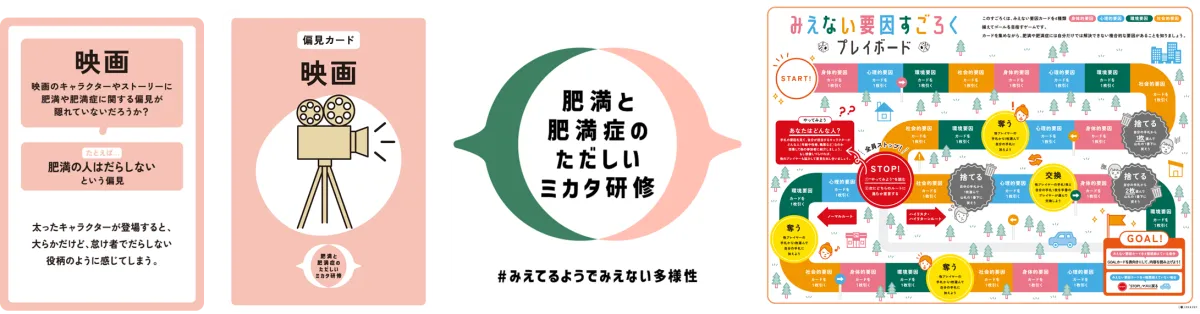
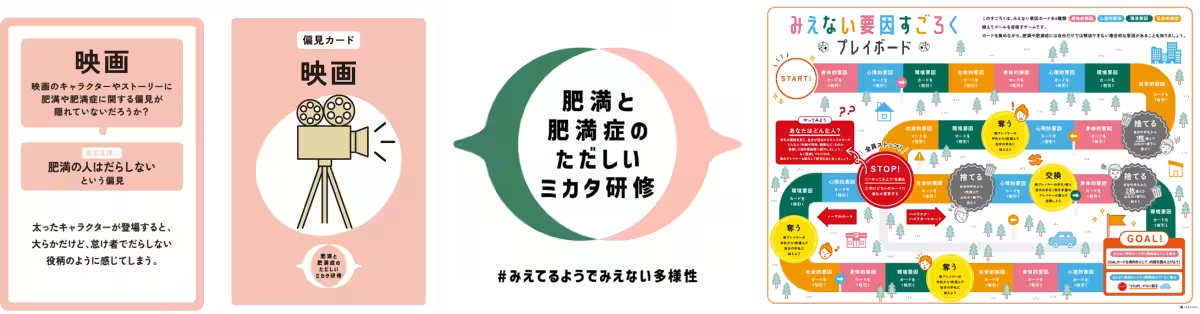
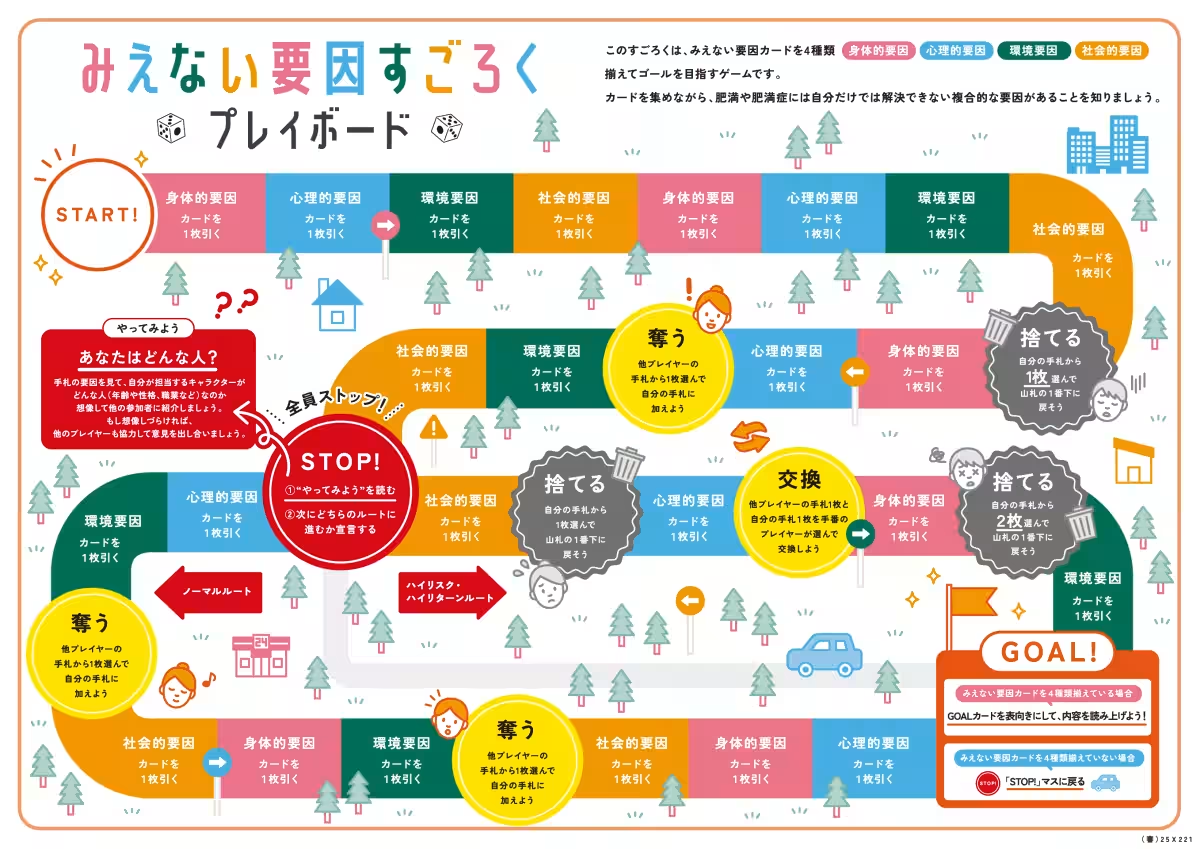
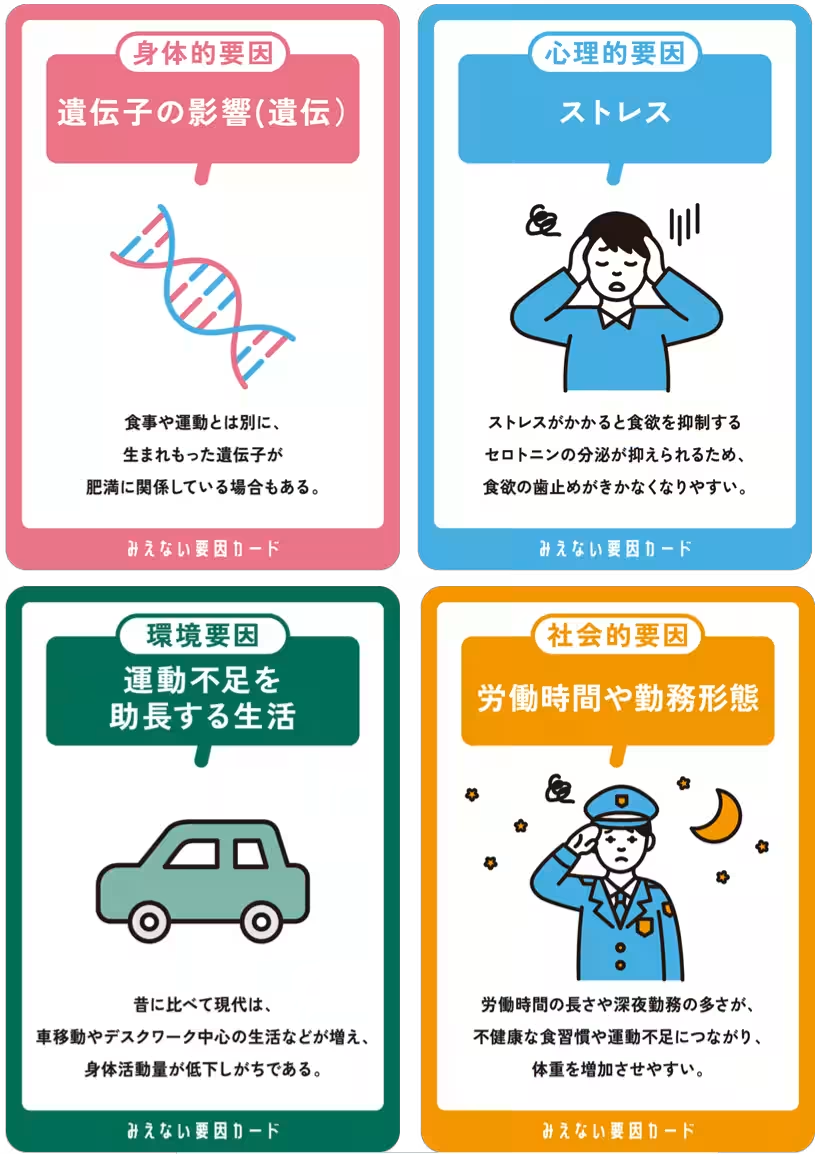
In a groundbreaking initiative, Japan Eli Lilly and Tanabe Pharma have developed an innovative program aimed at raising awareness about obesity and obesity-related disorders through engaging and interactive workshops. The initiative has introduced novel tools such as the “Invisible Bias Cards” and “Invisible Factors Game,” which are now available for free download on their dedicated website.
Obesity is defined as an excessive accumulation of fat, with a Body Mass Index (BMI) of 25 or higher. In Japan, approximately one-third of adult men and one-fifth of adult women fall within this category, with increasing prevalence noted among men. Conversely, obesity disorder refers to the presence of obesity alongside related health complications, necessitating medical treatment. This condition not only deteriorates quality of life but also correlates with various health issues.
Game-Based Tools for Awareness
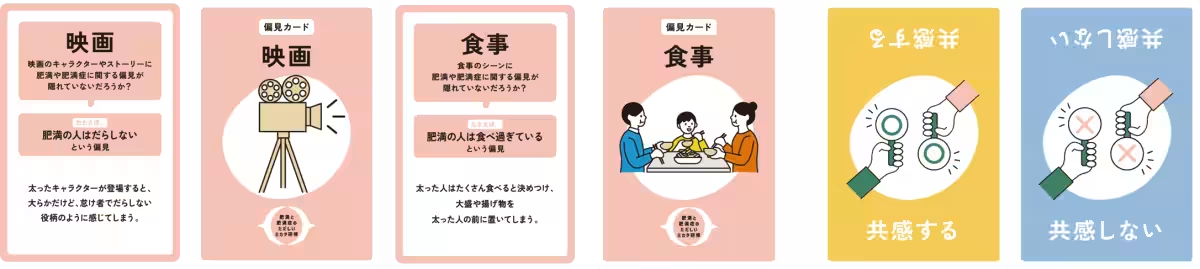
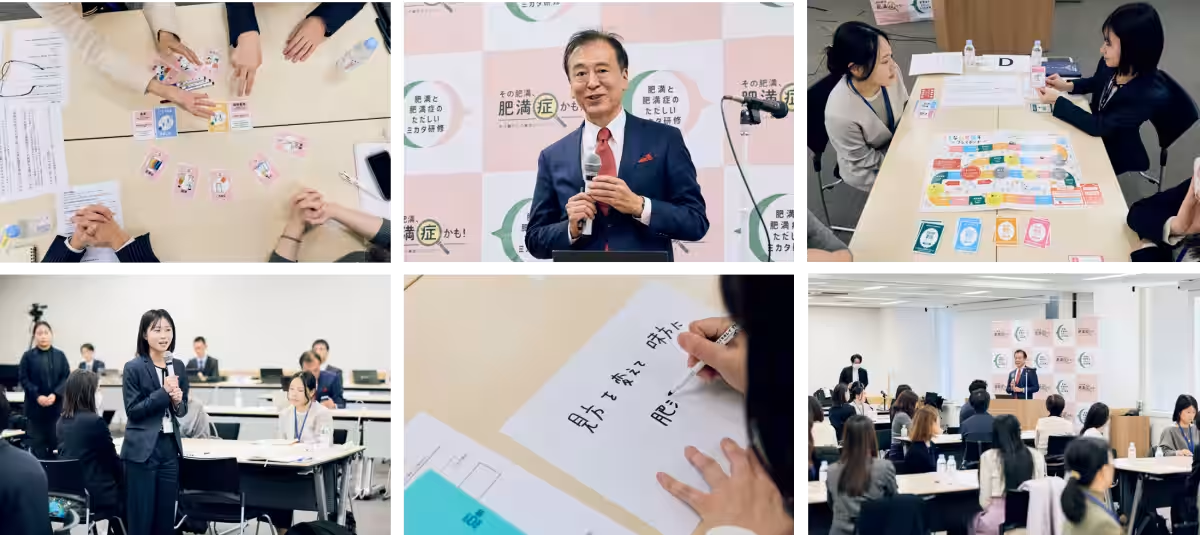
The newly developed game-based tools, the “Invisible Bias Cards” and “Invisible Factors Game,” aim to foster awareness and understanding of the subtle prejudices and influences that surround obesity. Participants engage in discussions while navigating through various scenarios that highlight common misconceptions, such as the belief that obesity is solely a result of poor self-management. These tools are carefully designed under medical supervision to encourage insightful dialogue among participants, prompting them to recognize and address the pervasive stigma surrounding obesity.
The Workshop Experience
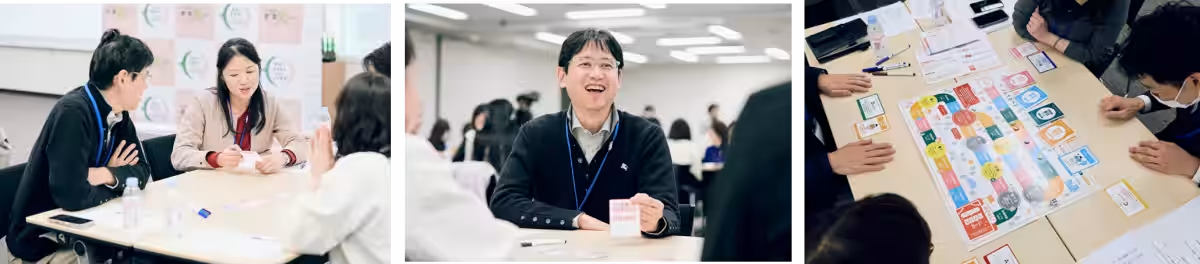
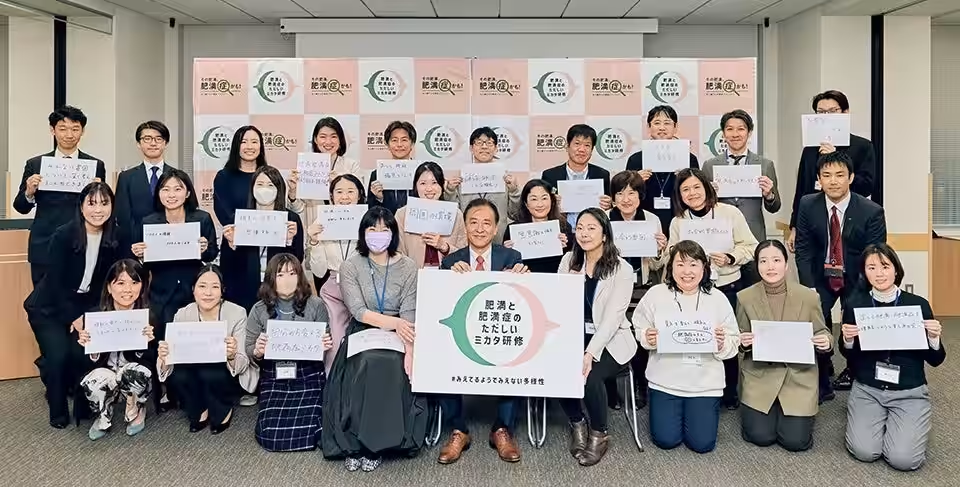
According to recent reports, the first-ever workshop titled “Understanding Obesity and Obesity Disorders” was held on December 10, attracting a diverse group of 32 participants from 11 companies committed to promoting well-being in their workplace. The workshop consisted of interactive sessions where participants could engage with the tools, fostering a friendly environment conducive to open communication and education. Participants experienced firsthand the dynamics of discussing biases while also receiving expert insights from doctors specializing in obesity disorders.
Educational Objectives
The program emphasizes that obesity is influenced by a complex interplay of genetic, psychological, and social factors, significantly beyond individual lifestyle choices. Recognizing this complexity is crucial in dispelling the stigma that often leads to misconceptions like “obesity is a failure of self-control.” Addressing these attitudes is essential for ensuring that individuals with obesity disorders receive the necessary medical treatment without feeling marginalized.
Development and Future Goals
Following the program's initial launch on World Obesity Day on March 4, 2025, Eli Lilly and Tanabe Pharma have made significant strides in facilitating workplace awareness and support for individuals confronting obesity. The recent engagement with multiple companies marks a pivotal step in extending this understanding beyond the workplace and fostering a broader societal acceptance.
The goal is to create environments where individuals with obesity and obesity disorders can thrive both personally and professionally. Both companies are committed to further expanding this initiative through future collaborations, workshops, and online resources, working towards building a healthier society.
Furthermore, the program includes a vast array of resources on its website, including video testimonials from individuals affected by obesity-related stigma and detailed guidelines for using the game-based tools in various settings. This comprehensive approach aims to spread understanding of obesity and dismantle stereotypical views regarding those living with these conditions.
Conclusion
In conclusion, the innovative workshop led by Japan Eli Lilly and Tanabe Pharma seeks to reshape how society perceives obesity and obesity disorders. By employing game-based learning tools, the initiative encourages meaningful dialogue, fostering empathy and understanding. The journey toward a healthier society acknowledges the complex nature of obesity, advocating for a supportive environment where everyone can thrive.




Topics Health)
【About Using Articles】
You can freely use the title and article content by linking to the page where the article is posted.
※ Images cannot be used.
【About Links】
Links are free to use.