



Raising Awareness About Menopause: Survey Results Show Women's Concerns and the Need for Simple Solutions
Survey Highlights on Menopause Awareness
On October 18, recognized as World Menopause Day, MEJ Company conducted a significant awareness survey targeting women over 30 regarding menopause management. The results unveiled startling insights into how many women experience anxiety over menopause, revealing a substantial gap between awareness and actionable measures.
Key Findings of the Survey:
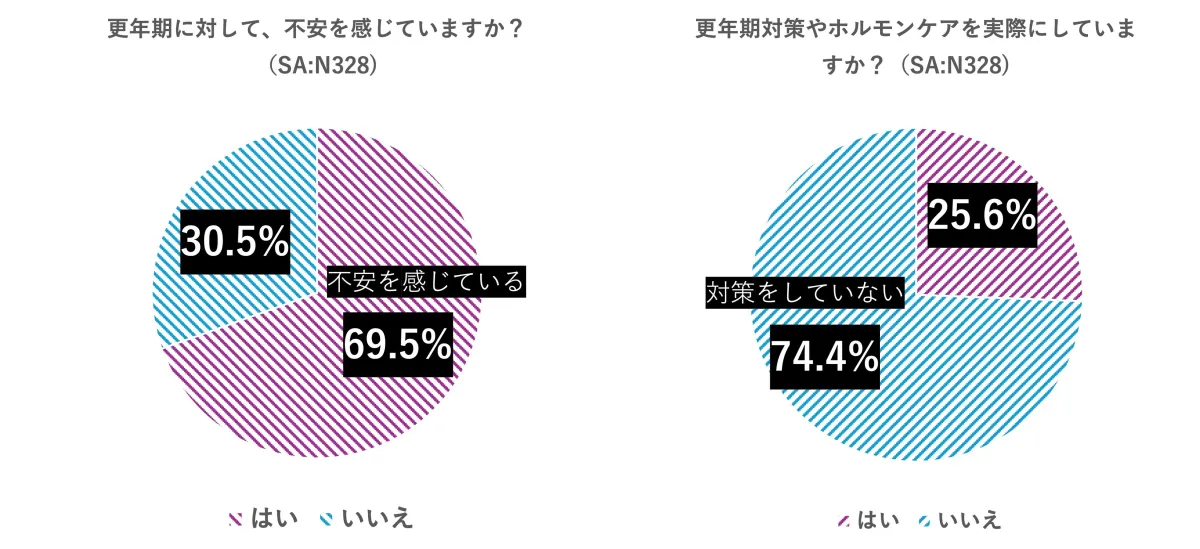
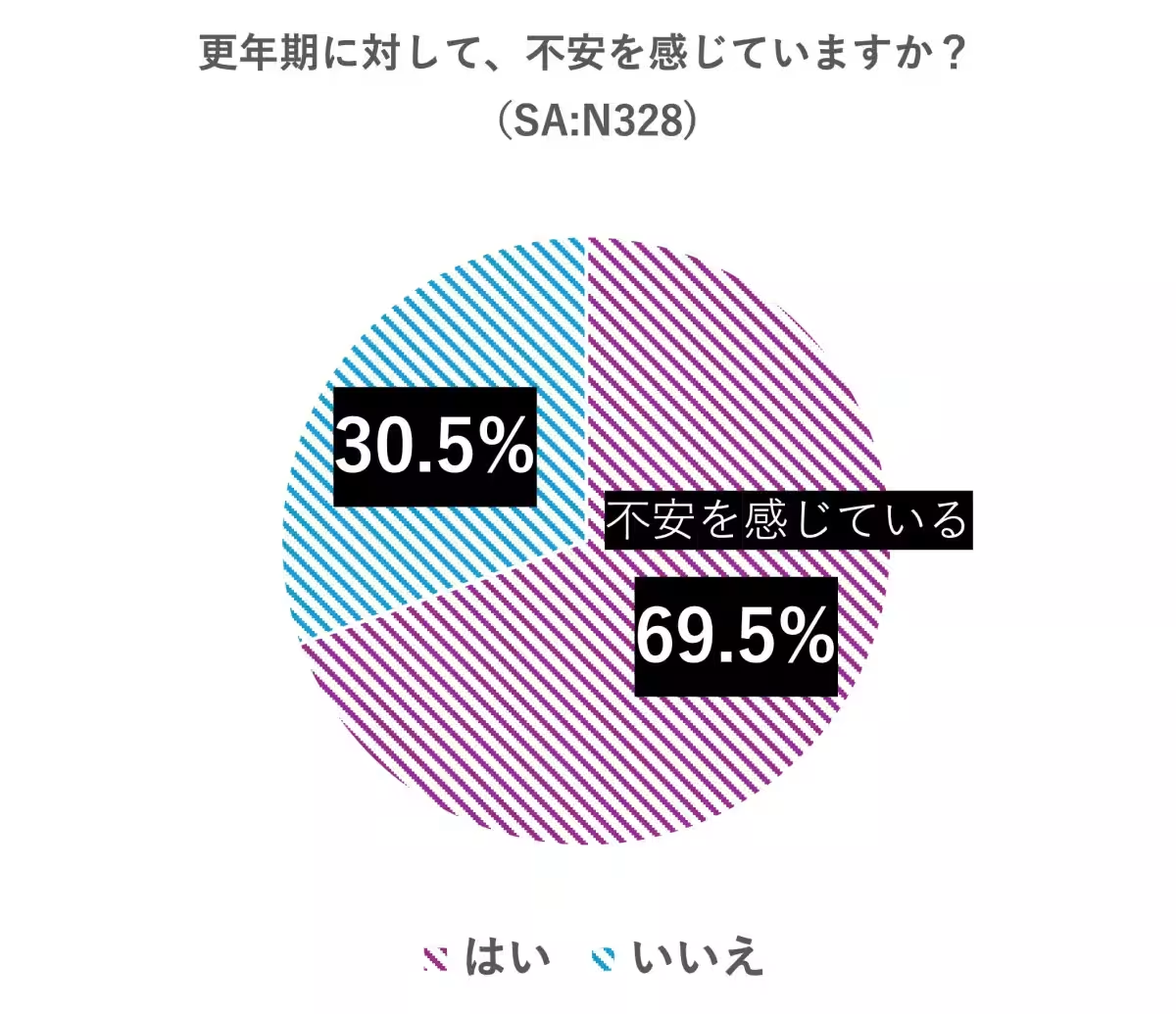
- - Approximately 69.5% of respondents expressed anxiety regarding menopause.
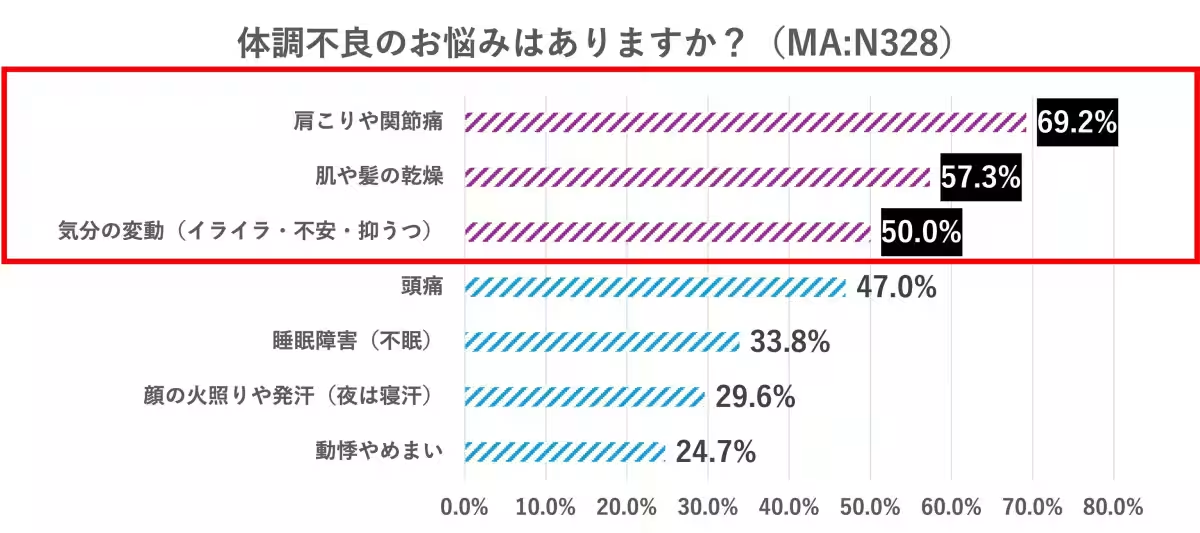
- - The top three reported discomforts include:
- Skin and Hair Dryness: 57.3%
- Mood Swings: 50.0%
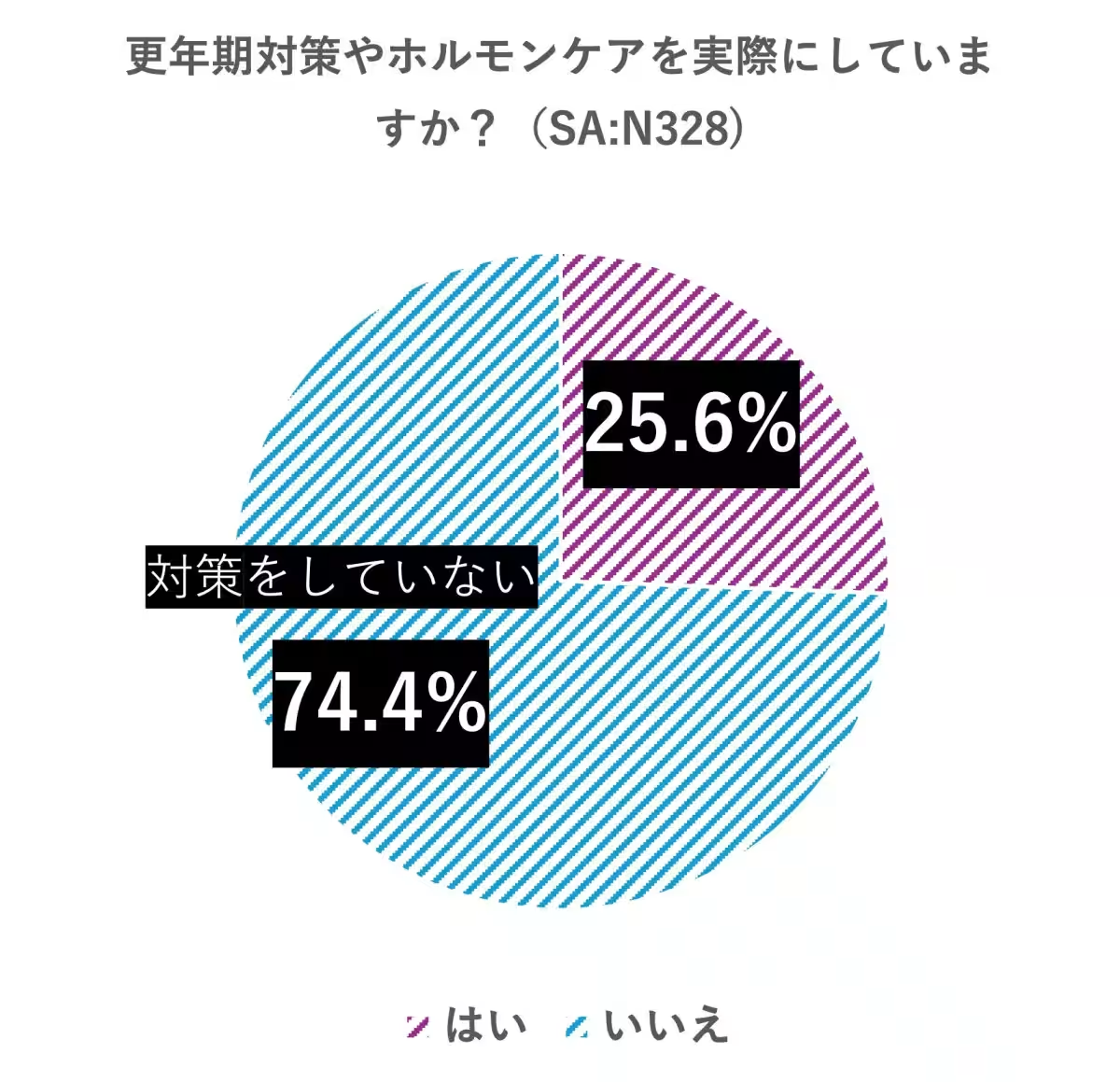
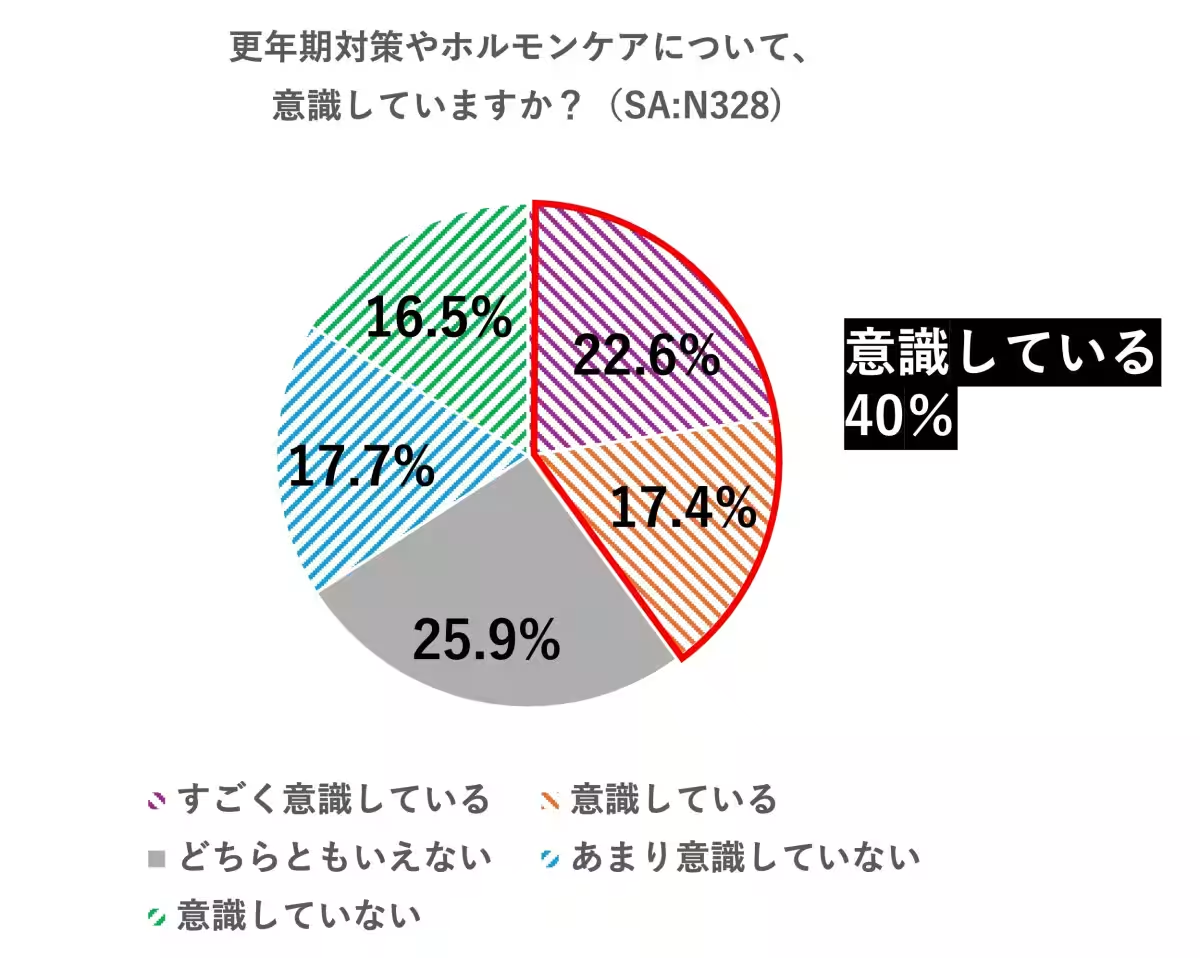
- - About 40% of women claim to be aware of menopause and hormone care, yet only 25.6% actively implement any form of menopause management.
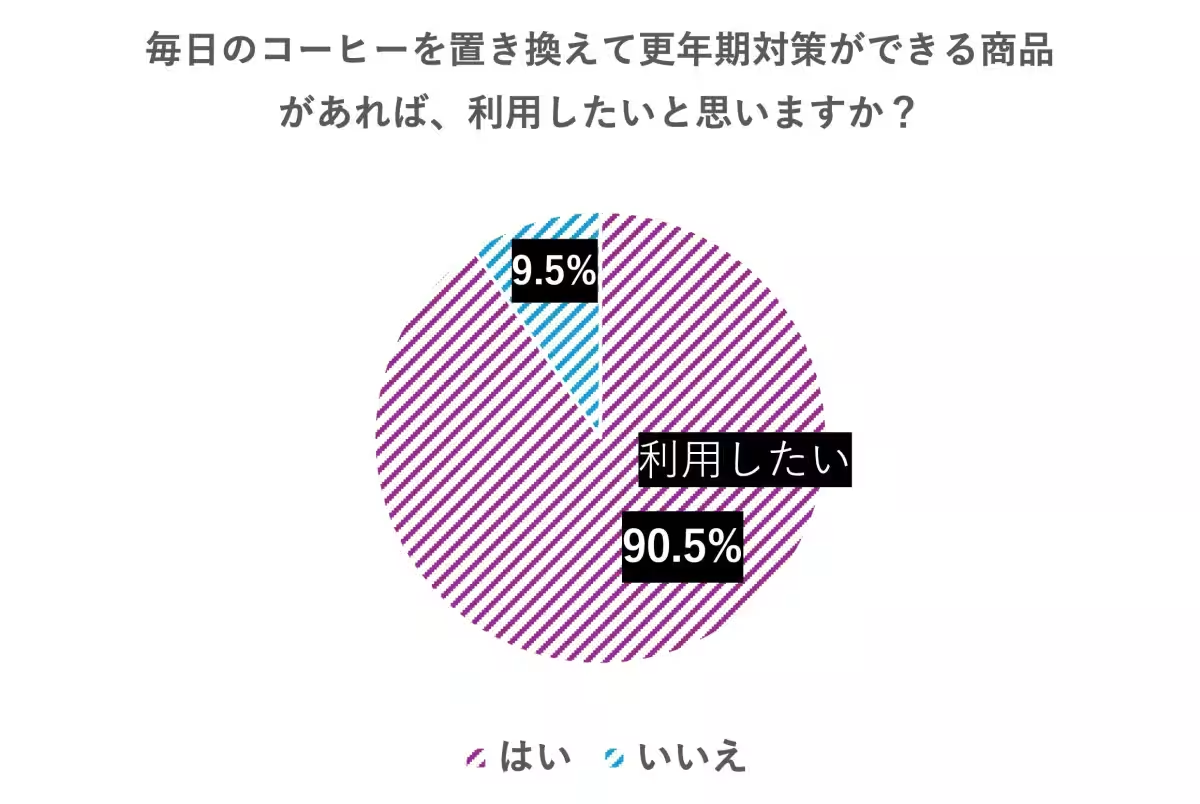
- - A striking 91.7% of participants expressed interest in alternative products that could substitute their daily coffee as a means of proactive menopause care.
Anxieties Surrounding Menopause: A Close Look at the Numbers
The survey findings highlight a form of collective anxiety among women. When asked about their feelings toward menopause, nearly 7 out of 10 women reported experiencing some level of concern. The discomforts faced by these women predominantly revolved around physical and emotional challenges, underscoring the complexity of managing menopause effectively.
The Discrepancy Between Awareness and Action
Despite a notable 40% acknowledging the importance of menopause support, the actual implementation rate lies much lower. Only about one in four respondents have taken proactive steps in managing their menopause symptoms. This raises important questions about barriers to action, including the overwhelming number of symptoms, societal expectations, and the demanding nature of daily life.
Interest in Low-effort Daily Solutions
One of the most reassuring findings from the survey indicates a strong desire for solutions that fit into existing routines without causing significant disruption. An impressive 91.7% of respondents expressed a willingness to try products that could easily replace their daily coffee, highlighting a preference for simple solutions within their everyday habits.
Bridging the Gap: From Awareness to Action
With nearly 70% of women feeling genuine anxiety about menopause but only a small fraction actively addressing it, there’s an urgent need for product and service development that resonates with women’s lifestyles. The lack of accessible resources tailored to daily living habits is a clear barrier that needs addressing.
For enhancing self-care during menopause, it is critical to not only provide education on these issues but also to innovate lifestyle-friendly products that encourage consistency and are easy to incorporate into daily routines.
Introduction of C COFFEE EQUOL & ISOFLAVONES
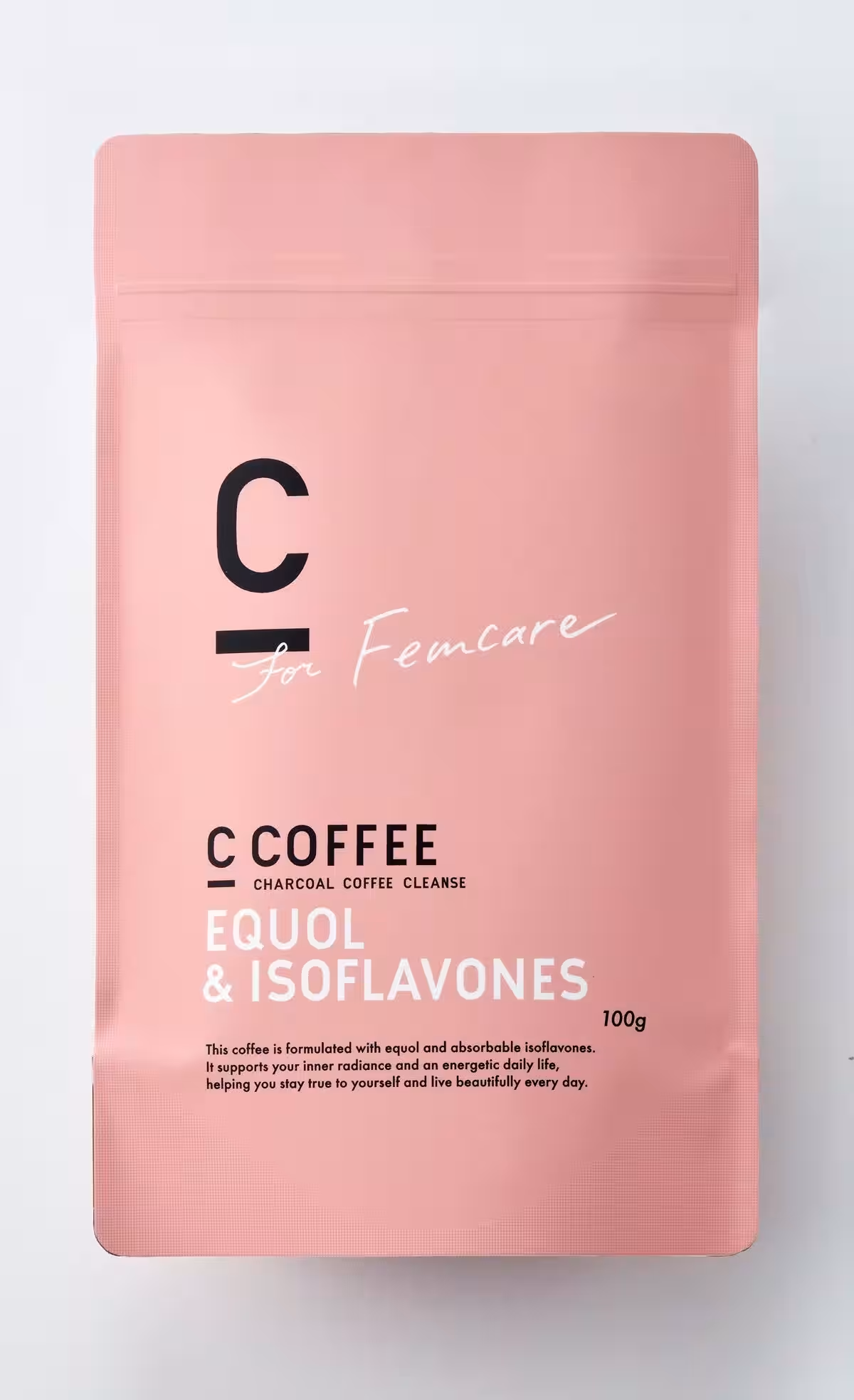
To cater to women experiencing these changes, the new product, "C COFFEE EQUOL & ISOFLAVONES," aims to support ladies in their 40s through a natural approach. This coffee variant minimizes caffeine while including beneficial ingredients such as Equol and Isoflavones to address menopause symptoms naturally.
Three Core Features:
1. Caffeine-Free Enjoyment: Specially designed for discerning women, this coffee reduces caffeine by 97%, allowing them to savor their coffee time worry-free.
2. Nutritional Support: Enriched with substances that assist in alleviating common menopause discomforts, including GABA, collagen, and amino acids, ensuring that personal wellness is within easy reach.
3. Shared Experiences: Crafted with a genuine understanding of women’s physical shifts during midlife, C COFFEE aims to be a comforting companion during every sip.
The introduction of products like C COFFEE not only meets women’s preferences for manageable menopause care solutions but also encourages broader adoption of healthy habits, ultimately aiming towards reducing the gap between knowledge and practice regarding menopause.
For further details about "C COFFEE EQUOL & ISOFLAVONES," visit the official website: C COFFEE or get in touch via the MEJ Call Center at 0120-643-901.
Conclusion
As the demographic of women experiencing menopause continues to grow, it's vital that resources and products evolve to meet their needs effectively. Combining awareness with actionable solutions could significantly enhance their quality of life during this transition period.
Topics Health)

【About Using Articles】
You can freely use the title and article content by linking to the page where the article is posted.
※ Images cannot be used.
【About Links】
Links are free to use.