



Reimagining the Future of Used Solar Panels: JICA Trainees Visit a Reuse Plant in Japan
Reimagining the Future of Used Solar Panels
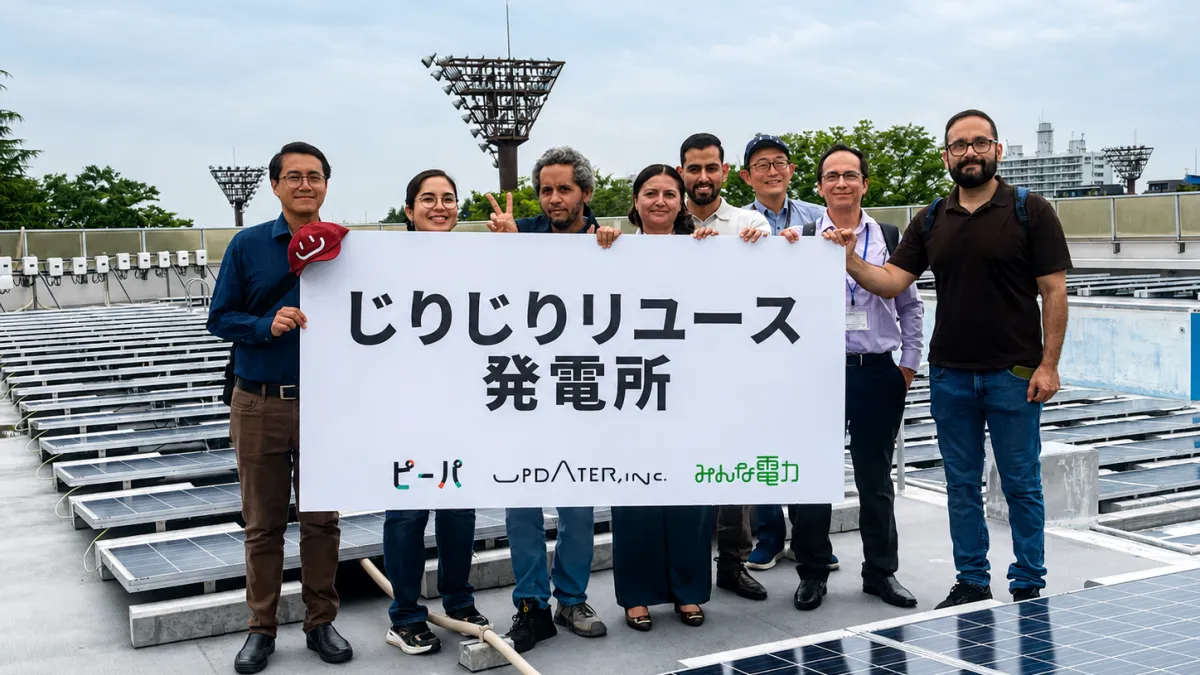
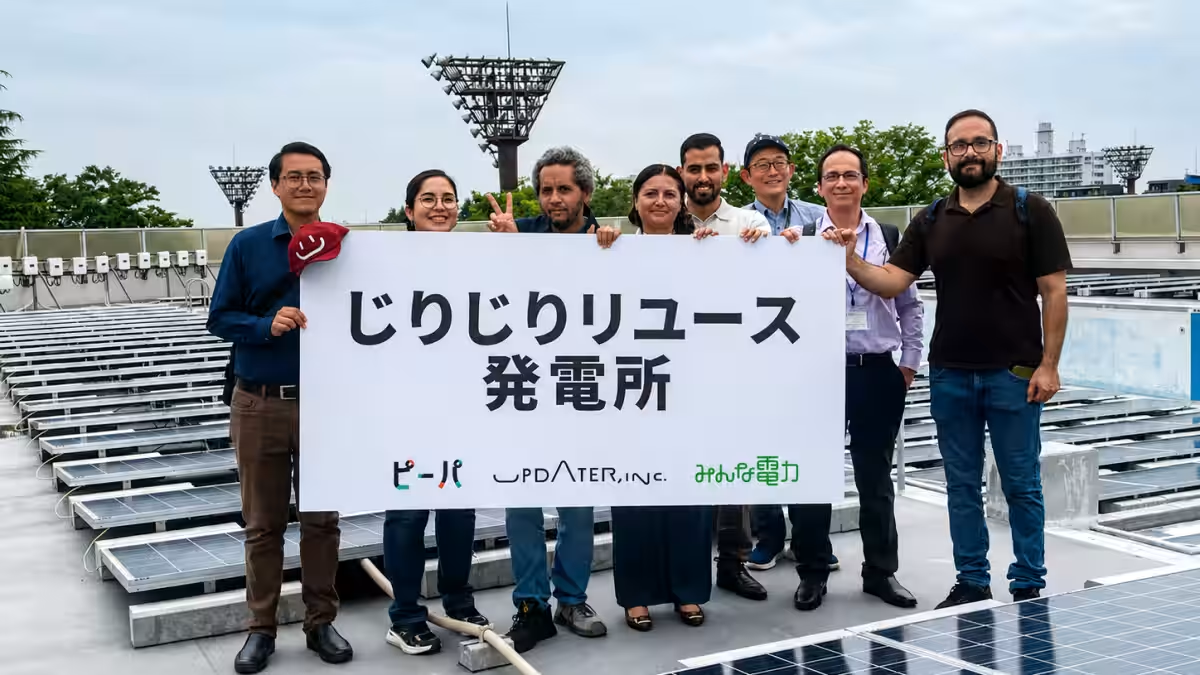
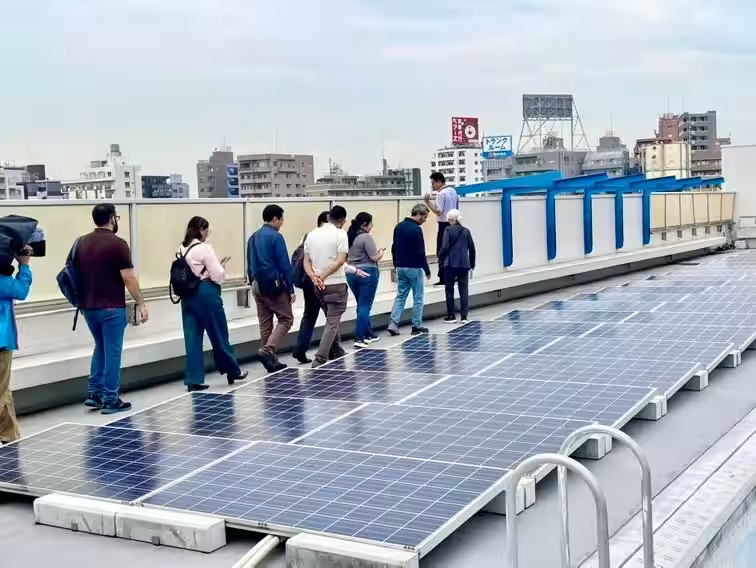
In a striking initiative that combines education, sustainability, and innovation, seven trainees from six Latin American countries recently visited the "Jirijiri Reuse Power Plant" located in Setagaya, Tokyo. This unique facility operates entirely on reused solar panels, exemplifying how old technology can meet contemporary energy challenges. The trainees, part of a training program organized by the Japan International Cooperation Agency (JICA), engaged in both practical learning and theoretical discussions, linking the reuse philosophy to the challenges they face in their respective countries.
Unfolding the Reuse Philosophy
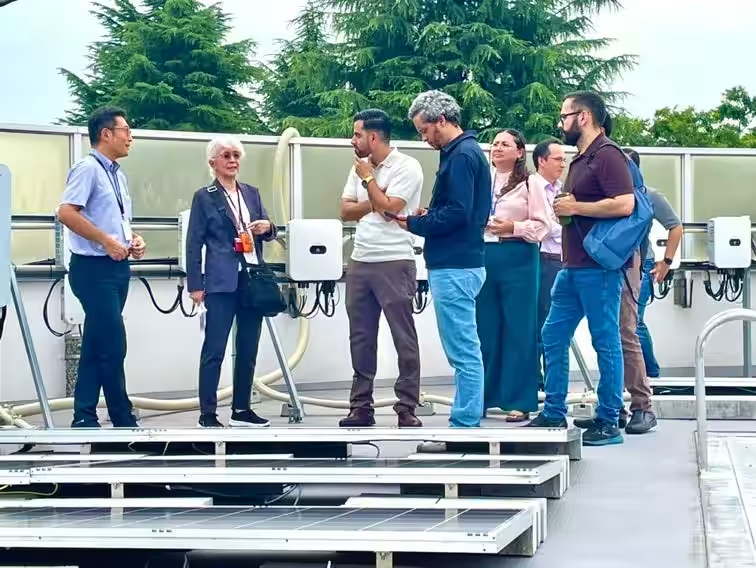
The idea of reusing discarded solar panels was brought into perspective during this insightful visit, crucially timed as countries navigate an impending crisis around the disposal of such panels. The trainees first toured the urban plant set atop a repurposed school building, where they witnessed firsthand the organized array of used solar panels being utilized for energy production. As they examined the facility, they absorbed information about its operational structure and the broader implications of solar energy reuse delivered by Yasuhiro Uemura, the Head of Power Generation Division at UPDATER.
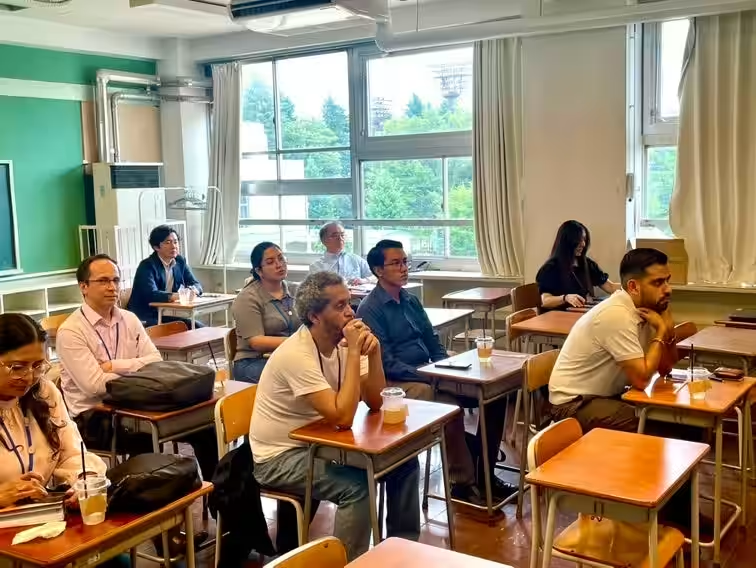
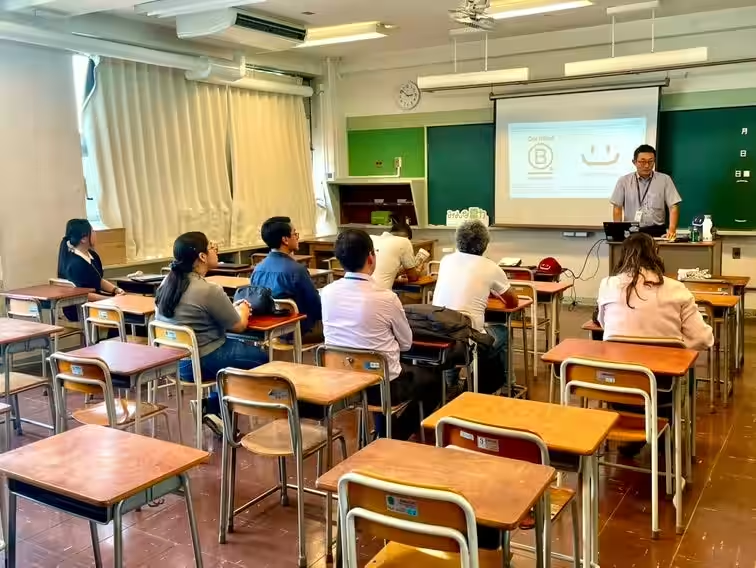
After the tour, the group transitioned to a classroom that retains the nostalgic feel of an old school, complete with blackboards and desks. Here, discussions deepened as trainees posed questions and exchanged views on various topics, particularly the pressing need for sustainable energy solutions amid changing climate conditions. The juxtaposition of a former educational space and the modern functionality of a power plant made for a thought-provoking learning environment.
Addressing Regional Energy Issues
The visit highlighted two pressing concerns: the energy landscape of Latin America and the looming crisis of abandoned solar panels. Traditionally reliant on hydropower from their numerous rivers, countries in this region are facing severe droughts due to climate change, prompting a strategic pivot towards solar and wind energy solutions.
Simultaneously, Japan finds itself grappling with an anticipated spike in solar panel waste as the country’s reliance on solar energy has surged—predicting up to 500,000 tons of waste annually by the late 2030s. This challenge emphasizes the need for robust recycling and reuse protocols, especially given the high costs associated with proper recycling versus landfill disposal.
Understanding these intertwined issues, trainees acknowledged that implementing similar reuse frameworks in their homeland could pave the way for responsible and sustainable energy transitions.
Learning from Experience
Through engaging discussions, the trainees expressed admiration for Japan's innovative rethink of waste. Comments reflected their eagerness to apply these learned values in their own countries, focusing on resource conservation and community energy production. Specific interest was shown in the operational aspects of the reuse model, particularly how it fosters local energy economies and fosters partnerships within communities.
An insightful exchange of thoughts led to key takeaways about how revitalizing abandoned sites and incorporating used solar panels might not only solve energy challenges but also address local economic issues through job creation and community involvement. As they pondered implementation in their respective nations, the trainees recognized the potential for such solutions in urban planning and sustainable development initiatives.
The Path Ahead
Looking into the future, the concept of the Jirijiri Reuse Power Plant serves as a potential template for upcoming urban renewable energy projects. With 26% of Japan’s abandoned schools standing idle—a figure expected to grow—this model could inspire municipalities, property developers, and facility owners to rethink unused spaces as viable sites for renewable power generation.
Additionally, the plant's electricity is offered through "Minna denryoku" (Everyone’s Power), incorporating principles of transparency and traceability to consumers. This initiative emphasizes direct sourcing from over 1,100 renewable power providers, fostering a community-centered energy supply model.
Importantly, the challenge of linking the reuse of solar panels to effective recycling remains pivotal. Collaborations are underway with leading Japanese companies skilled in recycling to develop an encompassing strategy that could extend beyond domestic borders, including international projects that advocate for similar innovations.
In conclusion, the collaboration showcased through the Jirijiri Reuse Power Plant illustrates an effective method to address significant environmental issues by repurposing resources creatively. The lessons learned during the JICA trainees' visit hold the promise of inspiring future energy solutions not only in Japan but across the globe. As we continue to face climate challenges, initiatives like this present a pathway toward a more sustainable and responsible energy future.
Topics Energy)
【About Using Articles】
You can freely use the title and article content by linking to the page where the article is posted.
※ Images cannot be used.
【About Links】
Links are free to use.