



Understanding Sun Allergy: Key Facts and Survey Insights for Better Management
Exploring Sun Allergies: Misunderstandings and Diagnosis
As summer approaches, an increasing number of people experience skin reactions such as itching or hives when exposed to sunlight. However, a recent survey conducted by ICU Clinic has highlighted a concerning level of misunderstanding regarding sunlight-induced ailments, especially differentiating between sunburn and sun allergies (solar urticaria). This article delves into the survey findings, clarifies misconceptions, and emphasizes the importance of recognizing and accurately diagnosing sun allergies.
Key Findings of the Survey
Conducted from June 1 to June 10, the survey included 300 participants aged between 20 and 60, all having experienced skin symptoms after sun exposure within the past three years. Here are some of the notable outcomes:
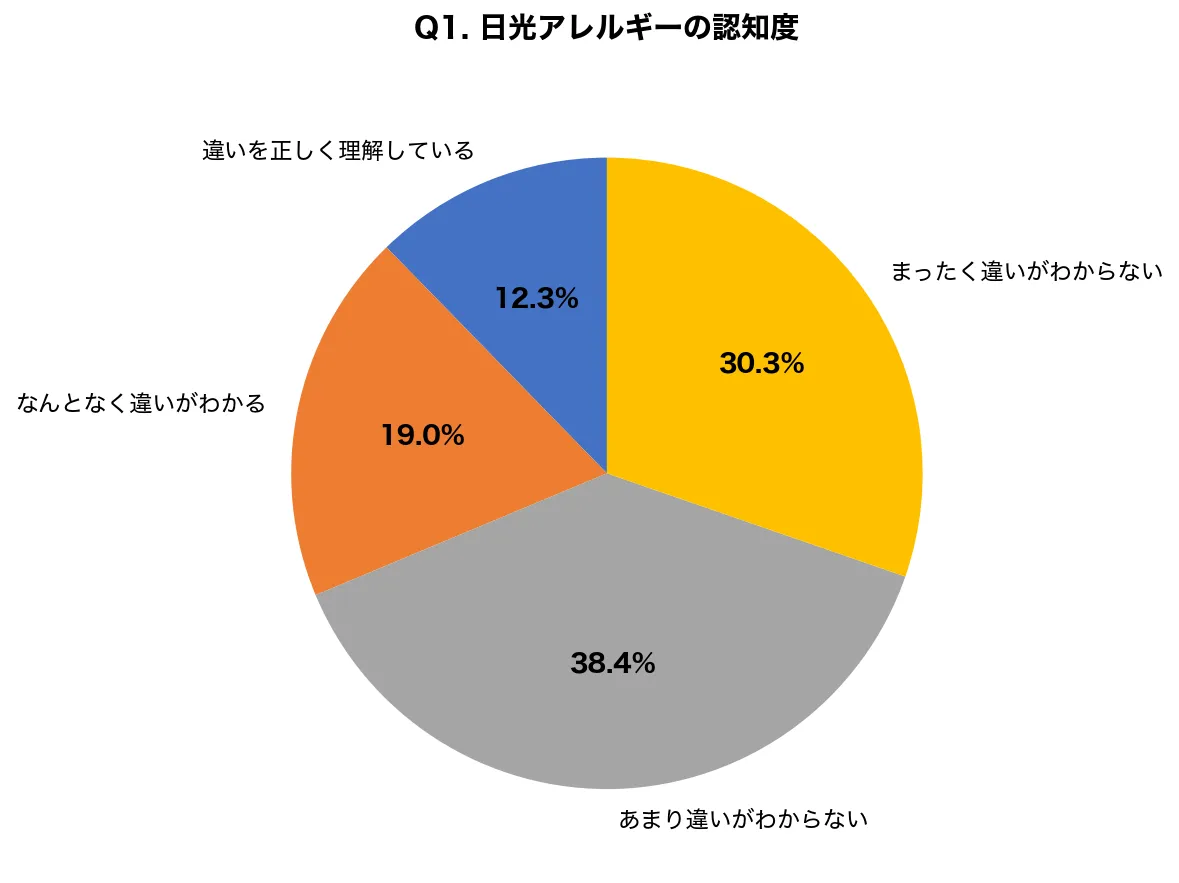
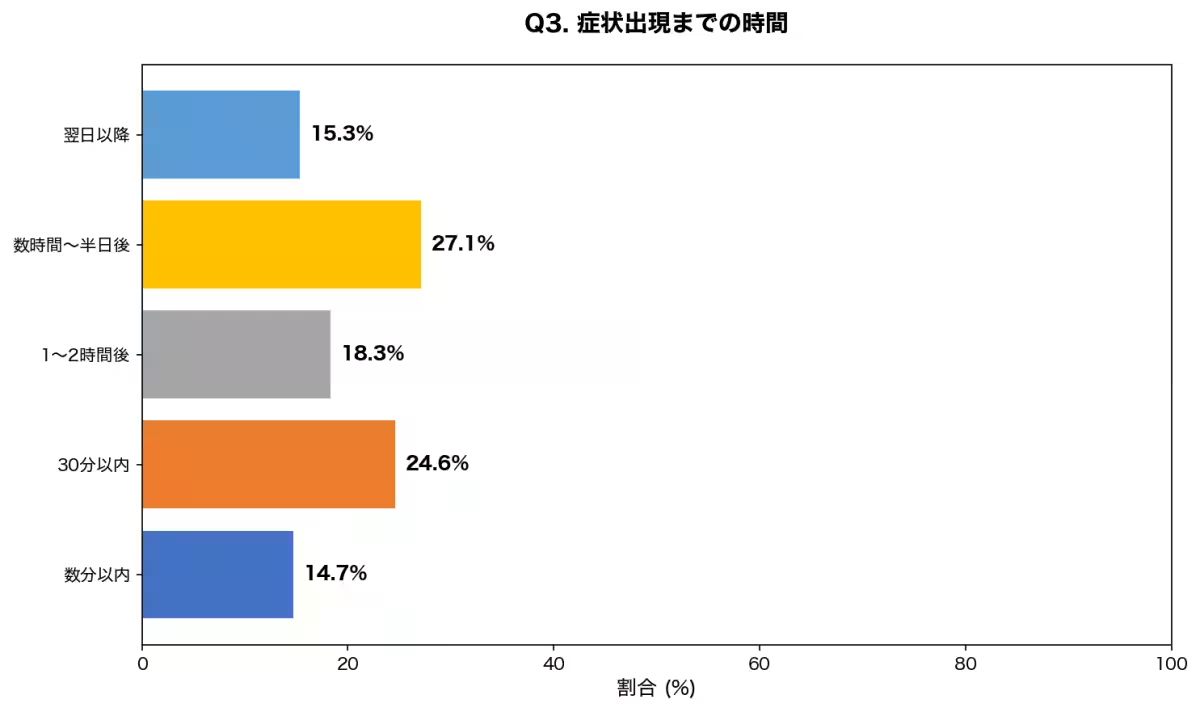
- - Misunderstanding of Symptoms: A staggering 68.7% of respondents admitted they couldn't differentiate between sunburn and sun allergies. While sunburn symptoms appear several hours post-exposure, solar urticaria can manifest as hives just minutes after sunlight contact, vanishing within 1 to 2 hours once shaded.
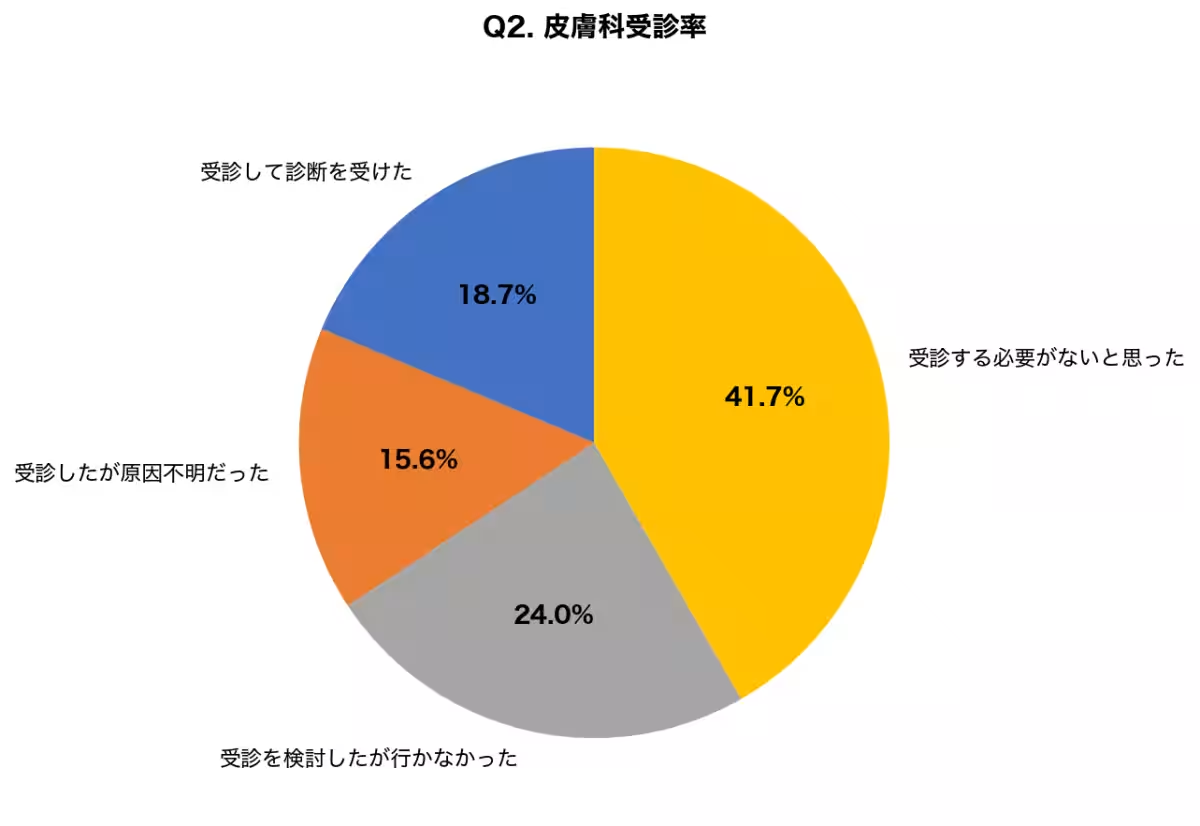
- - Underutilization of Dermatology Services: Only 34.3% of those experiencing symptoms consulted a dermatologist. The majority, around 65.7%, refrained from seeking professional help, primarily due to a belief that treatment wasn’t necessary. This suggests a critical need for heightened awareness about the treatability of sun allergies.
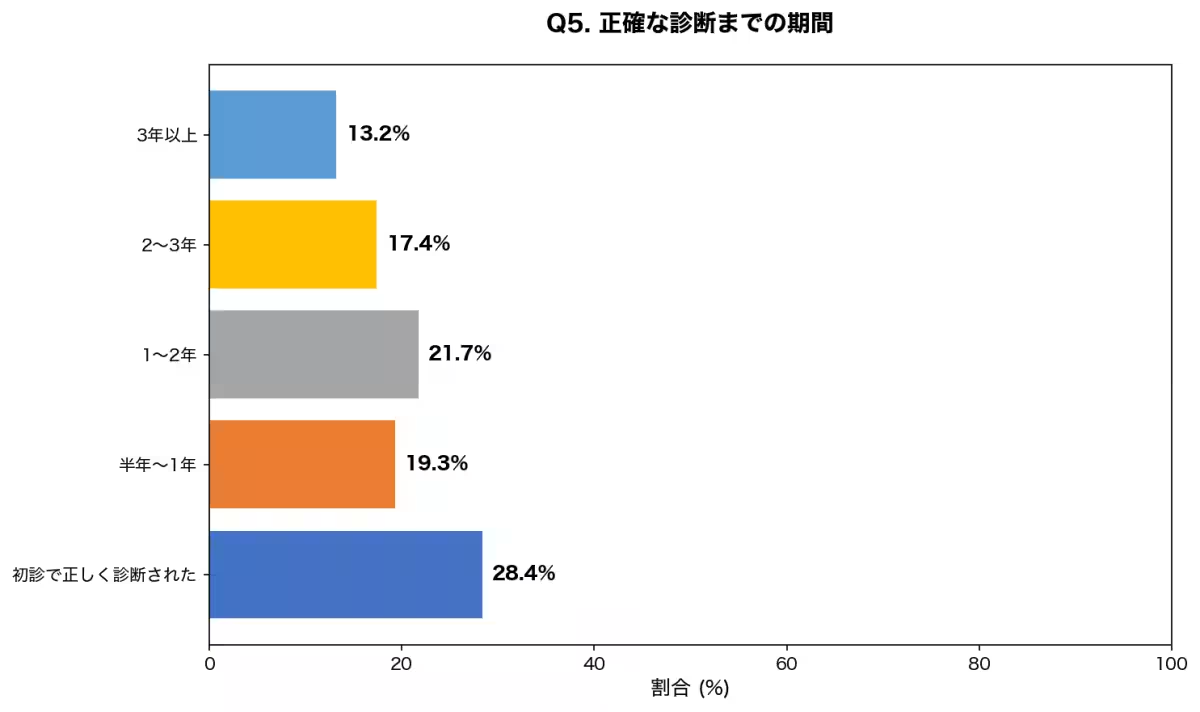
- - Lengthy Diagnostic Process: On average, participants took 2.3 years to receive a confirmed diagnosis of sun allergies, with 41.2% initially misdiagnosed with different conditions. Prompt and accurate diagnosis is crucial for effective management and treatment.
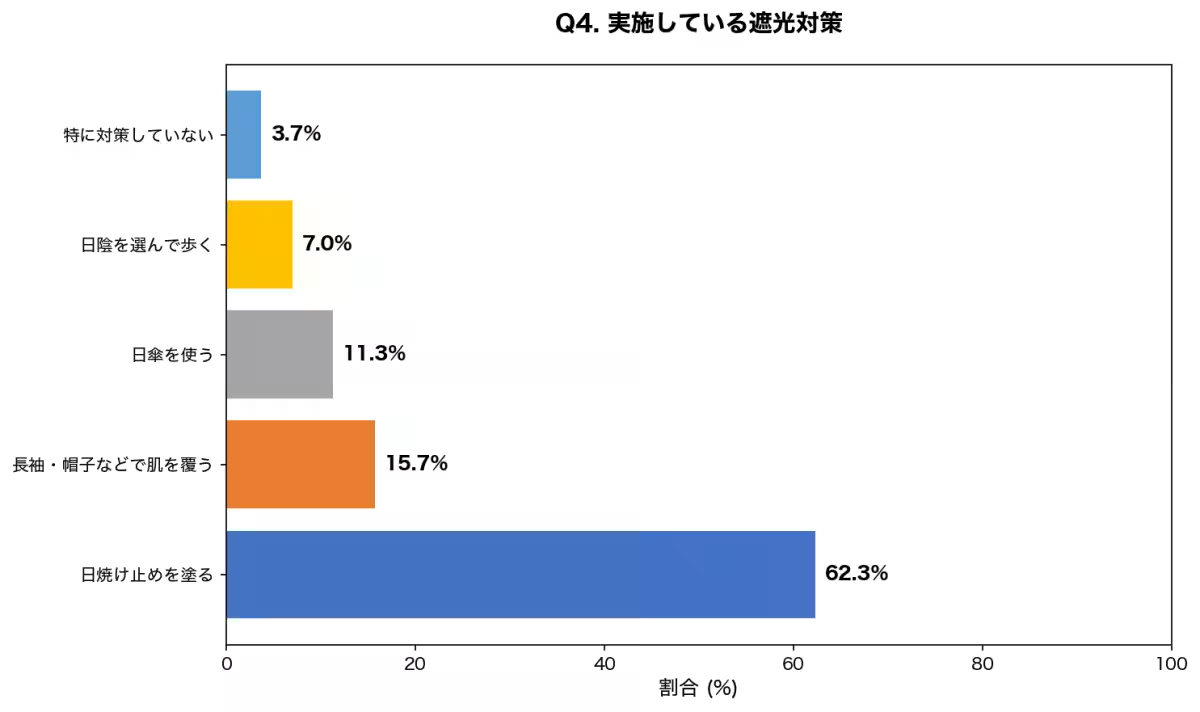
- - Protective Measures: When questioned about preventive measures against skin reactions caused by sunlight, 62.3% relied primarily on sunscreen, while only 15.7% prioritized protective clothing. This indicates a gap in knowledge about effective sun protection strategies.
Understanding Solar Urticaria and Polymorphic Light Eruption
Two main conditions often confused with sunburn are solar urticaria and polymorphic light eruption, each presenting different symptoms, onset times, and necessary treatments.
- - Solar Urticaria: This immediate hypersensitivity reaction occurs within minutes of sunlight exposure and can lead to hives and intense itching. Symptoms typically resolve quickly once shade is found, making the distinction from sunburn vital to ensure timely treatment. The primary course of action involves antihistamines and stringent avoidance of sunlight.
- - Polymorphic Light Eruption: This delayed allergic reaction can surface several hours to days post-exposure, presenting as rashes, bumps, or blisters. Healing can take days, necessitating different preventive measures, often including topical steroids and sun protection.
Medical Advice from Experts
Dr. Kota Takakuwa from ICU Clinic emphasizes that these conditions could significantly improve quality of life with appropriate intervention. He advises that anyone who consistently experiences skin symptoms after sun exposure should consider consultation with a dermatologist, rather than relying on over-the-counter solutions.
Conclusion
The ICU Clinic survey sheds light on the critical misunderstandings of sun allergy and stresses the importance of increased awareness. Proper education about the differences between sunburn and sun allergies, as well as the importance of seeking dermatologist consultation, can lead to improved management and treatment of these conditions. With the right knowledge and approach, patients can effectively control their symptoms and continue to enjoy the outdoors safely.
For those suspecting they may have a sun allergy, it’s advisable to look for these symptoms:
- - Development of hives within 30 minutes of sun exposure.
- - Recurrent rashes limited to exposed skin.
- - Symptoms resolving quickly upon entering the shade.
- - Increased severity of symptoms during spring to summer.
Preventive Strategies
Recommended protective measures for individuals with suspected sun allergies include using a broad-spectrum sunscreen (SPF 50+), wearing UV-protective clothing, and utilizing hats and umbrellas when outdoors. Particular attention should be paid to ensuring that these protective measures incorporate visible light protection.
The survey elucidates a clear pathway toward better awareness and management of sun allergies and the imperative of seeking medical guidance for those affected.
Topics Health)
【About Using Articles】
You can freely use the title and article content by linking to the page where the article is posted.
※ Images cannot be used.
【About Links】
Links are free to use.