



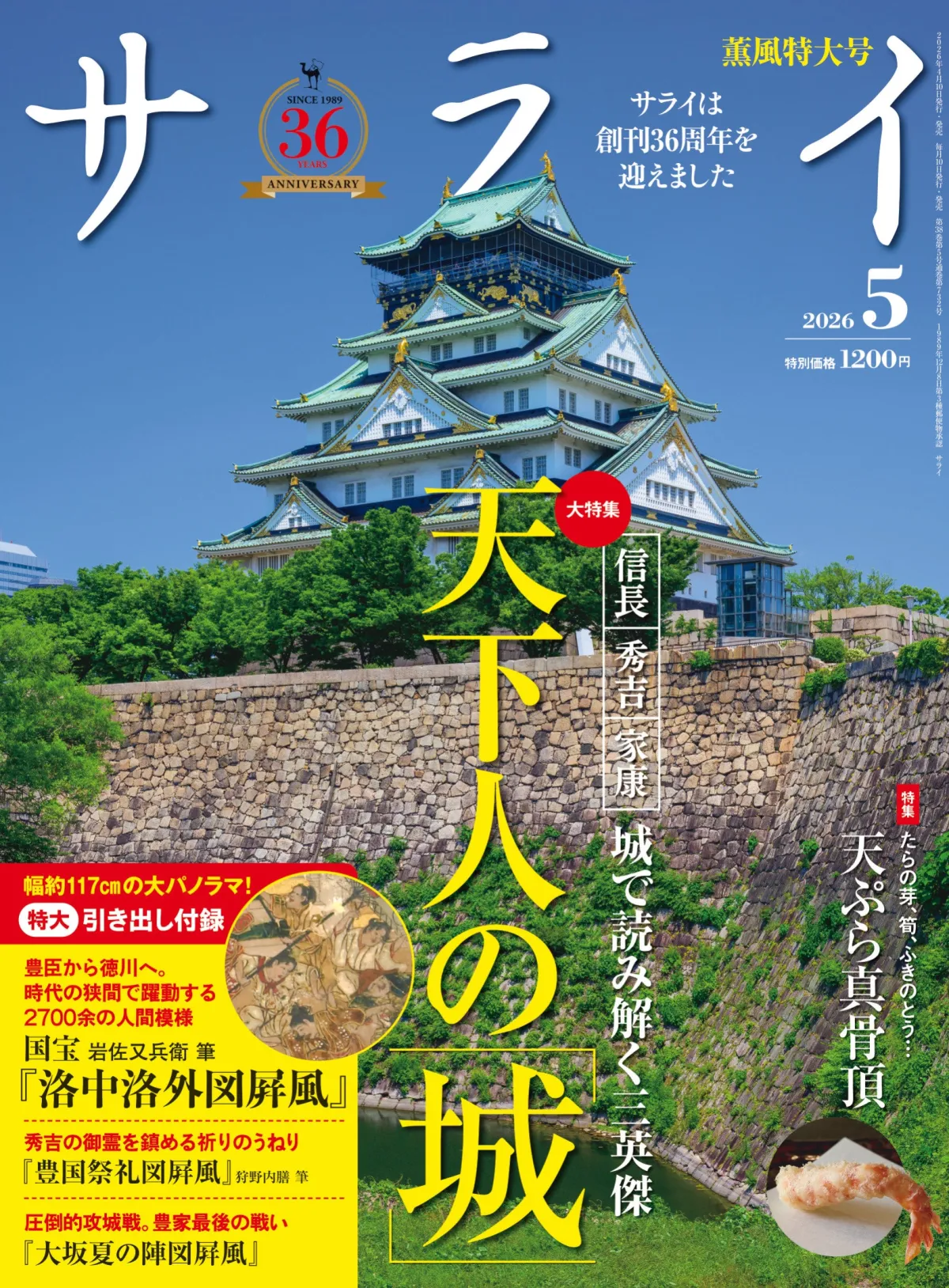
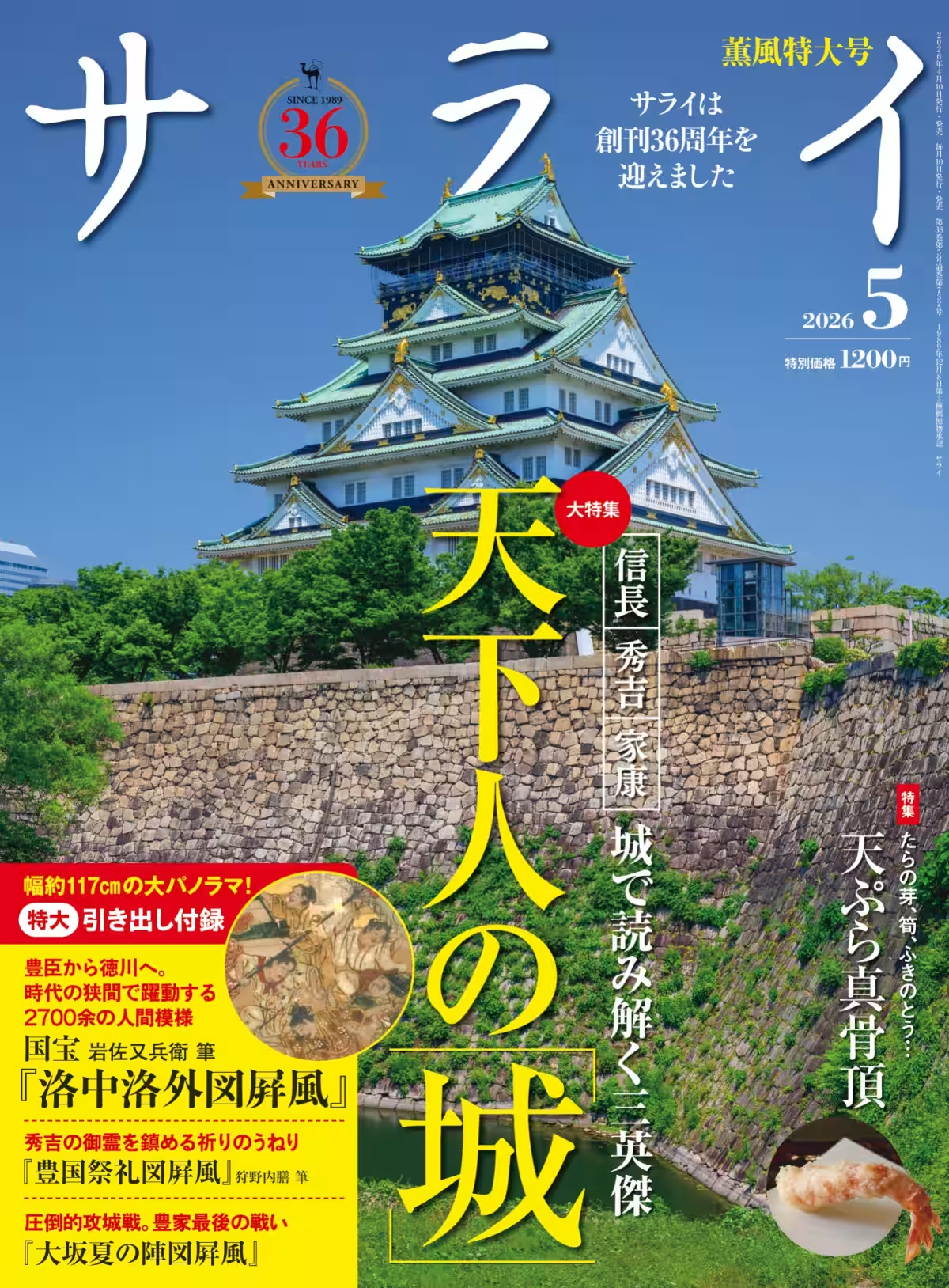
Exploring Japan's Legendary Castles of Nobunaga, Hideyoshi, and Ieyasu in Sarai Magazine
Exploring the Notable Castles of Japan's Three Unifiers
The latest edition of Sarai magazine features an expansive focus on Japan's legendary feudal lords—Oda Nobunaga, Toyotomi Hideyoshi, and Tokugawa Ieyasu—through the lens of their historical castles. This special issue not only highlights the architectural grandeur of these fortresses but also delves into the essence of warfare and governance during the tumultuous Sengoku period.
A Rich Historical Narrative
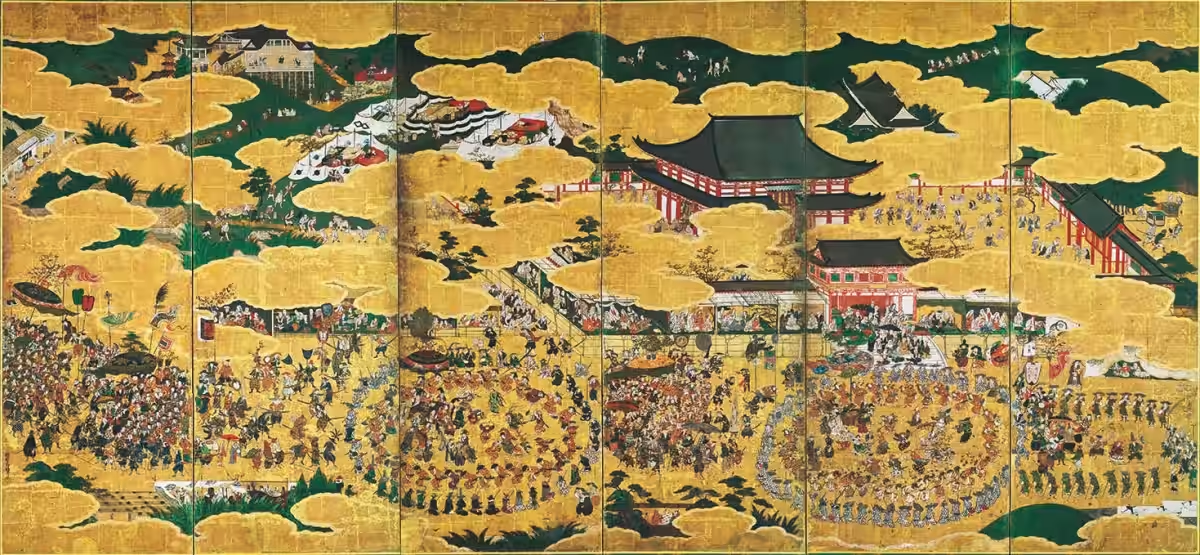
The issue, marking the 36th anniversary of Sarai, is adorned with a remarkable selection of historical artifacts. Three scrolls, including the National Treasure Funaki Hon Raku-chu Raku-gai Zu Byobu and two Important Cultural Properties, provide an immersive panorama measuring up to 117 cm in width that vividly encapsulates the rich atmosphere of the era in which these three lords lived. Each artwork is meticulously analyzed in the magazine, shedding light on their intricate details and significance.
Understanding The Castles
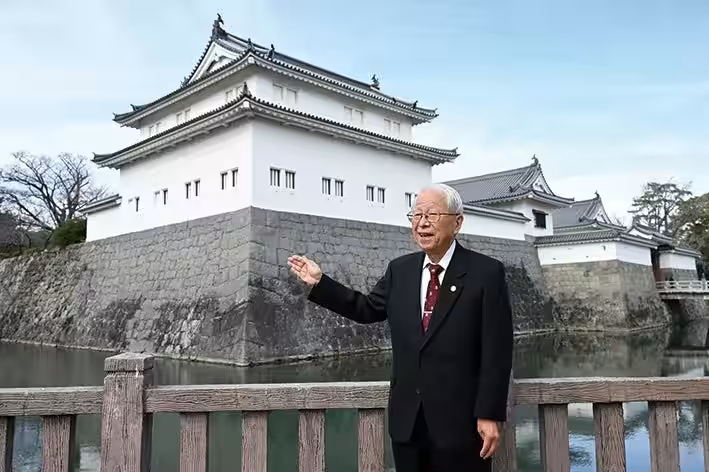
The feature article titled “Through the Castles of Nobunaga, Hideyoshi, and Ieyasu” is a comprehensive exploration into the unique characteristics of the castles that symbolize their owners. Esteemed historians, including Dr. Tetsuo Kōda, an authority in Sengoku period studies, alongside other renowned scholars, dissect how each castle reflects the strategies and philosophies of its builder.
Oda Nobunaga's Innovative Approach
Nobunaga, known for his military prowess and cunning strategy, furnished his castles not just as fortresses but as statements of power. His innovative use of stone walls at locations like Komaki Castle in Aichi and the commanding Gifu Castle exemplified his vision of advancing warfare tactics. Azuchi Castle, crowned with gold leaf tiles, stood as a symbol of his ambition to conquer without bloodshed, detailed extensively within the magazine.
Toyotomi Hideyoshi's Grandeur
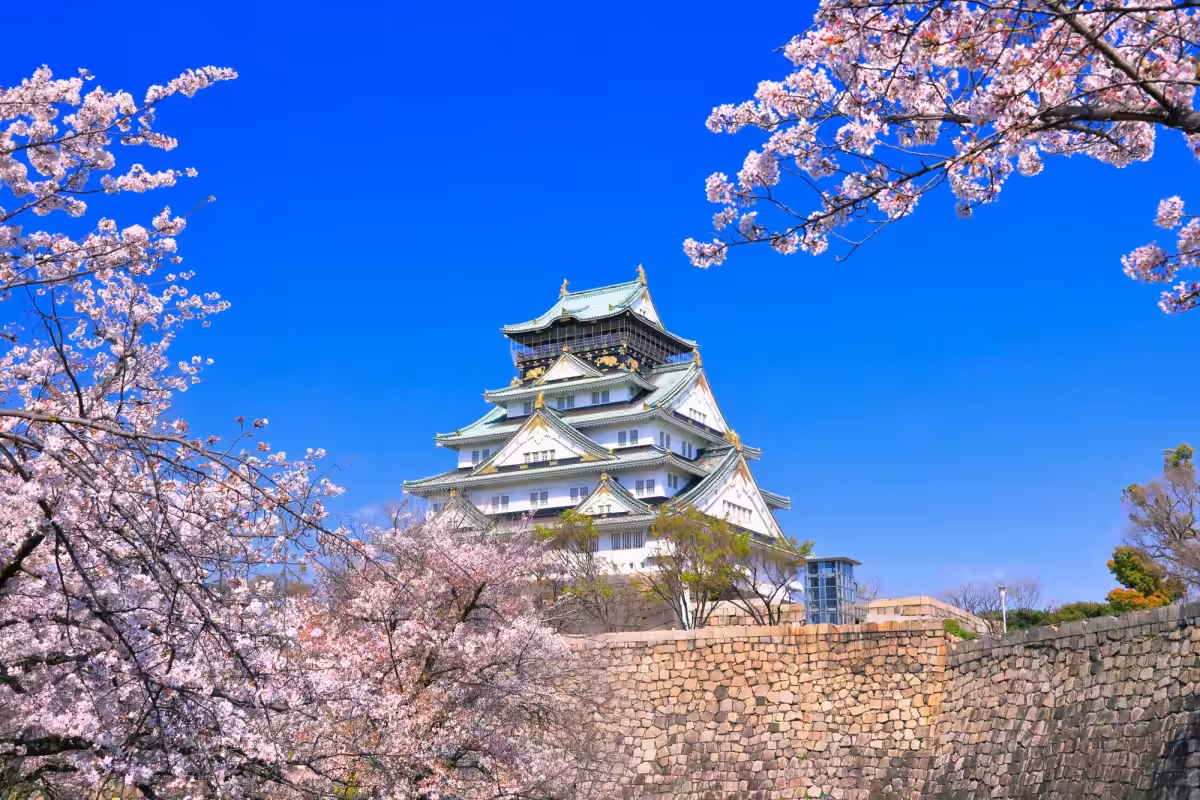
In contrast, Hideyoshi's constructions reflected magnificence and power. Osaka Castle, strategically placed for optimal influence, embodies the wealth and authority he exerted over Japan. The magazine discusses other significant castles, such as Nagawa Castle and Yamazaki Castle, which he built to showcase his rise from a servant to a unifier of Japan, emphasizing the domestic policies and economic strategies he implemented.
Tokugawa Ieyasu's Strategic Defense
Ieyasu's era was marked by the establishment of peace and stability, and his castles were built with foresight and strategic placement. The magazine illustrates the characteristics of Okazaki Castle, his birthplace, to Edo Castle, which became the political center of Japan. Each structure is examined for its defensive features and Ieyasu's philosophy of preparedness for any potential conflict.
Culinary Highlights and Interviews
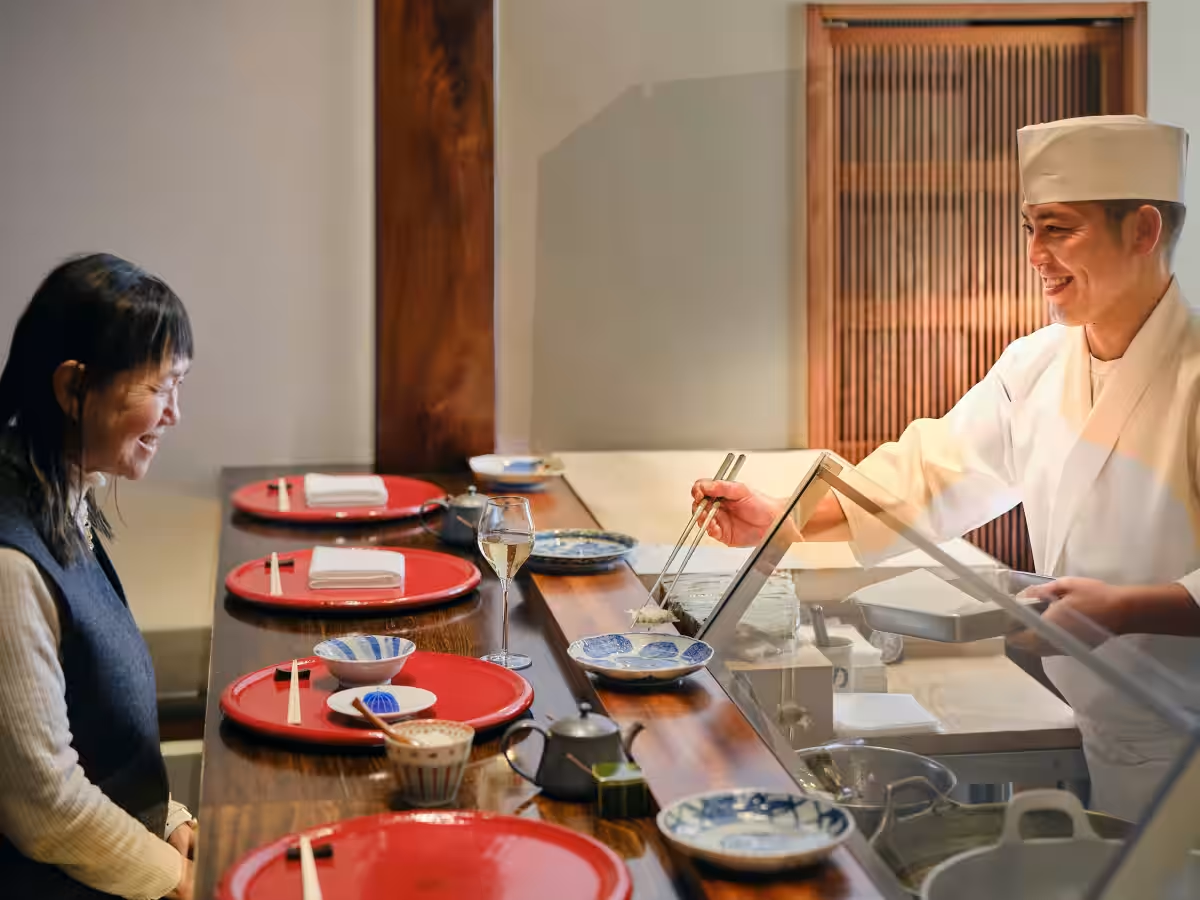
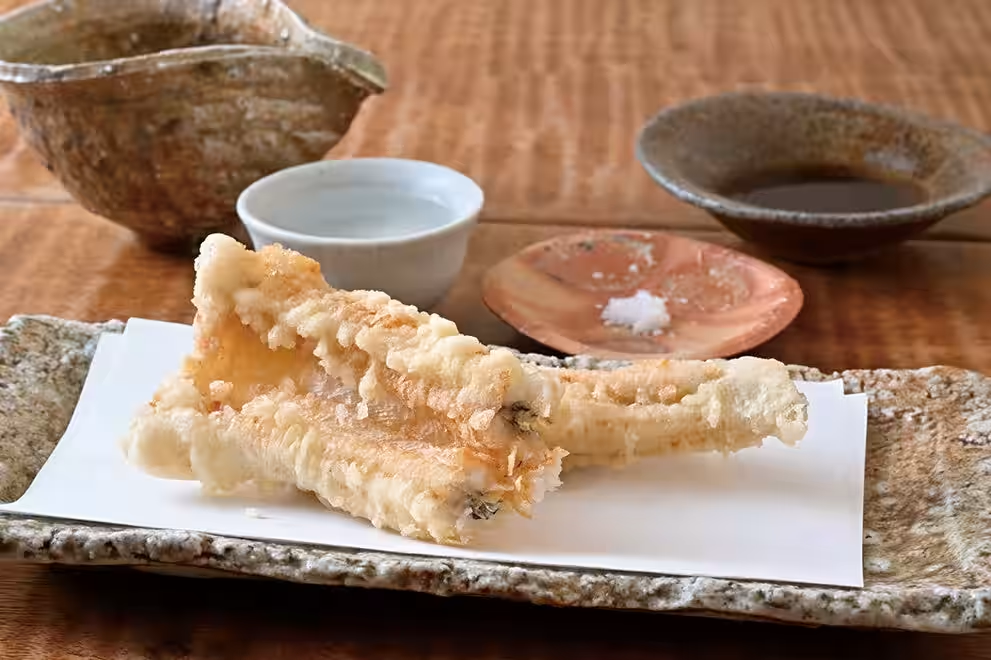
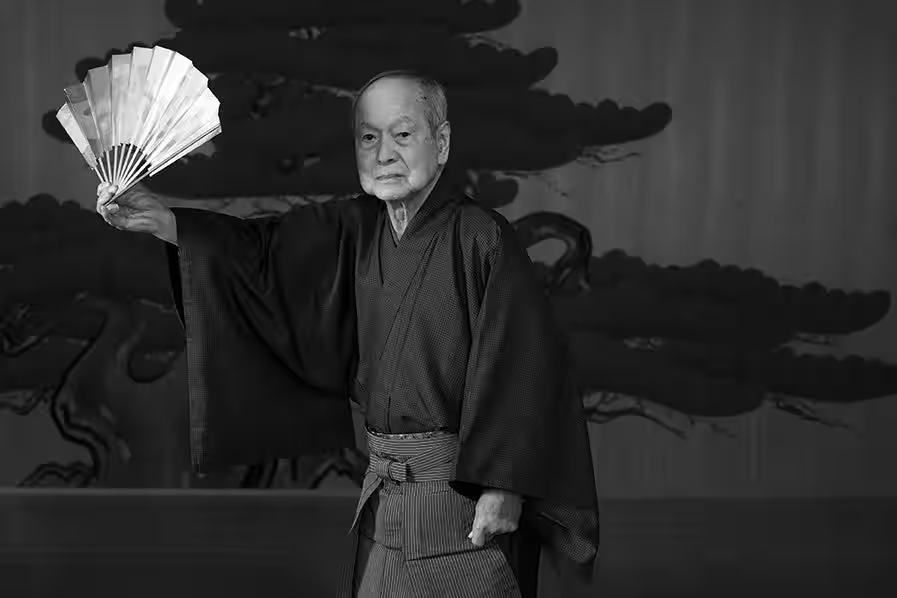
Additionally, Sarai introduces a special segment on modern tempura, highlighting innovative culinary trends that blend tradition with creativity, featuring interviews with renowned chefs pushing the boundaries of this beloved Japanese dish. The magazine also includes an interview with the revered kyogen artist Mansaku Nomura, who shares insights on the art and its relevancy in contemporary culture.
In conclusion, the Sarai May 2026 issue serves as a bastion of historical insight, art appreciation, and cultural dialogue, inviting readers to not only engage with the past but to also savor the evolving culinary landscape of Japan.
Topics People & Culture)
【About Using Articles】
You can freely use the title and article content by linking to the page where the article is posted.
※ Images cannot be used.
【About Links】
Links are free to use.