




Insights from the 2025 New Graduate Veterinarian Employment Survey: Satisfaction Levels and Career Intentions
Insights from the 2025 New Graduate Veterinarian Employment Survey
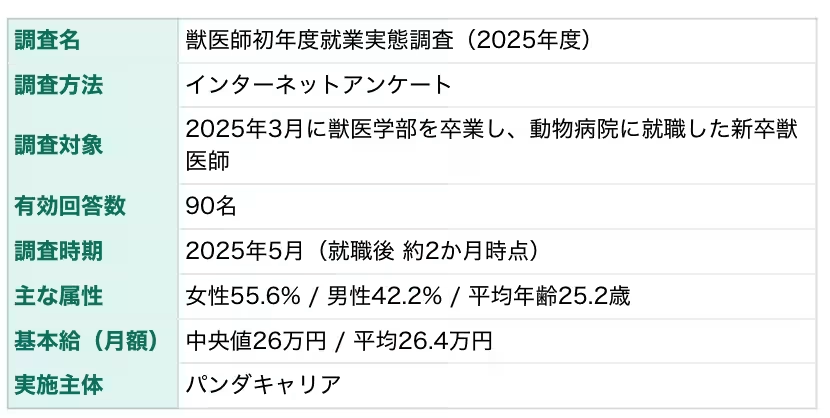
In March 2025, a comprehensive survey was conducted by A'alda Y Co., Ltd., a subsidiary of A'alda Japan, targeting 90 newly graduated veterinarians who entered the workforce at animal hospitals. This initiative aimed to shed light on the job search methods, workplace preferences, and the genuine feelings of new graduates shortly after starting their careers.
Overall Satisfaction Scores
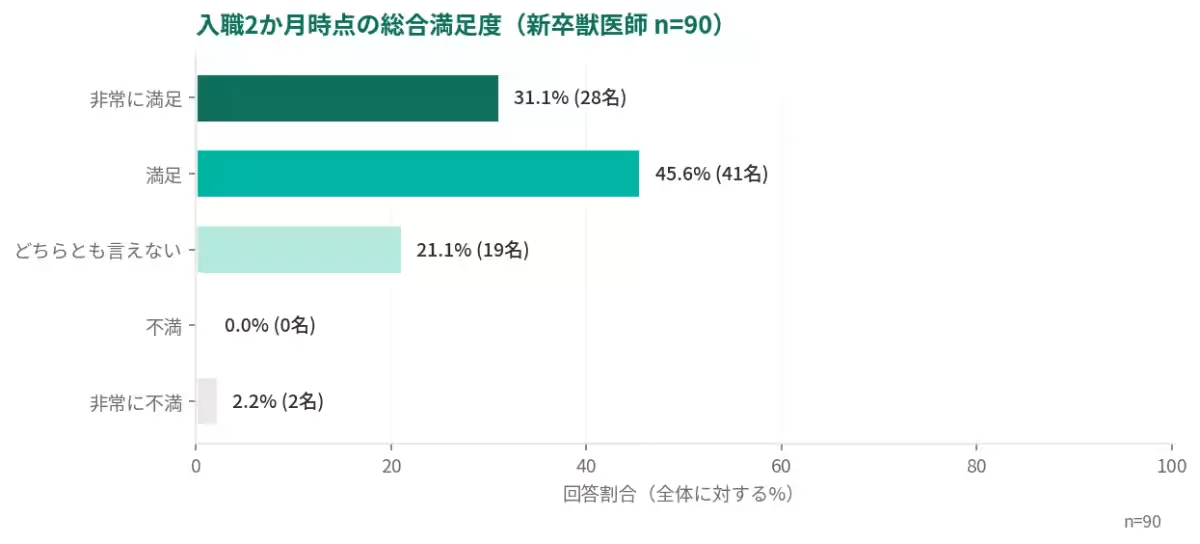
At the two-month mark post-employment, a striking 76.7% of respondents expressed satisfaction with their current roles, indicating that many were content with their decisions. Notably, 86.7% concluded their job search because they found suitable positions that met their expectations, suggesting that new graduates are willing to hold out for the right opportunities rather than settling for less.
Key Factors in Job Selection
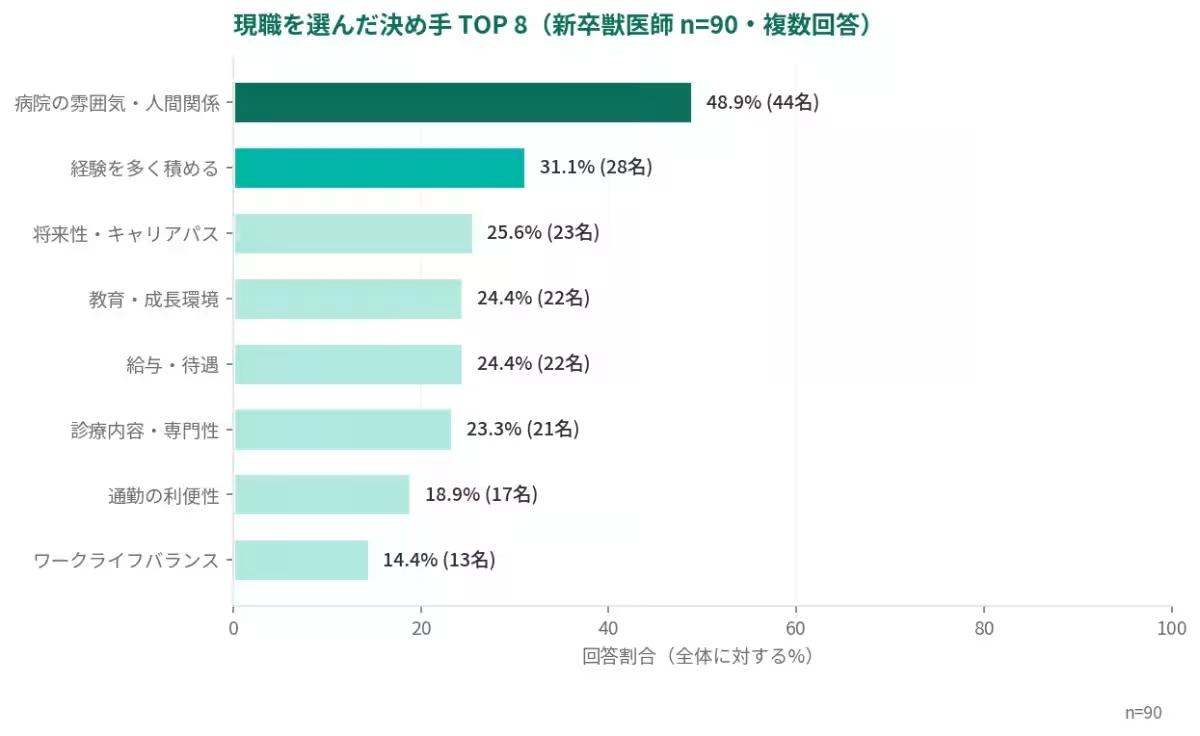
When it came to choosing their workplaces, the most critical factor was workplace relationships, with 48.9% citing it as their primary reason for selection. This was significantly higher than salary considerations, which came in second at 31.1% for opportunities to gain experience, and third at 25.6% for potential future career paths. This trend underscores the importance for employers to cultivate positive work environments, as interpersonal dynamics appear to hold more weight in decision-making than financial incentives.
Early Discontent Indicators
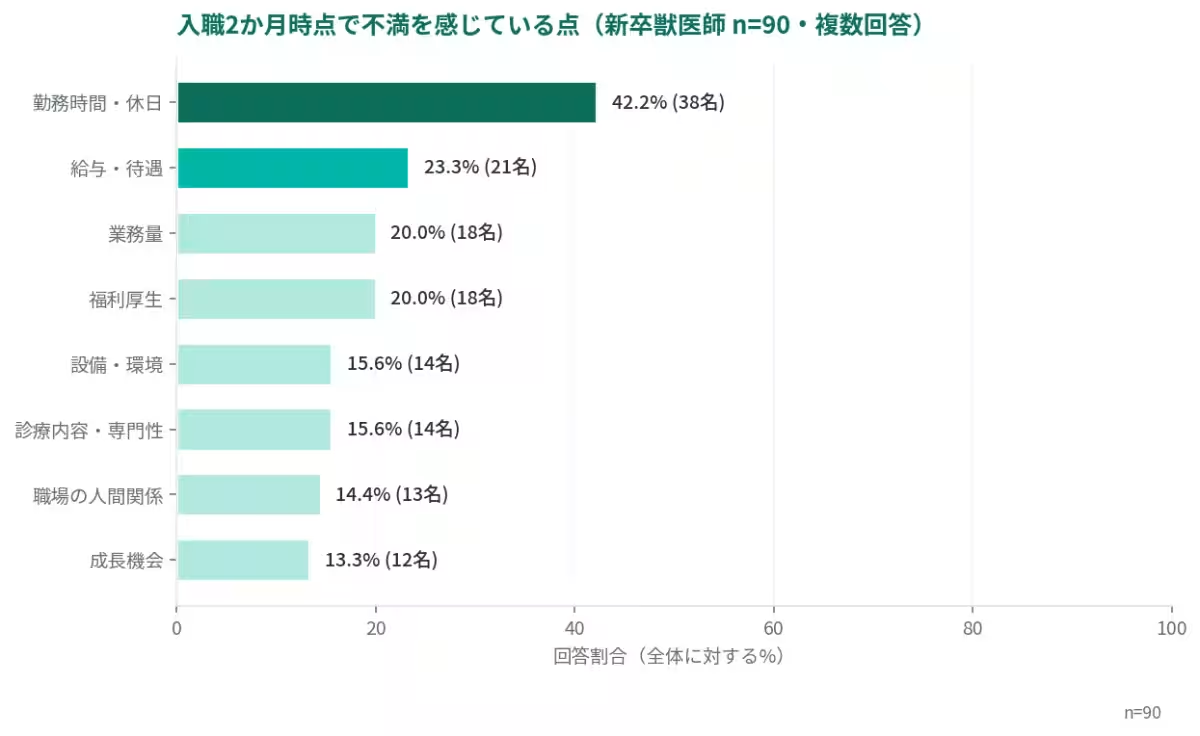
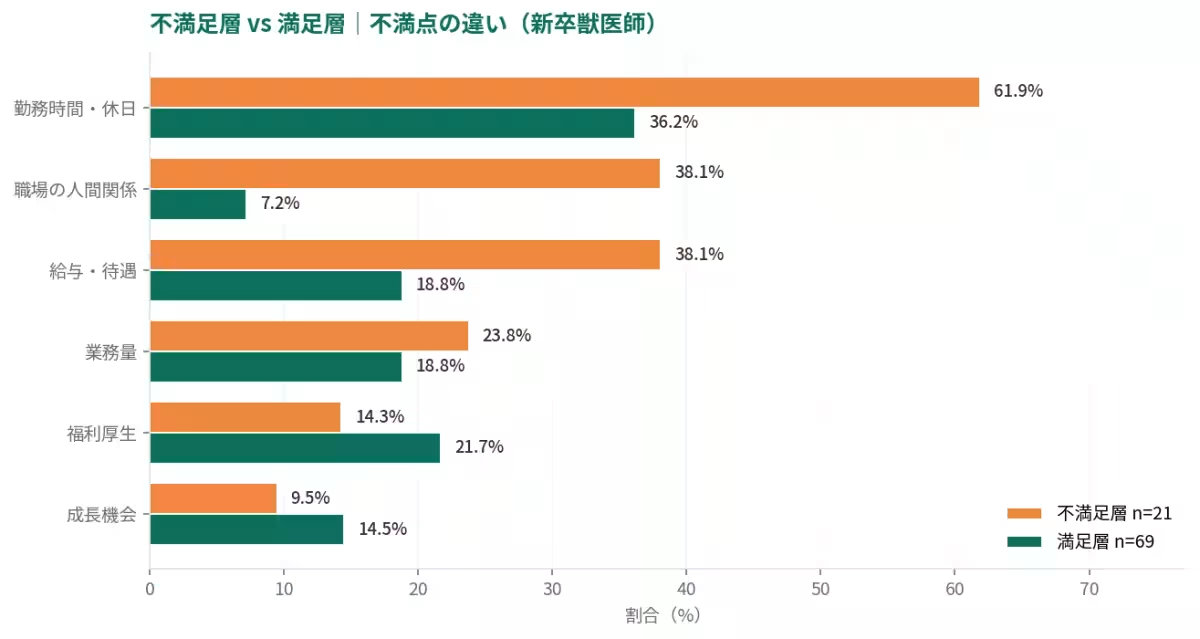
However, even post the initial phase, 42.2% of respondents reported concerns regarding working hours and holidays. This was the most common complaint, overshadowing salary and workload issues. Addressing labor conditions such as overtime management and sufficient time off is crucial to maintaining new staff, especially when dissatisfaction can lead to early turnover.
Job Application Channels
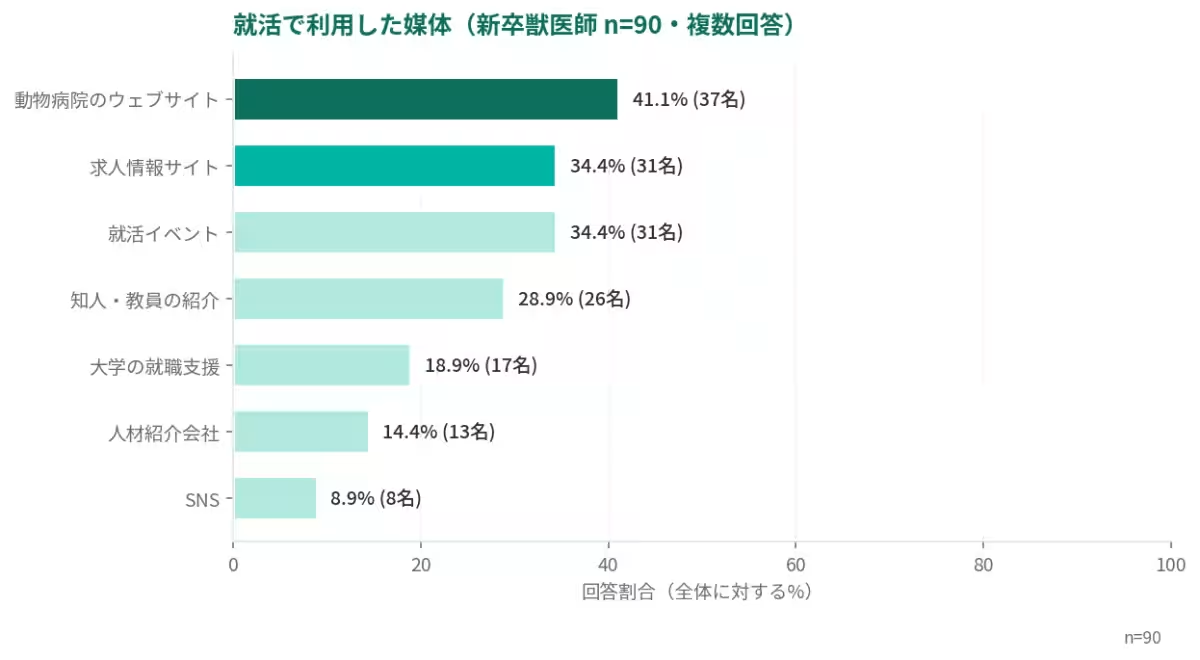
In terms of recruitment, the survey found that 41.1% of new graduates sought positions through animal hospital websites, making this their most significant source of job opportunities. This insight highlights the necessity for clinics to optimize their hiring pages by showcasing team culture, staff testimonials, and educational prospects to attract potential candidates.
Job Dissatisfaction and Future Career Plans
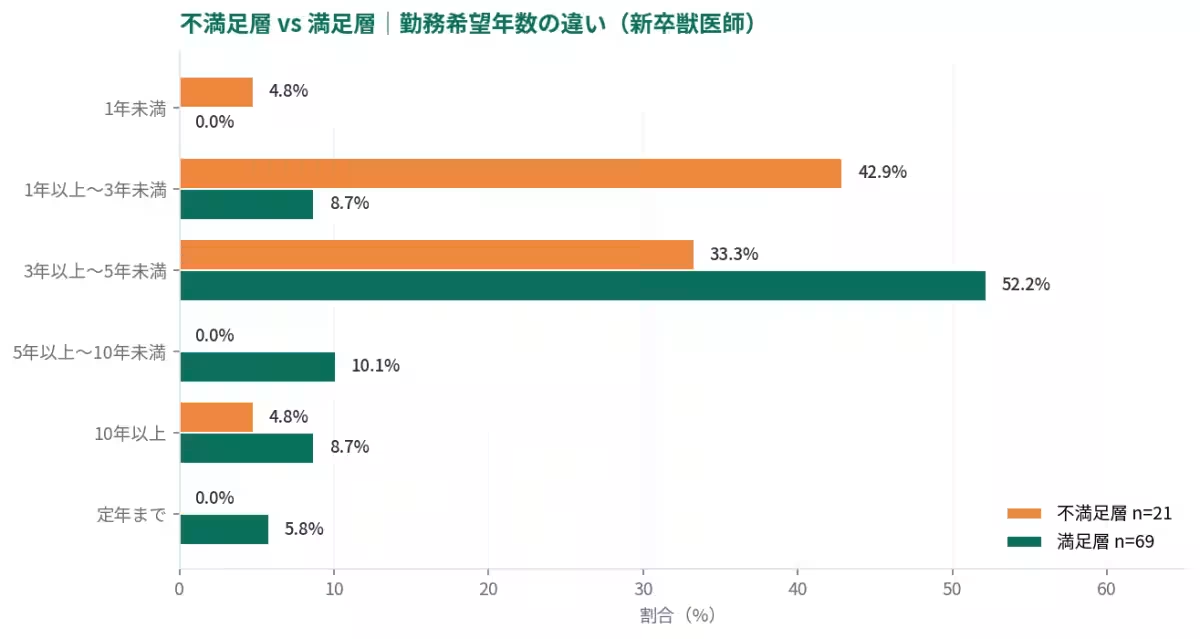
A concerning 23.3% of participants indicated they were not satisfied with their current positions, with about half of them considering leaving within three years. One notable trend is that dissatisfied individuals were 5.5 times more likely to consider leaving than their satisfied counterparts. Discontent with workplace relationships appeared to be a unique issue for those unhappy with their roles, suggesting that fostering a supportive work environment could significantly affect retention rates.
Career Aspirations
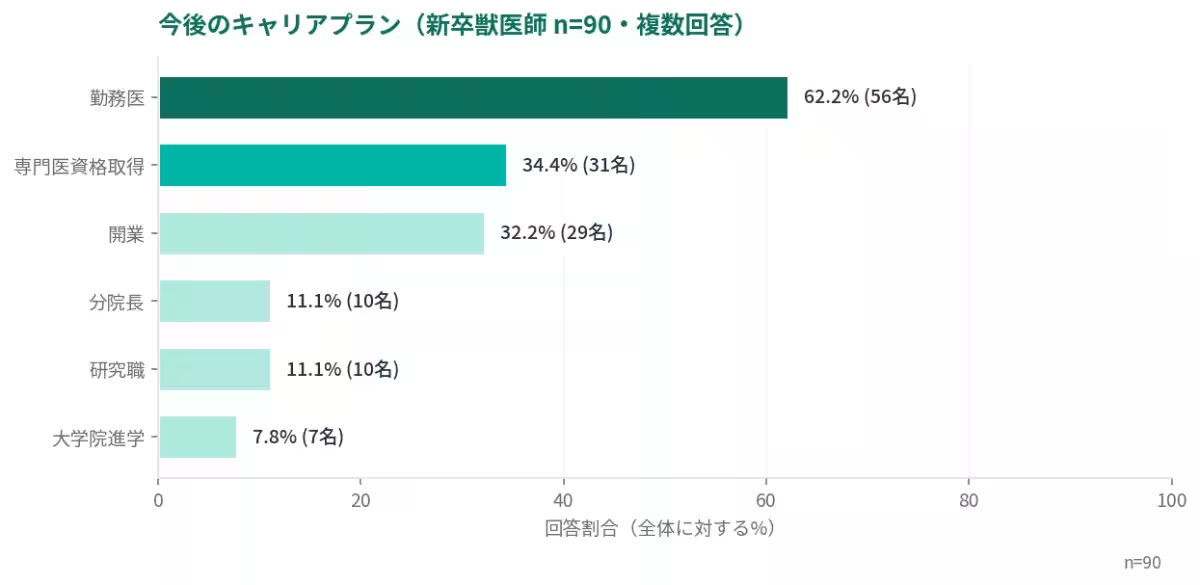
Looking forward, the majority, 62.2% of respondents saw themselves continuing as practicing veterinarians, while 34.4% aimed to pursue specialist credentials and 32.2% aspired to open their clinics. This highlights an eagerness for growth and advancement within their careers.
Recommendations for Employers
In light of these findings, employers are urged to:
1. Highlight workplace culture, growth opportunities, and career pathways on their hiring platforms.
2. Prioritize managing work hours and providing proper time off to mitigate early dissatisfaction.
3. Recognize that a significant number of new graduates now apply for positions nationwide, with only 30% choosing to stay local.
4. Regularly maintain and update their recruitment channels, ensuring they effectively communicate the hospital's strengths.
5. Offer clarity on career advancement timelines, especially those spanning 3-5 years, to aid in retention.
Conclusion
The research emphasizes that fostering positive workplace relationships is crucial to retaining newly graduated veterinarians. As these graduates start their careers, the care taken to nurture professional relationships and address dissatisfaction can significantly influence future employment trajectories.
This survey sheds light on the experiences of new veterinarians during their critical transition phase, providing insights that can help veterinary clinics retain their talents and nurture a strong workforce for the years ahead.

Topics Health)
【About Using Articles】
You can freely use the title and article content by linking to the page where the article is posted.
※ Images cannot be used.
【About Links】
Links are free to use.