



Exploring the Nutritional Benefits of Shijimi Clams: A Deep Dive into Traditional Japanese Miso Soup
April 23: Shijimi Day
Shijimi clams, a staple in Japanese cuisine, especially in miso soup, are celebrated on April 23. A recent survey conducted by Natural Food Research Co., Ltd. revealed fascinating insights into the consumption habits and nutritional benefits associated with these clams.
Background of the Survey
Natural Food Research, based in Bungo-Takada, Oita, examined the eating behaviors of adults aged 50 to 70 in connection with shijimi clam soup. The survey targeted two groups: the general public (men and women) and professionals such as registered dietitians and internal medicine doctors, totaling 1,025 participants. The aim was to understand the habit of consuming the clam meat in miso soup - a topic that has sparked significant debate.
Trends in Alcohol Consumption
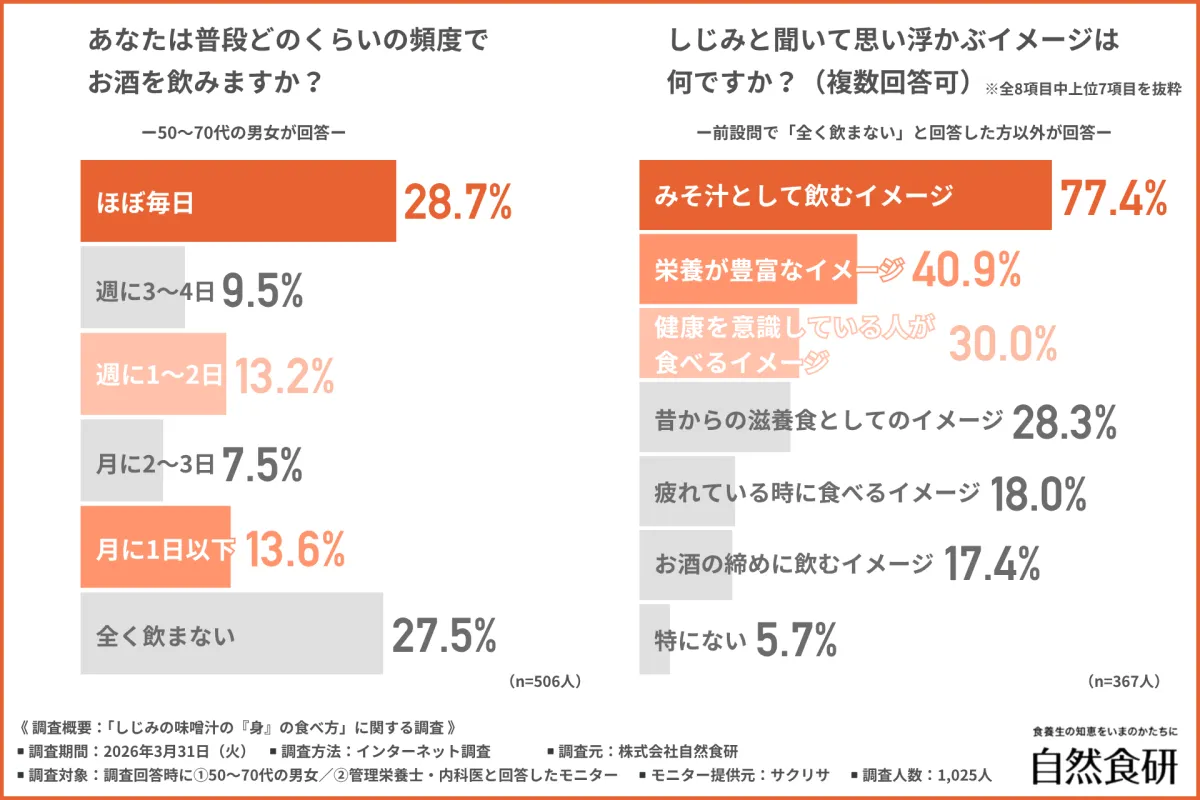
When asked about their drinking frequency, the survey findings indicated that about 28.7% drink almost daily. Such statistics show that many enjoy alcohol as part of their routine, with diverse habits existing among respondents. Despite differing frequencies of alcohol consumption, a common image associated with shijimi remains its role as a vital component of miso soup.
Clams: How Do People Perceive Them?
Among various responses regarding the perception of shijimi, approximately 77.4% identified them primarily as a miso soup ingredient, while 40.9% recognized their nutritious value. This reflects a broader understanding of shijimi as not merely a food item but as supportive of health and wellness.
Insights into Eating Habits
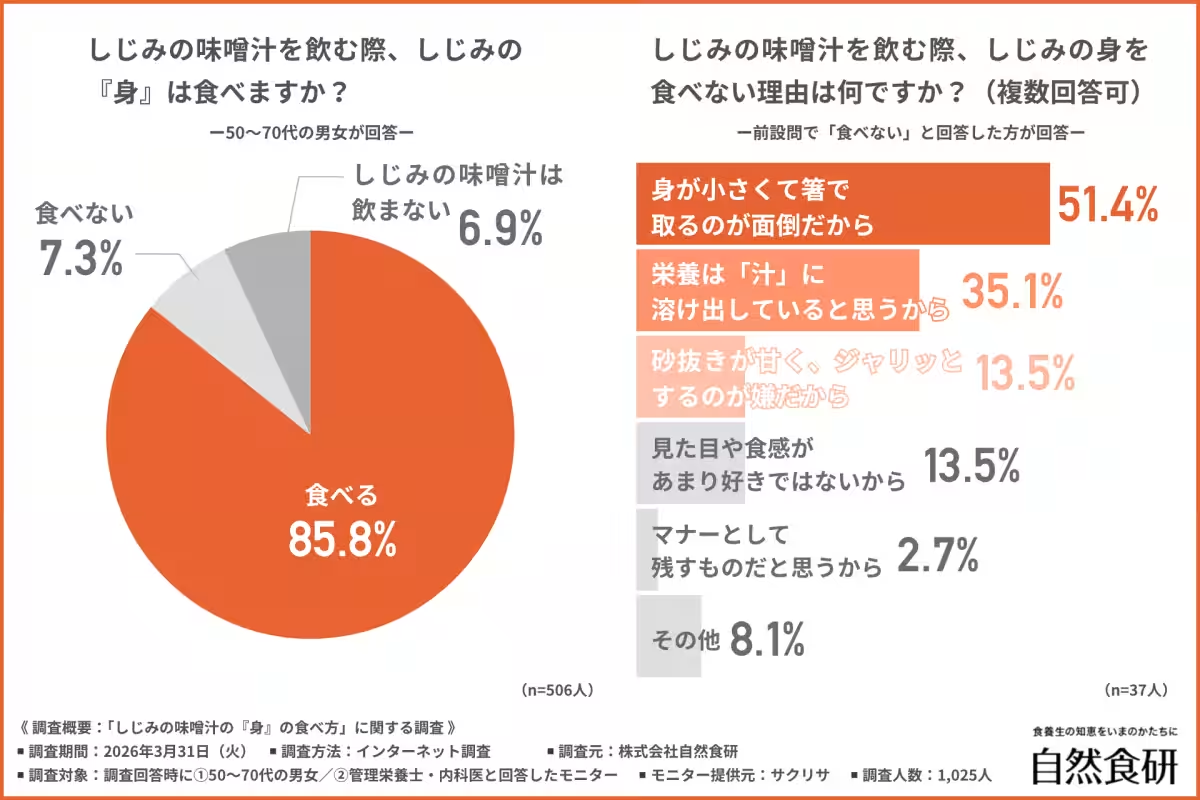
A significant 85.8% of respondents stated they eat the clam meat when enjoying miso soup. This statistic confirms that the majority of people do appreciate shijimi not just for flavoring but as a vital ingredient in their dishes. However, for the 7.3% who do not consume the clam meat, the reasons varied: 51.4% found it tedious to pick up due to size, 35.1% believed nutrients dissolve into the broth, and 13.5% disliked the sandy texture when poorly cleaned.
Nutritional Awareness
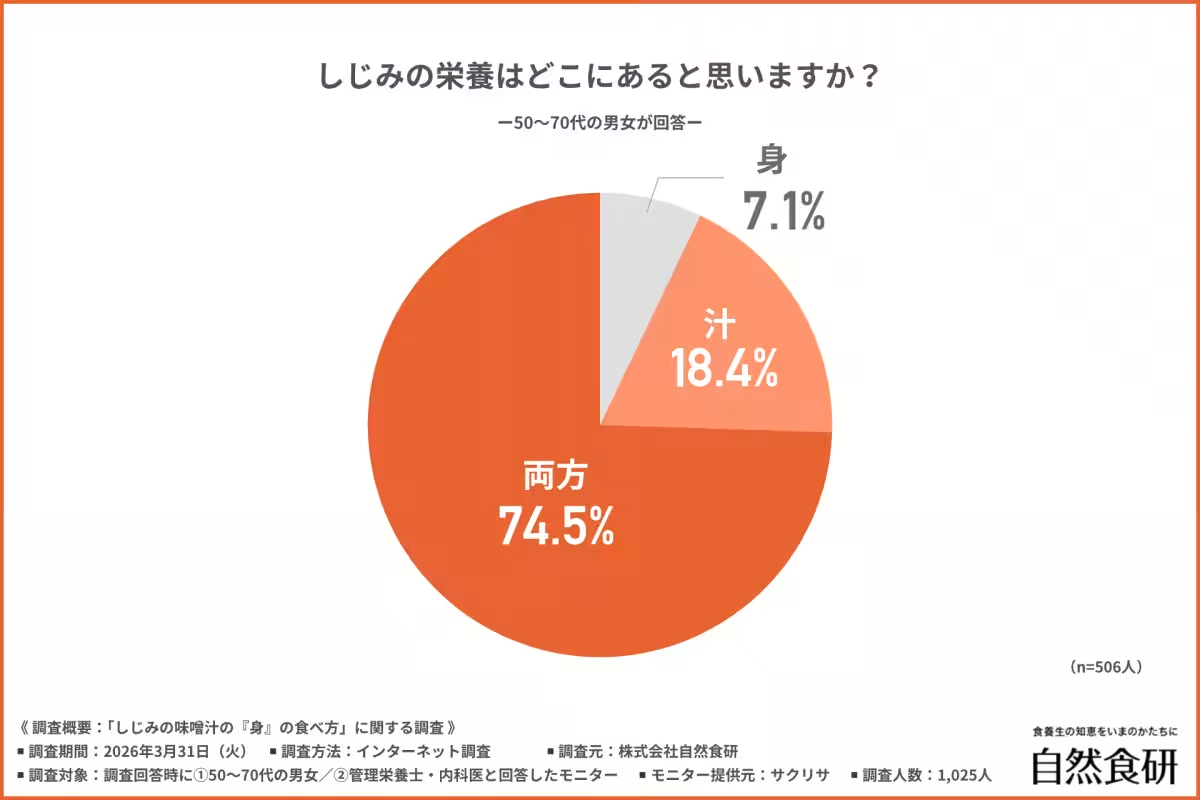
Despite the high proportion of persons who eat the clam meat, about 20% still perceive that nutrients are found solely in the broth. When asked directly about the nutritional sources in shijimi, a robust 74.5% acknowledged that both the meat and the broth contain essential nutrients. This lack of awareness around the meat suggests an area where education could further enhance consumption habits.
Expert Recommendations
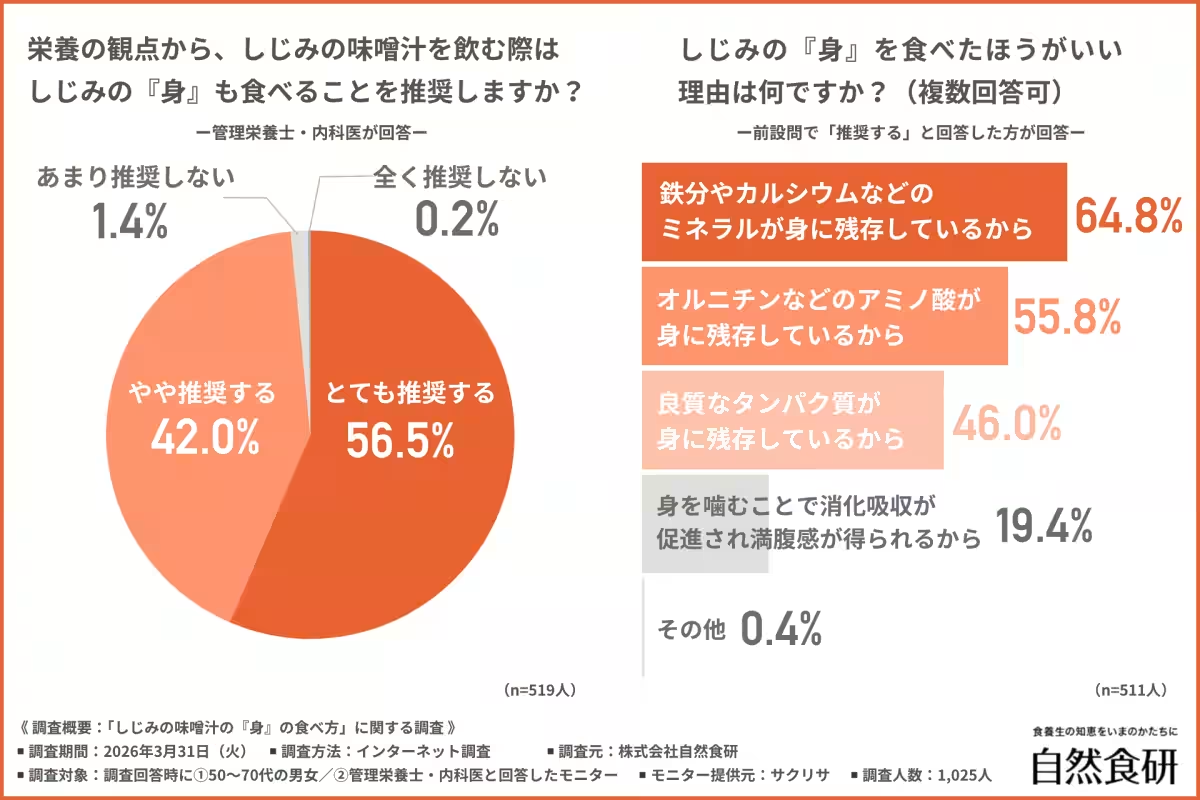
When consulting registered dietitians and physicians on the importance of eating clam meat, an impressive 98.5% indicated that they highly recommend it. The primary nutrition carried by the clam includes minerals like calcium and iron, as well as high-quality proteins and amino acids. This aligns with the general public's tendency to eat the meat and emphasizes the nutritional benefits of integrating it into a daily diet.
Best Practices for Nutritional Intake
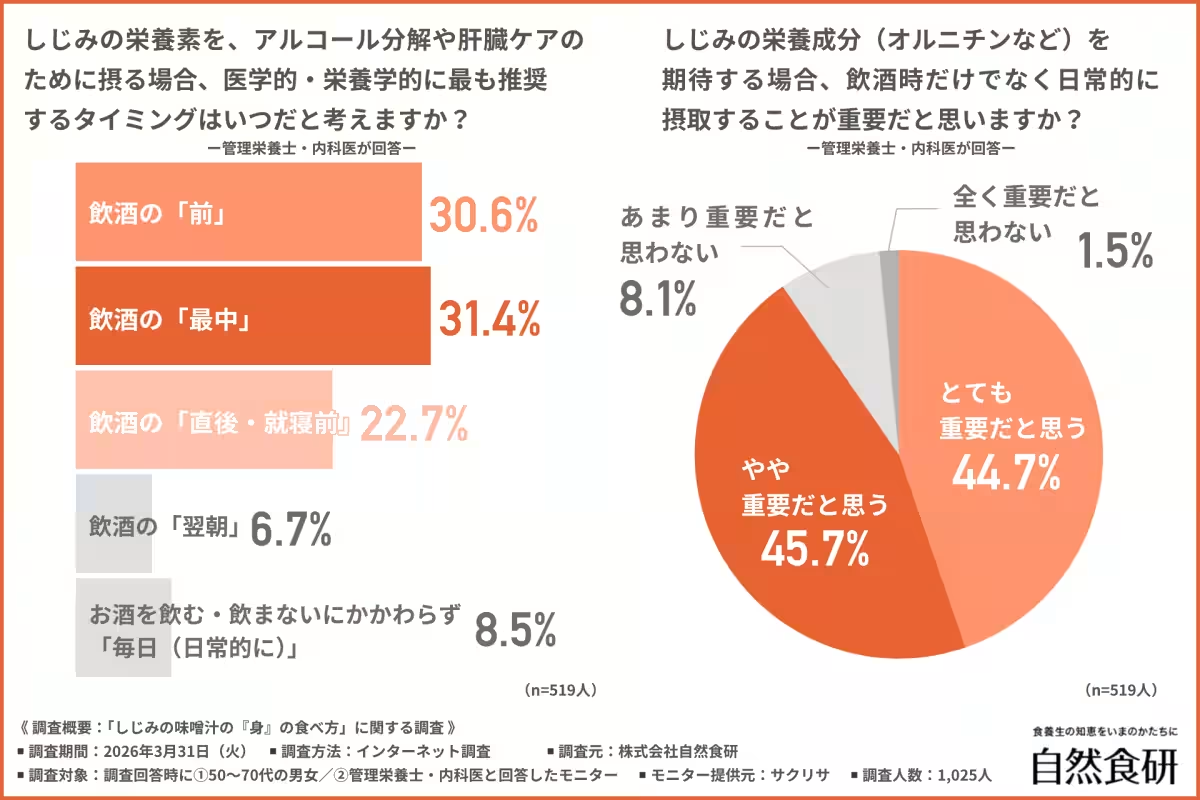
On discovering optimal timing for nutrient absorption concerning alcohol breakdown, roughly 31.4% recommended consuming shijimi during drinking and another 30.6% before drinking. A striking 90% of experts agree on the significance of not only taking shijimi when drinking but integrating it into daily diets for health maintenance.
Simplifying Clam Consumption
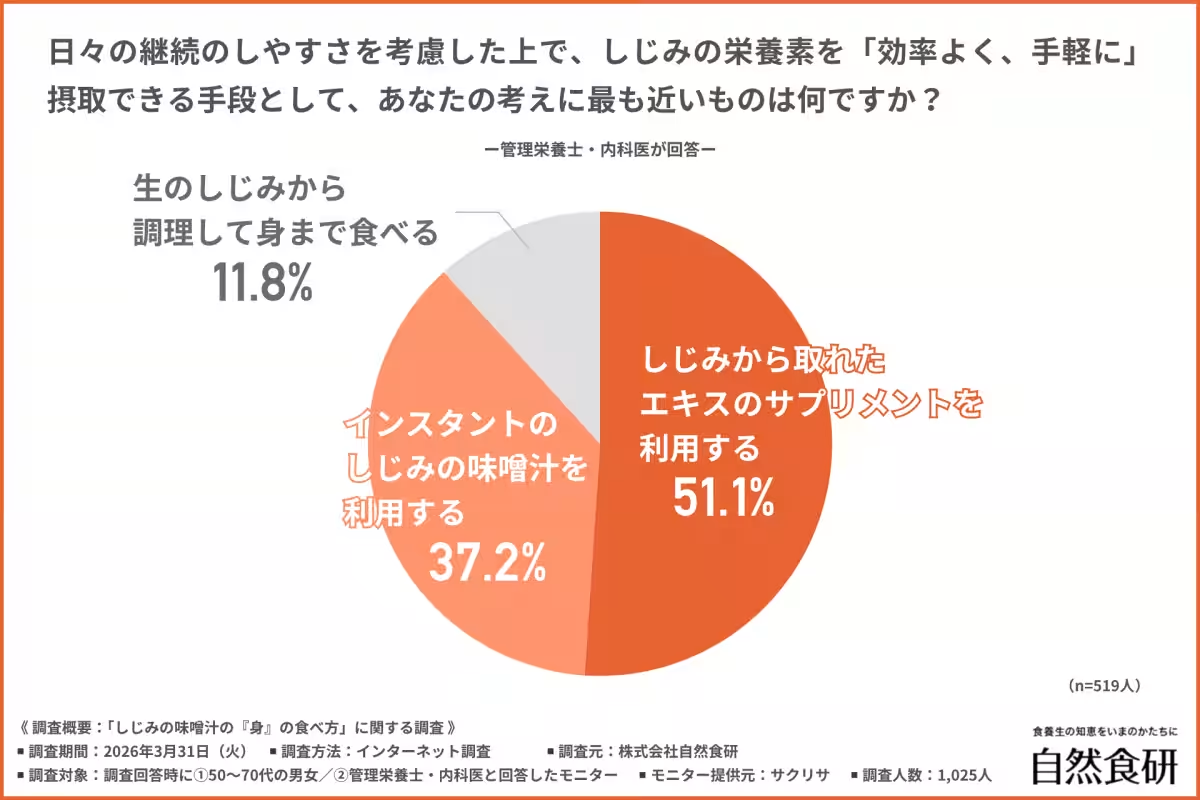
Recognizing the challenges posed by preparing fresh clams daily, 51.1% of experts suggested using shijimi extract supplements as an efficient means to capture their health benefits without extensive effort in preparation. Instant miso soups were also endorsed, providing a balance between convenience and nutrition.
Conclusion
This survey reveals that a vast majority of the older population enjoys consuming shijimi, often in its entirety, and recognizes its health benefits. However, there remains a need for greater awareness regarding the nutrients available in the clam meat specifically. Natural Food Research offers products focused on promoting regular intake of shijimi’s nutrients through their product line, ‘Shijimi Habits,’ to make healthy eating easier and more accessible. Through continuous education and convenient solutions like supplements, individuals can easily integrate this nutrient-rich ingredient into their daily routines.
Full Product Line Here
Topics Health)
【About Using Articles】
You can freely use the title and article content by linking to the page where the article is posted.
※ Images cannot be used.
【About Links】
Links are free to use.