



The Day Health Becomes a Luxury Amid Rising Food Prices and Nutrition Disparity
The Day Health Becomes a Luxury Amid Rising Food Prices and Nutrition Disparity
In recent times, affordability has become a growing concern for many households, particularly regarding the cost of essential food items. A recent survey conducted by Salvestrol Japan has shed light on the profound impact that rising food prices are having on nutrition and health consciousness among families with an annual income of 8.5 million yen or less in Japan.
The Survey Results
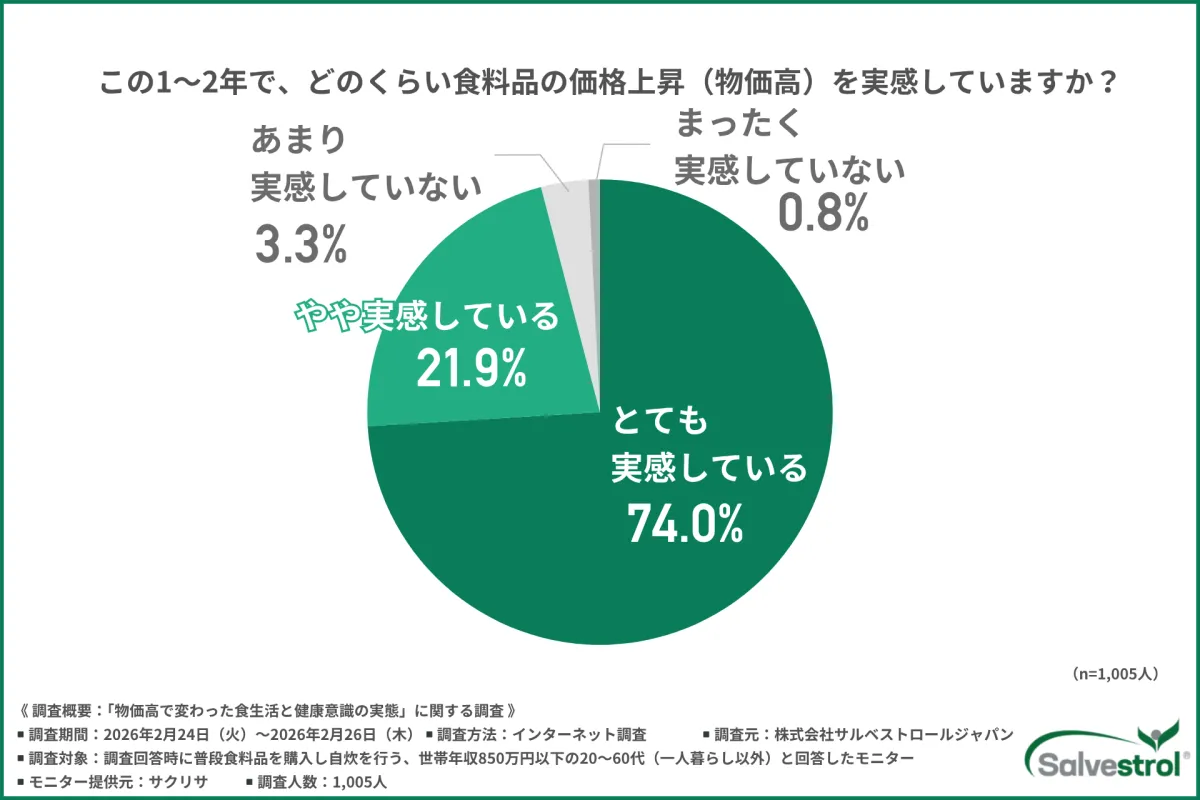
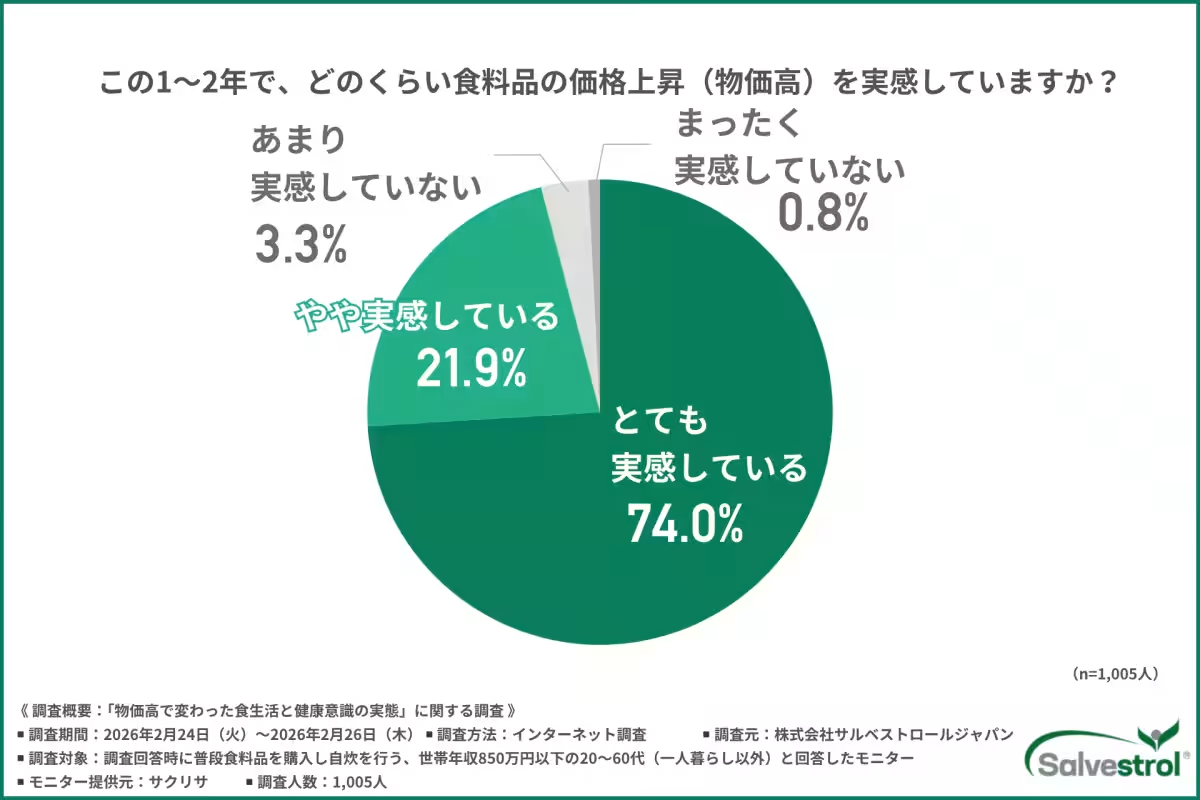
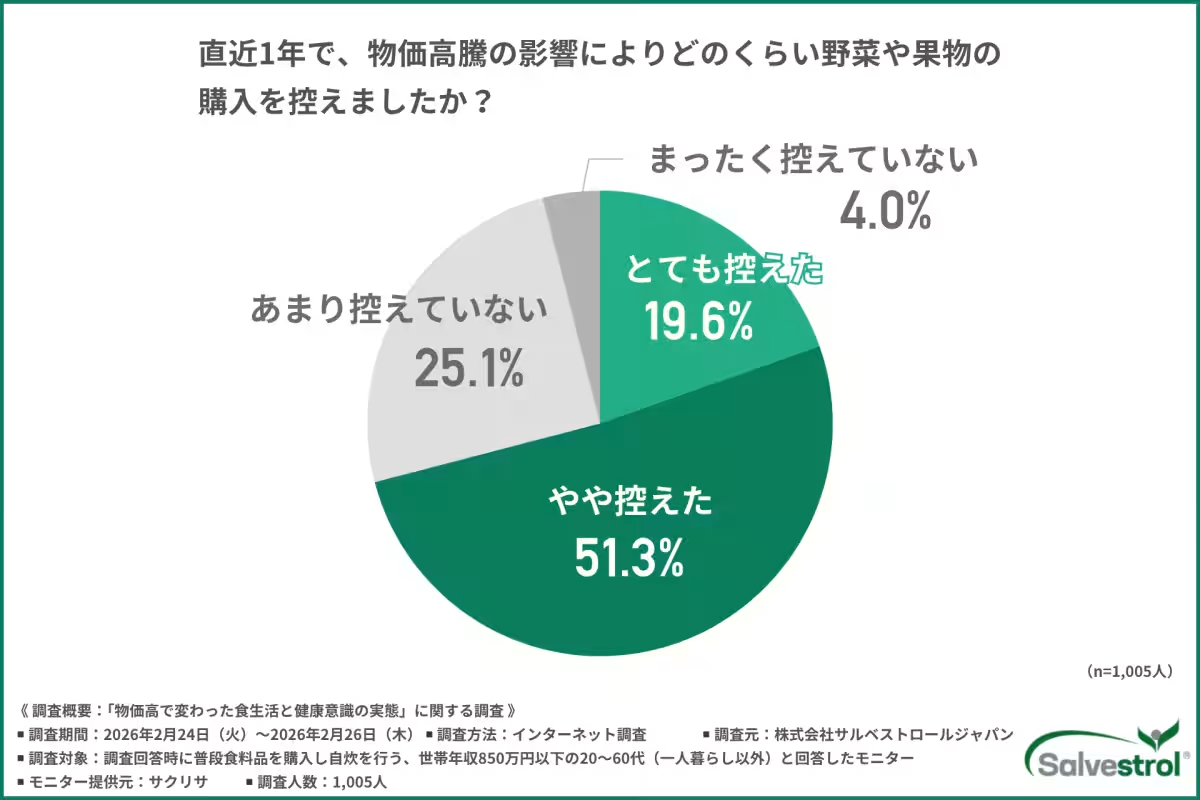
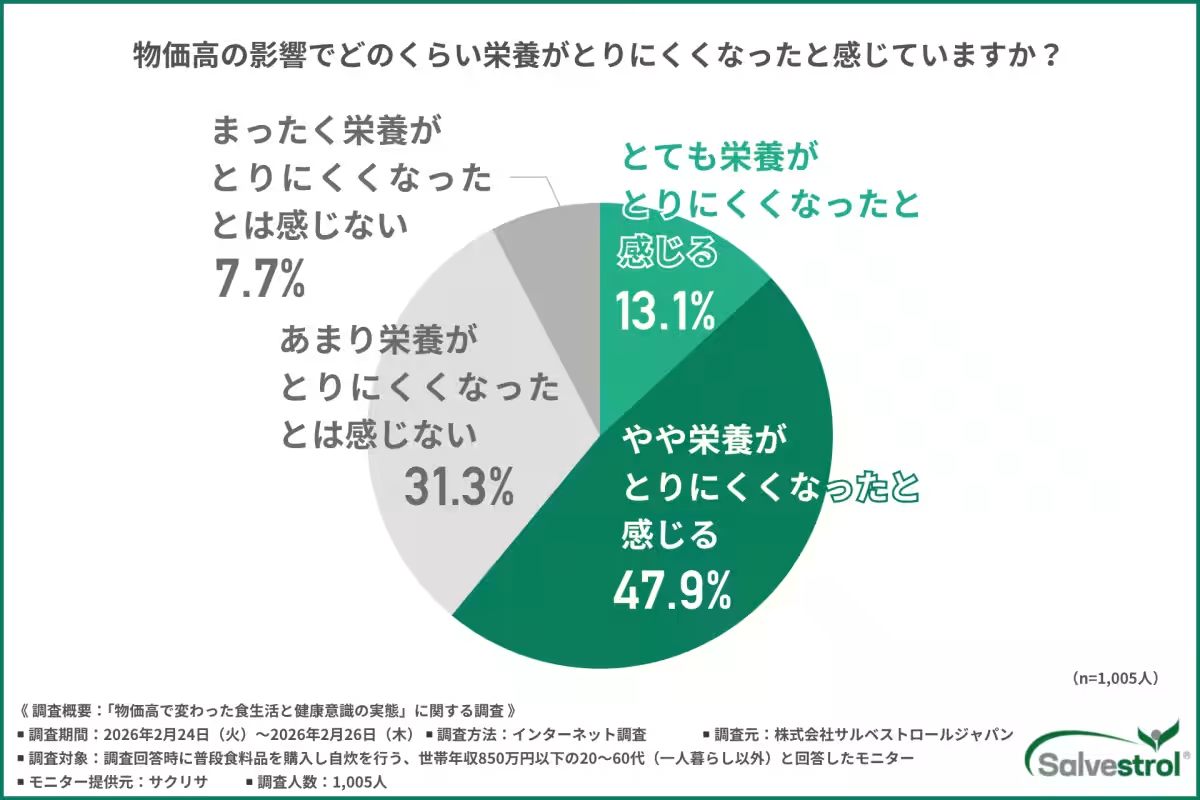
The survey, which focused on the eating habits and health awareness of families affected by high food prices, revealed that an overwhelming 95.9% of respondents have felt the pinch of increasing food costs. Moreover, nearly 70% of participants reported cutting back on their purchases of vegetables and fruits. Strikingly, around 60% of respondents expressed the sentiment that it has become challenging to obtain the necessary nutrients, highlighting the deep-seated worries about both daily dietary choices and future health.
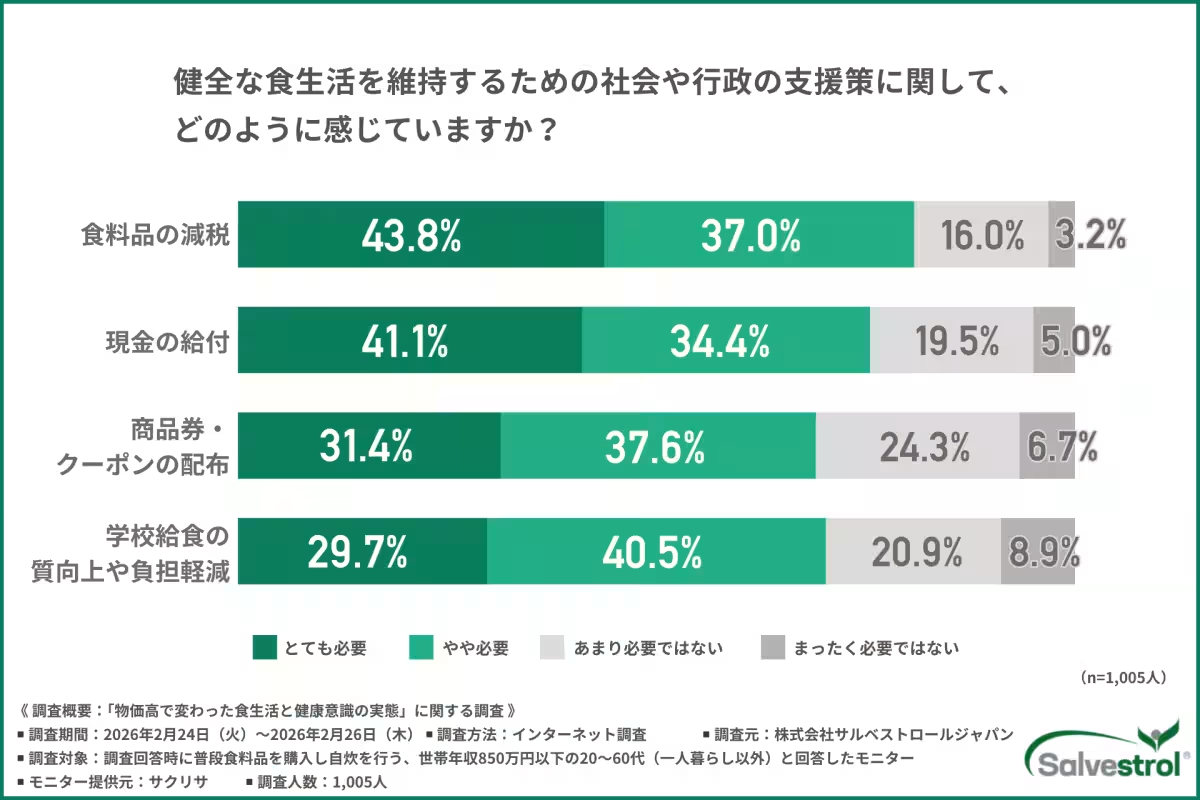
Additionally, the survey indicated that 80% of participants believe that reducing taxes on food products is essential to carrying on a healthy lifestyle. This underscores the expectation for governmental policies to help ease the burden of everyday food expenses.
The Realities of Rising Food Prices
Amid the ongoing surge in food prices, people are increasingly feeling the economic strain at their dining tables. According to survey results, over 95% of respondents acknowledged the price hikes in food items within the last one to two years, with 74% feeling this impact acutely. This surge in prices is placing significant stress on household budgets, forcing families to alter their spending habits significantly.
The Impact on Fruit and Vegetable Purchases
A staggering 70% of participants reported that they have reduced their purchases of vegetables and fruits, which are essential for a balanced diet. As these vital food groups have become targets for budget cuts, many families are opting to forego these nutrients, thereby potentially compromising their health.
Challenging Nutritional Balance
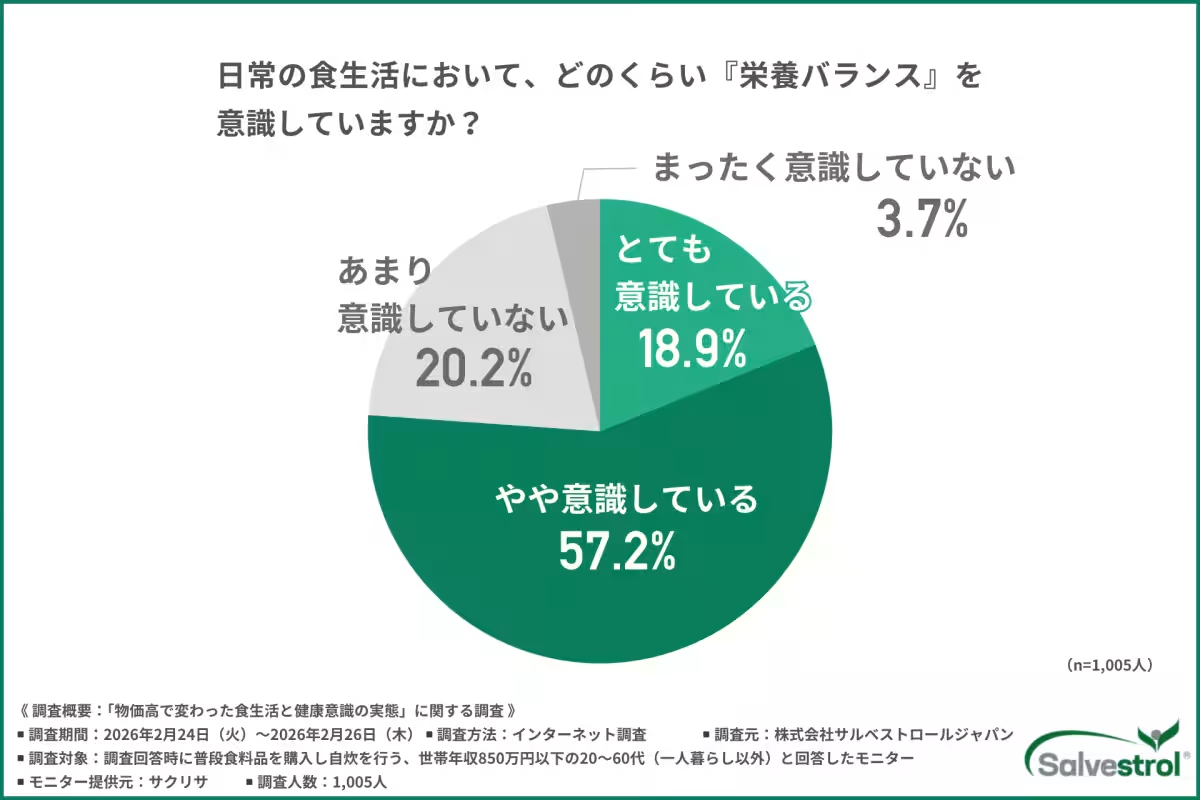
While about 80% of respondents claimed to be conscious of maintaining a balanced diet, the survey illuminated a troubling reality: nearly 60% felt that it has become more challenging to obtain vital nutrients. This paradox emphasizes how financial constraints are severely hampering individuals' ability to pursue an ideal and healthy dietary regimen.
Concerns for Future Health
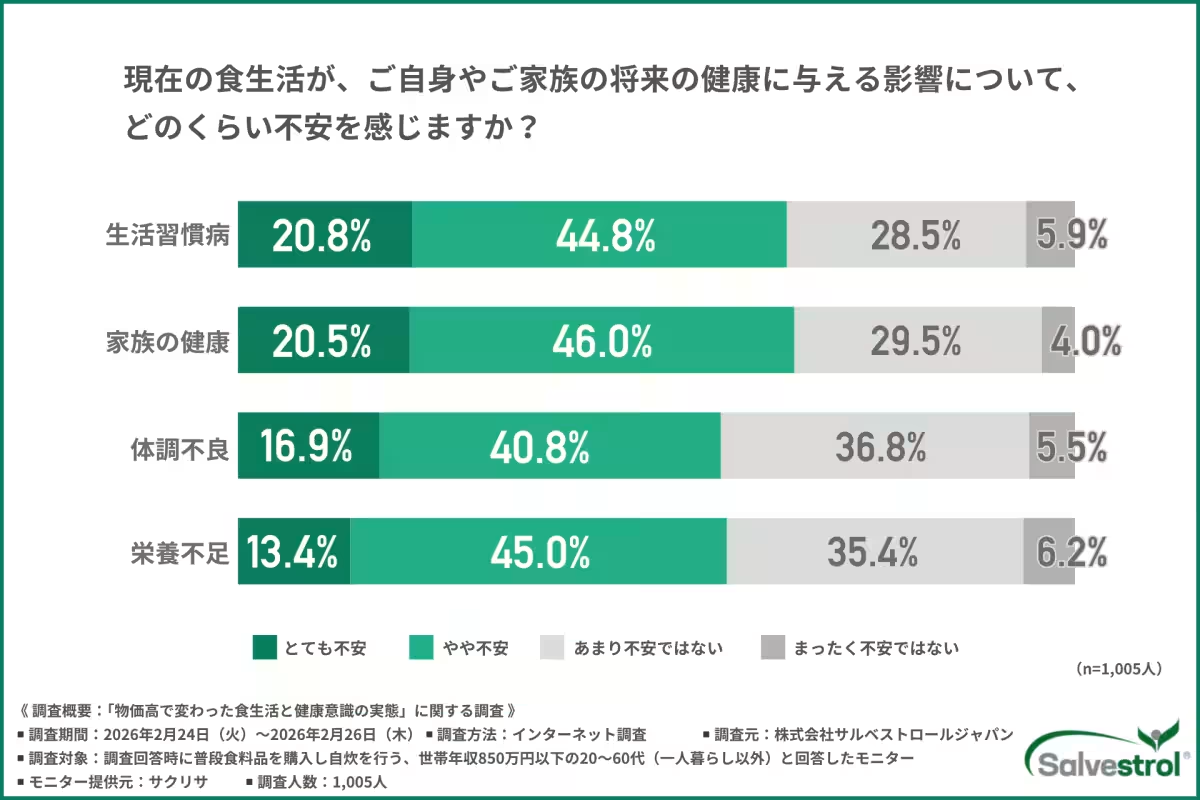
Amid the financial burdens of rising food costs, many participants expressed anxiety regarding their long-term health. Approximately 60% of those surveyed shared concerns about various health issues, including lifestyle-related diseases, family health, nutritional deficiencies, and overall wellness. The economic strain complicates efforts to provide adequate nutrition, creating an ongoing cycle of worry and stress about health within families.
Demands for Government Support
Given the heightened concerns about future health, the survey included questions about what kind of support individuals seek from authorities. Remarkably, 80.8% of participants indicated they believe food tax reductions are necessary measures. This preference for direct financial relief through reduced food taxes over cash grants or vouchers highlights the pressing need for manageable solutions to daily food expense burdens.
Conclusion: Balancing Health Consciousness and Household Budgets
The survey results paint a vivid picture of how rising food prices threaten the nutritional foundations of daily living. With more than 90% of respondents feeling the impact of increased food prices and about 70% cutting back on fruit and vegetable purchases, the scenario suggests that individuals might resort to trade-offs between health and finances.
As about 80% of surveyed individuals call for governmental support such as food tax reductions, this reflects an acknowledgment that nutrition is becoming an increasingly complex societal challenge, transcending individual efforts. Under the current conditions where the intake of essential nutrients is difficult, many may turn to supplements and health foods as an efficient means of maintaining wellness while safeguarding their budgets.
Going forward, the anticipated support from government bodies is crucial. However, individuals must also explore diverse methods of optimizing nutritional intake without straining their finances, marking a pivotal moment in health consciousness shaped by economic realities.
For now, solutions like Salvestrol Platinum 2000—derived from pesticide-free plants—represent one possible avenue for supplementing the nutrients that seem increasingly hard to acquire through traditional diets. With the backing of health professionals and a focus on natural ingredients, products like these could help families continue to thrive amid changing circumstances.


Topics Health)
【About Using Articles】
You can freely use the title and article content by linking to the page where the article is posted.
※ Images cannot be used.
【About Links】
Links are free to use.