



The Impact of Work Flexibility on Mental Well-Being and Changing Values
Understanding the Mental Stressors in Different Work Environments
In recent years, the debate surrounding remote work versus in-office work has gained immense traction, especially post-pandemic. A comprehensive study conducted by LASSIC's Telework Research Institute surveyed 1,009 working individuals between the ages of 20 and 60 who have experience in remote work. The analysis shines a light on how these different working environments affect mental well-being and reshape employee values.
Study Overview
The research, titled "Investigation of Workplace Health Issues and Changes in Values Post Remote Work Experience," highlights five critical points:
1. Identifying mental stressors in workplace relationships.
2. Recognizing patterns of distress linked to attendance types.
3. Evaluating shifts in values stemming from remote work experiences.
4. Exploring variations in values based on work arrangement.
5. Understanding demographic trends emerging from the data.
Key Findings
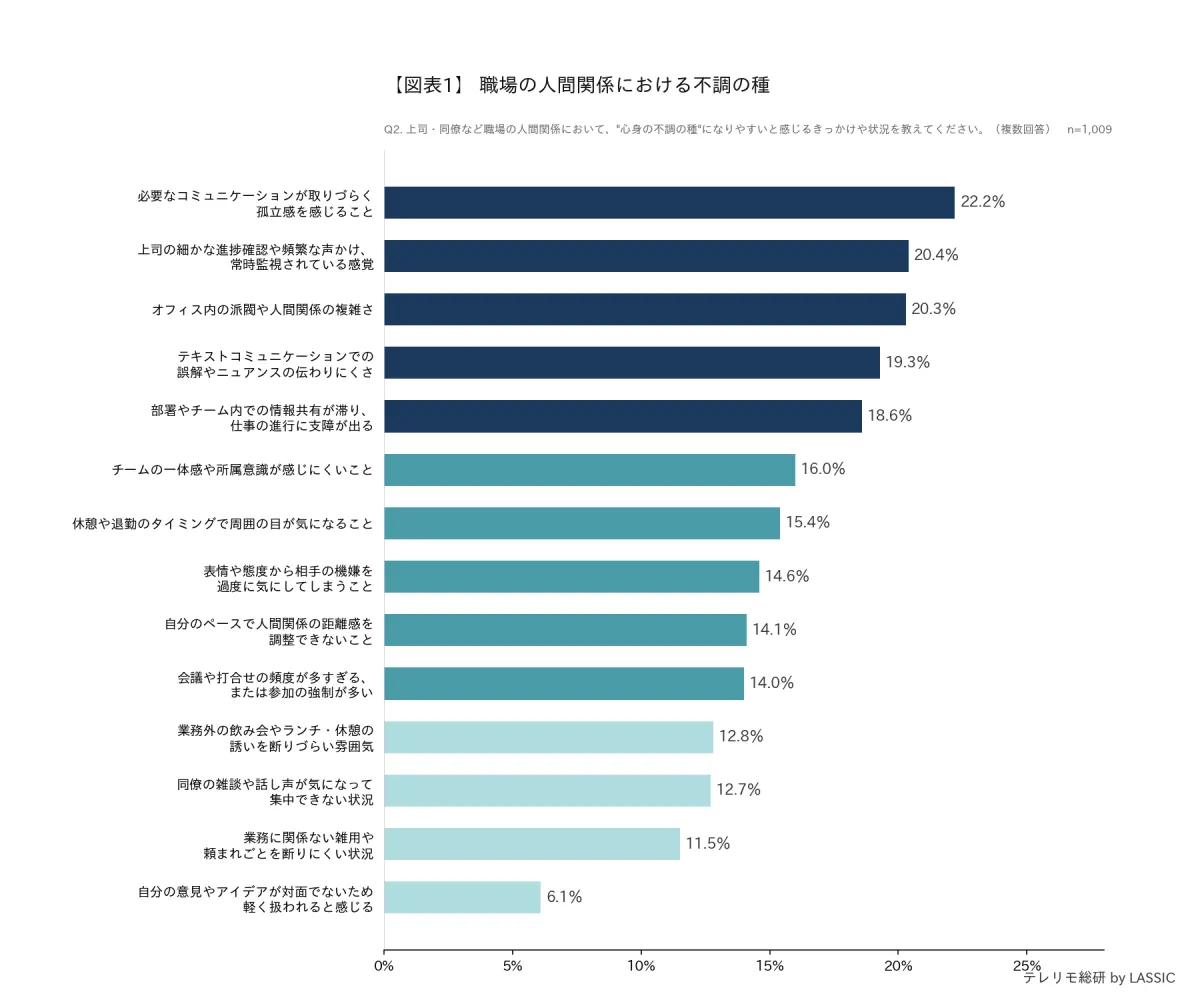
The study revealed that the most common source of mental distress in workplace relationships was a pervasive sense of isolation, with 22.2% of respondents expressing difficulty in necessary communication. This was closely followed by the feeling of being monitored by supervisors, which accounted for 20.4% of responses. Notably, the complexity of office networks and factions was a concern for 20.3% of participants.
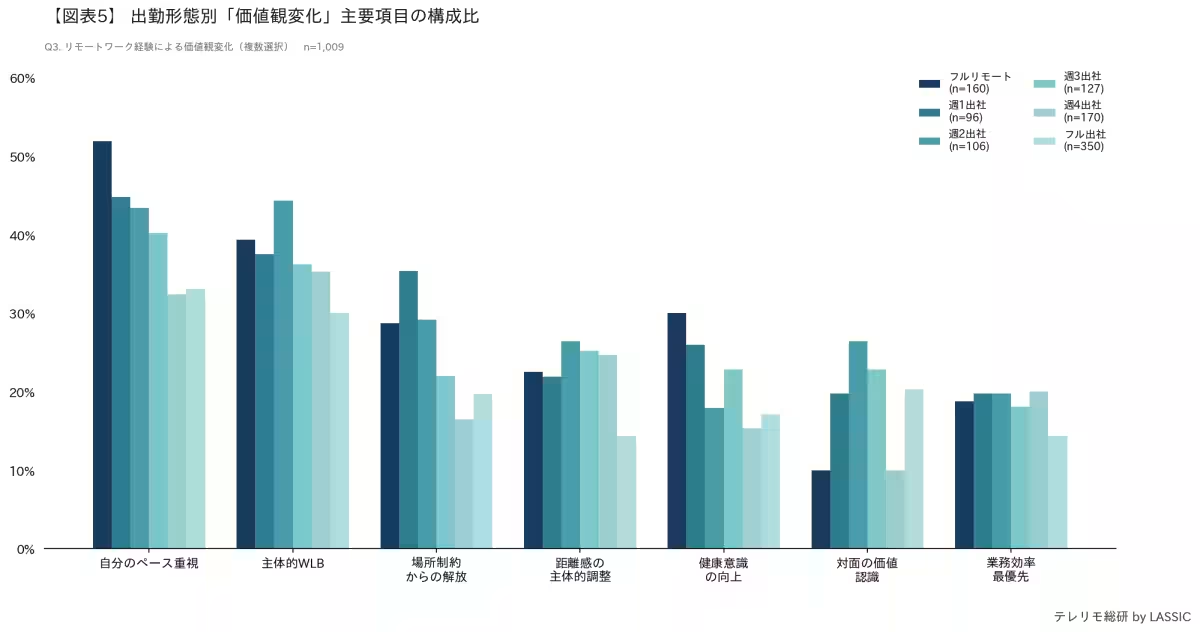
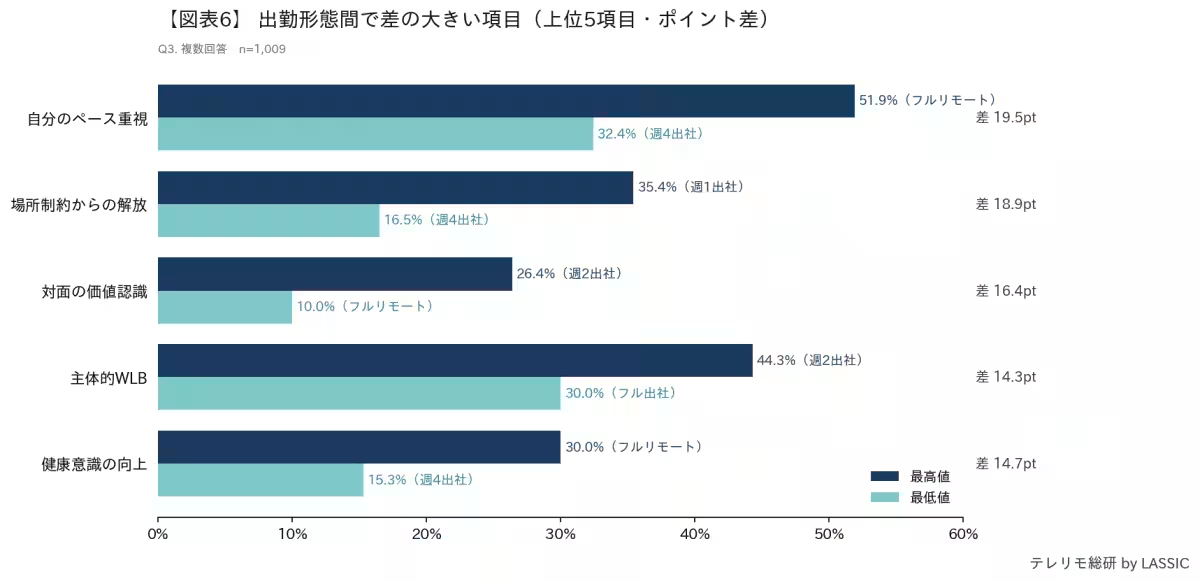
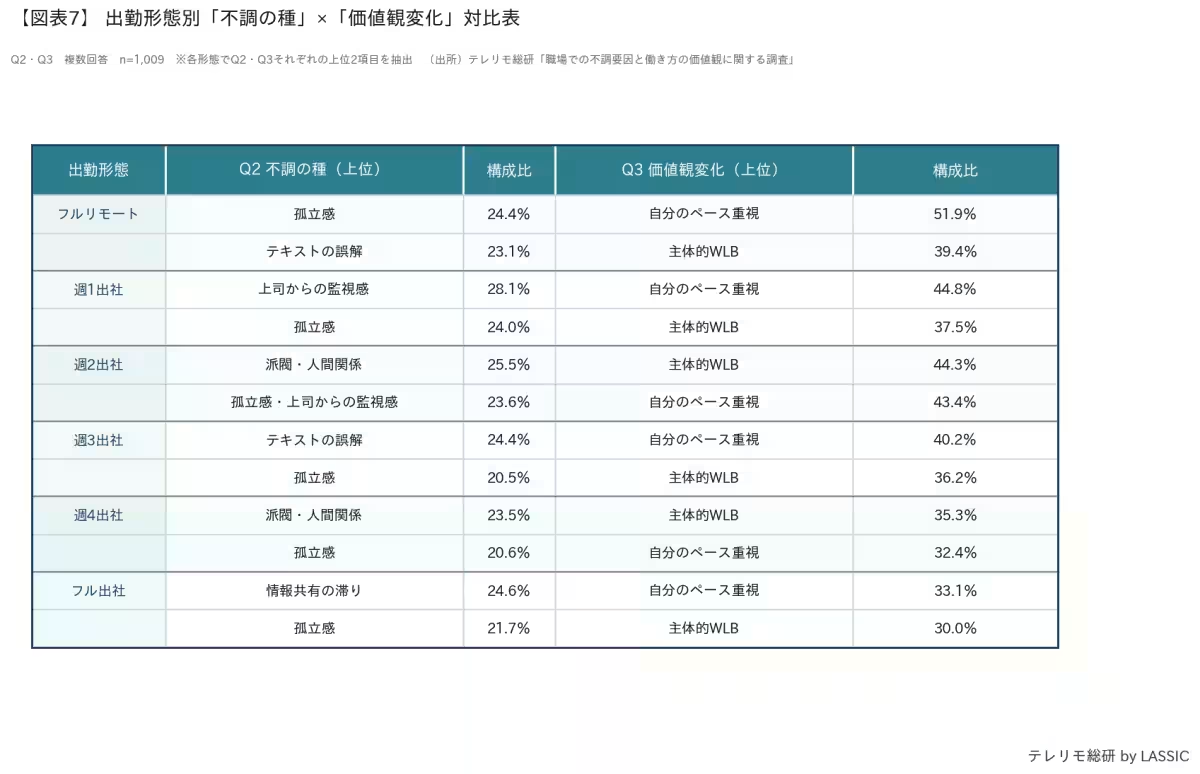
Diving deeper into the correlation between work modes and employee sentiment, respondents who engaged in full remote work (51.9%) reported a significantly higher desire to focus independently and maintain a personalized work pace than those in full office settings (33.1%). This highlighted an 18.8-point difference that underscores the importance of flexibility in working styles.
Detailed Analysis: Work Environments and Their Effects
When breaking down the findings by work arrangement:
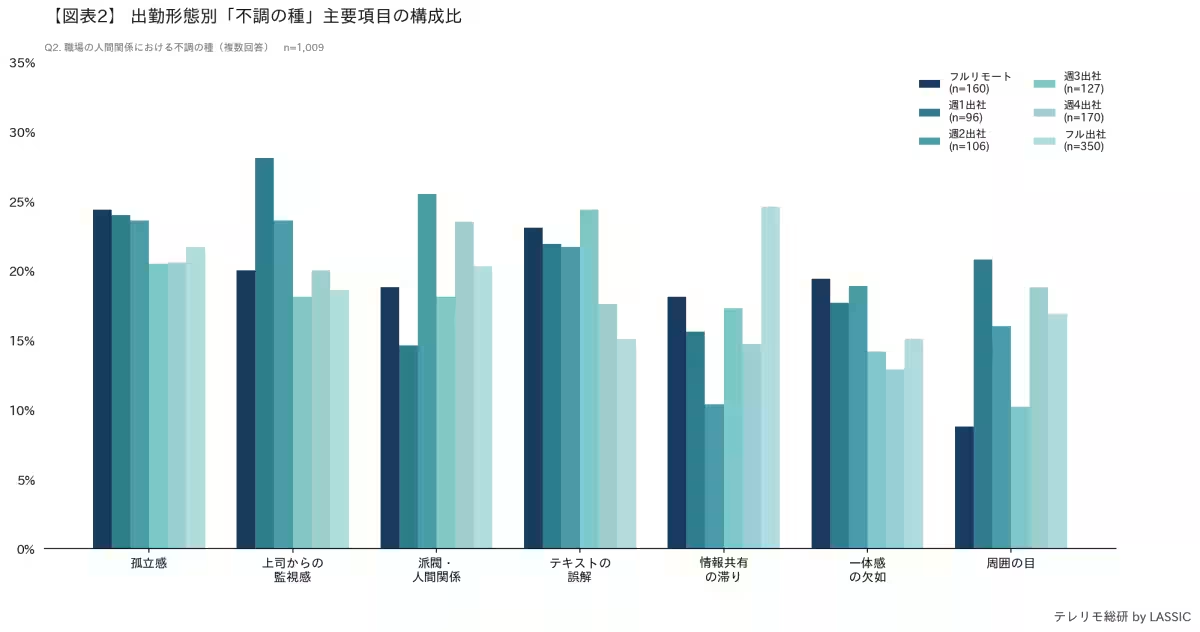
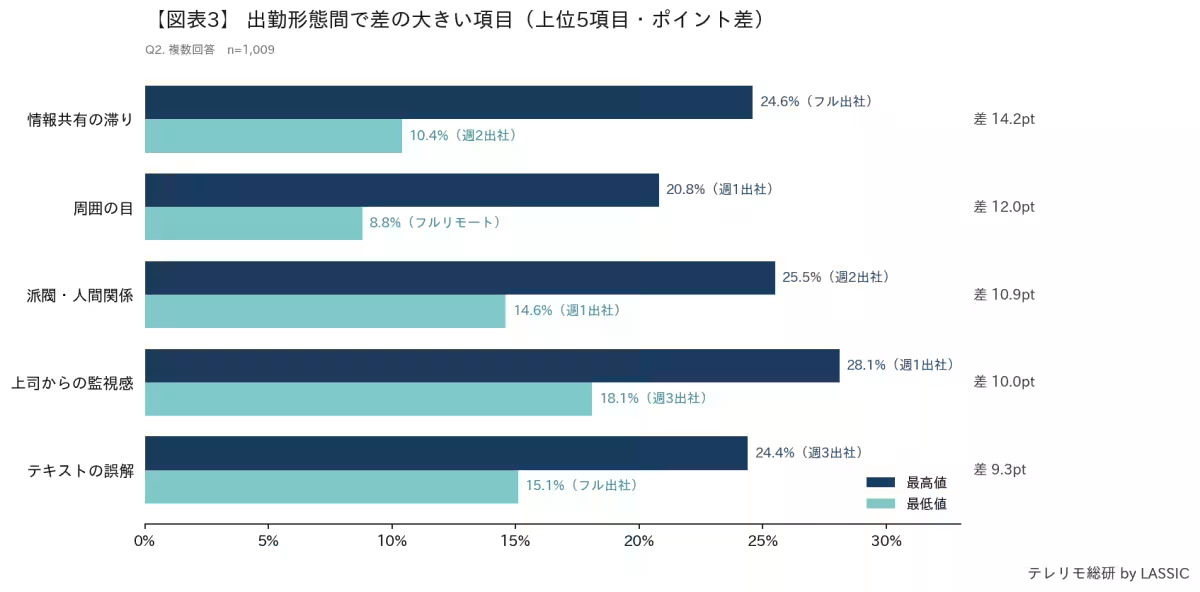
- - Full Office Workers: The highest reported issue (24.6%) was a lack of information sharing within teams, significantly hampering job progress. Additional concerns included a high sensitivity to the awareness of colleagues during breaks or time off (16.9%).
- - Full Remote Workers: Among remote workers, apprehensions about miscommunication through text were more pronounced (23.1% vs. 15.1% in full office settings). Interestingly, not only did isolation manifest across work settings, but it remained consistent for all employees, representing a shared challenge that transcends attendance style.
Generational Insights
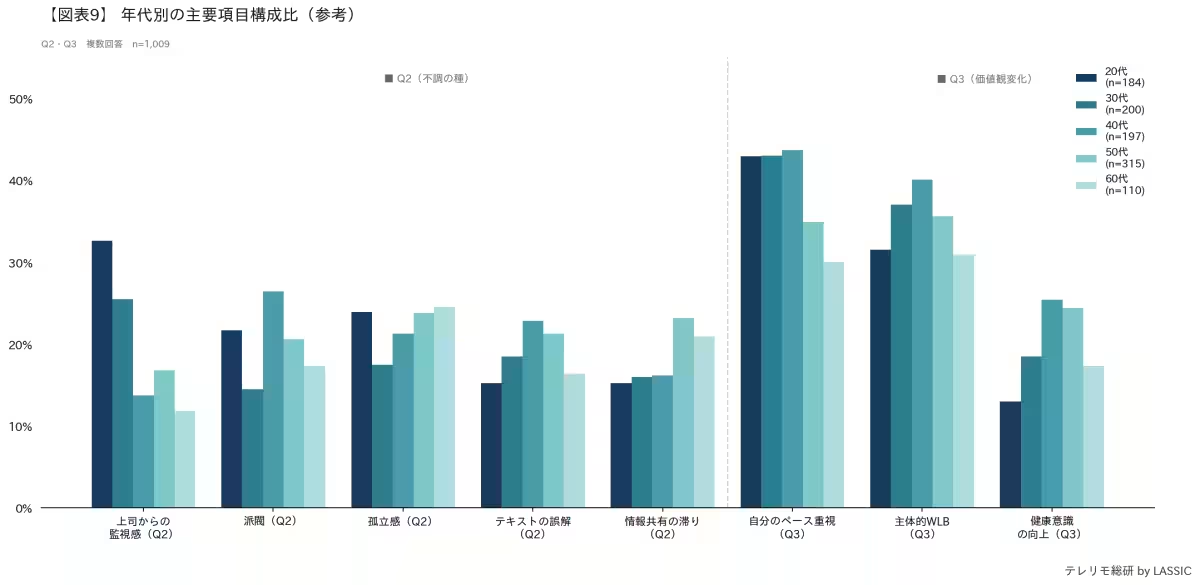
The disparity in perceptions based on age also drew attention; younger employees (in their 20s) exhibited a 20.8-point difference in feelings of being monitored compared to seniors in their 60s. In contrast, older generations seemed more affected by the nuances of workplace relationships and information flow.
Value Evolution in Response to Remote Work
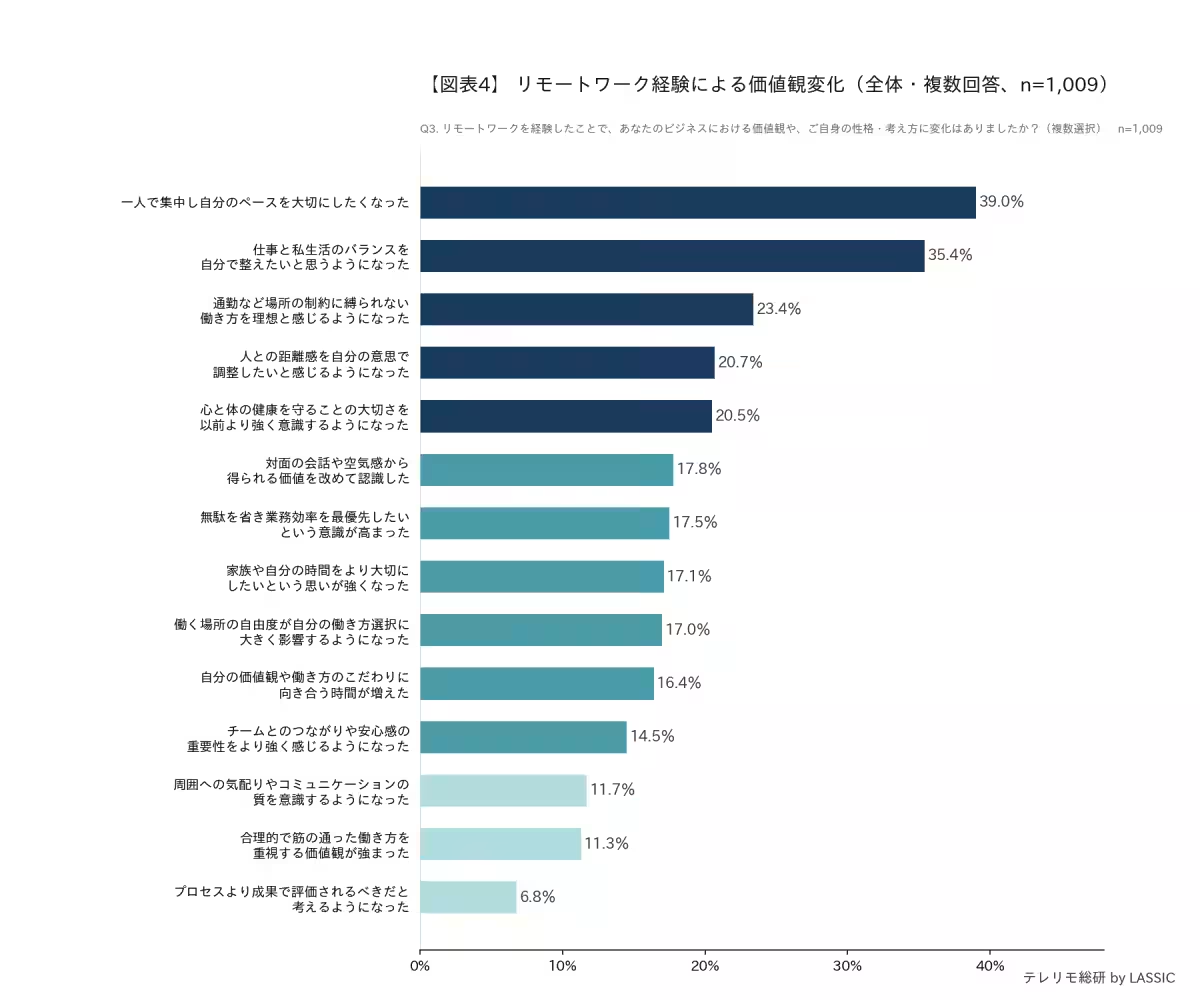
As employees adapted to remote work, certain values underwent a substantial transformation. The survey results showed that 39.0% of respondents placed a premium on focusing and valuing their personal work rhythm due to remote work experiences. Subsequently, 35.4% expressed a newfound desire to manage work-life balance proactively, while 23.4% felt less constrained by commuting and physical workspace limitations.
- - For remote work advocates, the emphasis on personal pace (51.9%) starkly contrasts with those fully office-based.
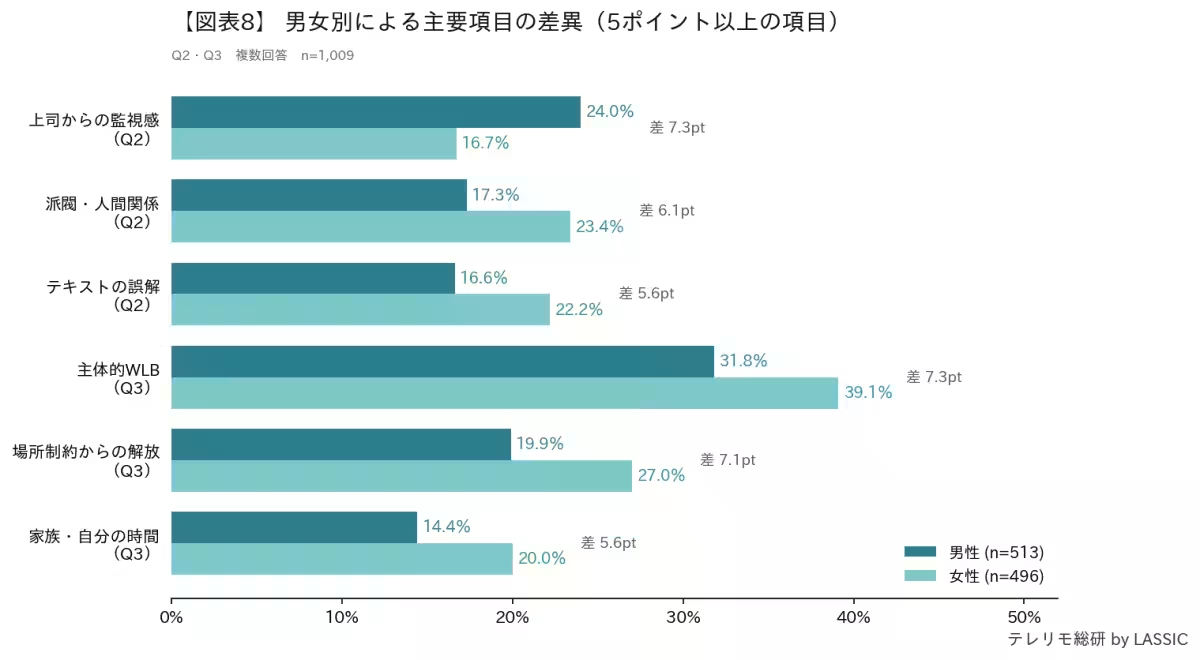
- - Gender comparisons also highlighted that females placed more importance on managing their work-life balance assertively, outpacing males by 7.3 points.
Conclusion
This research by LASSIC underscores the pressing need for organizations to adapt to employee preferences in work settings to foster mental well-being. As the lines blur between personal space and work, fostering communication channels becomes crucial, whether in-office or remote. The collective experience and desires of employees reveal that isolation persists regardless of attendance type, signaling a need for more cohesive integration between employees and management. Understanding these underlying issues is vital for paving the way toward a healthier work environment.
Additional Resources
For a detailed report and access to the research data, visit LASSIC's Telework Research Website or Document Request.


Topics People & Culture)








【About Using Articles】
You can freely use the title and article content by linking to the page where the article is posted.
※ Images cannot be used.
【About Links】
Links are free to use.