



Understanding the Hidden Risks of Dust Mites This Autumn and Winter
The Concern of Dust Mites in Autumn and Winter
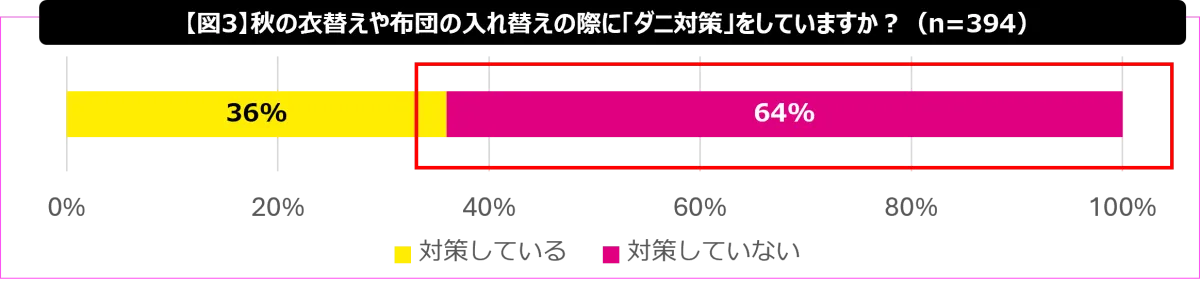
As the seasons change from summer to autumn, many families engage in seasonal changes, such as swapping out summer clothes for warmer garments and replacing bedding. However, a recent survey conducted by Liberta, a Tokyo-based company focusing on dust mite prevention, highlights a troubling trend: over 64% of individuals do not take any preventive measures against dust mites during this crucial transition period. This has become a growing concern, especially with the rising issue of allergies associated with dust mites.
Awareness vs. Action
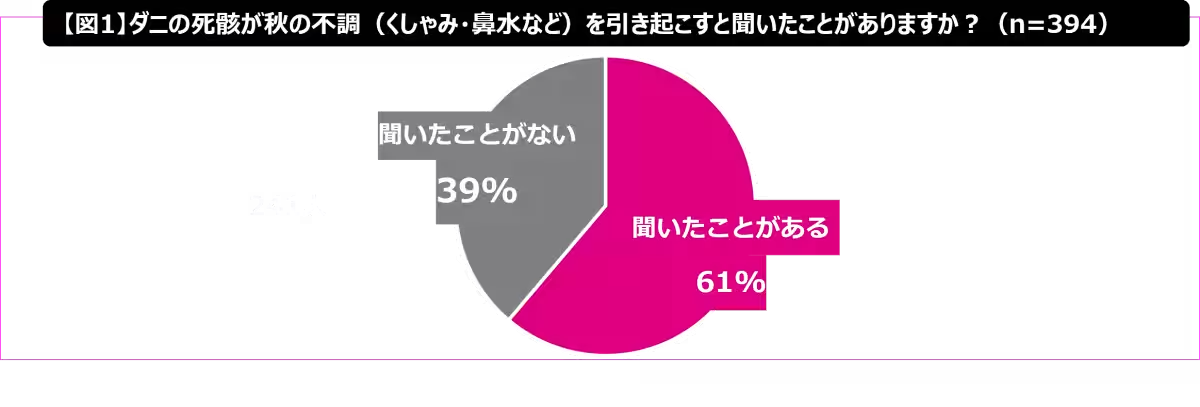
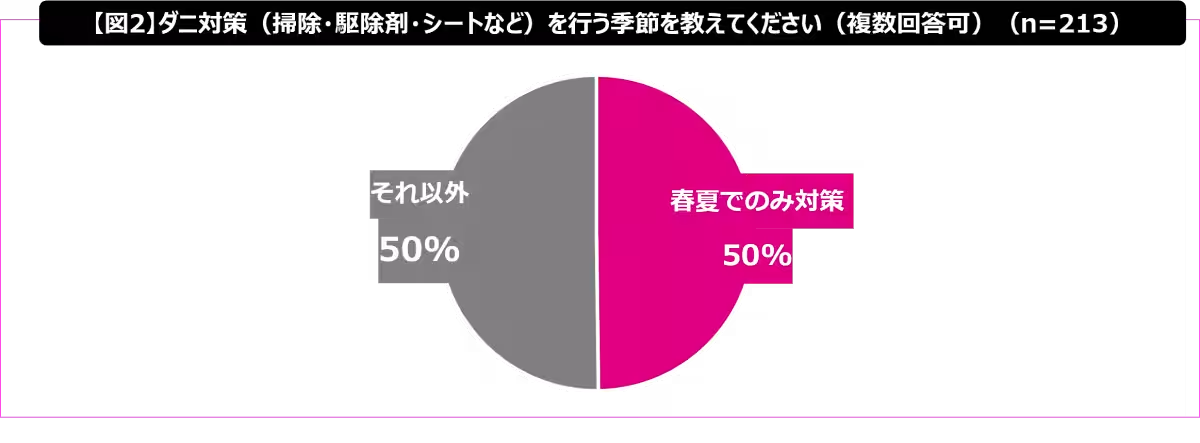
The survey, which included responses from 428 individuals aged 20 to 50 across Japan, uncovered an awareness gap: while 61% of participants recognized that dust mites can exacerbate autumn ailments, only 20% reported actively implementing dust mite prevention strategies during this season. Shockingly, nearly half of those who took action ended their prevention efforts in spring or summer. This leaves a significant number of households susceptible to the health risks posed by dust mites as summer transitions into autumn and winter.
The Invisible Threat of Hidden Dust Mites
Dr. Shintaro Suzuki, an allergy specialist and associate professor at Showa Medical University, warns that the remnants of dust mites—such as their bodies and droppings—continue to pose health risks during colder months. The mild weather has led to extended periods of dust mite activity, thus increasing allergen levels in homes. The modern home environment, coupled with climate change, has created a “cozy environment” that not only supports human comfort but also the survival of these microscopic pests.
Survey Insights
Top Finding: Approximately 49.8% of people take steps to eliminate dust mites only during spring or summer, neglecting the autumn months entirely.
Health Risks: The indoor environment during autumn promotes the survival of “hidden dust mites,” leading to potential respiratory issues in individuals unaware of the ongoing threat.
When it comes to autumn symptoms like sneezing and nasal discomfort, many may point to dust mites as a contributing factor. However, the failure to act on this knowledge illustrates a disconnect between awareness and behavior, revealing a concerning trend of inaction in preventive measures.
Winter Misconceptions: The Myth of Dry Weather
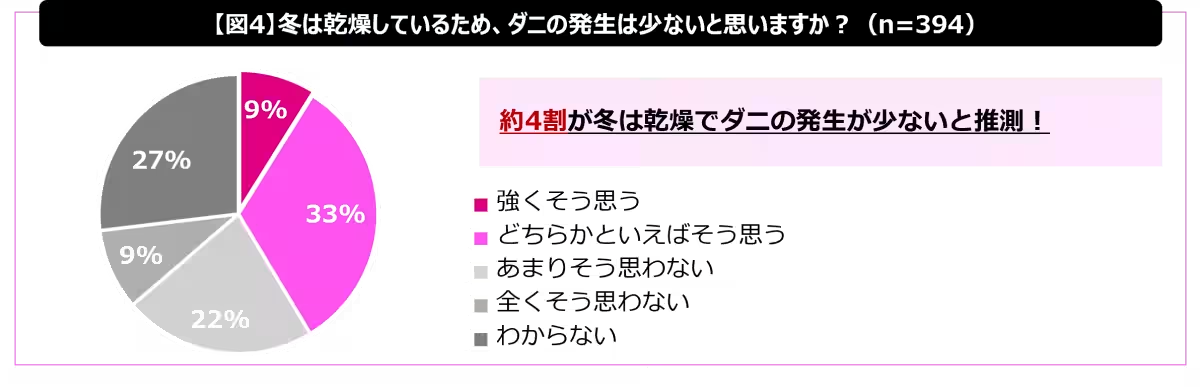
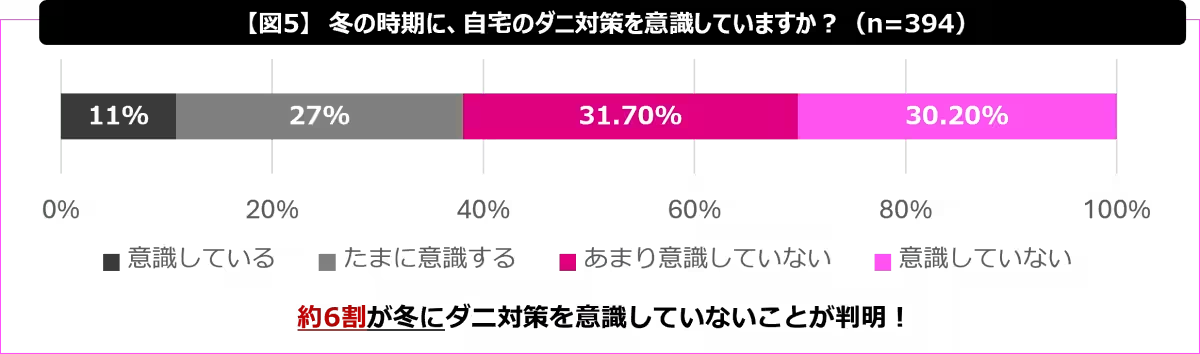
Another significant misconception found in the survey was that nearly 40% of respondents believed that winter’s dry conditions minimize dust mite proliferation. This perception can lead to complacency regarding dust mite prevalence. In reality, the combination of indoor heating systems and humidity levels maintained through daily activities creates an ideal environment for dust mites to thrive.
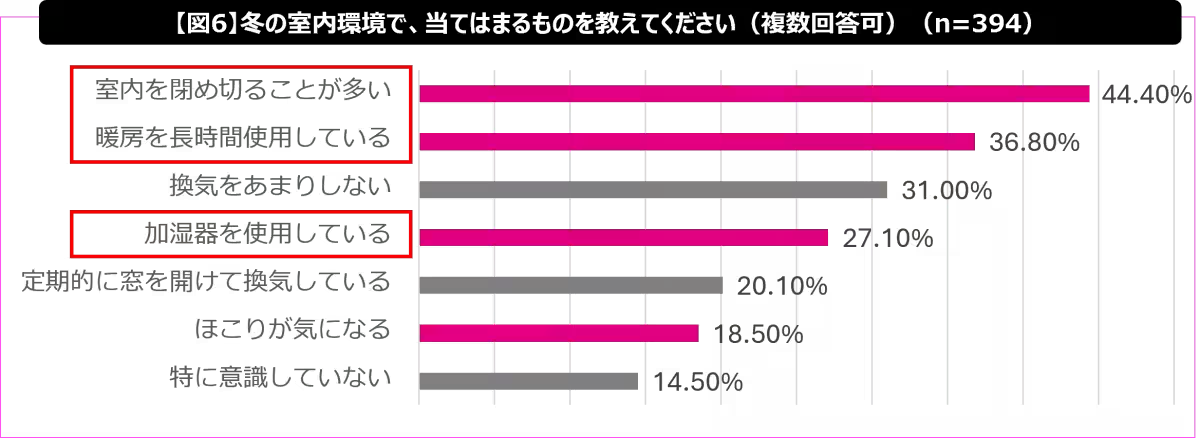
Many respondents admitted to closing windows and relying on heating during winter, both of which are conducive to dust mite populations, indicating a clear gap in awareness about winter dust mite risks.
Dr. Suzuki's Insights on Dust Mites
Dr. Suzuki highlights the ideal conditions for dust mite activity—temperatures of 25-30°C and humidity levels between 60-80%. Modern housing, often designed for high insulation, can maintain these conditions even during cold months. Notably, areas where humans spend considerable time, such as beds, carpets, and sofas, are particularly susceptible to dust mite infestations. As such, parents, pet owners, and individuals with respiratory issues should especially regard these risks during autumn and winter.
Preventative Measures and Action
To mitigate the risk from dust mites, Dr. Suzuki emphasizes the importance of thorough cleaning and preventive action throughout the year. This includes adequate drying before storage, utilizing proper pest control techniques, and being mindful of the indoor climate to prevent potential dust mite infestations.
Families are increasingly becoming complacent in assuming that simple measures like washing bedding would suffice. However, Dr. Suzuki advises against such assumptions, as effective dust mite prevention often requires more comprehensive strategies such as using specialized dust mite prevention products.
Introduction of the “Say Goodbye to Dust Mites” Product Line
Liberta is responding to this growing need with its “Say Goodbye to Dust Mites” product line, designed for easy installation and effective at capturing dust mites without harmful chemicals. Their products offer solutions for households concerned about both efficacy and safety.
In conclusion, as autumn and winter approach, it is essential for individuals to recognize that dust mites remain an ongoing threat to health. With an increasing number of cases of asthma and allergies attributed to dust mites, taking proactive measures year-round is crucial in safeguarding against these common allergens.
For more information on effective dust mite prevention products and strategies, visit Liberta’s official online store.




Topics Health)

【About Using Articles】
You can freely use the title and article content by linking to the page where the article is posted.
※ Images cannot be used.
【About Links】
Links are free to use.