



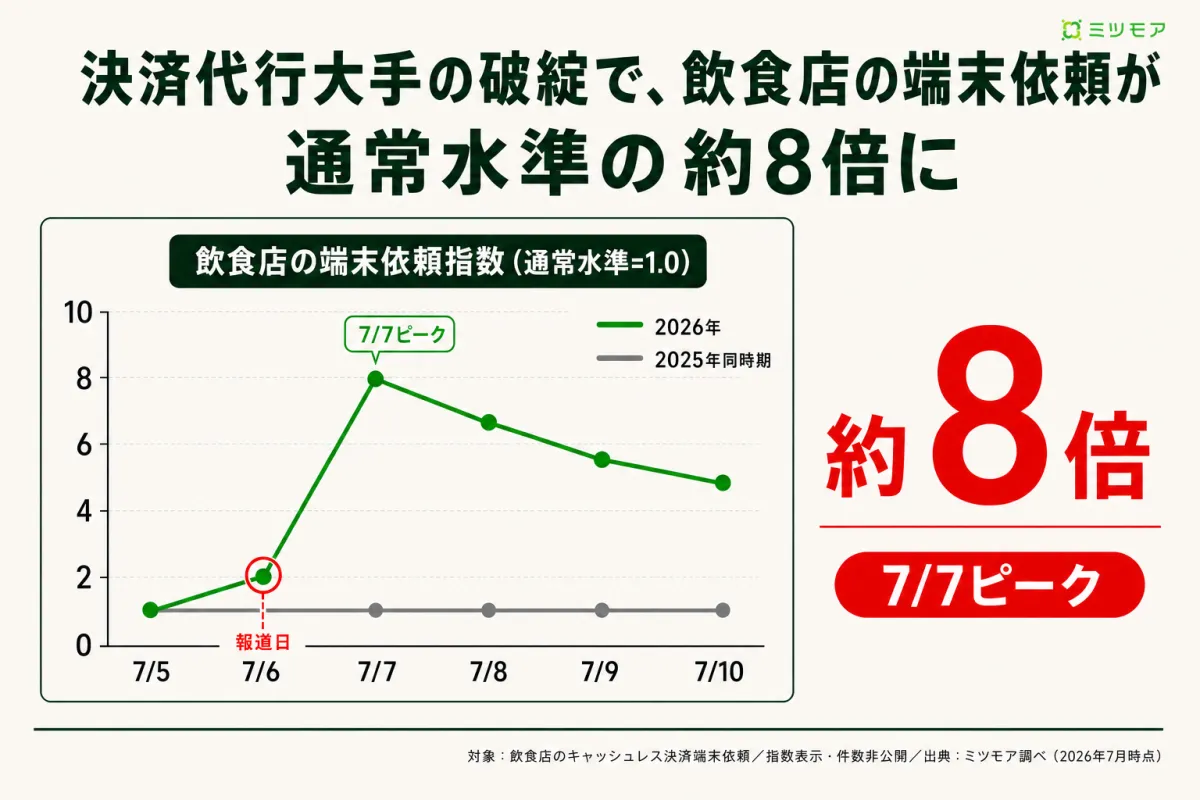
Surge in Demand for Cashless Payment Terminals Post Major Company Bankruptcy
The Impact of a Major Bankruptcy on Cashless Payment Systems
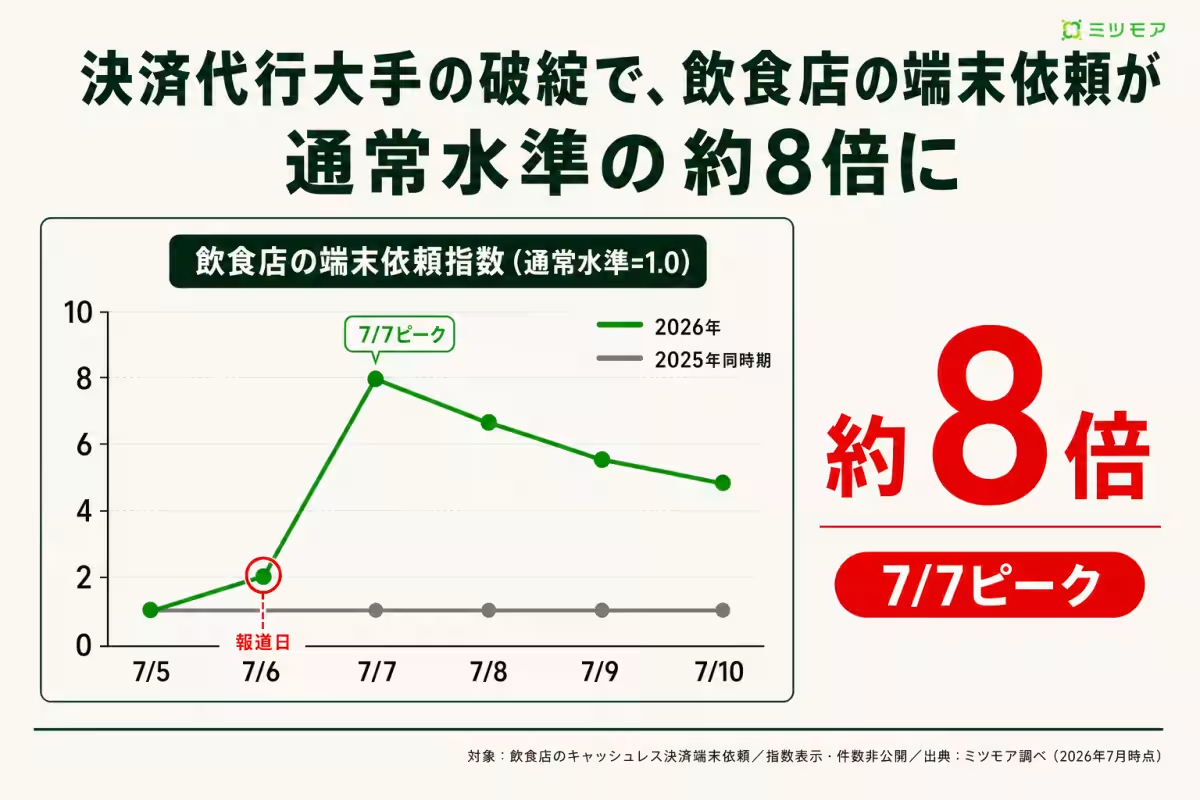
In early July 2026, a leading credit card payment processing company faced bankruptcy, affecting over 200,000 merchants and sparking a dramatic shift in the cashless payment landscape. In the wake of this collapse, there has been an extraordinary surge in requests for cashless payment terminals, especially among restaurants, with the demand skyrocketing to eight times the normal levels on July 7th.
The immediate aftermath of the bankruptcy served as a wake-up call for many restaurant owners, prompting them to urgently seek alternative payment solutions to restore their operations. It was predominantly small, independently run establishments that turned to the online comparison service, Mitsumore, to place requests for new payment terminals. This spike in activity was notably alarming as the businesses dependent on these services faced the prospect of being cut off from their primary revenue stream.
Shifting Priorities: From Quick Payments to Card Accessibility
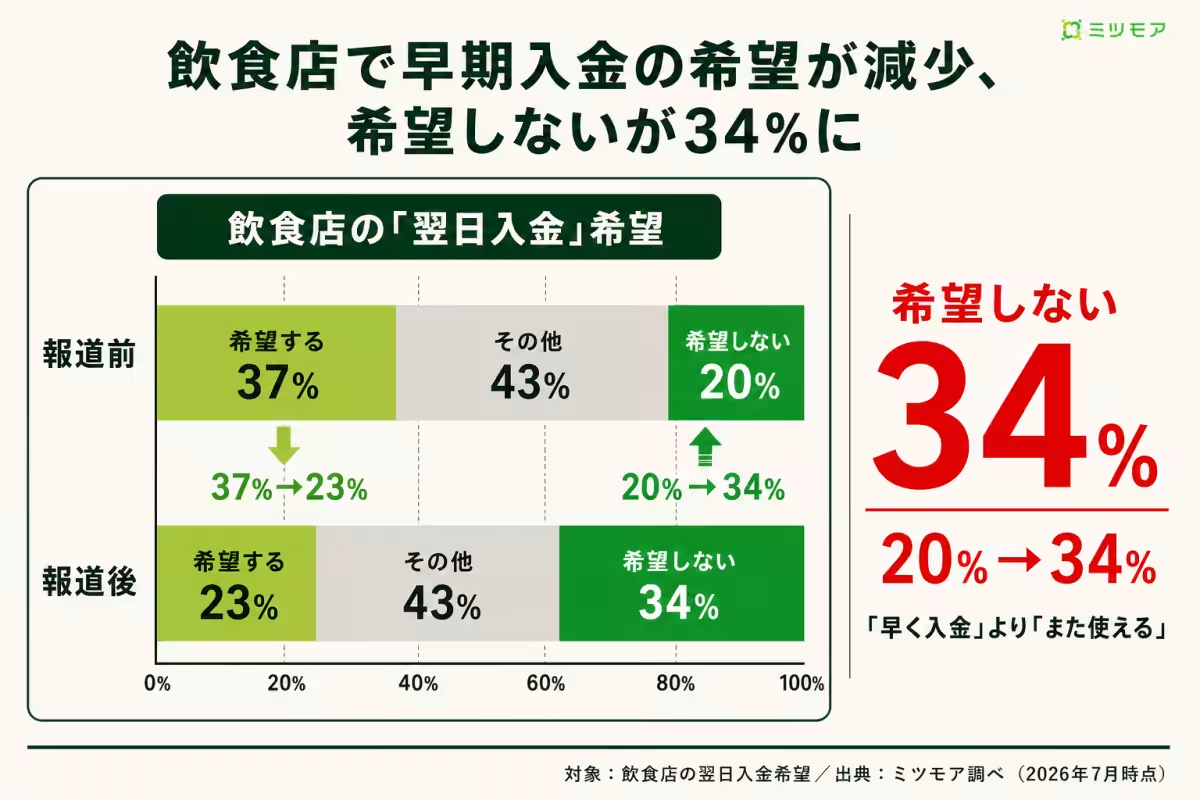
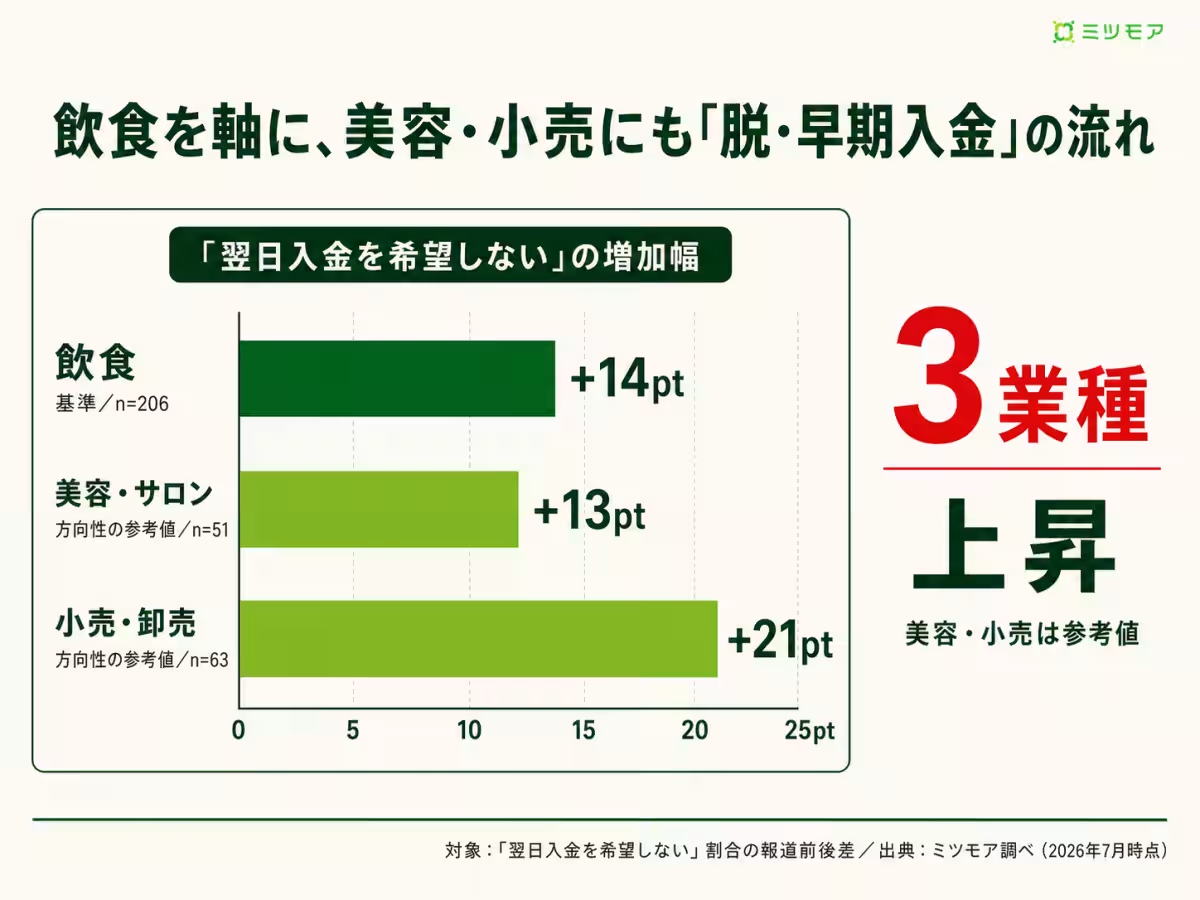
Interestingly, while one might expect that businesses would immediately prioritize speedy cash disbursement from sales, the survey data reveal a noteworthy trend: the desire for early cash payments has declined sharply. Only 23% of restaurants expressed a preference for receiving next-day payments after the news broke, down from 37%, while those who did not wish for this immediate cash influx rose from 20% to 34%. Instead, restaurant owners seem to prioritize the restoration of card payment options above all else, indicating a potential shift away from the practice of “early payments.”
This change may stem from the growing availability of services allowing regular payment schedules without additional fees. As businesses witnessed the risks tied to relying on a single payment processing company following this bankruptcy, a more considerable focus on stable and reliable payment solutions over speedy transactions began to take root.
Concentration on Credit Card Payments
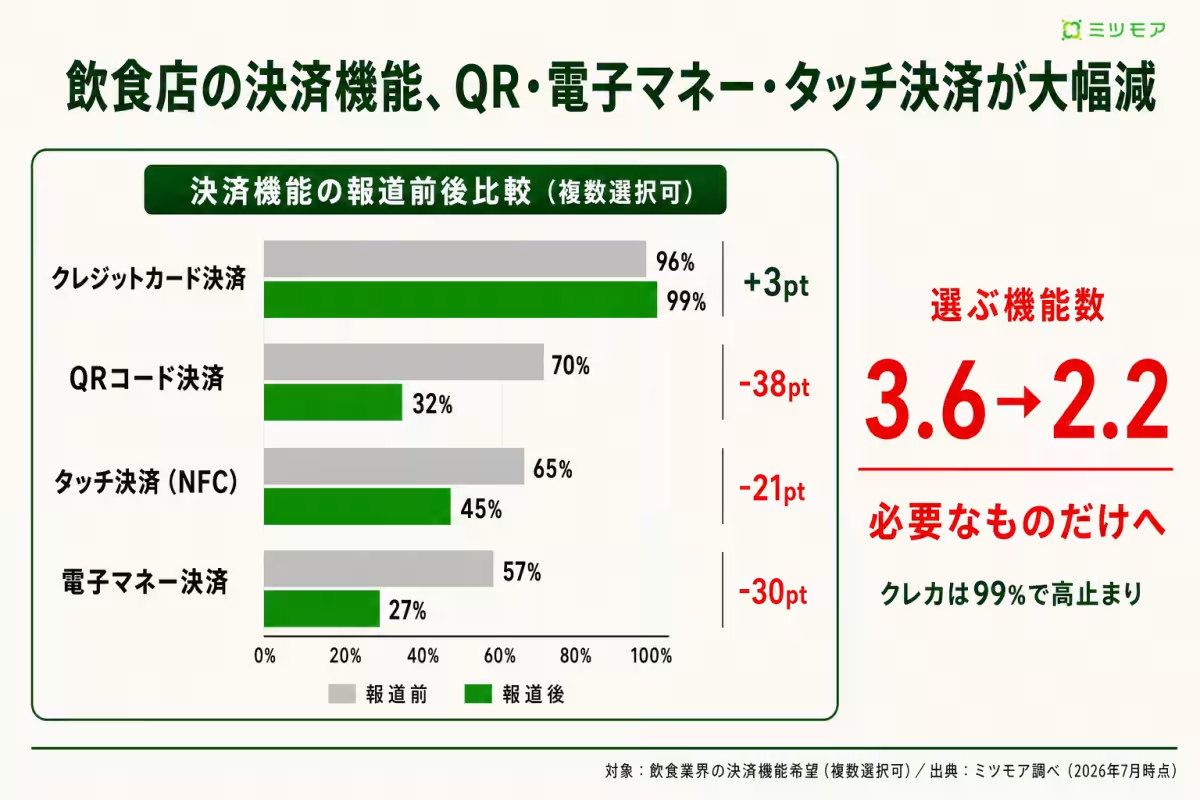
An analysis of the types of payment functionalities desired also highlighted this trend, particularly among restaurant owners. Prior to the bankruptcy, there was a diverse outlook where restaurants might seek multiple payment options, including QR codes and electronic payments. However, after the incident, requests for a variety of payment options significantly declined, with nearly all operators focusing solely on credit card processing, which accounted for about 99% of the usage. The average number of desired features dropped from 3.6 to 2.2, reflecting a clear priority for card accessibility over the flexibility of payment options.
This situation transcended the restaurant sector, as other industries such as beauty and retail reported similar trends. There was a shared increase in businesses that opted not to seek next-day payments across multiple sectors, further supporting the notion that this is not an isolated phenomenon. Instead, it showcases a broader mentality shift among businesses that rely on cashless transactions.
The Need for Stability Over Speed
Initially, the response to the bankruptcy was expected to revolve around managing cash flow, but as priorities shifted, businesses have seemingly placed a greater emphasis on restoring their ability to accept credit cards quickly. This change highlights a potential transition in the decision-making criteria within businesses, moving from urgency for immediate cash to ensuring the reliability and continuity of payment methods.
As operators navigate this complex landscape, various factors now play a role in their decision-making processes regarding payment system changes. Key considerations include:
1. Ease of Approval and Quick Start: With many services offering fast onboarding, businesses must discern which services will facilitate their processing needs effectively.
2. Cycle of Payments and Total Fees: Evaluating payment speed alongside associated fees becomes essential for determining the best financial arrangement.
3. Terminal and Setup Costs: The cost of terminals and the initial expenses for implementation need thorough examination to ensure affordability.
4. Payment Solutions and Support: Alongside credit card acceptance, businesses should consider other payment types, customer support quality, and ensuring reliance on a single processor is mitigated.
As the cashless payment industry moves forward in these uncertain times, it will be crucial for companies to reassess their payment systems to prioritize stability, customer support, and comprehensive payment capabilities over mere speed.

Topics Consumer Products & Retail)
【About Using Articles】
You can freely use the title and article content by linking to the page where the article is posted.
※ Images cannot be used.
【About Links】
Links are free to use.