



Unraveling the Role of Reactive Oxygen Species in Cricket Regeneration at Okayama University
Unraveling the Role of Reactive Oxygen Species in Cricket Regeneration
A recent groundbreaking study from Okayama University has shed light on the significant role of reactive oxygen species (ROS) in organ regeneration, specifically focusing on crickets. This research indicates that ROS not only enhance cell division but also influence the formation of scabs and the movement of blood cells essential for healing. As potential therapeutic implications for human regenerative medicine arise, the findings are expected to make a notable impact in the field.
Collaborative Research
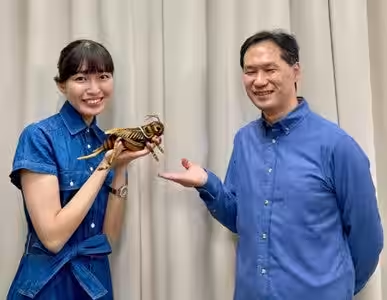
The study was conducted by a collaborative research team including Misa Okumura-Hirono, a graduate student, along with her esteemed supervisors Tetsuya Bando, Yoshimasa Hamada, Motoo Araki, and Hideyo Ohuchi. Their research explored the mechanisms behind limb regeneration in crickets, a topic that had previously been under-explored especially in terrestrial animals.
Notably, the research findings were published in the journal 'Development' on November 20, 2025. This recognition included a research highlight and an exclusive interview with the authors, showcasing their impactful work.
Key Findings
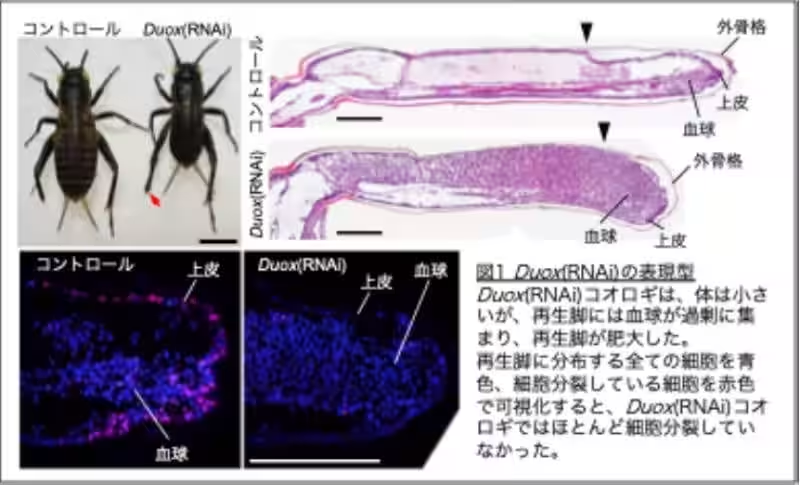
The results revealed an increase in ROS production during cell division phases, particularly during the regeneration of cricket legs. This production of ROS was crucial not only for stimulating cell division but also for aiding the movement of immune cells to the regenerating tissue, as well as scab formation, which is key in wound healing.
The study further identified that ROS are essential for maintaining gut homeostasis, facilitating larval growth, and forming external skeletons. This multifaceted role of ROS emphasizes their importance in regeneration processes, making them a unique focus of study for potential applications in regenerative medicine, especially for humans who have limited regenerative abilities.
Implications for Human Medicine
Humans, unlike crickets and other animals known for their regenerative capabilities, have a poor ability to regrow limbs or organs. This research potentially opens new avenues for regenerative therapies, as understanding the crucial role of ROS could lead to developing treatments that enhance regeneration in humans. The research team emphasized the broader implications of their findings could contribute to medical advancements.
A Word from the Researchers
Misa Okumura-Hirono expressed her fascination with the mysteries of life that allow lost tissues to regenerate. The team faced numerous challenges and unexpected outcomes throughout their research, but their continued efforts paid off in the successful publication of their findings. They acknowledged the critical support from their colleagues in the Cellular and Tissue Study Department and expressed gratitude for their collaborative efforts in achieving this milestone.
Background on Okayama University
Okayama University is a prestigious institution located in Okayama, Japan, known for its commitment to research and educational excellence, especially in the fields of medicine and biology. The university has actively pursued advanced studies in regenerative medicine, making strides toward finding solutions that could significantly impact healthcare.
As part of its mission, Okayama University emphasizes its dedication to supporting the United Nations’ Sustainable Development Goals (SDGs) and has received various accolades for its research initiatives.
This discovery about the role of ROS in organ regeneration opens up exciting prospects for further research and application in regenerative medicine, highlighting crickets as a valuable organism to study. The hope is that this work could inspire innovative therapeutic strategies that harness the natural regenerative processes found in the animal kingdom for medical advancements in humans.

Topics Health)
【About Using Articles】
You can freely use the title and article content by linking to the page where the article is posted.
※ Images cannot be used.
【About Links】
Links are free to use.