



Understanding Eyelid Bumps: Awareness and Treatment Insights from Recent Survey
Understanding Eyelid Bumps: Awareness and Treatment Insights
Eyelid bumps, often referred to as sweat gland tumors (sweat cysts) and milia, are benign skin conditions that many individuals encounter, particularly around the eyelids. Despite having minimal health risks, these bumps can lead to significant aesthetic concerns, prompting individuals to seek treatment. Recently, a survey conducted by the Ai-Ci Clinic shed light on the public's awareness and attitudes toward the treatment of these eyelid issues, revealing a troubling gap in understanding and action.
Key Findings from the Survey
General Awareness
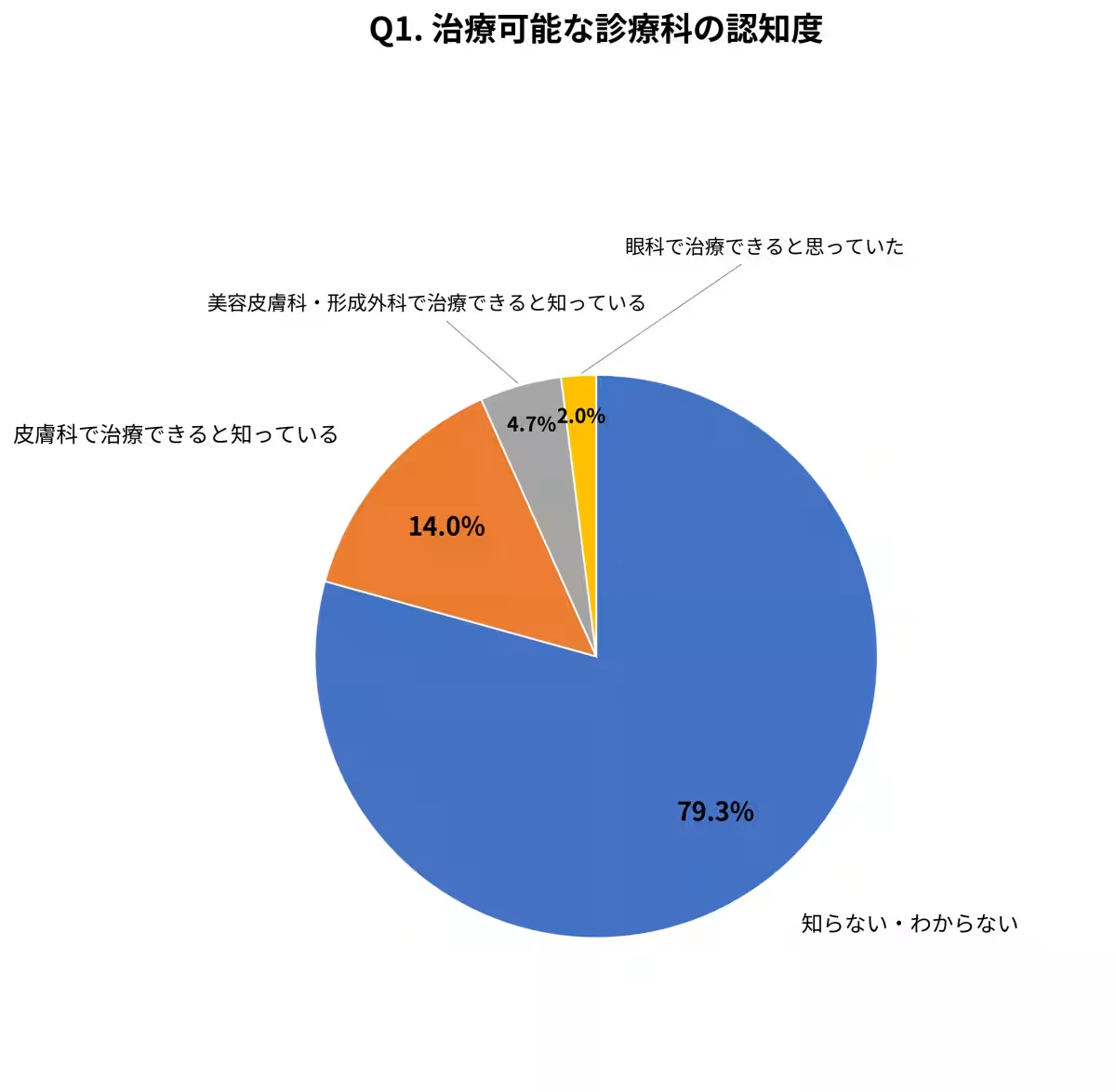
The survey highlights that 79.3% of participants are unaware of where to seek treatment for eyelid bumps. This lack of knowledge can lead to misconceptions, such as 2.0% mistakenly believing that ophthalmologists can provide suitable treatments, which underlines a need for better public education regarding where to go for skin-related concerns.
Treatment Engagement
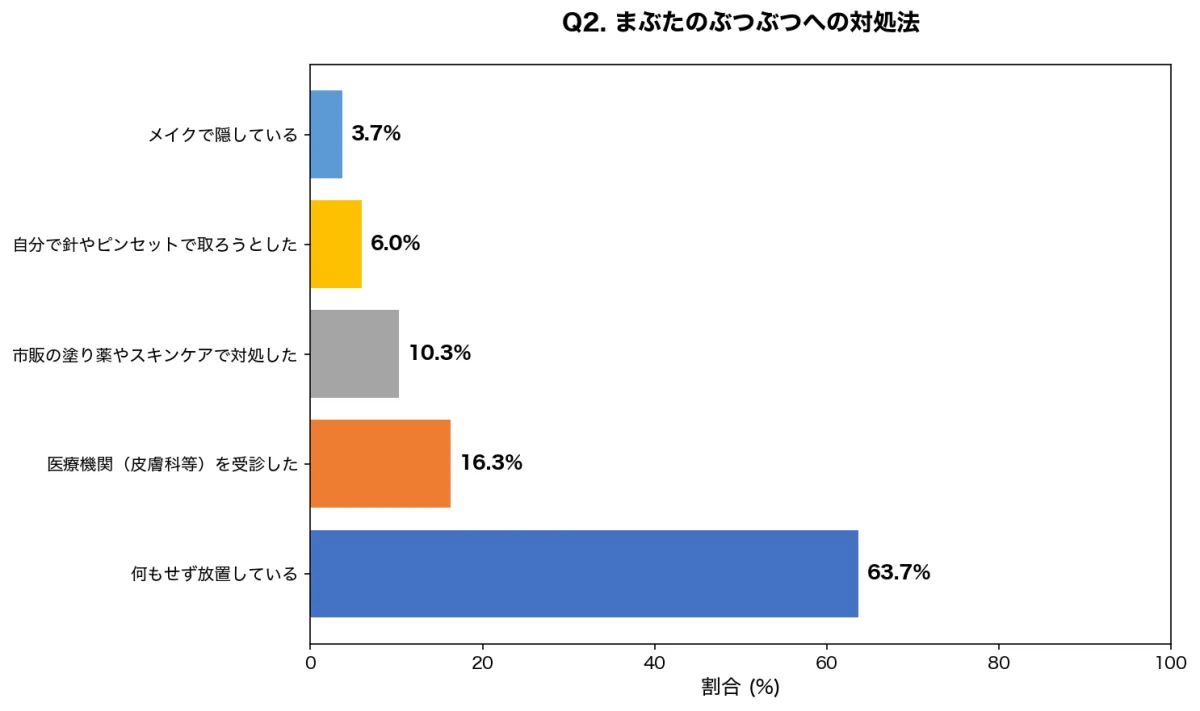
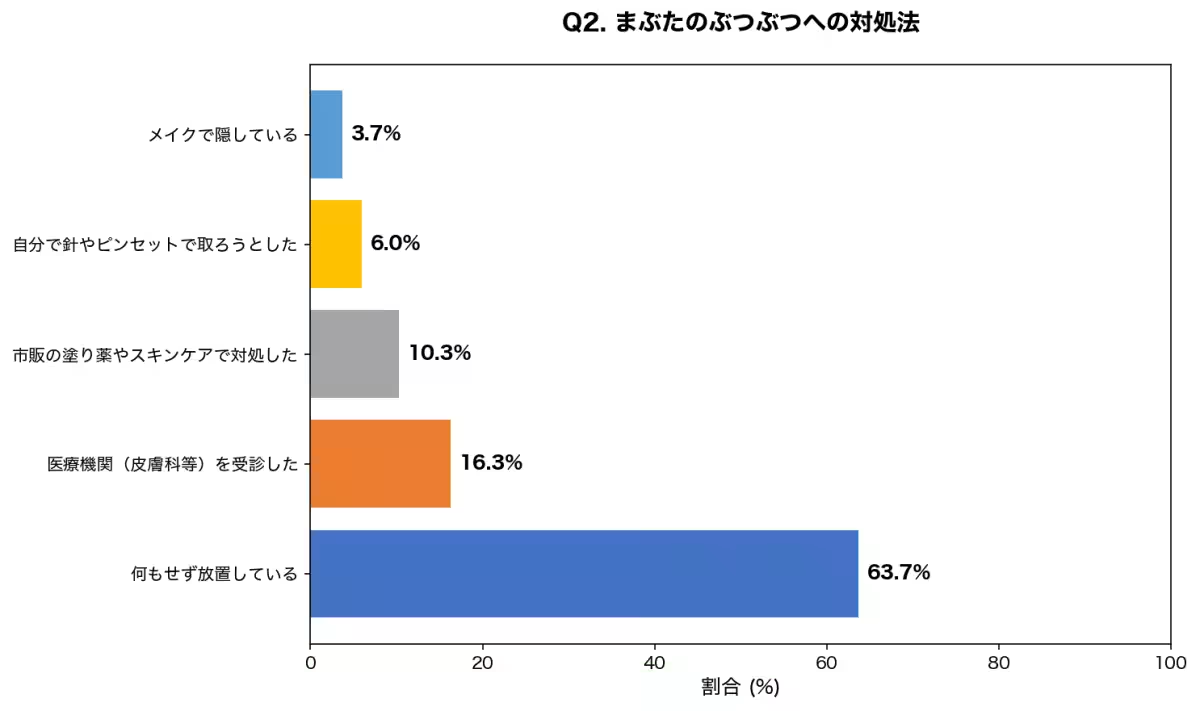
Alarmingly, 63.7% of respondents reported doing nothing about their eyelid bumps, whereas only 16.3% sought help from medical professionals. This statistic illustrates a prevalent trend of neglect in addressing these bothersome skin issues.
Misunderstandings about Healing
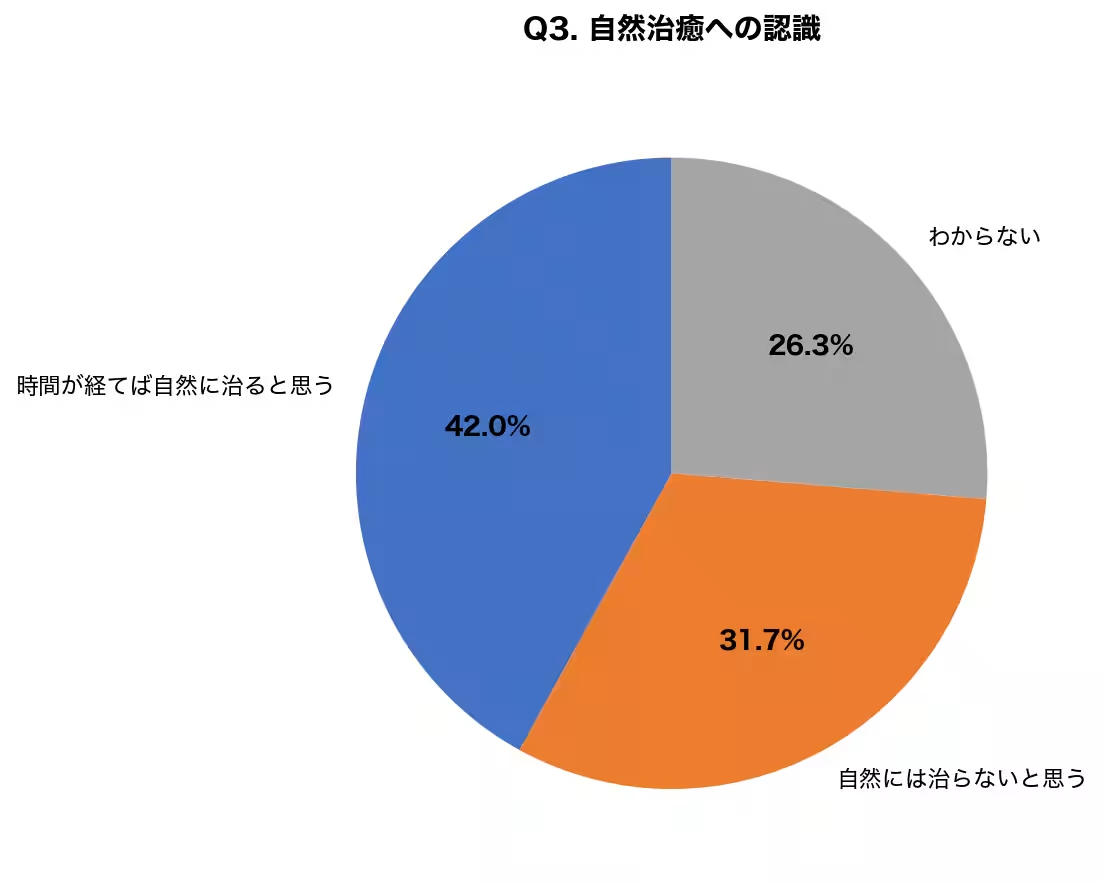
The survey discovered that 42.0% of participants believed that eyelid bumps could resolve on their own, with merely 31.7% accurately acknowledging the need for medical intervention. This misjudgment likely contributes to delayed treatment, ultimately worsening the condition.
Success of Treatments
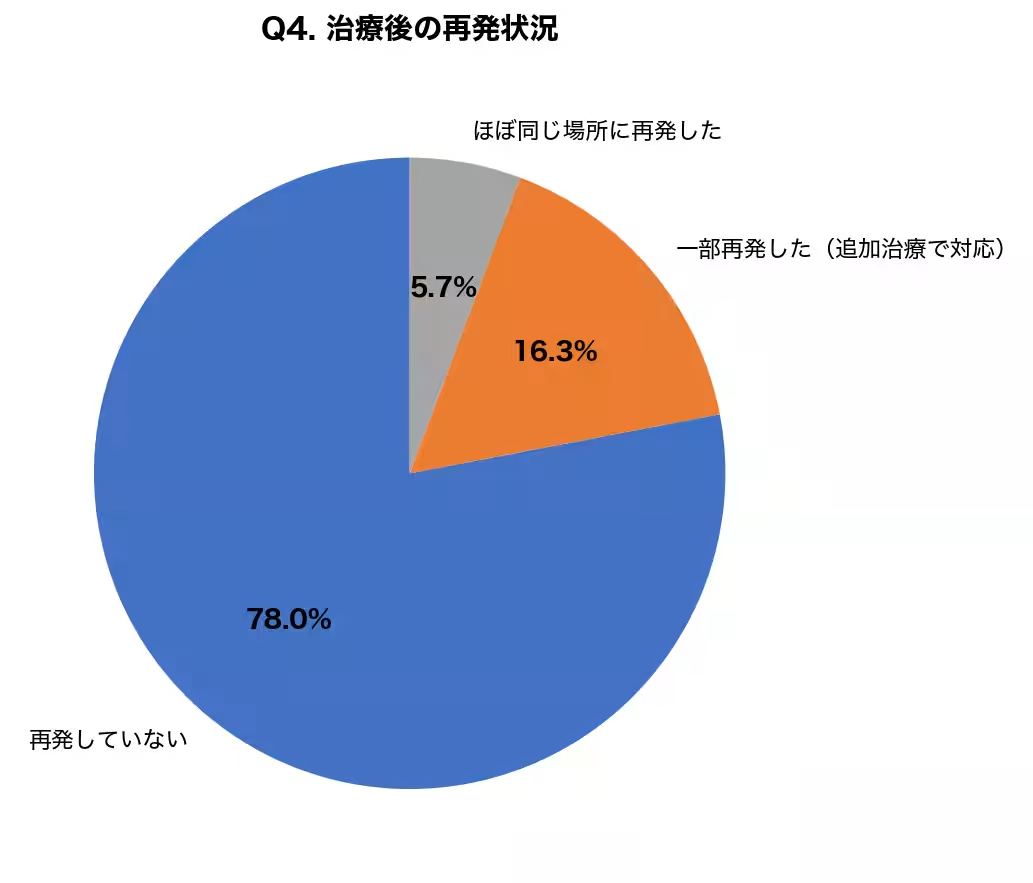
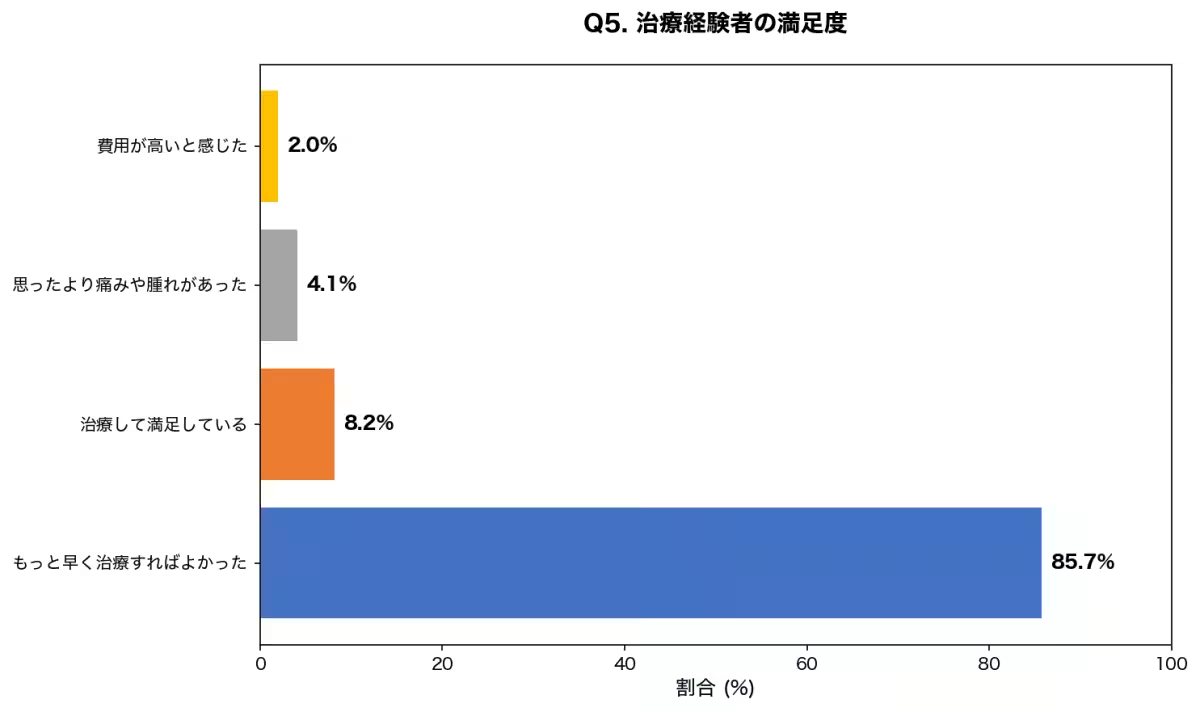
On a brighter note, 78.0% of those who underwent CO2 laser or electrosurgery treatments reported that their bumps did not recur. The majority of participants who received treatment expressed regret over not acting sooner, with 85.7% embracing the need for earlier intervention.
What Are Eyelid Bumps?
Sweat Gland Tumors (Eccrine Cysts)
Sweat gland tumors are benign tumors caused by the overgrowth of ducts from the eccrine sweat glands, often appearing as small, skin-colored to brownish bumps, predominantly found on the lower eyelids. These are more common in women and are unlikely to fade naturally; they typically increase in size with aging.
Milia
Milia are small white to yellowish cysts, approximately 1-2 mm in diameter, arising from keratin accumulation in hair follicles or sweat gland openings. They can appear around the eyes and cheeks and are benign, affecting individuals from infancy to adulthood; however, they rarely disappear spontaneously.
Treatment Options
CO2 Laser
The CO2 laser treatment is a prominent method for removing eyelid bumps, utilizing a laser that effectively vaporizes the targeted area. It requires local anesthesia and typically lasts 5-15 minutes with minimal bleeding and reduced damage to surrounding tissue, promoting a swift recovery (3-7 days).
Electrosurgery
Electrosurgery also offers similar effectiveness, using an electric scalpel to cauterize and remove lesions while under local anesthesia. Alternatives like surgical excision may be necessary for larger or deeper bumps, although this method carries a longer recovery time due to stitching.
Importance of Seeking Treatment
The survey results confirm that while many perceive these eyelid bumps as harmless, neglecting treatment can result in increased visibility and complexity. Therefore, for individuals noticing new lesions or changes in existing ones, early consultation with a dermatologist or a specialized skin clinic is crucial. Many people have misconceptions about the required medical expertise, often wandering into the wrong healthcare facility.
Recommendations
- - Seek dermatological expertise: Individuals experiencing eyelid bumps should specifically consult dermatologists or clinics specializing in skin conditions rather than relying on ophthalmologists.
- - Avoid self-treatment: Using needles or tweezers for self-removal risks infection and scarring, potentially exacerbating the issue.
- - Timely action: The earlier one seeks treatment, the higher the probability of a successful and relapse-free recovery.
Conclusion
In summary, eyelid bumps (sweat gland tumors and milia) are benign but require appropriate medical guidance for effective treatment. The survey emphasizes a significant gap in awareness, urging individuals to educate themselves regarding available treatment options. With most patients stating satisfaction with their treatment outcomes and encouraging early intervention, there is an evident need to bridge the information divide for better health and self-esteem.
Note from Dr. Kota Takakuwa
As a medical professional with over 15 years of experience in dermatology and skin surgery, my patient experiences suggest that most eyelid bumps do not resolve naturally. Seeking timely treatment at a specialized facility can greatly reduce the chance of recurrence and effectively manage visual concerns.
Topics Health)
【About Using Articles】
You can freely use the title and article content by linking to the page where the article is posted.
※ Images cannot be used.
【About Links】
Links are free to use.